

Will Solar Mounting Damage My Roof or Cause Leaks?(2026)

Last Updated: August 10th,2026
Author: Devi Huang | International Sales Team, ALV
Devi Huang is part of the international sales team at ALV, a manufacturer of solar mounting systems and aluminum profiles. She works with EPC contractors, distributors, and project developers worldwide, helping customers choose the right mounting solutions based on project requirements, local standards, and budget.
Quick Answer
No—when properly designed and professionally installed, a solar mounting system should not damage your roof or cause leaks. Modern solar mounting systems use waterproof flashing, sealing components, and engineered attachment methods to protect the roof structure. In fact, a well-installed mounting system can provide decades of reliable performance while maintaining the roof’s weather resistance.
Why Do Homeowners Worry About Roof Damage?
One of the most common concerns before installing rooftop solar is whether drilling into the roof will create future leaks.
This concern is understandable. Most rooftop mounting systems require attachment points that transfer the weight of the solar array to the building’s structural members. If these attachment points are poorly designed or improperly sealed, water intrusion can occur over time.
However, roof leaks are usually caused by poor installation practices—not by the solar mounting system itself.
According to the U.S. Department of Energy, proper system design, professional installation, and routine inspections are key factors in ensuring the long-term safety and reliability of rooftop solar systems.(https://www.energy.gov/eere/solar/homeowners-guide-going-solar)
Does Installing Solar Require Drilling Into the Roof?
The answer depends on your roof type and mounting system.
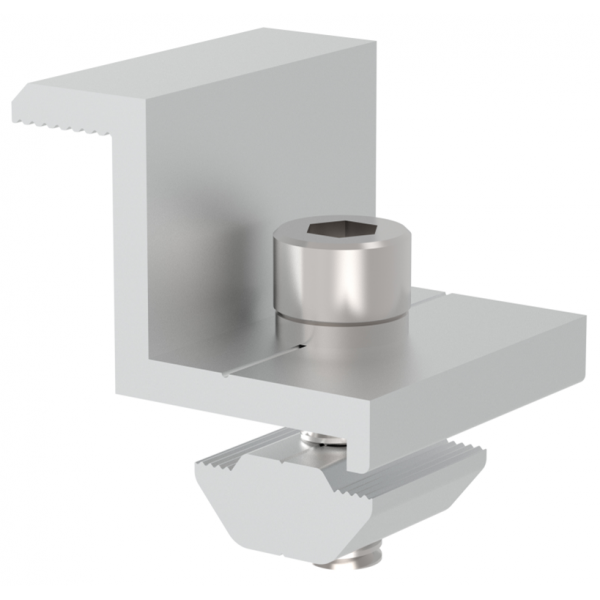
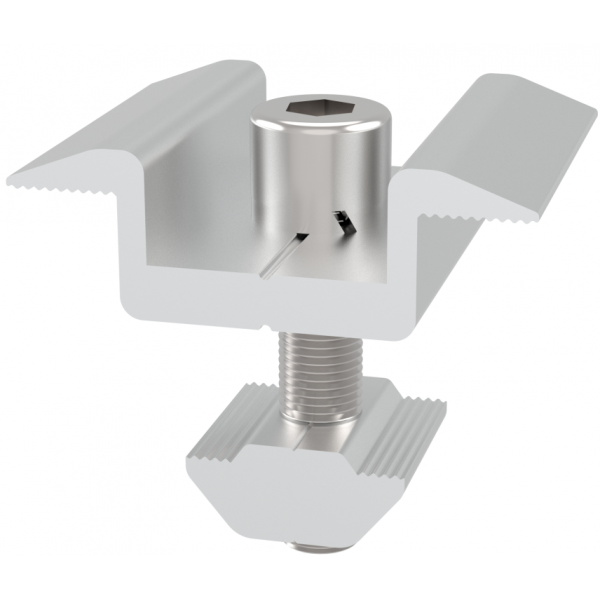
Some roofs require penetrations, while others allow clamp-based installation without drilling into the roof surface.
| Roof Type | Penetration Required? | Typical Mounting Method |
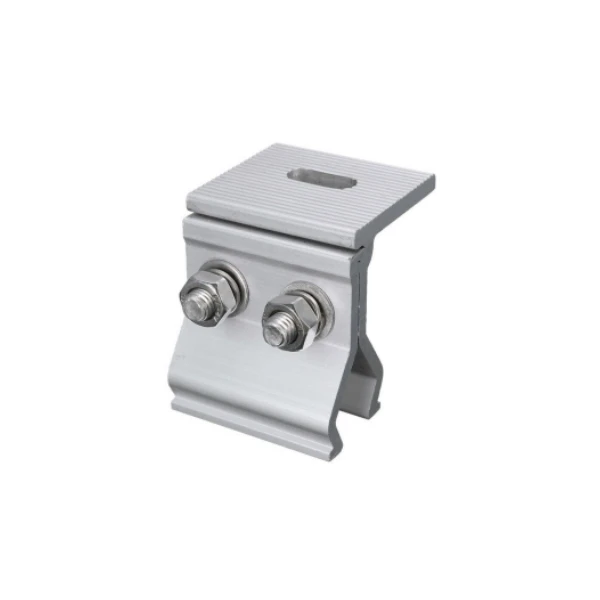
| Metal Standing Seam Roof | ❌ No | Clamp-on mounting |
| Corrugated Metal Roof | ✅ Yes | Roof brackets with waterproof seals |
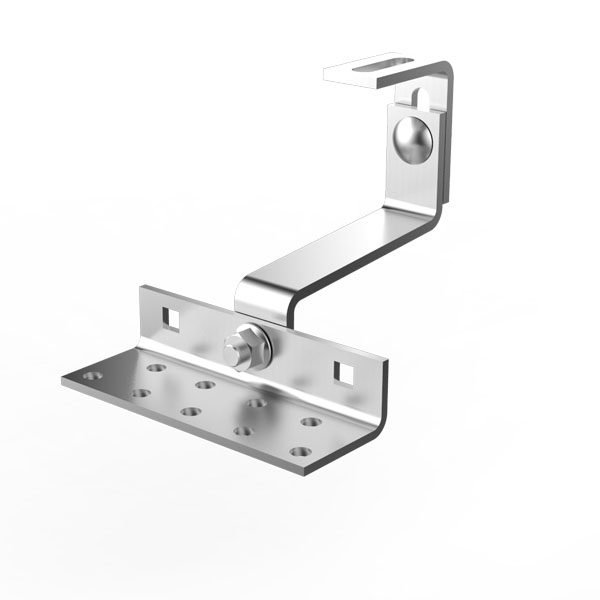
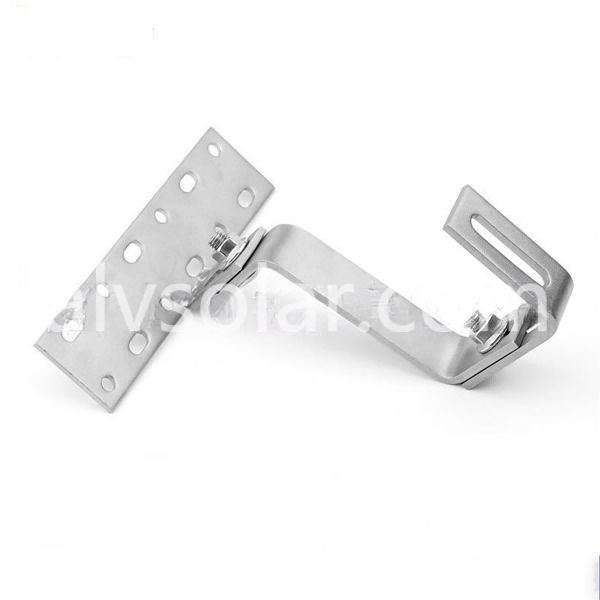
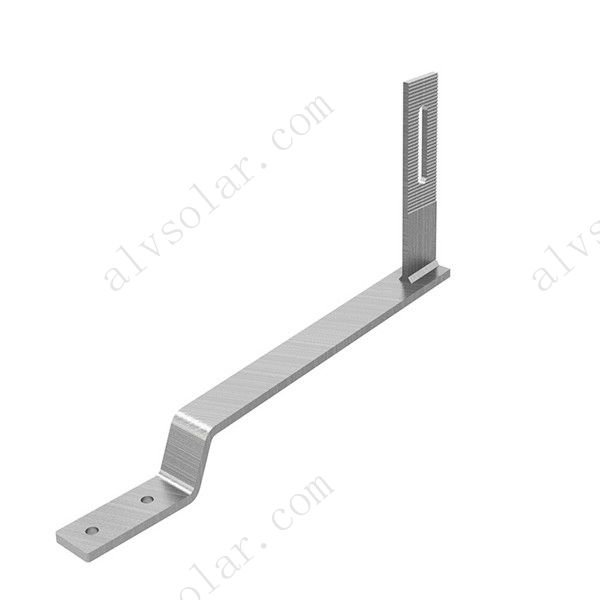
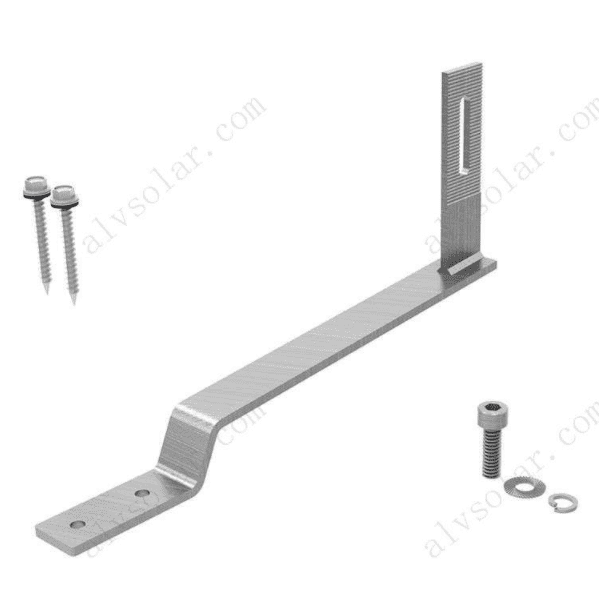
| Tile Roof | ✅ Yes | Tile hooks or replacement flashing |
| Asphalt Shingle Roof | ✅ Yes | Roof anchors with flashing |
| Concrete Roof | Depends | Mechanical anchors or ballast system |
| Flat Commercial Roof | Often No | Ballasted mounting systems |
As shown above, not every rooftop solar installation requires drilling. Standing seam metal roofs are particularly suitable for non-penetrating clamp systems, making them one of the safest roof types for solar installation.
How Modern Solar Mounting Systems Prevent Roof Leaks
Professional solar mounting systems are specifically engineered to keep roofs watertight throughout the lifetime of the photovoltaic system.
A complete waterproof installation typically includes:
- Waterproof flashing
- EPDM rubber gaskets
- Stainless steel fasteners
- Waterproof sealants
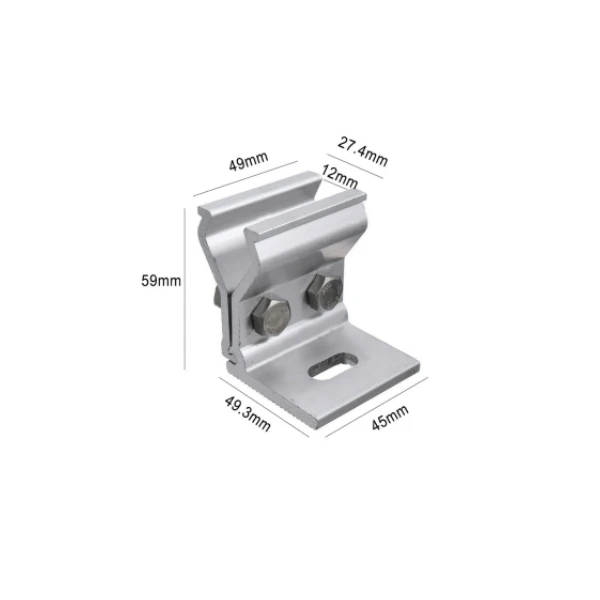
- Engineered roof brackets
- Proper drainage spacing
Each attachment point is carefully sealed to prevent rainwater from entering the roof structure.
At ALV, our rooftop mounting systems are designed with project-specific waterproofing solutions that match different roof materials and local weather conditions. Whether the project involves metal roofs, tile roofs, or commercial flat roofs, ALV provides compatible mounting components that help maintain long-term roof integrity.
What Causes Roof Leaks After Solar Installation?
Contrary to popular belief, the mounting system itself is rarely responsible for roof leaks.
Instead, most problems result from installation errors.
Common causes include:
| Cause | Risk Level | Prevention |
| Incorrect flashing installation | High | Use manufacturer-approved flashing kits |
| Missing waterproof gaskets | High | Install EPDM sealing washers |
| Fasteners installed incorrectly | Medium | Follow torque specifications |
| Roof structure not inspected | Medium | Conduct pre-installation assessment |
| Poor workmanship | High | Hire experienced installers |
The majority of these issues can be avoided through proper engineering design, quality components, and professional installation.
Can Solar Panels Actually Protect Your Roof?
In many cases, yes.
Solar panels provide partial shading that helps protect roofing materials from direct sunlight, ultraviolet (UV) exposure, and extreme temperature fluctuations.
Research published by the U.S. National Renewable Energy Laboratory (NREL) has shown that rooftop PV systems can reduce roof surface temperatures by providing shade, which may help reduce thermal stress on roofing materials under certain conditions.
Although roof lifespan depends on many factors, properly installed solar panels may contribute to reducing weather-related aging in exposed roof areas.
Choosing the Right Mounting System Matters
Not all mounting systems provide the same level of protection.
When selecting a supplier, buyers should consider:
- Roof compatibility
- Waterproof design
- Material quality
- Corrosion resistance
- Structural calculations
- Wind and snow load compliance
- Installation guidance
- Technical support
Rather than choosing the lowest-cost product, investing in a well-engineered mounting system can significantly reduce maintenance risks over the system’s expected 25–30-year service life.
Why More Installers Choose ALV Rooftop Mounting Systems
At ALV, we understand that every roof is different.
Our engineering team develops customized rooftop mounting solutions based on:
- Roof material
- Building structure
- Local wind loads
- Snow loads
- Rainfall conditions
- Module dimensions
- Installation angle
Each solution is designed to improve installation efficiency while protecting the roof’s waterproof layer and maintaining long-term structural reliability.
By combining engineering expertise with high-quality aluminum and galvanized steel components, ALV helps installers complete projects safely, efficiently, and with confidence.
International Standards That Support Roof Safety
Professional solar mounting systems should be designed and tested according to internationally recognized engineering standards.
Commonly referenced standards include:
| Standard | Purpose |
| ASCE 7 | Wind, snow, and seismic load design |
| EN 1991 (Eurocode 1) | Structural actions for European projects |
| ISO 9227 | Salt spray corrosion testing |
| ISO 9001 | Quality management system |
Compliance with these standards helps improve structural reliability, corrosion resistance, and long-term project safety.
Roof Penetrating vs. Non-Penetrating Mounting Systems
One of the biggest factors affecting roof integrity is whether the mounting system requires roof penetrations. The right solution depends on your roof type, structural requirements, and local building codes.
| Mounting Type | Roof Penetration | Typical Roof Types | Advantages | Considerations |
| Clamp-On Mounting | No | Standing seam metal roofs | No roof drilling, fast installation, low maintenance | Only suitable for compatible standing seam roofs |
| Flashed Roof Anchors | Yes | Asphalt shingles, corrugated metal roofs | High structural strength, proven waterproofing | Flashing must be installed correctly |
| Tile Roof Hooks | Minimal | Clay and concrete tile roofs | Preserves roof appearance, minimizes tile damage | Requires precise installation |
| Ballasted Mounting | No | Flat commercial roofs | No roof penetrations, protects waterproof membrane | Roof structure must support additional weight |
For many commercial projects, non-penetrating systems are preferred whenever roof conditions allow. However, when penetrations are necessary, professionally engineered flashing systems can provide long-term waterproof performance.
Roof Inspection Checklist Before Installing Solar
Before installing a solar mounting system, inspect the roof to ensure it is suitable for long-term PV installation.
✔ Roof age and remaining service life
✔ Structural condition
✔ Waterproof membrane condition
✔ Existing leaks or water damage
✔ Roof load-bearing capacity
✔ Wind exposure
✔ Snow load requirements
✔ Drainage system
✔ Roof material compatibility
✔ Local building code requirements
A professional roof inspection helps avoid unexpected repairs after installation and ensures the mounting system is designed for the building’s specific conditions.
Best Practices for Leak-Free Solar Installations
Whether you are a homeowner, EPC contractor, or installer, following these best practices can significantly reduce the risk of roof leaks:
- Select a mounting system designed specifically for your roof type.
- Use manufacturer-approved flashing and waterproof accessories.
- Ensure fasteners are installed according to the recommended torque values.
- Avoid unnecessary roof penetrations whenever possible.
- Perform a roof inspection before installation.
- Conduct a final waterproof inspection after installation.
- Schedule periodic maintenance to check seals and fasteners.
At ALV, these practices are integrated into our engineering recommendations to help customers achieve safe, reliable, and long-lasting rooftop solar installations.
Frequently Asked Questions (FAQ)
1. Will installing solar panels void my roof warranty?
It depends on the roofing manufacturer and installer. Some warranties remain valid when solar systems are installed according to approved methods. Always check your roofing warranty before installation.
2. Can solar mounting systems cause roof leaks years later?
A properly installed mounting system should not. Most delayed leaks are caused by aging roof materials, poor workmanship, or improper waterproofing—not by the mounting system itself.
3. Which roof type is best for solar panels?
Standing seam metal roofs are often considered one of the easiest and safest options because many systems can be installed using clamp-on attachments without penetrating the roof surface.
4. Do all solar mounting systems require drilling?
No. Standing seam metal roofs and many ballasted flat-roof systems can be installed without drilling into the roof.
5. What is the safest mounting system for residential roofs?
The safest system is one specifically engineered for your roof type and installed using certified waterproofing components and proper structural attachment methods.
6. How long do rooftop mounting systems last?
High-quality aluminum or galvanized steel mounting systems are typically designed to last 25–30 years or more, matching the expected lifespan of most photovoltaic systems.
7. How can I prevent roof leaks after installing solar panels?
Choose an experienced installer, use high-quality mounting components, inspect the roof before installation, and ensure flashing and waterproof seals are installed correctly.
8. Does ALV provide mounting systems for different roof types?
Yes. ALV supplies customized mounting solutions for standing seam metal roofs, corrugated metal roofs, tile roofs, concrete roofs, and flat commercial roofs.
9. Can ALV help with structural calculations?
Yes. ALV’s engineering team provides structural calculations, wind and snow load assessments, layout optimization, and technical support for international projects.
10. Are ALV mounting systems tested for corrosion resistance?
Yes. Depending on the product, ALV uses aluminum alloys, hot-dip galvanized steel, or zinc-aluminum-magnesium (ZAM) steel. Product development and testing reference internationally recognized standards such as ISO 9227 to evaluate corrosion resistance.
Conclusion
A well-designed solar mounting system should not damage your roof or cause leaks. The key factors are choosing a mounting system that matches your roof type, using appropriate waterproofing components, and ensuring professional installation.
Most roof leak concerns stem from poor installation practices rather than the mounting system itself. By selecting a reliable manufacturer and following recognized engineering standards, homeowners and project developers can enjoy the benefits of rooftop solar with confidence.
For long-term performance, always evaluate the mounting system based on engineering quality, compatibility, corrosion resistance, and technical support—not simply on price.
Protect Your Roof with ALV Solar Mounting Solutions
Whether you’re planning a residential rooftop installation or a large commercial PV project, ALV provides engineered solar mounting systems designed for safety, durability, and installation efficiency.
Our team can help you with:
- Customized rooftop mounting designs
- Roof-specific waterproofing solutions
- Structural calculations
- Wind and snow load analysis
- Product selection and optimization
- OEM & ODM manufacturing
- Technical documentation and installation support
Contact ALV today to discuss your project and receive a customized mounting solution tailored to your roof type and local environmental conditions.