

How to Choose a Solar Mounting System Supplier for Your Project(2026)

Last Updated: September 28th, 2026
Author: Devi Huang | International Sales Team, ALV(E-mail address:sales@xmalv.com)
Devi Huang is part of the international sales team at ALV, a manufacturer of solar mounting systems and aluminum profiles. She works with EPC contractors, distributors, and project developers worldwide, helping customers choose the right mounting solutions based on project requirements, local standards, and budget.
1. Check the Supplier’s Solar Mounting Experience
Start by checking whether the supplier actually specializes in photovoltaic mounting systems rather than simply trading aluminum or steel components.
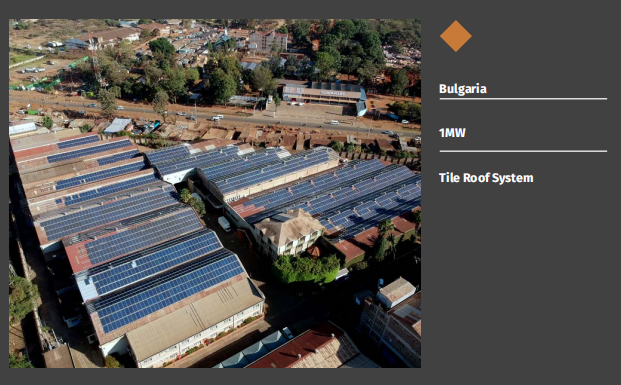
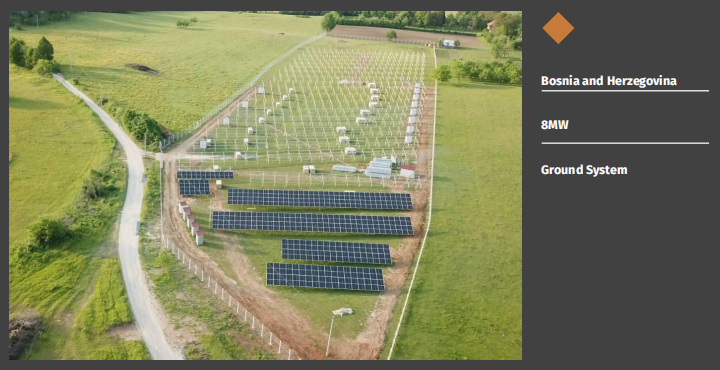
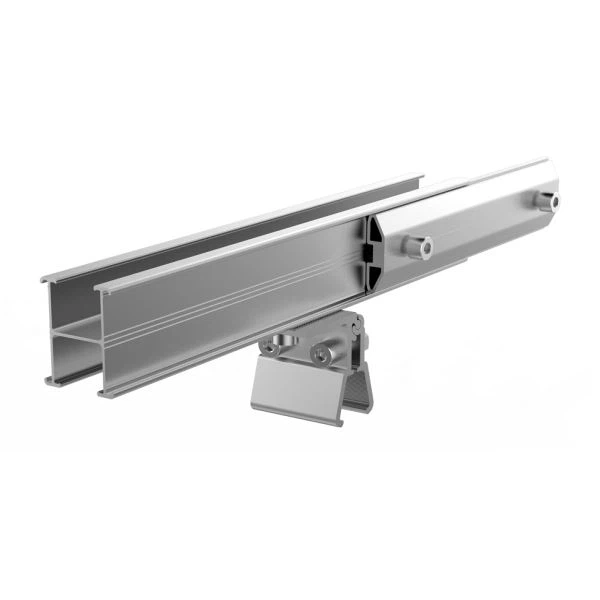
An experienced solar mounting manufacturer should understand different applications, including residential roofs, commercial rooftops, ground-mounted systems, solar carports, agricultural projects, and customized structures.
Ask the supplier for examples of completed projects, technical drawings, installation instructions, and information about the markets they serve. This helps you determine whether their experience matches your project requirements.
For example, ALV focuses on photovoltaic mounting systems and aluminum profiles, allowing customers to source structural components and customized mounting solutions from one technical supplier rather than coordinating multiple component manufacturers.
2. Evaluate Engineering and Structural Design Capability
A reliable supplier should not simply recommend a standard mounting kit. The system needs to be designed around the actual project conditions.
Important inputs normally include:
- Project location
- Roof or ground conditions
- Module dimensions and weight
- Module layout
- Roof pitch
- Wind speed
- Snow load
- Seismic conditions
- Foundation requirements
- Corrosion environment
For U.S. projects, ASCE/SEI 7-22 is the nationally adopted loading standard for general structural design and covers hazards including wind, snow, seismic, rain, flood, and other loads. ASCE 7-22 also includes provisions relevant to ground-mounted solar facilities.
For international PV projects, IEC 62548-1:2023, with its 2025 amendment, provides design requirements for PV arrays and includes revised provisions related to mounting structures.
A qualified supplier should therefore be able to explain why a particular rail size, post spacing, bracket, clamp, or foundation configuration is appropriate, rather than simply quoting a product list.
3. Compare Materials: Aluminum vs. Steel
Material selection should be based on structural requirements, corrosion exposure, project size, and installation conditions—not simply material price.
| Factor | Aluminum Alloy | Hot-Dip Galvanized Steel | Pre-Galvanized Steel |
| Weight | Lightweight | Heavy | Heavy |
| Corrosion resistance | Excellent | Very good | Good |
| Installation | Easier handling | More demanding | Moderate |
| Typical application | Rooftop, coastal, carport | Large ground mount | Cost-sensitive structures |
| Customization | Excellent for extrusions | Good | Good |
| Best advantage | Lightweight + corrosion resistance | High strength + cost efficiency | Lower material cost |
For rooftop and coastal projects, aluminum can be attractive because of its low weight and corrosion resistance. For large ground-mounted projects, galvanized steel can offer an effective combination of strength and cost efficiency.
ALV can provide both aluminum and steel mounting solutions, allowing the material to be selected according to the project environment rather than forcing every project into one material category.
4. Verify Certifications and Applicable Standards
Do not assume that a supplier’s statement such as “international standard” means the product has been independently certified.
For U.S. projects, UL 2703 covers PV mounting systems, mounting devices, clamping/retention devices, and grounding lugs for applicable flat-plate PV modules and panels. It also addresses mechanical strength, fire classification, materials, and grounding/bonding requirements.
| Market / Requirement | Important Reference | What to Check |
| United States | ASCE/SEI 7-22 | Wind, snow, seismic and other design loads |
| United States | UL 2703 | Mounting, bonding, grounding and fire-related requirements |
| International PV | IEC 62548-1 | PV array design and mounting-related requirements |
| Europe | Eurocode 1 / EN 1991 | Wind, snow and environmental actions |
| Project-specific | Local building codes | Permitting and structural compliance |
The exact certification required depends on the project location, module, mounting configuration, and local regulations. Ask the supplier to provide actual certificates, test reports, engineering calculations, and applicable documentation, rather than relying only on marketing claims.
5. Compare Total Cost Instead of Unit Price
The cheapest mounting system is not necessarily the lowest-cost solution.
A proper comparison should include material price, engineering, packaging, shipping volume, installation labor, fasteners, accessories, and potential redesign costs.
| Cost Factor | Low-Cost Supplier | Engineering-Focused Supplier |
| Product price | Usually lower | May be higher |
| Engineering | Limited or standard | Project-specific |
| Customization | Limited | High |
| Documentation | Basic | Drawings + BOM + installation guide |
| Quality consistency | Needs verification | Controlled production |
| Long-term project risk | Potentially higher | Potentially lower |
The U.S. Department of Energy and its national laboratory partners maintain PV system cost benchmarks using detailed bottom-up cost models covering residential, commercial, and utility-scale systems. Their 2025 benchmark methodology includes mounting-related components such as aluminum rails and module clamps.
For this reason, procurement teams should compare cost per installed system, rather than comparing only the price of one rail or one clamp.
6. Check Manufacturing Capacity and Quality Control
Before placing a large order, investigate how the supplier controls production quality.
Useful questions include:
- Does the supplier manufacture the profiles and components in-house?
- What aluminum or steel grades are used?
- How is dimensional accuracy controlled?
- How is surface treatment inspected?
- Are incoming materials traceable?
- Can the supplier provide batch inspection records?
- What is the normal production lead time?
- Can the supplier handle repeat orders?
For larger projects, also ask whether the supplier can maintain consistent dimensions and surface treatment across multiple production batches.
This is particularly important for aluminum mounting systems because profile tolerances, extrusion quality, anodizing, and machining accuracy can affect assembly efficiency on site.
7. Evaluate Customization and Technical Support
A good solar mounting supplier should be able to adapt the system to your project rather than asking you to redesign the project around its existing products.
For a quotation, provide:
- Module brand and model
- Module dimensions
- Project location
- Roof type or ground conditions
- Wind speed
- Snow load
- Module quantity
- Array layout
- Roof pitch
- Foundation requirements
- Desired delivery date
ALV can use these project parameters to develop a suitable mounting configuration, including rails, brackets, clamps, fasteners, connectors, and other required components.
For EPC contractors and distributors, this technical support can be particularly valuable because it reduces communication between different component suppliers.
8. Check Delivery Reliability and After-Sales Service
A technically excellent mounting system is still problematic if the supplier cannot deliver it on schedule.
Before ordering, confirm:
- Production lead time
- Packaging method
- Container loading plan
- Spare parts policy
- Replacement procedure
- Installation documentation
- Technical response time
- Communication after shipment
For large projects, ask the supplier to provide a complete Bill of Materials (BOM) and packing list before production. This makes it easier to check whether all rails, clamps, brackets, bolts, nuts, and accessories are included.
How to Choose the Right Solar Mounting Supplier
A practical supplier evaluation can be summarized in six questions:
| Evaluation Area | Key Question |
| Experience | Has the supplier completed similar PV projects? |
| Engineering | Can it provide project-specific structural design? |
| Materials | Are material grades and surface treatments clearly documented? |
| Standards | Can it meet the standards required in your market? |
| Manufacturing | Can it maintain quality and delivery consistency? |
| Service | Can it provide drawings, BOMs and technical support? |
If a supplier performs well across all six areas, it is usually a stronger candidate than a supplier selected purely because it offers the lowest unit price.
Why Consider ALV as Your Solar Mounting Supplier?
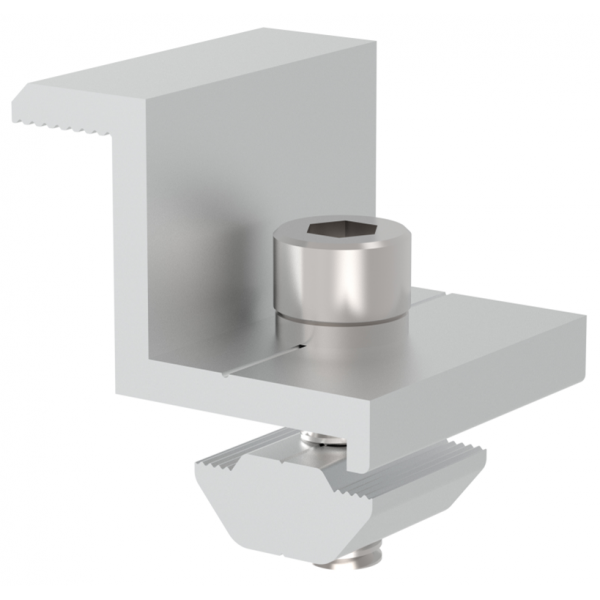
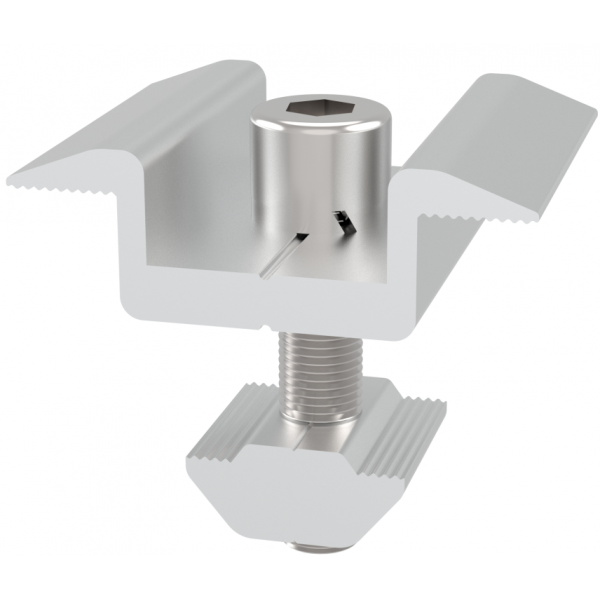
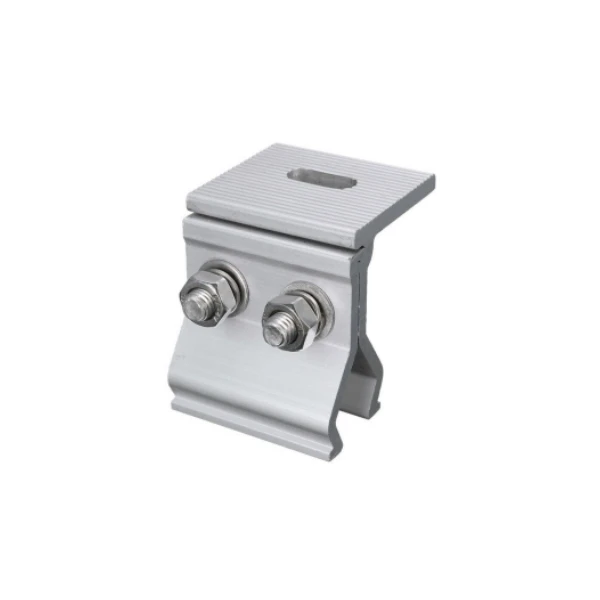
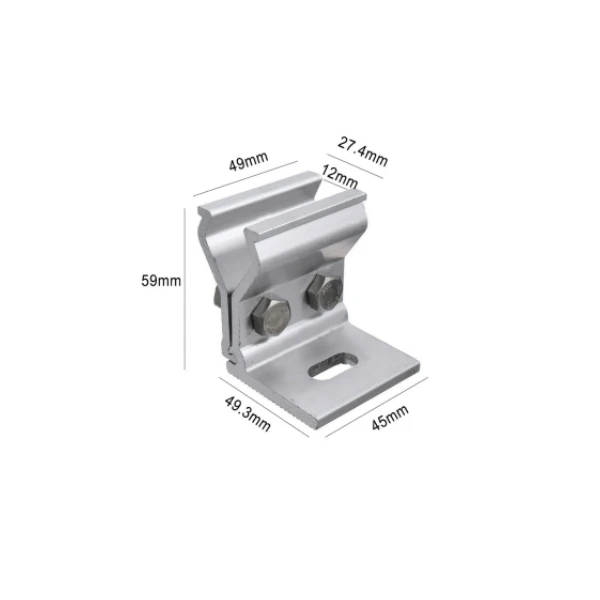
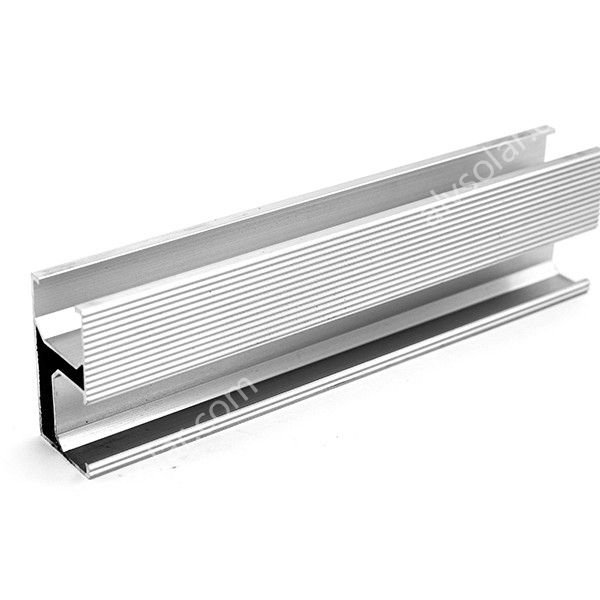
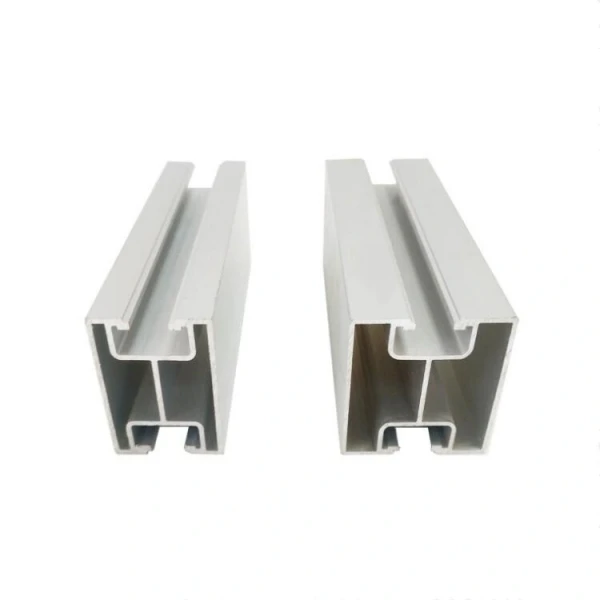
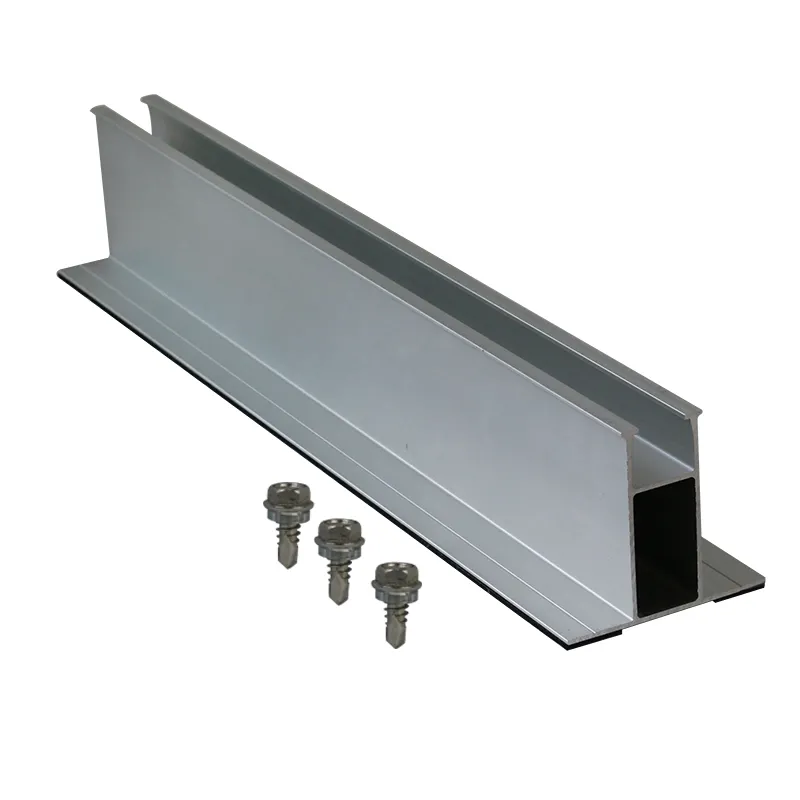
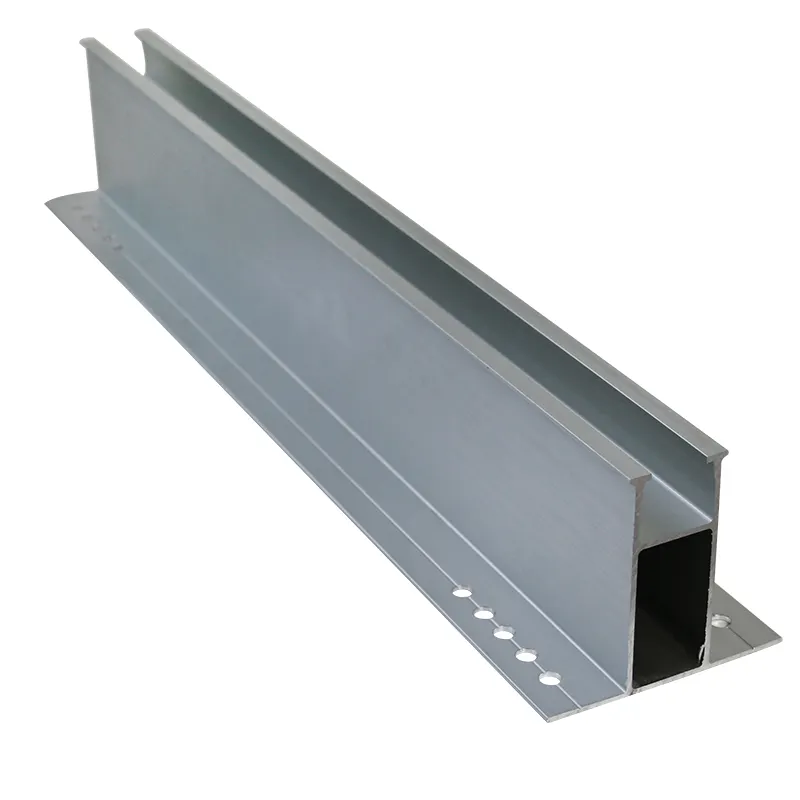
ALV provides photovoltaic mounting solutions for rooftop, ground-mounted, carport, and other solar applications. Its product range includes aluminum profiles, rails, brackets, clamps, fasteners, and customized mounting components.
Rather than treating every project as a standard package, ALV can work from your module specifications, project location, environmental loads, installation requirements, and quantity to develop a suitable mounting solution.
For EPC contractors, installers, distributors, and solar developers looking for a long-term supplier, this project-based approach can make procurement easier and help reduce the risk of mismatched components.
Frequently Asked Questions
1. What should I look for when choosing a solar mounting system supplier?
Look for proven PV experience, engineering capability, material quality, applicable certifications, manufacturing capacity, delivery reliability, customization, and technical support. Price should be evaluated together with installation and long-term project risk.
2. Is the cheapest solar mounting supplier the best choice?
Not necessarily. A lower product price can be offset by higher installation labor, poor fit, redesign, delayed delivery, or inconsistent component quality. Compare the total installed cost rather than only the component price.
3. Should I choose aluminum or steel solar mounting?
Aluminum is often attractive for lightweight rooftop and corrosion-sensitive applications, while galvanized steel is commonly suitable for large ground-mounted structures where strength and cost efficiency are important. The correct choice depends on the project.
4. What information does a solar mounting supplier need for a quotation?
At minimum, provide the project location, module model and dimensions, quantity, roof or ground type, module layout, wind speed, snow load, roof pitch, and foundation requirements if applicable.
5. Does a solar mounting system need certification?
Certification requirements depend on the project market and system configuration. For example, UL 2703 addresses applicable PV mounting, clamping, grounding, bonding, and related requirements in the United States.
6. What standards are important for solar mounting design?
Common references include ASCE/SEI 7-22 for structural loads in the United States and IEC 62548-1 for PV array design. European projects may also use Eurocodes and applicable national requirements. (https://www.asce.org/publications-and-news/codes-and-standards/asce-sei-7-22?utm)
7. Can ALV provide customized solar mounting systems?
Yes. ALV can develop mounting solutions based on project-specific requirements such as module dimensions, layout, roof type, environmental loads, material selection, and installation conditions.
8. What should I request before placing a large order?
Request engineering drawings, BOM, material specifications, surface-treatment information, applicable certificates or test reports, packaging details, production lead time, and installation instructions. These documents make supplier comparison much more reliable.
Get a Project-Specific Solar Mounting Solution
Choosing the right supplier is ultimately about finding a partner that can balance engineering, quality, compliance, cost, delivery, and long-term support.
If you are planning a rooftop, ground-mounted, solar carport, or customized PV project, send ALV your module specifications, project location, mounting type, quantity, and available drawings. Our team can help you evaluate the appropriate mounting structure and prepare a project-specific quotation.
E-mail address:sales@xmalv.com
How to Choose a Solar Mounting System Supplier for Your Project(2026)
E-mail address:sales@xmalv.com