

Advantages of Ground-Mounted Solar Systems for Large-Scale Installations

As the world continues to transition toward renewable energy, solar power has emerged as one of the most reliable and sustainable solutions. Among the different solar installation methods, ground-mounted solar systems have gained significant popularity for large-scale projects. Unlike rooftop systems, ground-mounted solar installations provide flexibility, scalability, and higher energy output, making them ideal for utility-scale solar farms, commercial properties, and expansive residential areas. This article explores the numerous advantages of ground-mounted solar systems for large-scale installations.
1. Flexibility in Design and Layout
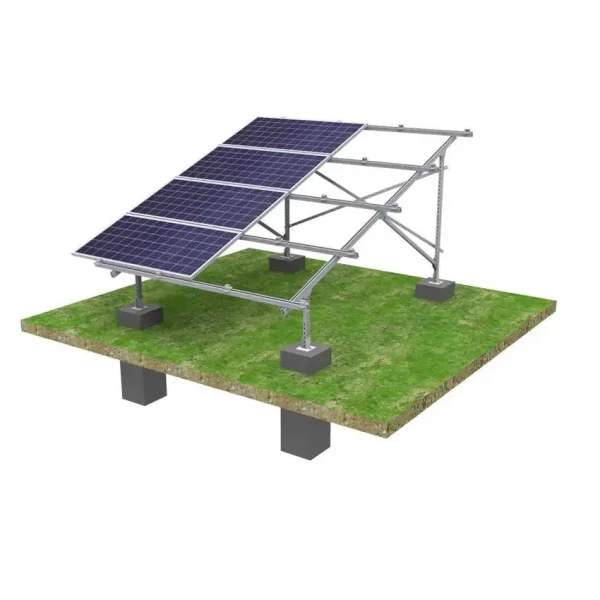
One of the primary benefits of ground-mounted solar systems is the flexibility they offer in design and layout. Unlike roof-mounted panels, which are limited by the shape, size, and orientation of the roof, ground-mounted systems can be installed on open land, allowing for optimal alignment and spacing. This flexibility ensures maximum exposure to sunlight throughout the day, significantly improving energy efficiency. Large solar farms can use single-axis or dual-axis tracking systems to further optimize solar panel positioning and increase electricity generation. Learn more about ground solar mounting systems on our website.
2. Easy Maintenance and Accessibility
Maintenance is a critical factor in large-scale solar projects. Ground-mounted solar systems are easier to access than rooftop installations. Technicians can walk around panels freely, inspect wiring, clean panels, and perform necessary repairs without the safety concerns associated with working at heights. This accessibility reduces downtime and maintenance costs, ensuring that the solar system operates efficiently for its entire lifespan. For professional maintenance tips, check ALV Solar resources.
3. Scalability for Large Projects
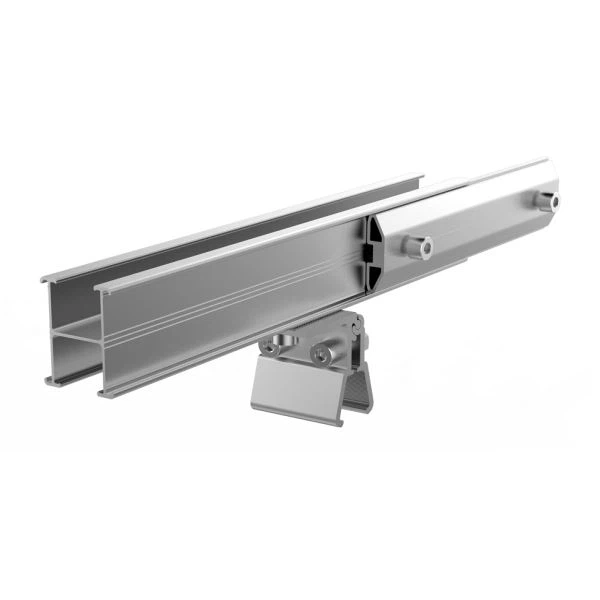
Ground-mounted systems are ideal for scalable projects, from small commercial installations to massive solar farms. As energy demands grow, additional panels can be added with relative ease. The modular nature of ground-mounted systems allows developers to plan phased expansions, adjust configurations, and accommodate future energy storage solutions. Explore our solar carport and mounting solutions for scalable designs.
4. Optimal Energy Production
Energy efficiency and output are key advantages of ground-mounted solar systems. Panels can be installed at the optimal tilt and orientation, ensuring they capture the maximum amount of sunlight. Unlike rooftop panels, which may be shaded by chimneys, trees, or neighboring buildings, ground-mounted panels can be positioned in open spaces with minimal obstructions. Additionally, tracking systems can be integrated into ground-mounted arrays, which follow the sun’s path and can increase energy production by 15-30% compared to fixed systems.
5. Reduced Roof Load and Structural Concerns
Large-scale solar projects often require extensive arrays of panels. Installing such systems on rooftops may not be feasible due to structural limitations. Ground-mounted systems eliminate roof load concerns, as panels are supported by specialized mounting structures directly on the ground. This approach avoids potential damage to roofs and provides peace of mind regarding structural integrity. Learn more about roof vs. ground mounting solutions on ALV Solar.
6. Compatibility with Various Land Types
Ground-mounted solar systems can be installed on a wide range of terrains, including flat fields, sloped areas, and unused agricultural land. They are highly adaptable and can be designed to suit soil conditions and topography. For example, pile-driven mounting structures are commonly used for uneven or soft soil, ensuring stability and durability in all environments.
7. Longer Lifespan and Durability
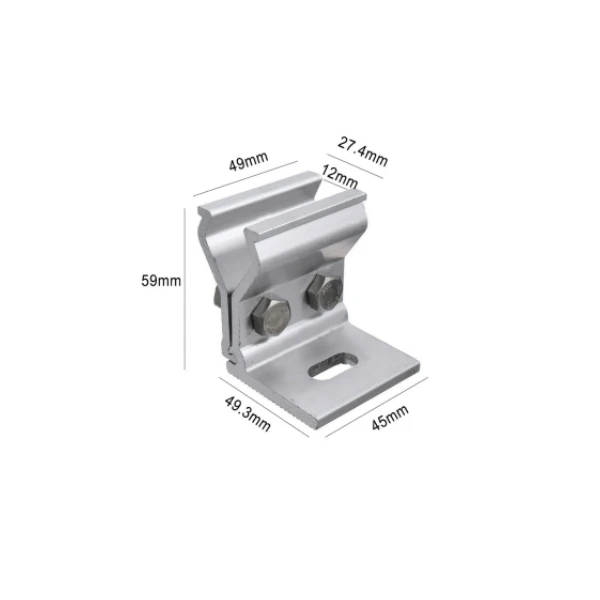
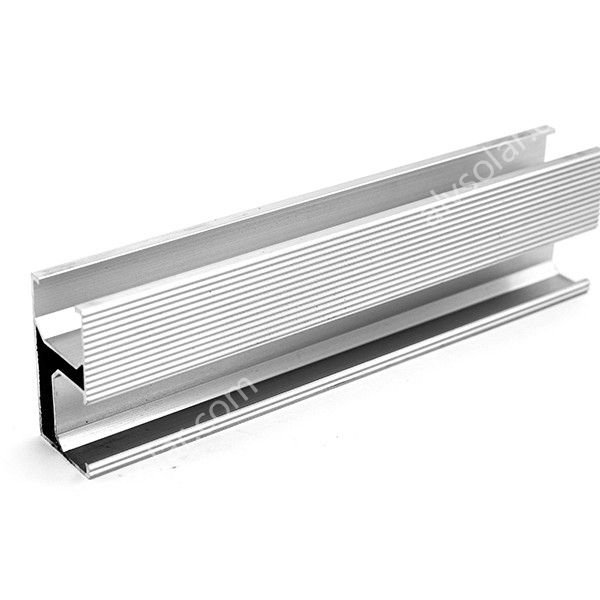
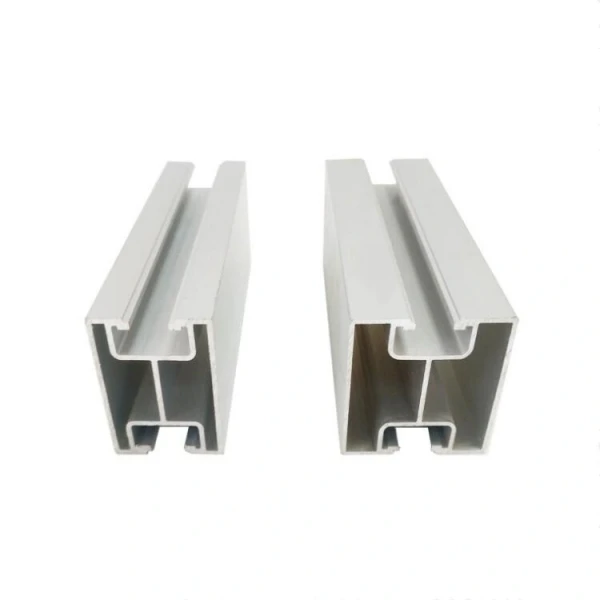
Ground-mounted systems are typically built with robust materials designed to withstand harsh outdoor conditions, including high winds, snow loads, and heavy rainfall. High-quality aluminum and galvanized steel frames, along with corrosion-resistant coatings, ensure longevity. The durability of these systems reduces replacement costs and extends the return on investment for large-scale solar projects. Explore our high-quality solar mounting components for reliable options.
8. Integration with Energy Storage Solutions
Large-scale ground-mounted solar projects often incorporate energy storage systems such as lithium-ion batteries. These systems store excess energy generated during peak sunlight hours for use during nighttime or cloudy periods. The layout of ground-mounted systems allows easy integration with storage units, inverters, and monitoring equipment, enhancing energy reliability and grid independence.
9. Environmental and Aesthetic Considerations
Ground-mounted solar installations can be designed to minimize environmental impact. For example, solar arrays can coexist with agricultural activities, creating “agrivoltaic” systems that allow crops to grow underneath panels. Additionally, careful site planning can reduce soil erosion and protect natural habitats. Visually, panels can be arranged in uniform rows with strategic landscaping to blend with the surroundings, maintaining aesthetic appeal for commercial properties or community solar farms.
10. Cost Efficiency for Large-Scale Installations
While ground-mounted systems may require higher upfront investment compared to rooftop installations, they offer better long-term cost efficiency for large-scale projects. The ability to install a greater number of panels, achieve higher energy output, and simplify maintenance leads to faster payback periods and increased return on investment. Moreover, large projects often benefit from government incentives, tax credits, and renewable energy subsidies, further improving cost-effectiveness.