

ما الفرق بين بلاط الرومان وبلاط ذيل القندس على الأسطح المائلة؟ (2026)

Last Updated: August 26th, 2026
مؤلف: ديفي هوانغ | فريق المبيعات الدولية، ALV
ديفي هوانغ عضو في فريق المبيعات الدولية في شركة ALV، وهي شركة مصنعة لأنظمة تركيب الألواح الشمسية وقطاعات الألمنيوم. وهي تعمل مع مقاولي الهندسة والمشتريات والإنشاءات، والموزعين، ومطوري المشاريع في جميع أنحاء العالم، لمساعدة العملاء على اختيار حلول التركيب المناسبة بناءً على متطلبات المشروع، والمعايير المحلية، والميزانية.
What Are Roman Tiles?
Roman tiles are curved roof tiles with a distinctive wave-like profile consisting of raised sections and water channels. They are commonly used in Mediterranean, European, and traditional residential architecture because they provide efficient rainwater drainage while creating a classic appearance.
The curved design allows water to flow through channels between tiles, reducing the risk of water accumulation. Roman tiles are usually made from clay or concrete and are installed with overlapping rows to create a weather-resistant roof surface.
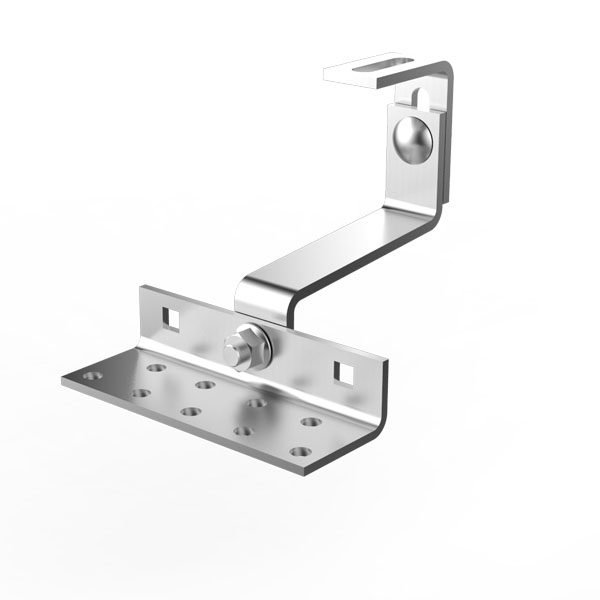
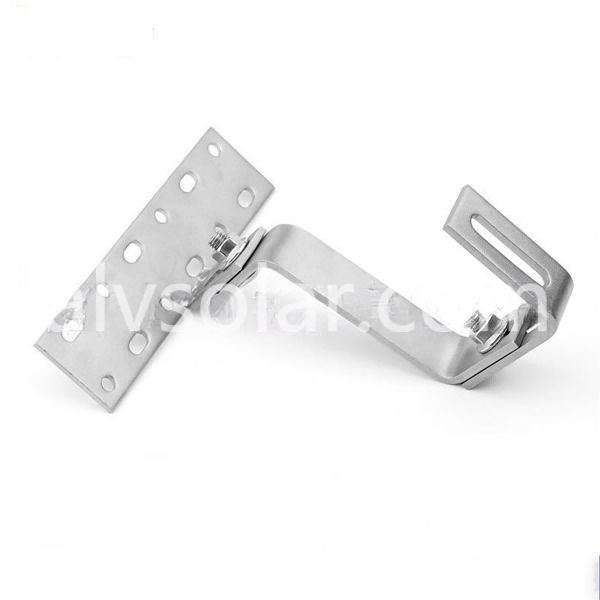
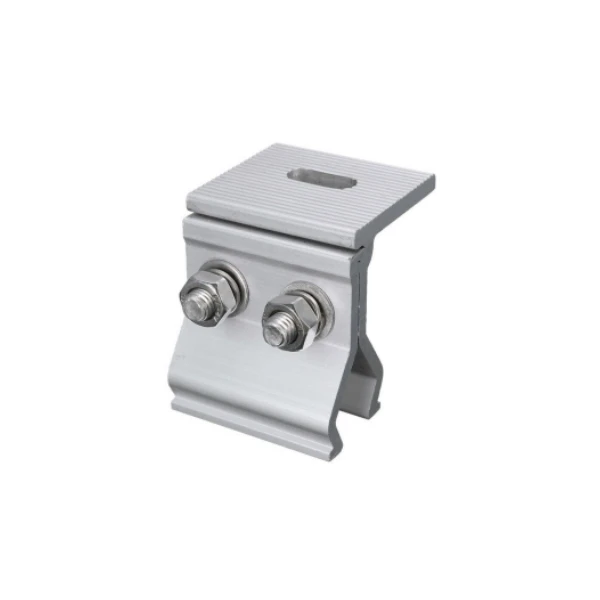
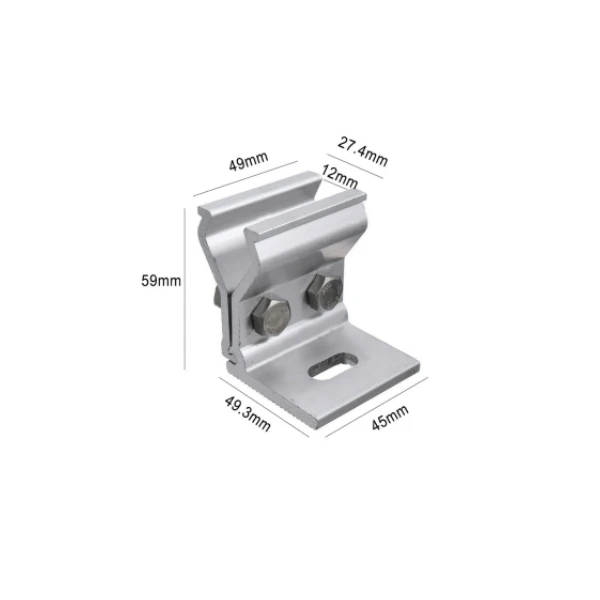
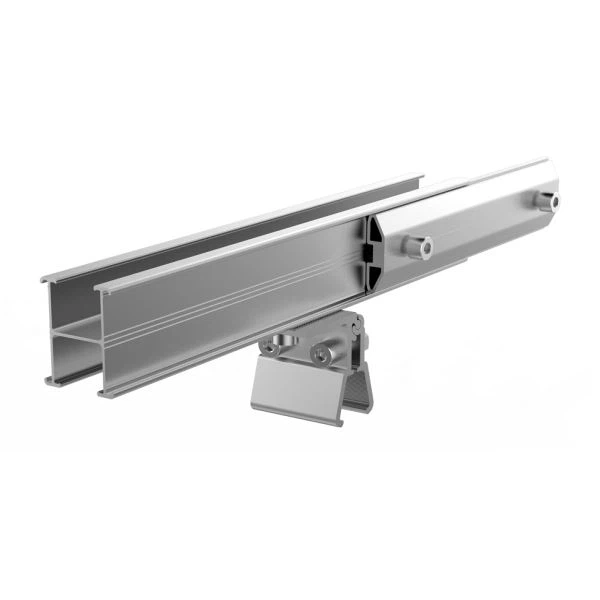
For solar projects, Roman tiles require specially designed roof hooks or brackets because the uneven surface creates additional installation challenges compared with flat roofing systems.
What Are Beaver-Tail Tiles?
Beaver-tail tiles, also called fish-scale tiles or plain rounded tiles, are flat roof tiles with a rounded lower edge that resembles a beaver’s tail. They are widely used in European historic buildings, cottages, and residential projects where architectural appearance is important.
Unlike Roman tiles, beaver-tail tiles have a flatter surface and rely mainly on vertical overlap between tile layers to prevent water penetration. Their smooth appearance makes them popular in areas with strict aesthetic requirements.
However, the flat overlapping structure means installers must carefully consider ventilation, waterproofing, and fixing methods when installing solar panels.
Roman Tiles vs Beaver-Tail Tiles: Key Differences
The main difference between Roman tiles and beaver-tail tiles is their profile design. Roman tiles use curved channels to guide water, while beaver-tail tiles use layered overlap to provide protection.
| Comparison | Roman Tiles | Beaver-Tail Tiles |
| Tile Shape | Curved profile with raised waves | Flat tile with rounded bottom edge |
| Common Material | Clay, concrete | Clay, slate, concrete |
| Appearance | Mediterranean and traditional style | Classic European and historical style |
| Water Drainage | Excellent due to curved channels | Good with proper overlap |
| Installation Method | Requires precise alignment | Requires accurate overlapping |
| Typical Weight | Approx. 40–60 kg/m² | Approx. 50–70 kg/m² |
| Roof Pitch Requirement | Usually 25°–45° depending on design | Commonly 35° or higher |
| Solar Mounting Difficulty | Medium to high | واسطة |
| صيانة | قليل | Low to moderate |
| Cost Range | Around $25–$50/m² installed | Around $30–$60/m² installed |
Source references: Roof tile weight and installation requirements vary by manufacturer. European roof design practices commonly follow standards such as EN 1991-1-4for wind actions and local roofing installation standards such as BS 5534.
Which Roof Tile Is Better for Solar Panel Installation?
For solar installations, neither Roman tiles nor beaver-tail tiles is universally better. The most important factors are roof structure, tile condition, wind load, and mounting system design.
Roman tiles may require adjustable hooks because the curved profile creates different fixing heights. Poorly selected hooks can create uneven pressure points and potentially damage tiles.
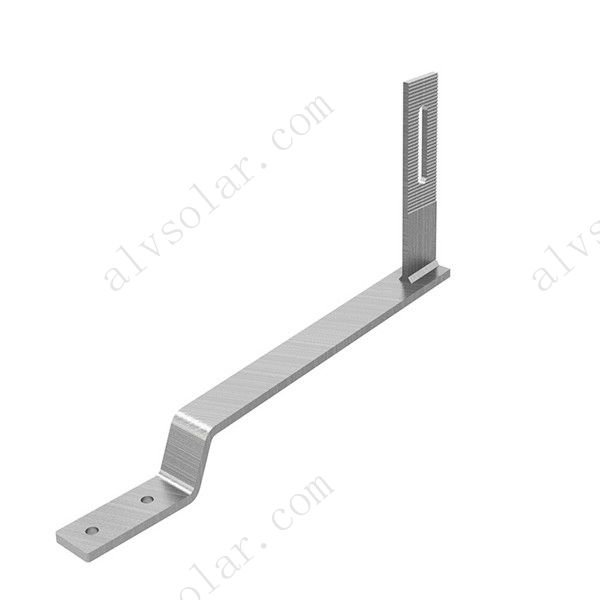
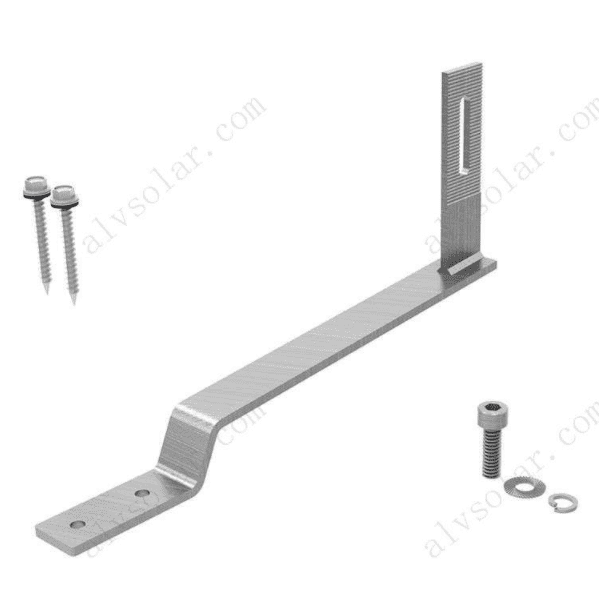
Beaver-tail tiles usually provide a flatter fixing surface, but installers must avoid excessive pressure on overlapping tile areas. Professional solar mounting suppliers normally provide roof-specific brackets to maintain waterproofing performance.
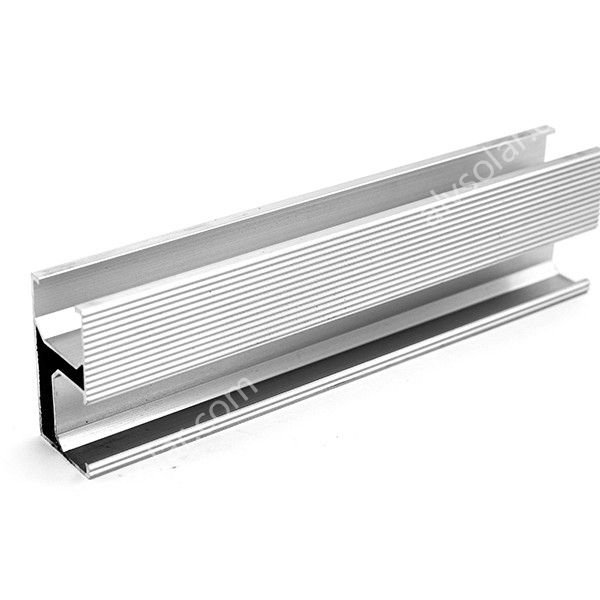
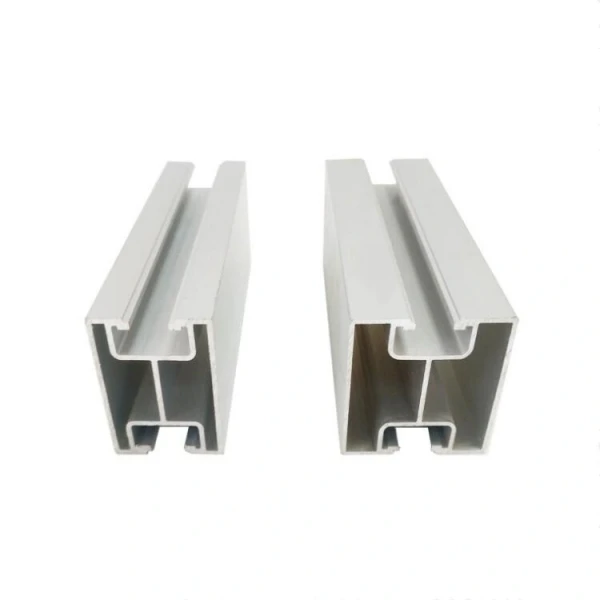
ALV designs solar mounting solutions according to roof conditions, including tile type, roof slope, wind load, and module layout. A customized mounting design helps reduce installation problems and improves long-term system reliability.
How Do Roof Tiles Affect Solar Mounting System Design?
Roof tile selection directly affects the type of mounting components required. The roof hook, bracket height, fixing position, and waterproofing method must match the tile profile.
For example:
- Roman tile roofs often require adjustable tile hooks or higher clearance brackets.
- Beaver-tail tile roofs may require narrower hooks to fit between tile overlaps.
- Older roofs may require structural inspection before adding solar panels.
وفق the International Energy Agency (IEA), solar PV deployment continues to expand rapidly worldwide, making reliable rooftop integration increasingly important. Proper mounting design is essential because solar systems are expected to operate for 25 years or more.
Roof Load Considerations Before Installing Solar Panels
Before installing solar panels on tiled roofs, engineers should evaluate:
- Existing roof structure strength
- Tile condition and age
- Wind load requirements
- Snow load requirements
- Solar panel weight and mounting load
In Europe, structural calculations commonly reference Eurocode EN 1991, which defines actions on structures including wind and snow loads.
For photovoltaic systems, module performance standards such as IEC 61215 ensure solar modules meet durability requirements, while mounting systems must be designed according to local structural regulations.
Reference Standards:
- EN 1991-1-3: Snow loads on structures
- EN 1991-1-4: Wind actions on structures
- IEC 61215: Terrestrial photovoltaic module performance testing
- ISO 9227: Corrosion testing for protective coatings
Roman Tiles vs Beaver-Tail Tiles: Which One Lasts Longer?
Both Roman tiles and beaver-tail tiles can provide decades of service when properly installed and maintained.
High-quality clay roof tiles commonly achieve lifespans of 50 years or more. Concrete tiles typically last around 30–50 years depending on environmental conditions.
However, the roof structure and installation quality usually have a greater impact on lifespan than the tile shape itself.
For solar projects, ALV recommends evaluating both the tile condition and mounting structure because photovoltaic systems typically have a designed service life of 25–30 years.
How ALV Helps With Tile Roof Solar Mounting Solutions
ALV provides customized photovoltaic mounting systems for residential, commercial, and industrial solar projects.
Our engineering team considers:
- Roof tile type
- Roof slope
- Wind and snow loads
- Module arrangement
- Installation requirements
- Long-term durability
Whether the project uses Roman tiles, beaver-tail tiles, or other European roof types, ALV develops mounting solutions designed for secure installation and reliable performance.
Frequently Asked Questions (FAQ)
1. Are Roman tiles stronger than beaver-tail tiles?
Roman tiles are not necessarily stronger. Their durability depends mainly on material quality, manufacturing process, and installation method.
2. Can solar panels be installed on Roman tile roofs?
Yes. Solar panels can be installed on Roman tile roofs using suitable roof hooks and mounting brackets designed for curved profiles.
3. Are beaver-tail tiles suitable for solar mounting?
Yes. Beaver-tail tile roofs can support solar panels when the roof structure is strong and the correct mounting hardware is used.
4. Which roof tile is more expensive?
Beaver-tail tiles are often more expensive because they are frequently used in premium architectural projects and require more installation labor.
5. Do solar panels damage roof tiles?
Properly designed solar mounting systems should not damage roof tiles. Professional installers avoid excessive pressure and use suitable fixing points.
6. How long do tile roofs last with solar panels?
A properly maintained tile roof can last 30–50+ years, while solar mounting systems are generally designed for 25–30 years of service.
7. What information does ALV need for a tile roof solar project?
ALV recommends providing:
- Roof photos or drawings
- Tile type (Roman, Beaver-tail, flat tile, etc.)
- Roof slope
- Project location
- Wind and snow load requirements
- Solar module specifications
Need a Solar Mounting Solution for Your Tile Roof Project?
ALV provides engineered solar mounting systems for different sloped roof types, including Roman tiles, Beaver-tail tiles, and other European roofing structures.
اتصال ALV today to get a customized solar mounting recommendation and project quotation.