

2026 Innovation in Solar Racking Systems – How Faster Installation and Sustainable Materials Take Center Stage

ال solar racking systems industry is experiencing a wave of innovation at major trade events in 2026. At Intersolar Europe and SNEC Shanghai, manufacturers unveiled next-generation solutions focused on installation speed, sustainability, and adaptability to challenging terrain. These developments are reshaping the solar racking market landscape.
Speed and Stability Define New Solar Racking Systems
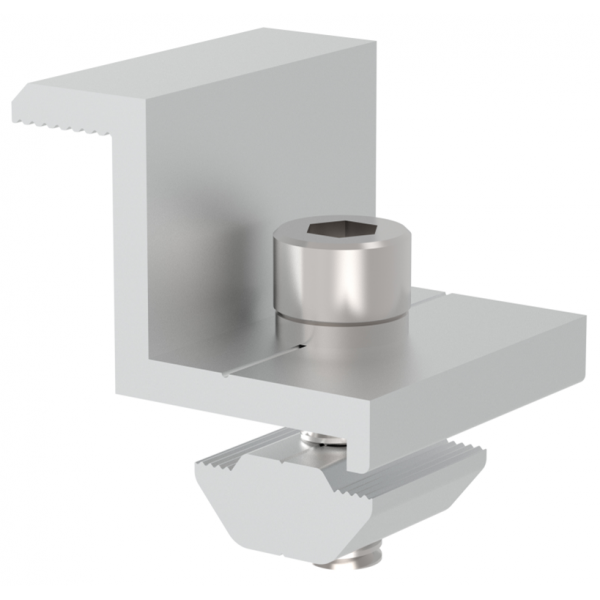
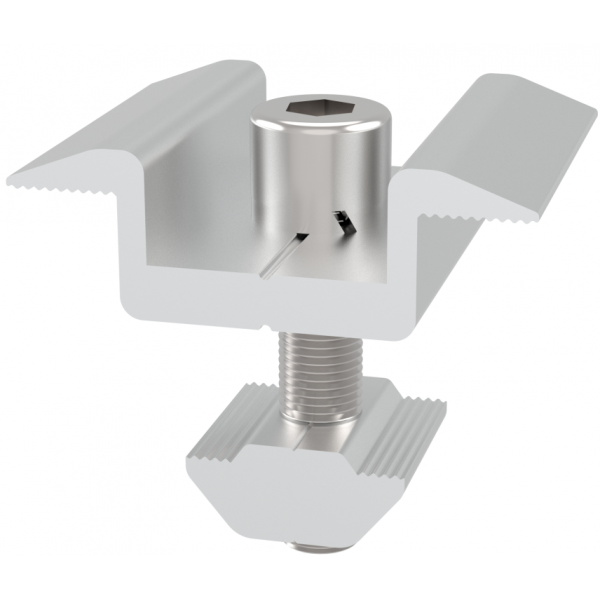
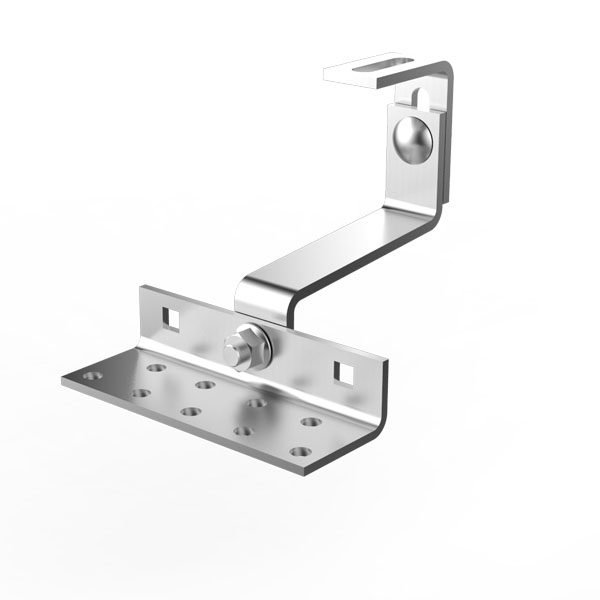
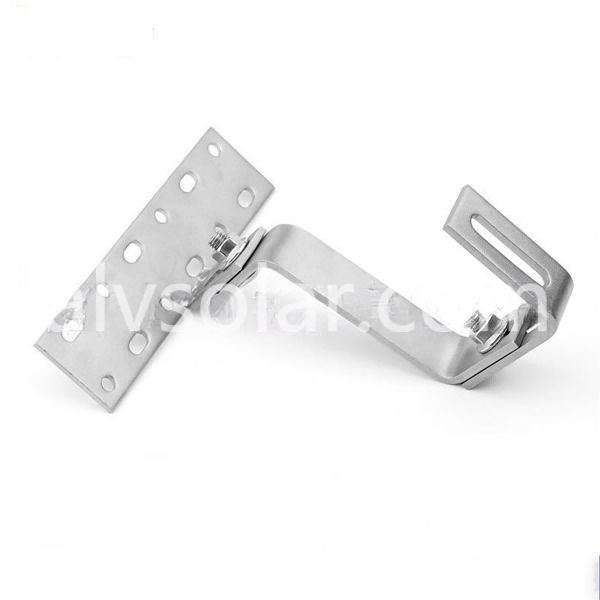
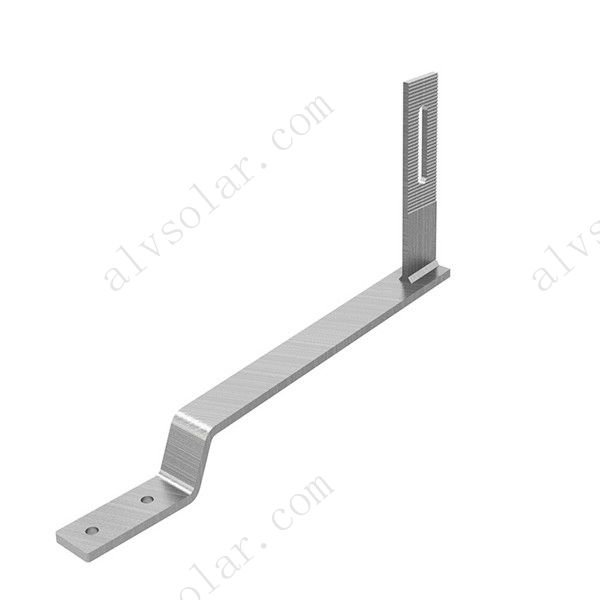
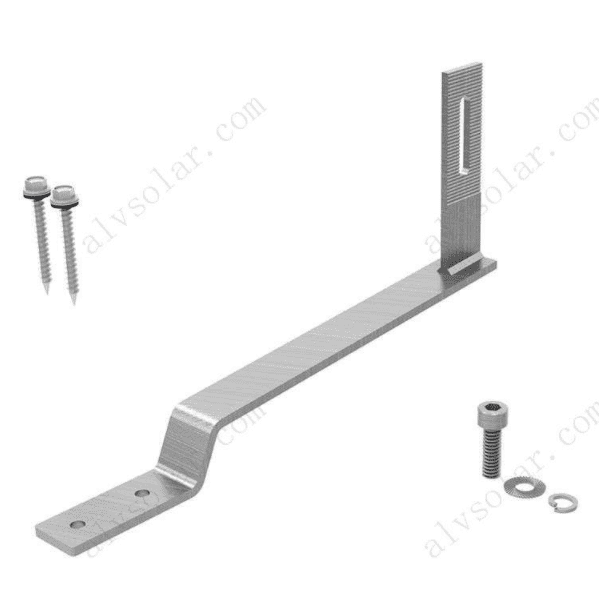
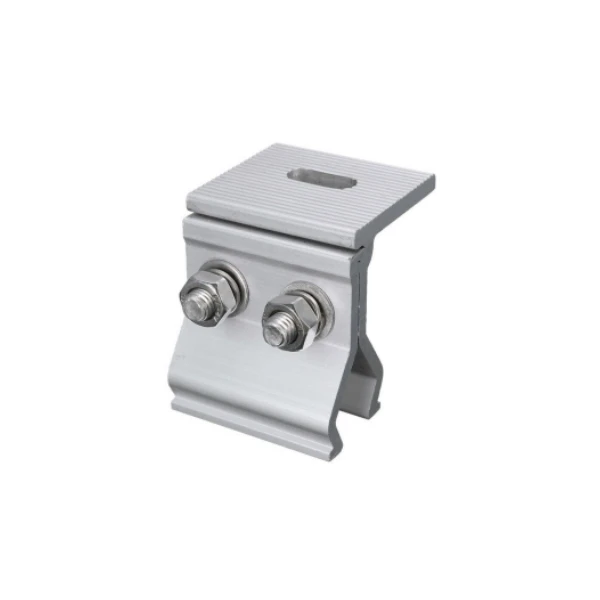
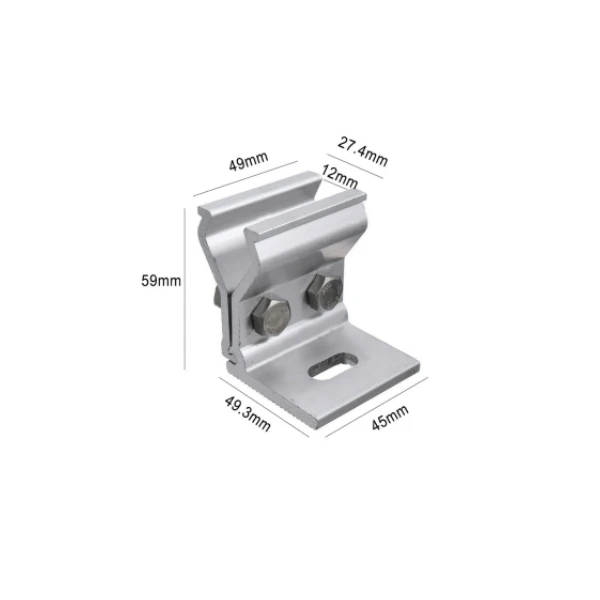
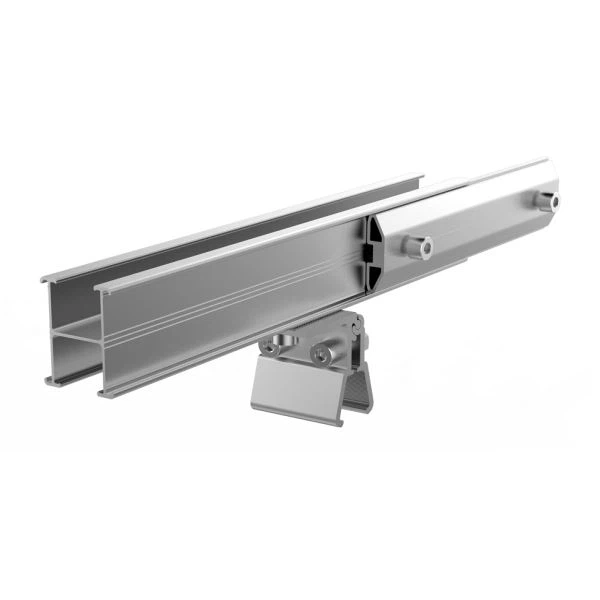
Speed and stability dominated mounting innovation at KEY 2026 in Rimini, with SL Rack presenting updated roof tile and clamp systems designed for faster installation. An optimized clamp featuring a larger screw head speeds up installation while enhancing stability by reducing twisting and bending .
For trapezoidal sheet metal roofs, SL Rack offers the Trapez-6 clamp made of EPDM — self-sealing, UV-resistant, and capable of compensating for thermal expansion — with an optional metal cover providing additional protection .
Antaisolar introduced its AT-Spark tracker at SNEC 2026, which delivers a 40% increase in structural stiffness and 50% higher strength, making it ideal for large-scale and complex terrain projects. The modular design accelerates installation, while the SmartTrail control system optimizes energy yield through intelligent tracking .
Cable-Supported Systems Open New Frontiers
One of the most innovative developments in solar racking systems comes from HYPSET, which presented a cable-supported flexible PV mounting system at SNEC 2026. The system uses steel cables to support PV modules across spans of 20 to 70 meters, with ground clearances of 2 to 15 meters .
This design is particularly suited for challenging sites where conventional mounting structures are difficult to install — including mountainous terrain, ravines, mined-out areas, and fish ponds. For mountainous projects, the system supports terrain inclinations of up to 45° and can increase land utilization to as much as 99% when combined with conventional fixed mounting structures in a hybrid layout
Sustainability Enters Solar Racking Systems Design
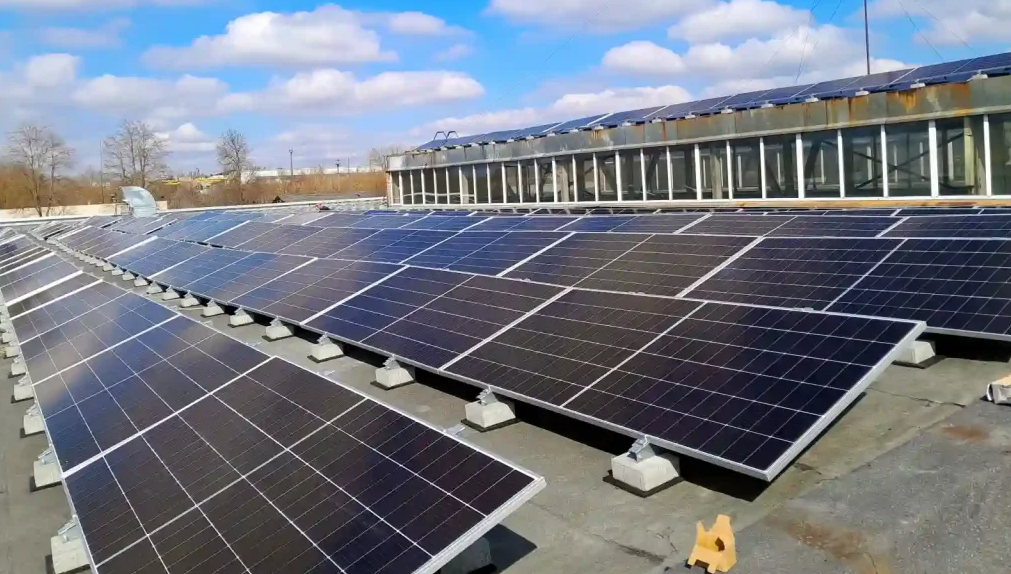
Environmental considerations are increasingly influencing solar racking systems design. Netherlands-based Sunbeam highlighted its SUPRA flat-roof mounting system and the SUPRA ReSourced version at Intersolar Europe 2026. SUPRA ReSourced replaces standard steel with steel containing 88% recycled material, produced from scrap using an electric arc furnace powered by renewable electricity. According to Sunbeam, this reduces the mounting system’s project-level CO₂ emissions by at least 50% compared with the standard version .
Meanwhile, Schletter extended its FixGrid Pro flat-roof system to accommodate green-roof build-ups of up to 35 cm, requiring only one additional component while retaining existing system components and a largely tool-free installation process .
Market Transition and Hybridization Trends
According to industry experts, the solar racking market is also seeing a shift in developer priorities. Ángel Alegría, Head of Commercial at Schletter, noted that developers are increasingly seeking bankable, robust, and hybrid-ready mounting structures as the solar industry seeks to reduce technical and financial risks .
“Mounting systems are being sought that can integrate into hybrid systems or hybrid plants without increasing project risks,” Alegría explained, highlighting growing demand for structures compatible with battery energy storage systems. He also noted that choice between solar trackers and fixed-tilt structures increasingly depends on terrain characteristics and market conditions — while Spain remains clearly dominated by trackers, markets like the Dominican Republic favor fixed-tilt solutions due to strong wind speeds.
ال global solar racking market is tracking forward at a CAGR close to 10% from 2024 to 2030, with fixed-track mounts continuing to dominate large-scale projects. The off-grid segment is growing even faster at a projected 14% CAGR through 2030, driven by electrification programs in South Asia and sub-Saharan Africa
Future-Proofing Your Project with the Best Mounting Structure
يشهد سوق التركيبات تطوراً سريعاً. ثلاثة اتجاهات هي الأكثر أهمية بالنسبة للمركبين ومطوري المشاريع في عام 2026 :
- مكونات خفيفة الوزن مجمعة مسبقًا: يقوم المصنّعون بشحن كميات أكبر من القضبان والمشابك وأرجل الإمالة المُجمّعة مسبقًا. وتزعم بعض الأنظمة أنها توفر تركيبًا أسرع بنسبة 30-40% مقارنةً بالقضبان التقليدية المُصنّعة يدويًا.
- أنظمة الأسقف غير المخترقة وذات الحصى المنخفض: تُعدّ أسطح المباني التجارية القديمة سوقاً متنامية. تعمل أنظمة الحصى المنخفض والمواد اللاصقة على تقليل أو إزالة الثقوب مع تقليل الحمل الهيكلي.
- التوافق مع الوجهين: تلتقط الألواح ثنائية الوجه الضوء المنعكس من الأرض أو سطح السقف. أفضل هيكل تثبيت للألواح الشمسية يجب ترك الجانب الخلفي مفتوحًا - يمكن أن تحجب القضبان العريضة أو الدعامات المتقاطعة في المكان الخطأ ضوء الجانب الخلفي وتقلل من كسب الوجهين.
عند اختيارك هيكل تثبيت الألواح الشمسية, verify rail compatibility with panel thickness, use a calibrated torque wrench (hand-tight is not a specification), and match the corrosion protection class to the environment—not to the lowest bid