

How to Choose an OEM Solar Mounting Manufacturer in China?(2026)

Last Updated: September 8th, 2026
مؤلف: ديفي هوانغ | فريق المبيعات الدولية، ALV (عنوان البريد الإلكتروني:sales@xmalv.com)
ديفي هوانغ عضو في فريق المبيعات الدولية في شركة ALV، وهي شركة مصنعة لأنظمة تركيب الألواح الشمسية وقطاعات الألمنيوم. وهي تعمل مع مقاولي الهندسة والمشتريات والإنشاءات، والموزعين، ومطوري المشاريع في جميع أنحاء العالم، لمساعدة العملاء على اختيار حلول التركيب المناسبة بناءً على متطلبات المشروع، والمعايير المحلية، والميزانية.
1. Check Whether the Manufacturer Has Real OEM/ODM Capability
A genuine OEM solar mounting manufacturer should be able to modify products according to your drawings, module dimensions, roof type, loading requirements, branding, packaging, and installation method.
Ask the supplier:
- Can you manufacture according to our drawings?
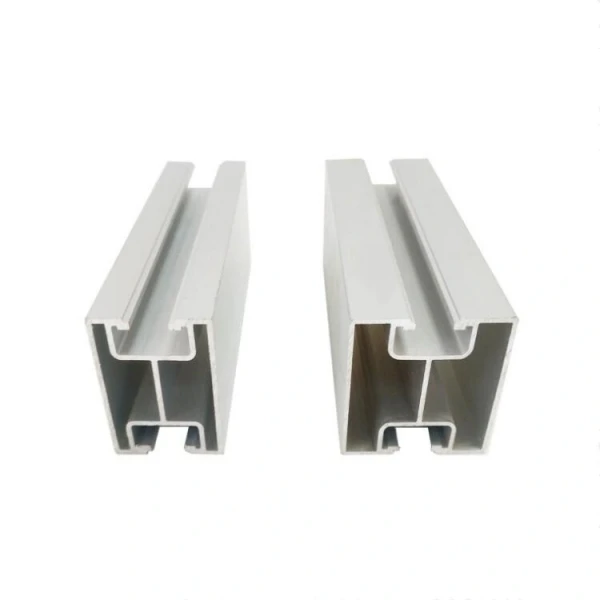
- Can you provide customized profiles and components?
- Can you support private-label packaging?
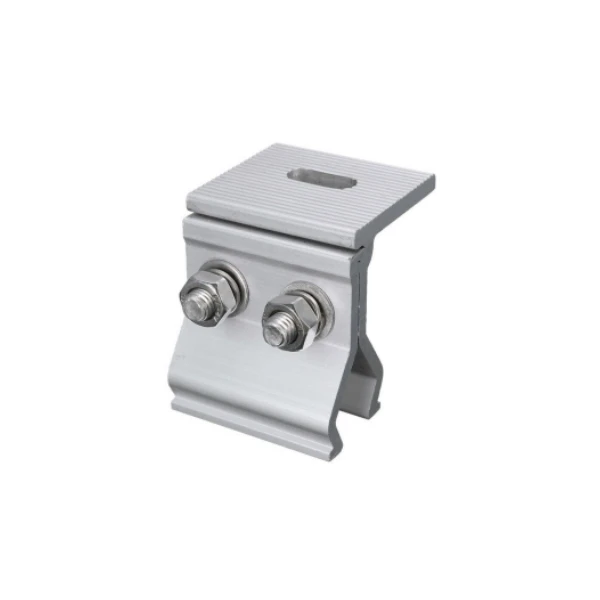
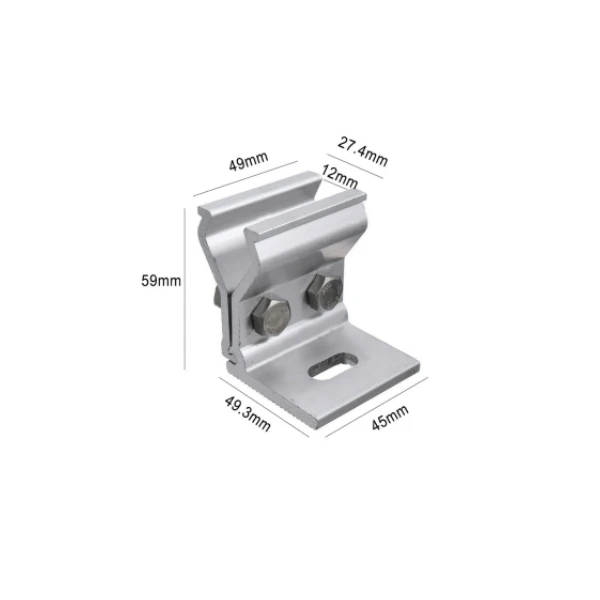
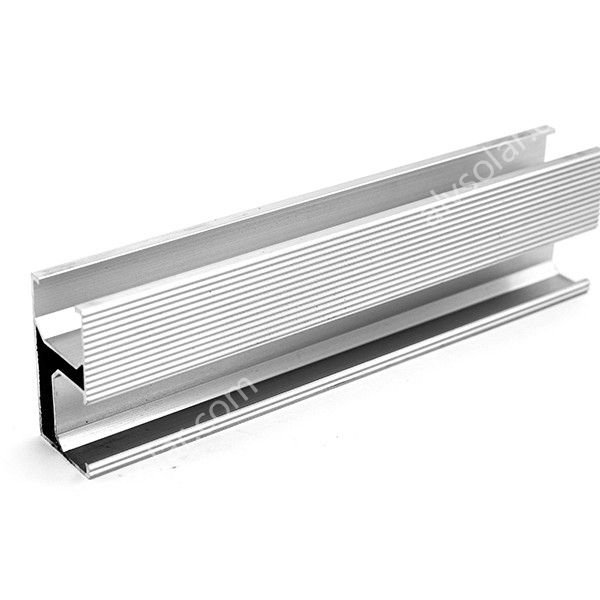
- Can you modify clamps, rails, brackets, or connectors?
- Can your engineers create project-specific designs?
OEM is particularly important when you are building your own solar mounting brand. A supplier that only sells catalog products may not provide enough flexibility for your long-term business.
ALV supports OEM/ODM solar mounting projects and provides customized roof, ground-mount, and solar carport solutions for international customers. ALV’s production and engineering capabilities are designed to support customers requiring customized components, packaging, and project-specific mounting solutions.
2. Evaluate Engineering Capability Before Comparing Prices
A solar mounting system is a structural product, not simply a collection of aluminum rails and clamps.
The manufacturer should be able to evaluate:
- Project location
- Wind speed
- Snow load
- Seismic conditions
- Roof structure
- Roof slope
- Module dimensions and weight
- Module layout
- Foundation conditions
- Corrosion environment
IEC 62548-1 includes design requirements for PV arrays and its latest consolidated version includes revised provisions related to mounting structures. The standard also addresses the importance of appropriate design requirements for PV systems.
For U.S. projects, structural design may also need to consider applicable building codes and load combinations involving dead, wind, snow, and seismic forces using ASCE 7, depending on the project and jurisdiction.
Therefore, ask for structural calculations or engineering documentation, rather than accepting a statement such as “our system is strong enough.”
3. Compare Materials and Corrosion Protection
Material selection directly affects system weight, strength, corrosion resistance, installation efficiency, and lifecycle performance.
| مادة | التطبيق النموذجي | Advantages | Points to Check |
| 6000-series aluminum | Rooftop, residential, commercial | Lightweight, corrosion resistant, easy installation | Alloy, temper, extrusion quality |
| Hot-dip galvanized steel | Ground mount, large projects | High structural strength, economical for large structures | Coating thickness, galvanizing quality |
| ZAM-coated steel | Ground and rooftop systems | Strong corrosion resistance | Coating specification and supplier consistency |
| SUS304 stainless steel | Clamps and fasteners | Good corrosion resistance | Grade and mechanical properties |
| SUS316 stainless steel | المناطق الساحلية/المناطق ذات التآكل العالي | Higher corrosion resistance | Cost and actual material grade |
For rooftop systems, aluminum is often attractive because of its low weight and corrosion resistance. For large ground-mounted projects, galvanized or coated steel can provide an efficient balance between structural strength and cost.
The important point is to verify the specification rather than relying on the material name alone.
For example, ALV specifies 6063-T5 aluminum and SS304/SS316 stainless-steel fasteners for its mounting solutions, with material selection adapted to different installation environments.
4. Verify Quality Management and Factory Control
A manufacturer should have a documented quality-control process covering incoming materials, production, inspection, and final shipment.
A useful supplier audit should check:
| Quality Item | What to Verify |
| Raw materials | Mill certificates/material specifications |
| Incoming inspection | IQC procedures |
| Production | IPQC records |
| Final inspection | OQC procedures |
| Dimensions | Tolerance inspection |
| Surface treatment | Coating/anodizing inspection |
| Fasteners | Material and grade verification |
| التغليف | Drop/transport protection |
| Traceability | Batch or production records |
ALV states that it operates under an ISO 9001:2015 quality-management system, with IQC, IPQC, and OQC procedures, and has undergone SGS factory auditing.
For OEM buyers, this matters because inconsistent dimensions between production batches can create installation problems even when the product looks acceptable during a sample inspection.
5. Check the Standards and Certifications Required in Your Market
Do not ask only, “Do you have certificates?”
Instead, ask:
“Which exact product, component, configuration, and market does this certificate cover?”
| Market / Requirement | Standard or Reference | What It Helps Address |
| United States | UL 2703 | PV mounting systems, mounting devices, clamps, retention devices and grounding components |
| Europe / International | IEC 62548-1 | PV array design requirements |
| U.S. structural design | ASCE 7 | Wind, snow, seismic and other structural loads |
| Europe | EN 1991 | Structural actions/load considerations |
| Corrosion testing | ISO 9227 | Salt-spray corrosion testing |
| Manufacturing management | ISO 9001 | Quality-management system |
UL 2703 specifically covers PV mounting systems, mounting devices, clamping/retention devices, and grounding components. Its current 2026 revision was approved on April 28, 2026.
Importantly, UL 2703 does not replace all structural requirements. The standard itself notes that applicable building codes can impose additional structural requirements, including load combinations using ASCE 7.
Therefore, a good OEM manufacturer should understand the difference between product certification, electrical/bonding requirements, and project-specific structural compliance.
6. Compare Installation Efficiency, Not Just Product Price
The cheapest quotation may not be the lowest-cost solution.
For EPC contractors, total cost can include:
Product cost + shipping + labor + installation time + rework + maintenance + replacement risk.
A mounting system with pre-assembled components, optimized rail lengths, fewer fasteners, and clear installation instructions may reduce onsite labor even if its purchase price is slightly higher.
NREL’s distributed-solar quality research highlights the importance of proper component selection, installation practices, compatible materials, and following module manufacturers’ installation requirements.
When comparing OEM suppliers, therefore, request:
- Installation drawings
- Component lists
- Assembly instructions
- Recommended tools
- Estimated installation time
- Packaging details
- Spare-component recommendations
ALV provides technical documentation, customized system design, layout recommendations, structural calculations, and installation guidance as part of its project support.
7. Verify Production Capacity and Delivery Reliability
OEM buyers should evaluate whether the manufacturer can maintain consistent production during large or repeated orders.
Ask for evidence of:
- Production facility
- Number of production workers
- Main production equipment
- Extrusion or forming capabilities
- Surface-treatment capabilities
- Monthly production capacit
- Quality-control procedures
- Previous export markets
- Typical lead time
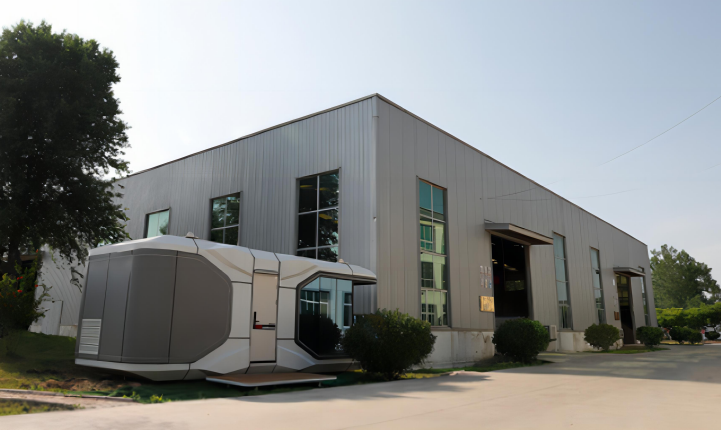
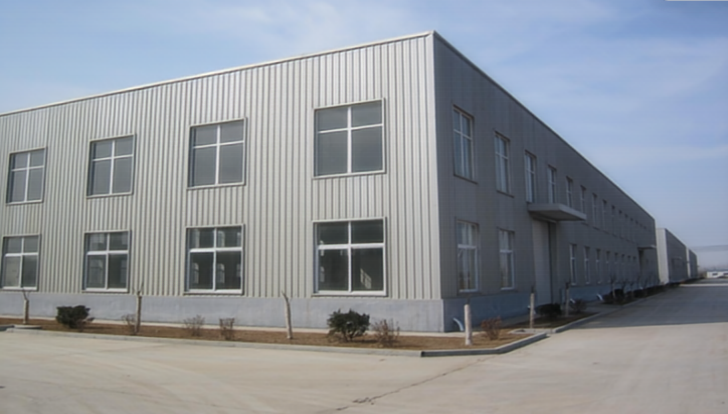
ALV reports a production facility in Zhangzhou, China, with more than 200 skilled workers, supported by an ISO 9001 quality system and SGS auditing.
A supplier should also provide a realistic production schedule instead of promising an unrealistically short lead time simply to win the order.
8. Evaluate Communication and Technical Support
For OEM solar mounting projects, communication quality can directly affect project risk.
A reliable manufacturer should be able to respond clearly to questions about:
- Technical drawings
- Material specifications
- Load calculations
- Product modifications
- التغليف
- Installation
- Replacement parts
- Quality issues
This is especially important when the buyer and manufacturer are working across different languages, time zones, and building-code systems.
A supplier such as ALV can be more valuable when it acts as an engineering partner rather than simply a hardware vendor, helping customers translate project requirements into manufacturable mounting solutions.
9. Compare Suppliers Using a Total-Value Scorecard
Instead of selecting a supplier based on price alone, use a weighted evaluation.
| Evaluation Factor | Suggested Weight |
| Engineering capability | 20% |
| Product/material quality | 20% |
| OEM/ODM capability | 15% |
| Certifications/compliance | 15% |
| Manufacturing and QC | 10% |
| Delivery reliability | 10% |
| Technical/after-sales support | 10% |
This approach helps EPC companies and distributors identify suppliers that can provide reliable long-term value.
For example, a supplier offering a 5% lower price but requiring more installation labor, providing weaker documentation, or creating higher rework risk may have a higher total project cost.
Why Consider ALV as Your OEM Solar Mounting Partner?
ALV provides roof mounting systems, ground-mounted systems, solar carport systems, and mounting accessories, with OEM/ODM customization available. The company combines solar mounting manufacturing with aluminum-processing capabilities and supports customized solutions for international customers.
For project-based customers, ALV focuses on matching the mounting solution to roof type, module configuration, wind and snow loads, material requirements, local standards, and installation conditions rather than simply selling a standard product.
That makes ALV a potential fit for EPC contractors, distributors, installers, and solar developers looking for a Chinese OEM supplier that can support both product manufacturing and project engineering.
الأسئلة الشائعة
1. What should I look for in a Chinese OEM solar mounting manufacturer?
Prioritize engineering capability, material quality, quality control, OEM/ODM flexibility, certifications, production capacity, delivery reliability, and technical support.
2. Is the cheapest Chinese solar mounting supplier the best choice?
Not necessarily. Evaluate total cost, including product price, shipping, installation labor, rework, maintenance, and long-term reliability.
3. What certifications should a solar mounting manufacturer have?
Requirements depend on the target market. U.S. projects may require UL 2703 and applicable building-code compliance, while international projects may reference IEC standards and regional structural codes.
4. Can Chinese manufacturers provide customized solar mounting systems?
Yes. Many Chinese manufacturers provide OEM/ODM services, including customized rails, brackets, clamps, packaging, dimensions, and project-specific structures. However, buyers should verify the manufacturer’s actual engineering and production capabilities.
5. Should I choose aluminum or steel for solar mounting?
It depends on the project. Aluminum is often advantageous for rooftop and corrosion-sensitive applications because of its lightweight and corrosion-resistant characteristics, while galvanized or coated steel is commonly considered for large ground-mounted structures where high structural strength and cost efficiency are important.
6. What information should I send to an OEM manufacturer for a quotation?
Provide the project location, roof or ground type, module brand/model and dimensions, module layout, roof slope, wind speed, snow load, seismic requirements where applicable, foundation information, quantity, and required certifications.
7. How can I verify whether a supplier is a real manufacturer?
Request factory photos/videos, production information, quality-management documents, material certificates, inspection records, sample products, and—when practical—an independent factory audit.
8. Can ALV provide OEM/ODM solar mounting solutions?
Yes. ALV supports OEM/ODM customization and provides roof, ground, carport, and related solar mounting solutions. ALV also supports project-specific engineering, technical documentation, and installation guidance.
Conclusion
Choosing an OEM solar mounting manufacturer in China should be treated as a technical and commercial evaluation, not simply a price comparison.
The strongest supplier should demonstrate engineering competence, consistent manufacturing quality, appropriate certifications, material traceability, OEM flexibility, reliable delivery, and responsive technical support.
China’s extensive PV manufacturing ecosystem gives international buyers many options, but the right partner is the manufacturer that can consistently convert your project requirements into a safe, compliant, installable, and commercially competitive mounting system.
ALV can support your next OEM solar mounting project with customized design, engineering support, manufacturing, documentation, and global project assistance.
Ready to evaluate your project? Send ALV your module dimensions, project location, roof/ground type, wind and snow loads, and estimated quantity to receive a customized mounting-system recommendation.
Contact: sales@xmalv.com