

Aluminum vs. Steel Solar Mounting Systems: Which Material Is Better for Your Solar Project in 2026?

Letzte Aktualisierung: July 23rd,2026
Autor: Devi Huang | Internationales Vertriebsteam ALV
Devi Huang ist Teil des internationalen Vertriebsteams von ALV, einem Hersteller von Solarmontagesystemen und Aluminiumprofilen. Sie arbeitet weltweit mit Generalunternehmern, Distributoren und Projektentwicklern zusammen und unterstützt Kunden bei der Auswahl der passenden Montagelösungen unter Berücksichtigung von Projektanforderungen, lokalen Normen und Budget.
Aluminum vs. Steel Solar Mounting Systems: Which Material Is Better for Your Solar Project in 2026?
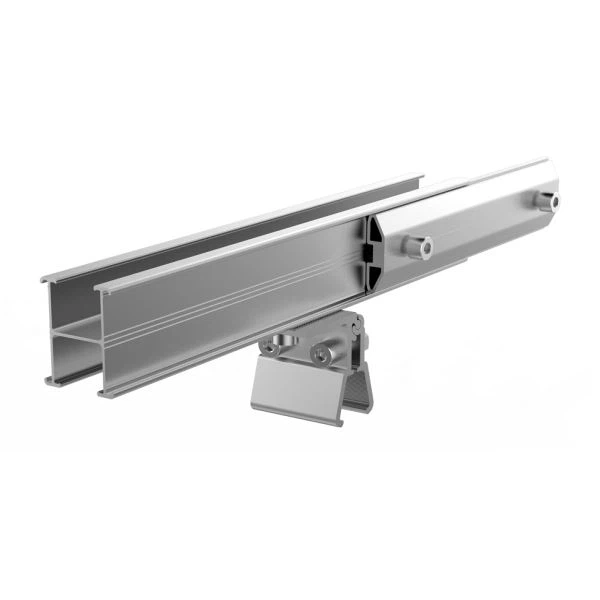
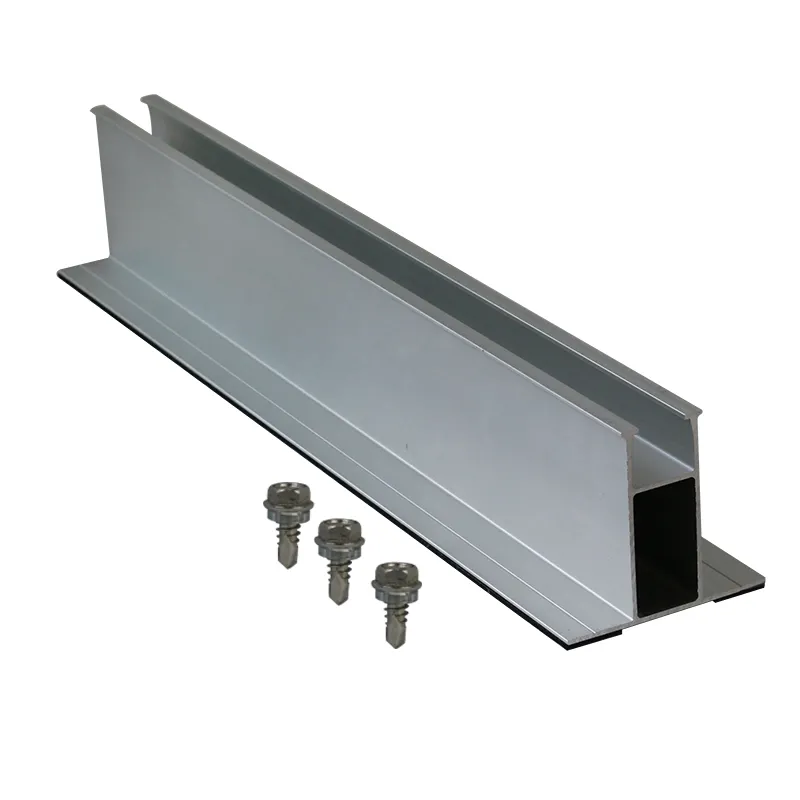
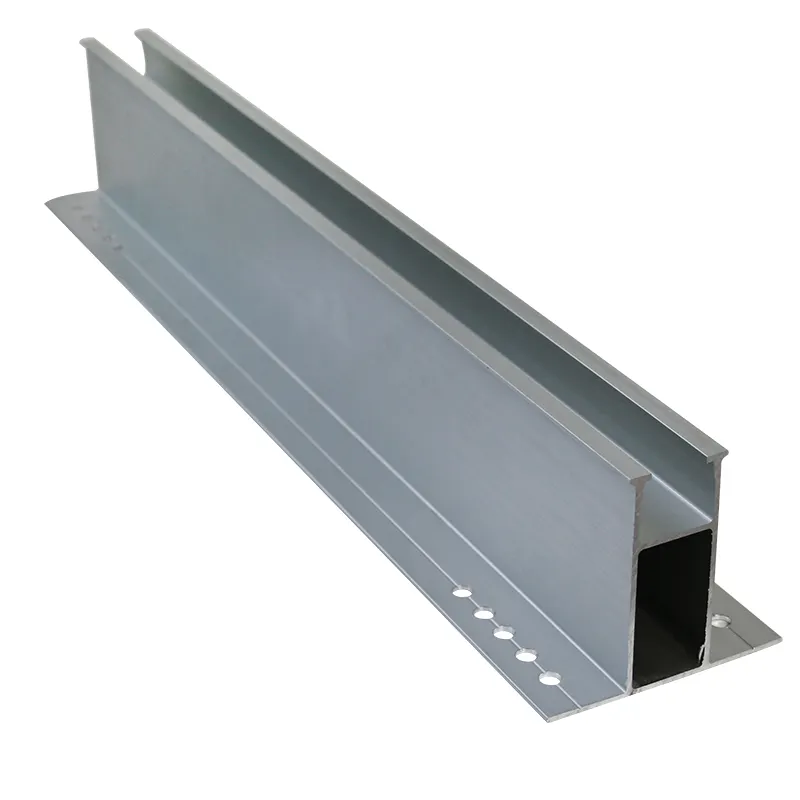
There is no single “best” material for every solar project. Aluminum solar mounting systems are generally the better choice for rooftop installations because they are lightweight and highly corrosion-resistant, while steel mounting systems are often preferred for large ground-mounted solar farms due to their superior strength and lower material cost. The right option depends on your project type, installation environment, budget, and local engineering requirements.
As global solar installations continue to grow, selecting the right mounting material has become increasingly important. According to the Internationale Energieagentur (IEA), global renewable capacity additions reached a record 800 GW in 2025, with solar PV accounting for more than three-quarters of all new renewable capacity additions. Global solar PV installations also surpassed 600 GW for the first time, highlighting the continued expansion of the solar industry. As projects become larger and more diverse, selecting the right mounting material is increasingly important for long-term performance and cost efficiency.Solar PV is expected to account for almost 80% of global renewable capacity growth through 2030.(https://www.iea.org/reports/renewables-2025)
This guide compares aluminum and steel solar mounting systems from the perspectives of cost, strength, corrosion resistance, installation efficiency, and application scenarios to help you make an informed decision.
Aluminum vs. Steel: Key Differences at a Glance
The table below summarizes the main differences between aluminum and steel solar mounting systems.
| Feature | Aluminum Mounting System | Steel Mounting System |
| Anfangskosten | Höher | Untere |
| Gewicht | Leicht | Schwer |
| Structural Strength | Hoch | Sehr hoch |
| Korrosionsbeständigkeit | Exzellent | Very Good (with hot-dip galvanizing) |
| Installation Speed | Faster | Mäßig |
| Transportation Cost | Untere | Höher |
| Wartung | Niedrig | Low to Moderate |
| Typische Lebensdauer | 25–30+ years | 25–30+ years |
| Best Applications | Dächer, Küstenbereiche | Freiflächen-Solarparks |
Although aluminum generally has a higher purchase price, its lighter weight can reduce transportation costs and shorten installation time. Steel, especially hot-dip galvanized steel, remains the preferred material for utility-scale solar projects because it offers outstanding structural strength and excellent cost efficiency.
Cost Comparison: Which Material Offers Better Value?
Material cost is one of the first factors buyers consider, but it should not be the only one.
| Cost Factor | Aluminium | Steel |
| Material Price | Höher | Untere |
| Shipping Cost | Untere | Höher |
| Installation Labor | Untere | Höher |
| Maintenance Cost | Untere | Mäßig |
| Lifecycle Value | Exzellent | Exzellent |
While aluminum systems require a higher initial investment, many EPC contractors find that faster installation and reduced labor requirements help offset the additional material cost.
For large solar farms, steel remains more economical because the lower raw material cost becomes increasingly significant as project capacity grows.
Corrosion Resistance Matters More Than You Think
Solar mounting systems are expected to remain in service for more than 25 years, making corrosion resistance a critical consideration.
Aluminum naturally forms a protective oxide layer that resists corrosion without additional coatings. This makes it particularly suitable for coastal regions, islands, and high-humidity environments where salt spray can accelerate metal degradation.
Steel systems rely on protective surface treatments such as hot-dip galvanizing oder zinc-aluminum-magnesium coatings. When manufactured according to ISO 9227 salt spray testing requirements, these coatings provide excellent long-term corrosion protection for most environments.
For highly corrosive locations, aluminum often offers the best long-term durability.
Which Material Is Easier to Install?
Because aluminum weighs approximately one-third as much as steel, installers can transport and handle components more easily on rooftops. Lightweight parts also reduce lifting equipment requirements and improve installation efficiency.
Steel components are heavier but provide greater rigidity for large-span structures. They are particularly suitable for utility-scale solar farms where structural strength is the highest priority.
For rooftop projects with limited installation space, aluminum generally offers significant labor-saving advantages.
Which Material Is Better for Different Solar Projects?
Choosing the right material depends on the application rather than simply comparing specifications.
| Projekttyp | Empfohlenes Material | Grund |
| Residential Rooftop | Aluminium | Lightweight and easy to install |
| Commercial Rooftop | Aluminium | Corrosion resistance and faster installation |
| Ground-Mounted Solar Farm | Steel | High strength and lower cost |
| Solar Carport | Aluminum or Steel | Depends on structural design |
| Küstenprojekte | Aluminium | Superior corrosion resistance |
| High Snow Load Areas | Steel | Higher load-bearing capacity |
Rather than asking which material is universally better, project developers should determine which material best matches their site’s environmental conditions and engineering requirements.
Engineering Standards Also Influence Material Selection
Professional solar mounting systems should comply with internationally recognized engineering standards.
Common standards include:
- ASCE 7 – Structural design requirements for wind, snow, and seismic loads.
- EN 1991 (Eurocode 1) – European structural loading standards.
- ISO 9227 – Salt spray testing for corrosion resistance.
- AS/NZS 1170 – Tragwerksplanung für Australien und Neuseeland (Wind-, Schnee- und Erdbebenlasten, entspricht ASCE 7 für den australasiatischen Markt)
Compliance with these standards helps improve structural safety, simplify project approvals, and ensure long-term reliability.
How ALV Helps Customers Choose the Right Material
Bei ALV, we understand that every solar project has unique structural and environmental requirements. Instead of recommending a single material for every application, our engineering team evaluates project location, roof type, wind and snow loads, corrosion conditions, and budget before proposing the most suitable mounting solution.
Whether your project requires lightweight aluminum rooftop systems or high-strength steel ground-mounted structures, ALV provides customized engineering support, structural calculations, and optimized mounting designs to improve installation efficiency and long-term project performance.
Häufig gestellte Fragen
1. Is aluminum stronger than steel?
No. Steel has higher structural strength, while aluminum offers an excellent strength-to-weight ratio and is easier to install.
2. Why is aluminum more expensive?
Aluminum raw material generally costs more than steel, but its lighter weight can reduce transportation and installation costs.
3. Which material lasts longer?
Both aluminum and properly protected galvanized steel can achieve service lives of 25–30 years or more when designed and installed correctly.
4. Which material is better for coastal areas?
Aluminum is generally recommended because of its natural corrosion resistance and excellent performance in salt-spray environments.
5. Can galvanized steel rust?
High-quality hot-dip galvanized steel provides excellent corrosion protection. However, damaged coatings or extremely aggressive environments may reduce its service life if not properly maintained.
6. Which material is better for utility-scale solar farms?
Steel is usually the preferred choice because of its superior structural strength and lower overall material cost for large projects.
7. Does ALV provide both aluminum and steel mounting systems?
Yes. ALV offers both aluminum and steel solar mounting solutions and can recommend the most suitable option based on your project requirements, local design standards, and environmental conditions.
Abschluss
Both aluminum and steel are excellent materials for solar mounting systems, but they serve different purposes. Aluminum is ideal for rooftop and coastal projects where lightweight construction and corrosion resistance are priorities. Steel remains the preferred solution for utility-scale solar farms that require maximum structural strength and cost efficiency.
Rather than focusing solely on material price, buyers should evaluate the total lifecycle value, including installation efficiency, maintenance costs, environmental conditions, and compliance with international engineering standards. Selecting the right material can improve project reliability, reduce long-term operating costs, and maximize the return on investment.
Request a Customized Solar Mounting Solution
Planen Sie ein Solarprojekt auf einem Dach, im gewerblichen Bereich oder im Kraftwerksmaßstab?
ALV provides customized solar mounting solutions tailored to your project requirements, including structural calculations, layout optimization, and product recommendations based on local wind and snow loads.
Kontakt ALV Heute to receive a customized quotation and professional engineering support for your next solar installation.