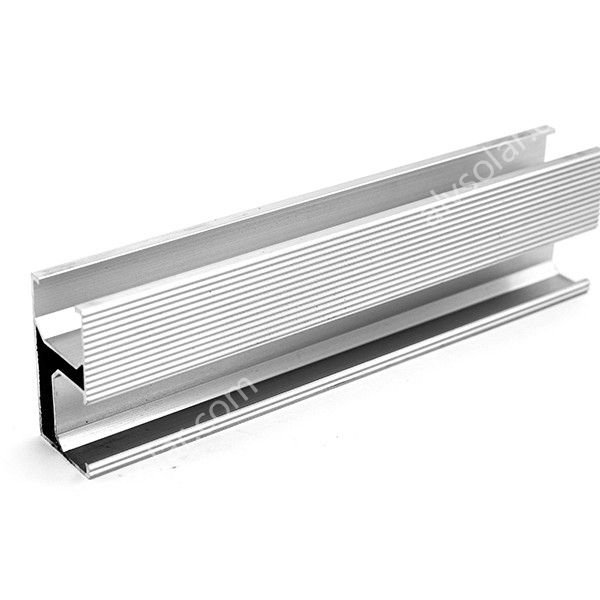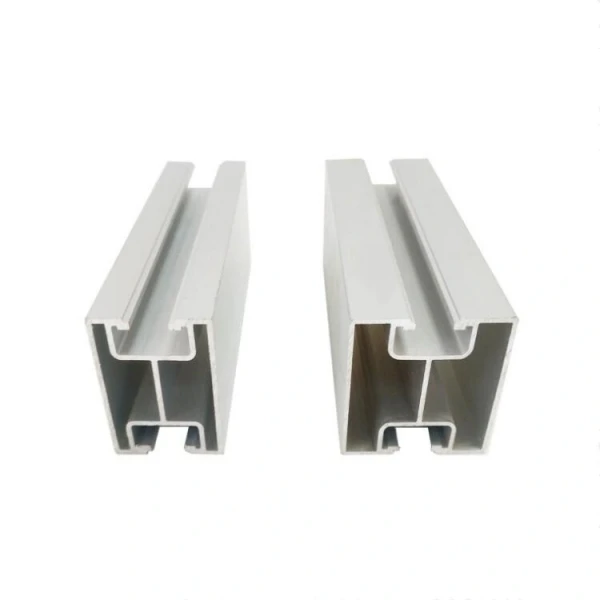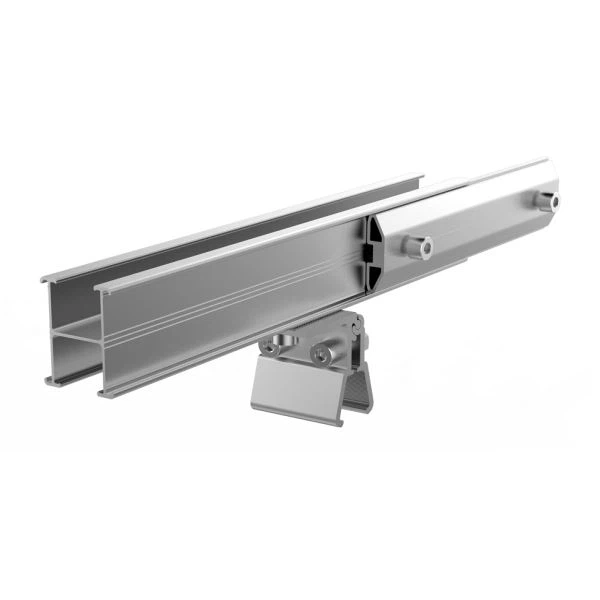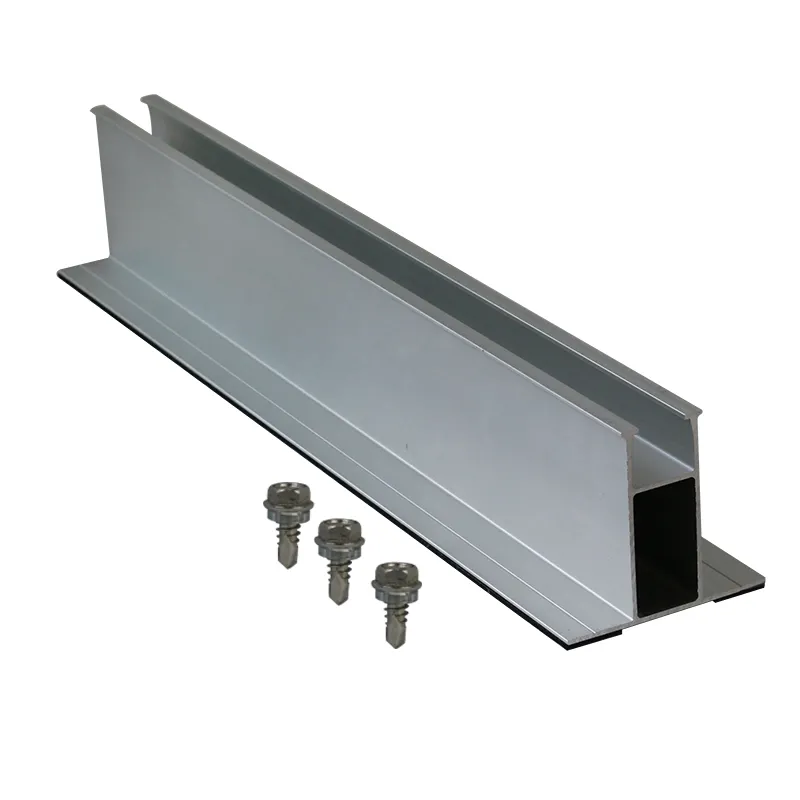


Solar Mounting Systems Market Set for Steady Growth as Utility-Scale Projects Drive Demand 2026

The global solar mounting systems market continues its upward trajectory in 2026, supported by falling installation costs, rising renewable energy targets, and the increasing scale of utility solar projects. According to recent market analysis, the industry is projected to grow from $44.5 billion in 2024 to $68.2 billion by 2034, representing a compound annual growth rate (CAGR) of 4.4%
Utility-Scale Solar Mounting Systems Gain Ground
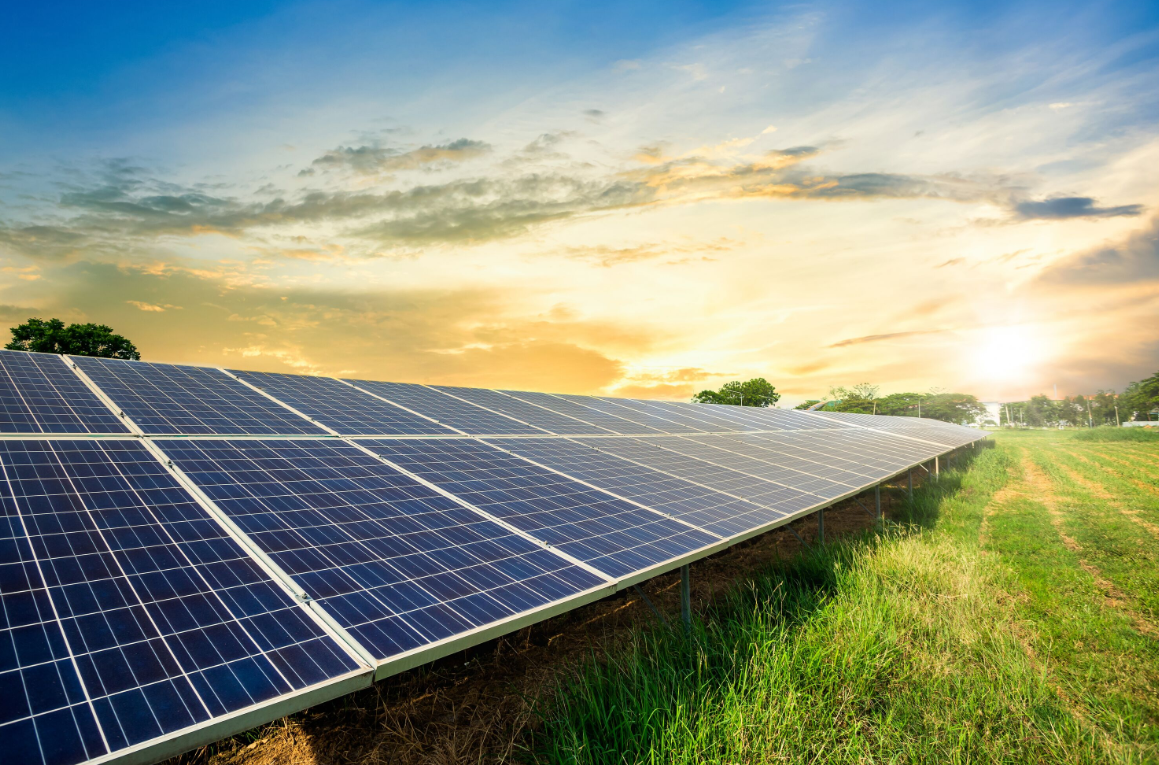
The dominance of utility-scale installations continues to shape demand for Solarmontagesysteme. In 2024, ground-mounted solutions captured a 63.9% market share due to their scalability, ease of maintenance, and ability to deliver improved energy performance through optimal tilt configurations and reduced shading .
Fixed-tilt systems remain the preferred choice for the largest projects. Recent deployments in the U.S. Midwest and Southern Africa have highlighted the value of mechanical simplicity combined with structural robustness. Fixed mounts employing single longitudinal rails accounted for a 68% share among projects exceeding 100 MW .
Asia Pacific Leads Solar Mounting Systems Adoption
The Asia Pacific region continues to dominate the solar mounting systems market, hosting a dense network of component suppliers that co-locate near PV module plants. This proximity enables rapid iteration and cost containment . The region’s shift toward floating and modular solar farms has driven demand for adaptable mounting solutions, spurring innovations in lightweight, corrosion-resistant alloys .
Regional market projections indicate the Asia Pacific solar PV mounting systems market will grow from $31.5 billion in 2025 to $51.6 billion by 2035, at a CAGR of 5.2% . China alone is expected to reach $42.5 billion by 2035, supported by strong investments in solar infrastructure and ongoing advancements in mounting system technology .
Trackers and Fixed Systems Both See Growth
Solar tracker systems represent a significant growth segment within the broader solar mounting systems market, with projections reaching $16.8 billion by 2034 . Their ability to align with the sun’s path throughout the day results in significantly higher energy generation compared to fixed alternatives. Advanced software-driven control systems and growing integration across grid-scale installations are solidifying their market position .
However, fixed mounting structures still commanded an 88.5% share in 2025 for solar mounting systems market due to their cost-effectiveness, simplified installation, and ability to reduce overall project complexity.
Industry Leaders Focus on Innovation and Global Expansion
Leading players in the solar PV mounting systems industry are adopting strategic initiatives to expand market reach and strengthen their competitive edge. A primary focus is on technological innovation — developing lighter, more modular systems with higher corrosion resistance and compatibility with both rooftop and floating solar installations .
At Intersolar Europe 2026, Schletter unveiled a new rafter system for fixed-tilt ground-mounted installations that allows a single installer to slide up to three vertically arranged modules into the support structure from below. According to Schletter, this approach reduces overall installation time by around 30%, with module installation up to 70% faster than conventional systems .
Meanwhile, Antaisolar — ranked No.7 in Wood Mackenzie’s 2026 global PV tracker TOP10 — showcased its upgraded 2P multi-drive tracker at SNEC 2026. The system features reinforced main structures supporting spans up to 80 meters and wind resistance of 60 m/s, helping reduce pile numbers and project LCOE
Why ALV Solar?
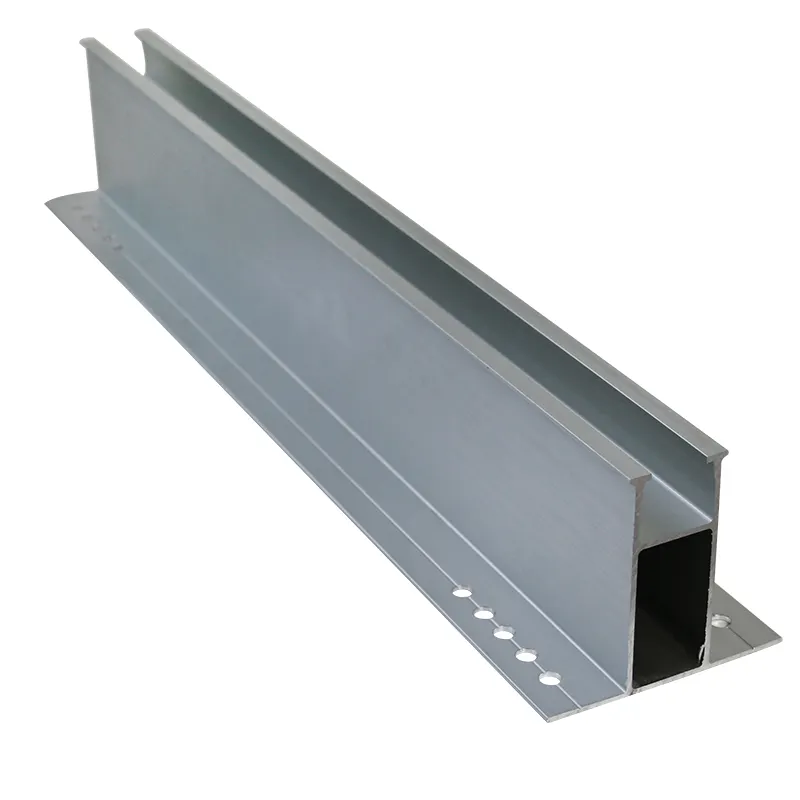
ALV Solar provides one-stop mounting solutions for global clients, with products meeting international certification standards (SGS/CE, AS/NZS1170, JIS4955:2011, ISO9001).
The ROI of Quality Mounting Structure Design
Proper solar mounting structure design directly impacts project bankability. Decisions made during system design affect waste reduction, maintenance costs, and overall lifespan.
| Design Decision | Impact |
|---|---|
| Proper wind load engineering | Prevents catastrophic failure in extreme weather |
| Corrosion-resistant materials | Maintains structural integrity for 25+ years |
| Pre-assembled components | Reduces installation labor costs by 30%+ |
| Bifacial-compatible design | Unlocks 10–25% additional energy yield |
| Proper torque specification | Prevents microcracks and structural failures |
Freely to contact us by Email:sales08@xmalv.com//Rita