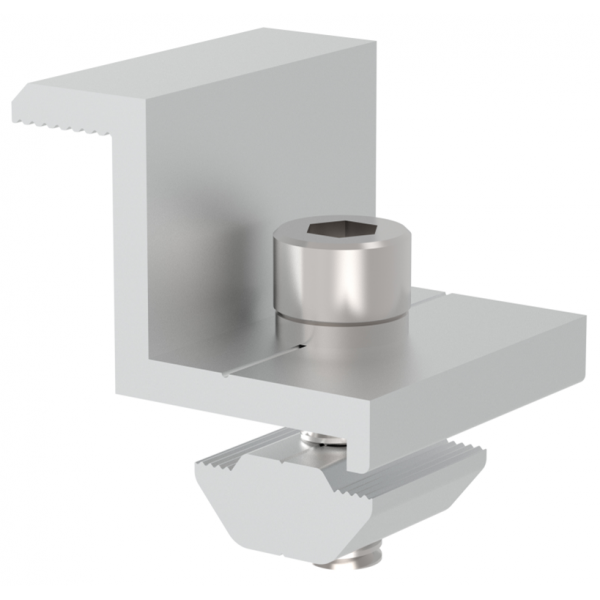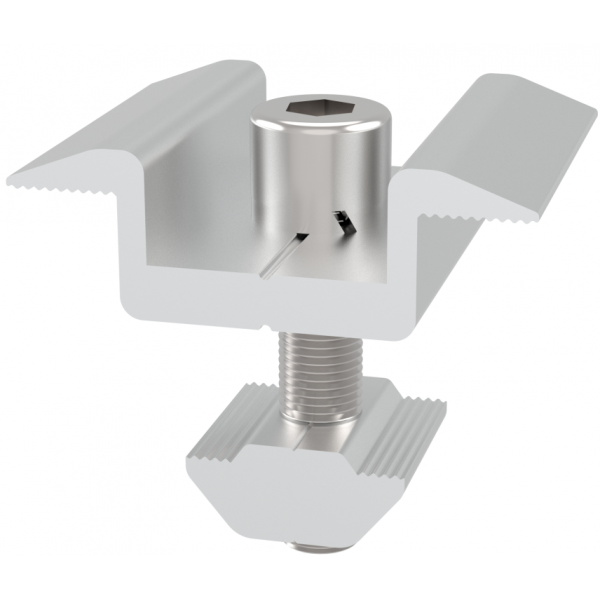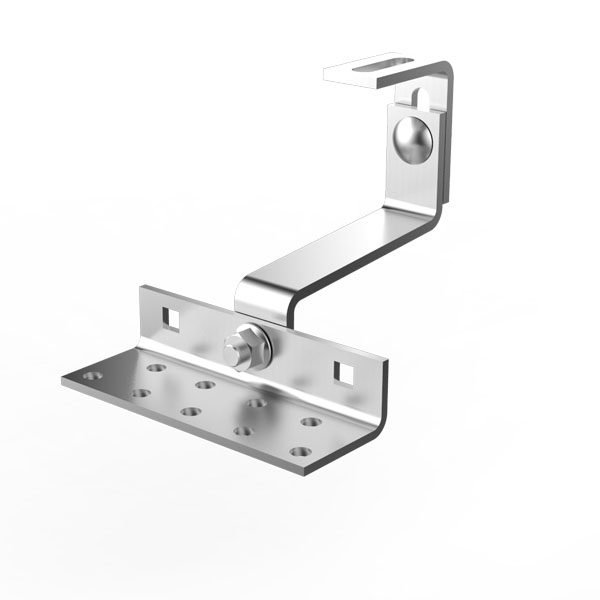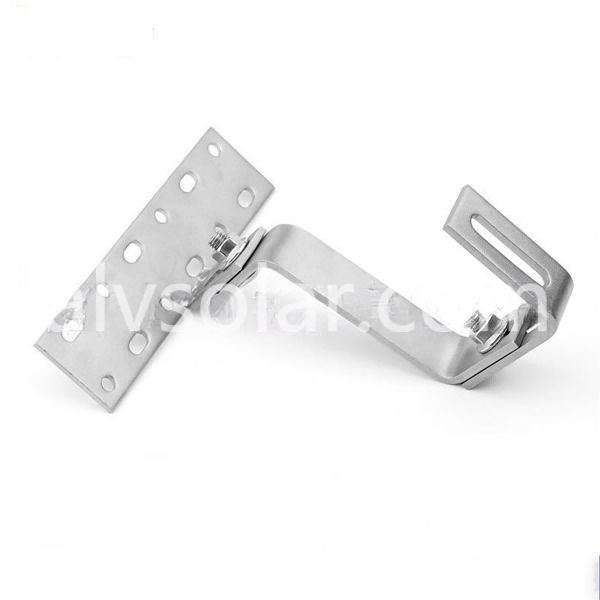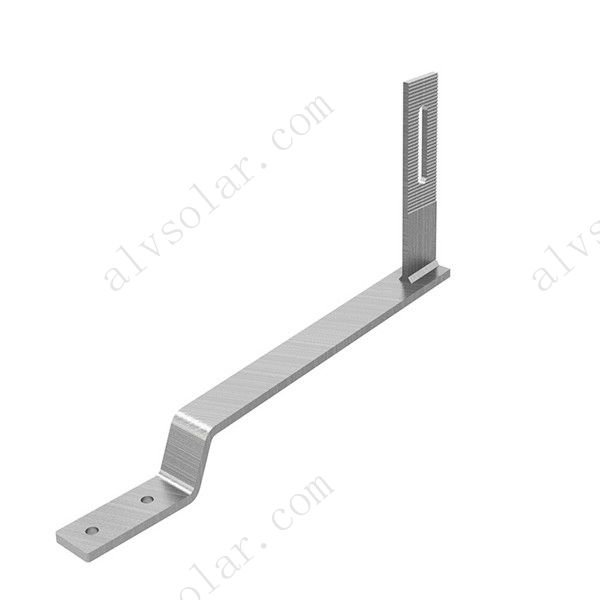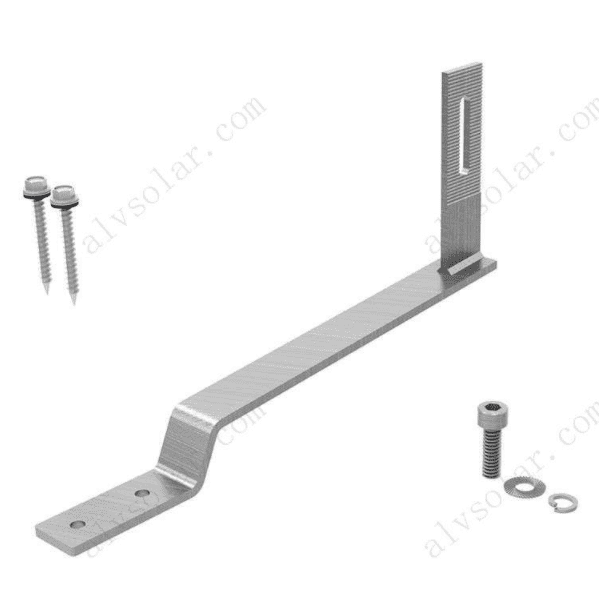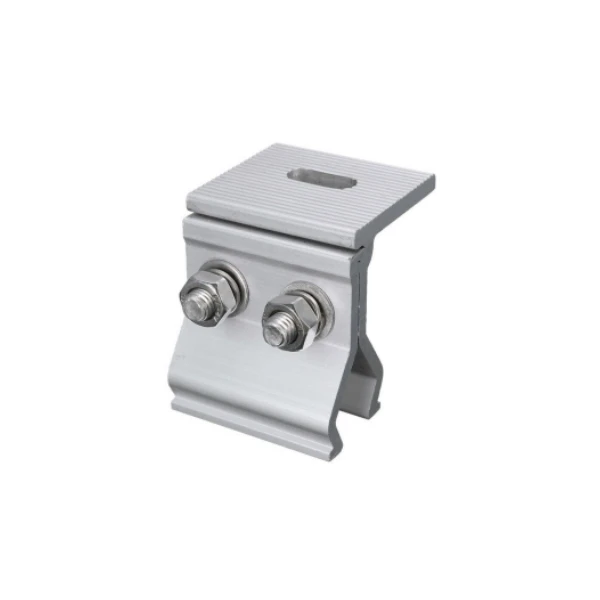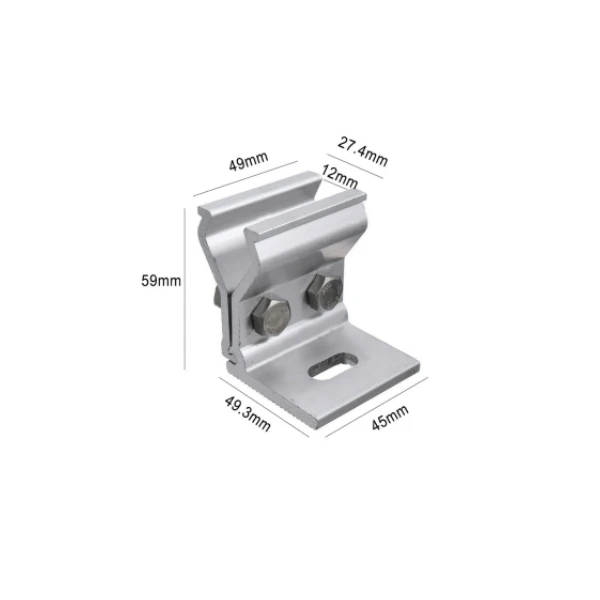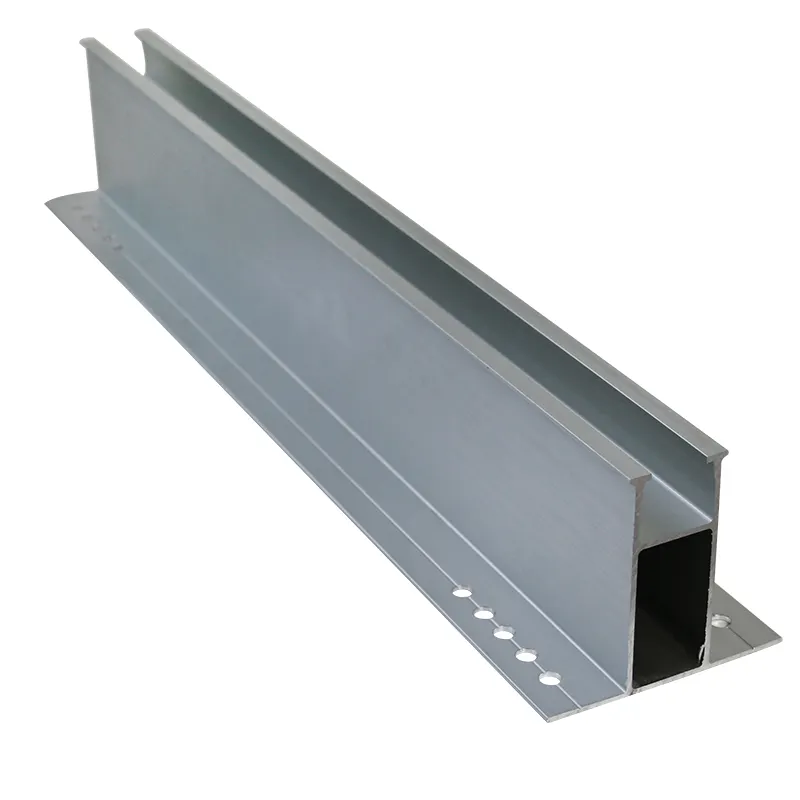


Comparación de materiales para el montaje de paneles solares: aluminio, acero galvanizado y acero inoxidable.

Introduction
The material of a solar mounting system determines the durability and safety of the entire PV installation. The three main materials on the market are aluminum alloy, hot‑dip galvanized steel, and stainless steel. Each has its own advantages, disadvantages, and suitable applications. This article provides a detailed analysis of these three materials to help you make the right choice.
1. Aluminum Mounts
1.1 Material Characteristics
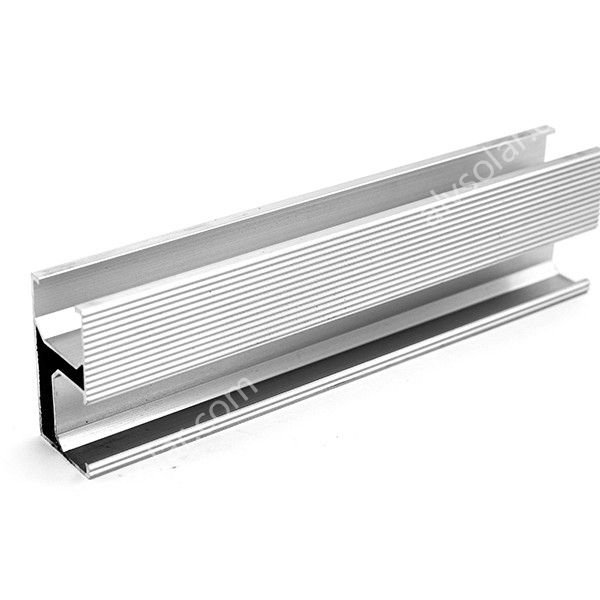
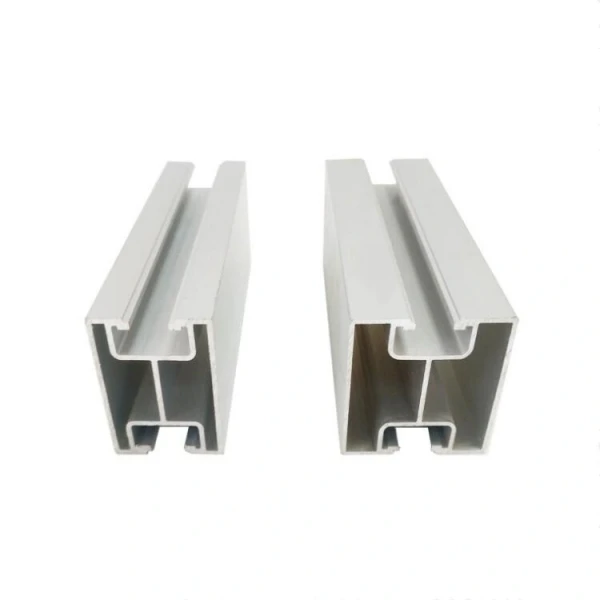
Aluminum mounts are typically made of 6000‑series aluminum (e.g. 6063‑T5) using an extrusion process.
Advantages:
| Feature | Description |
|---|---|
| Light weight | Density about 1/3 of steel – easy to transport and install |
| Excellent corrosion resistance | Naturally forms an oxide layer – no additional coating needed |
| Good appearance | Smooth surface, silver finish – suitable for visible roof areas |
| Good workability | Can be extruded into complex cross‑sections |
Disadvantages:
| Feature | Description |
|---|---|
| Lower strength | Load‑bearing capacity lower than steel for the same cross‑section |
| Higher cost | Aluminum is more expensive than steel |
| Galvanic corrosion risk | Requires insulation when in direct contact with steel |
1.2 Suitable Applications
- Residential roofs (especially pitched tile roofs)
- Projects sensitive to weight
- Coastal areas with high corrosion exposure
- Locations where appearance matters
1.3 Common Products
- Roof hooks
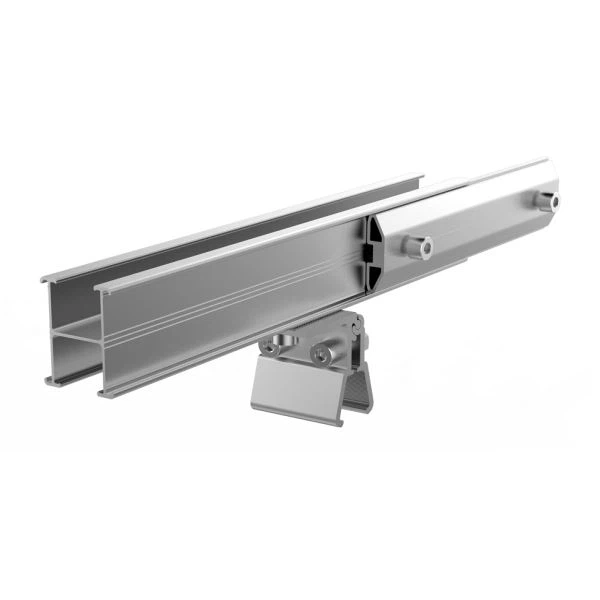
- Rieles
- Abrazaderas
- Connectors
2. Hot‑Dip Galvanized Steel Mounts
2.1 Material Characteristics
Galvanized steel mounts are made of Q235B or Q355B steel with a hot‑dip galvanized coating, typically 65–85μm thick.
Advantages:
| Feature | Description |
|---|---|
| High strength | Can withstand heavy loads – suitable for large projects |
| Low cost | Significant raw material cost advantage |
| Durable coating | Standard hot‑dip galvanizing can last 25+ years |
| Good stiffness | Minimal deflection over long spans |
Disadvantages:
| Feature | Description |
|---|---|
| Heavy weight | Requires more labor and equipment for transport and installation |
| Coating damage risk | Cut and welded areas need corrosion repair |
| Average appearance | Less attractive than aluminum |
2.2 Suitable Applications
- Large ground‑mount solar farms
- Commercial & industrial flat roofs (ballasted systems)
- Agrivoltaic greenhouses
- Cost‑sensitive projects
2.3 Common Products
- C‑channel posts
- U‑channel rails
- Connectors
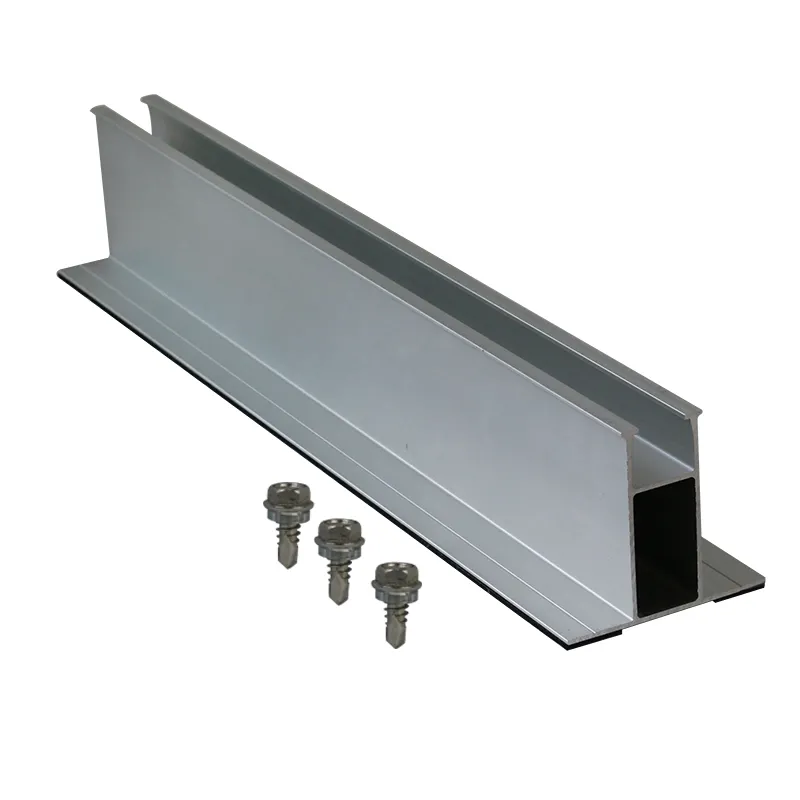
- Bases
3. Stainless Steel Mounts
3.1 Material Characteristics
The stainless steels commonly used for solar mounts are 304 or 316L, with 316L offering better resistance to chloride‑induced corrosion.
Advantages:
| Feature | Description |
|---|---|
| Extremely high corrosion resistance | Ideal for coastal areas and chemical plants |
| High strength | Good combination of strength and toughness |
| No additional coating needed | Maintenance‑free throughout service life |
| Attractive appearance | Bright, shiny surface |
Disadvantages:
| Feature | Description |
|---|---|
| Highest cost | Most expensive of the three materials |
| Difficult to work | Harder to drill and cut |
| Heavy weight | Similar to steel |
3.2 Suitable Applications
- Coastal areas (within 500m of shoreline)
- Near chemical plants
- Highly corrosive industrial environments
- Special requirements (often used only for critical connectors)
4. Material Comparison Summary
| Comparison Item | Aluminum | Galvanized Steel | Stainless Steel |
|---|---|---|---|
| Density | 2.7 g/cm³ | 7.85 g/cm³ | 7.9 g/cm³ |
| Tensile strength | 180–250 MPa | 235–355 MPa | 500–700 MPa |
| Corrosion resistance | Excelente | Bien | Excelente |
| Cost | Medium‑high | Low | Alto |
| Peso | Light | Pesado | Pesado |
| Appearance | Alto | Average | Very high |
| Suitable for 25‑year life | ✅ Yes | ✅ Yes | ✅ Yes |
| Main application | Roof systems | Ground‑mount farms | Special environments |
5. How to Choose the Right Material?
Recommendations by project type:
| Project Type | Recommended Material | Reason |
|---|---|---|
| Residential pitched roof | Aluminum | Lightweight, attractive, easy to install |
| Residential flat roof | Aluminum or galvanized steel | Aluminum is lighter, steel is more economical |
| Commercial/industrial roof | Galvanized steel (mainly) | Long spans, cost‑sensitive |
| Ground‑mount solar farm | Galvanized steel | Best cost‑performance |
| Coastal project | Aluminum or 316L stainless | Salt‑spray resistance |
| Agrivoltaics | Hot‑dip galvanized steel | Resists acidic/alkaline environments |
6. Important Notes
- Avoid direct contact between different metals – Use insulating gaskets between aluminum and steel to prevent galvanic corrosion.
- Check coating thickness – Hot‑dip galvanized mounts require ≥65μm of zinc; thinner coatings lead to early rusting.
- Repair cut edges – Any field cuts on galvanized parts must be touched up with zinc‑rich paint.
- Request material certificates – Reputable suppliers should provide material test reports and coating thickness records.