

Los 5 mejores sistemas de montaje solar para techos de tejas en 2026

Last Updated: August 18th,2026
Autor: Devi Huang | Equipo de Ventas Internacionales, ALV
Devi Huang forma parte del equipo de ventas internacionales de ALV, fabricante de sistemas de montaje solar y perfiles de aluminio. Colabora con contratistas EPC, distribuidores y promotores de proyectos en todo el mundo, ayudando a los clientes a elegir las soluciones de montaje más adecuadas según los requisitos del proyecto, las normativas locales y el presupuesto.
Choosing the right solar mounting system for a tile roof is essential for maximizing safety, durability, and long-term energy production.
Not every mounting system performs equally well on clay, concrete, or slate tile roofs. The best solution depends on your roof structure, local wind and snow loads, and the type of solar panels you install. In 2026, improvements in aluminum alloys, stainless steel fasteners, and waterproof flashing have made tile roof solar mounting systems more reliable than ever.
According to the Agencia Internacional de Energía (AIE) (https://www.iea.org/reports/renewables-2025), solar PV continues to dominate global renewable energy growth, accounting for more than three-quarters of newly installed renewable power capacity worldwide. As residential rooftop installations continue to increase, selecting a high-quality mounting system has become just as important as selecting premium solar modules.
Why Tile Roofs Require Specialized Mounting Systems
Tile roofs are attractive and durable, but they are also fragile. Unlike metal roofs, roof tiles cannot safely support drilling or direct loading.
Professional tile roof mounting systems are designed to:
- Transfer loads directly to roof rafters
- Prevent cracked roof tiles
- Maintain waterproof performance
- Resist corrosion for over 25 years
- Meet local structural requirements
Modern mounting systems also include adjustable components that simplify installation on uneven roofs while reducing labor time.
En ALV, every tile roof mounting solution is engineered with structural safety and installation efficiency in mind, helping EPC contractors and installers reduce project risks while improving installation speed.
Top 5 Solar Mounting Systems for Tile Roofs
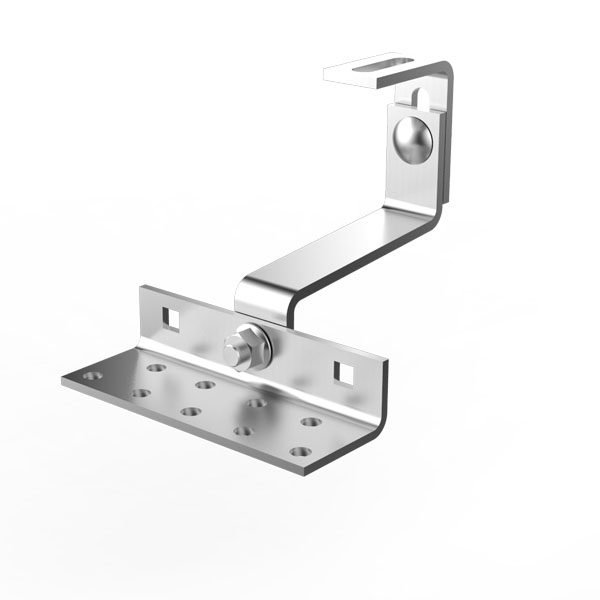
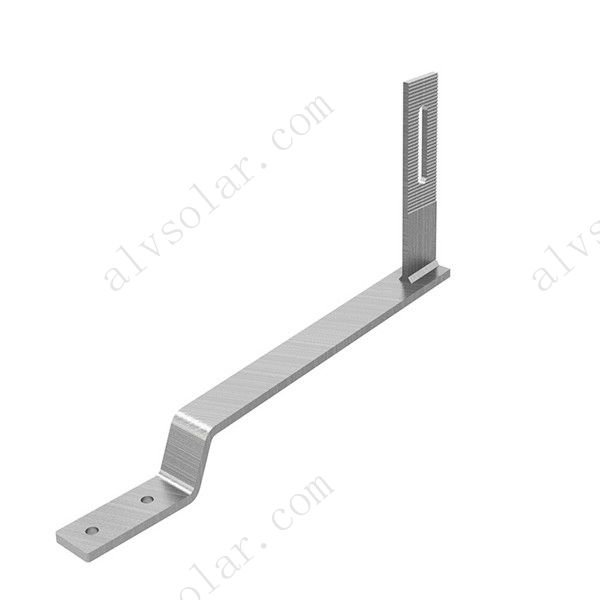
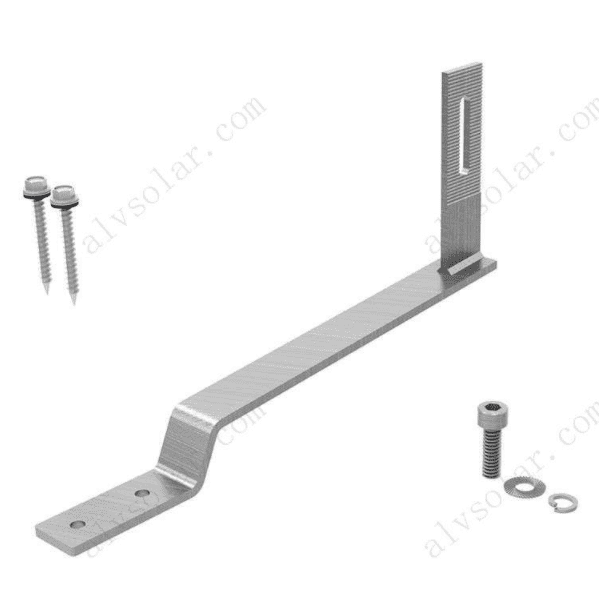
1. Stainless Steel Roof Hook Mounting System
This remains the industry’s most widely used solution for residential tile roofs.
Roof hooks are fixed directly to rafters beneath the tiles, while aluminum rails support the solar panels above the roof surface.
Advantages include:
- Excellent structural strength
- Easy maintenance
- Compatible with most tile profiles
- High wind resistance
- Long service life
This system is especially suitable for homes located in high-wind or heavy snow regions.
ALV manufactures precision stainless steel roof hooks that are compatible with clay, concrete, and Spanish tile roofs while minimizing tile modification.
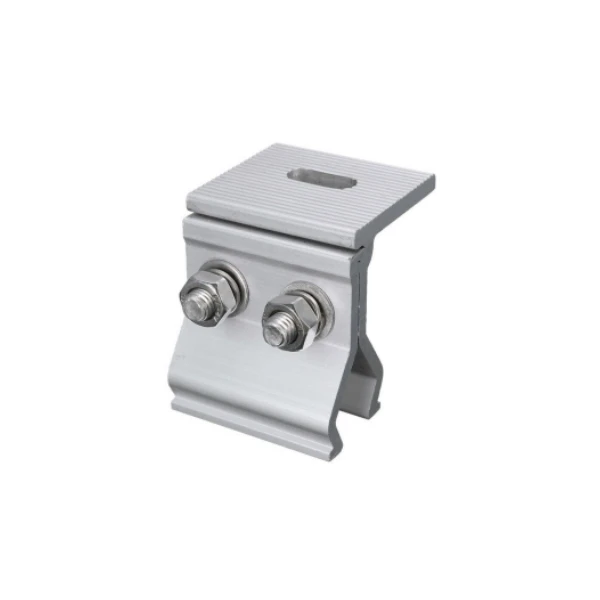
2. Adjustable Roof Hook System
Older houses often have uneven roof structures.
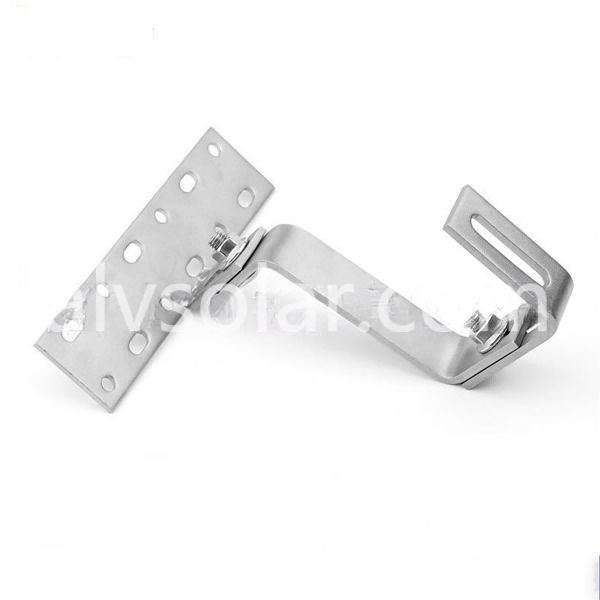
Adjustable roof hooks allow installers to compensate for roof irregularities without cutting excessive roof tiles.
Benefits include:
- Faster installation
- Better panel alignment
- Reduced roof stress
- Improved appearance
This system has become increasingly popular among European installers because it significantly reduces installation time on renovation projects.
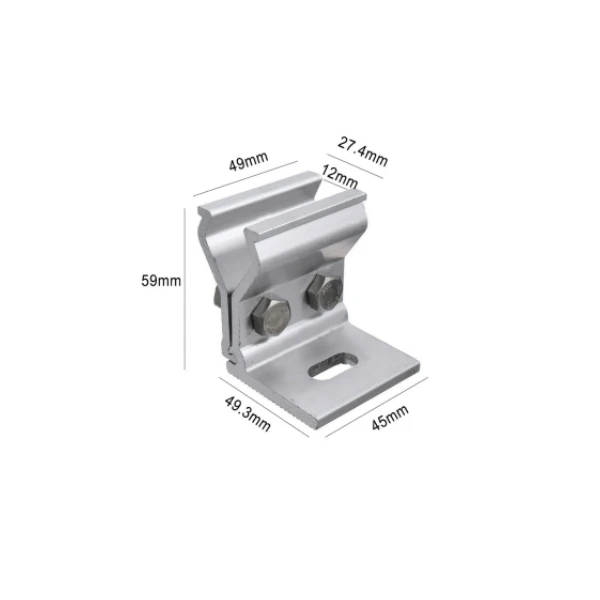
3. Rail-Less Solar Mounting System
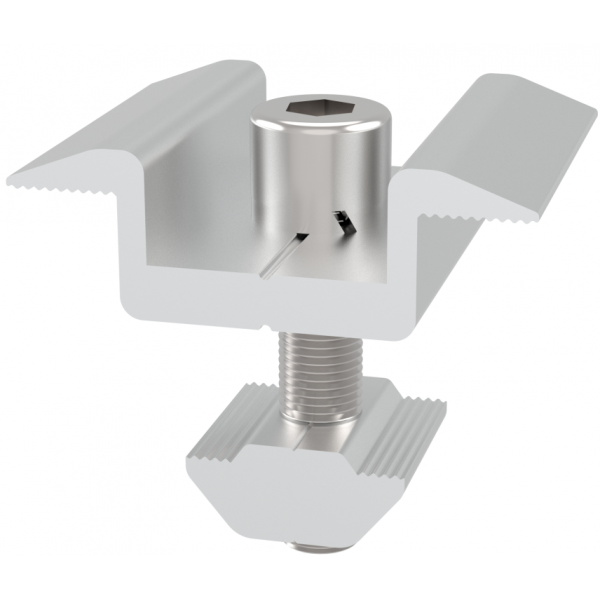
Rail-less systems eliminate long aluminum rails and attach modules directly using specialized brackets.
Advantages include:
- Lower material costs
- Reduced shipping weight
- Faster logistics
- Cleaner roof appearance
However, rail-less systems require highly accurate module spacing and roof layouts.
They are generally recommended for experienced installers rather than first-time installation teams.
4. Integrated Flashing Mounting System
Waterproofing is one of the biggest concerns on tile roofs.
Integrated flashing systems use aluminum or galvanized flashing beneath the roof tiles to direct rainwater away from roof penetrations.
Advantages include:
- Superior waterproof protection
- Reduced leak risk
- Longer roof lifespan
- Better compliance with building codes
These systems are especially recommended in regions with frequent rainfall.
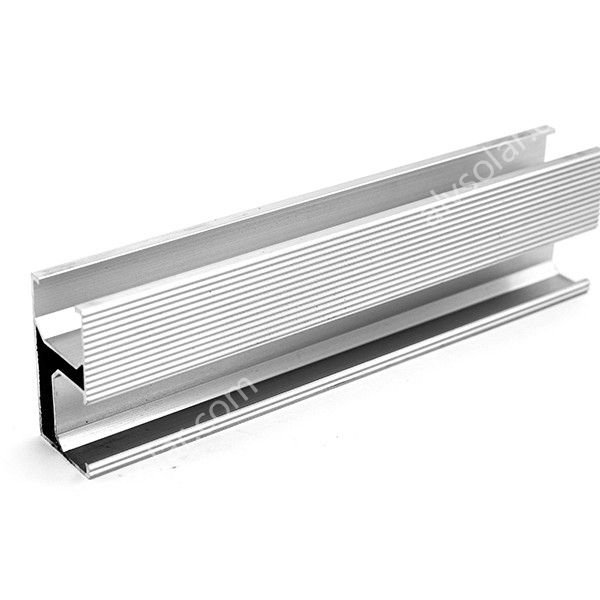
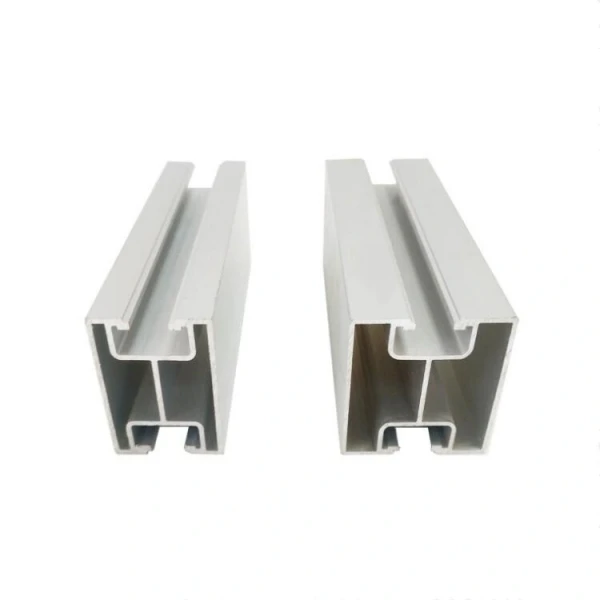
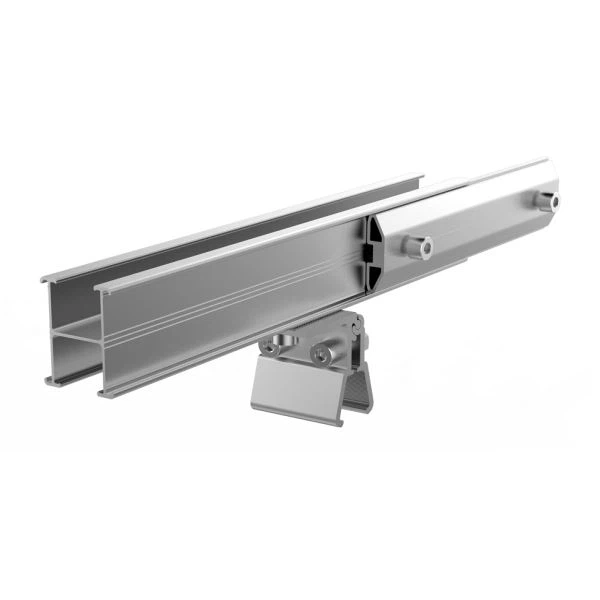
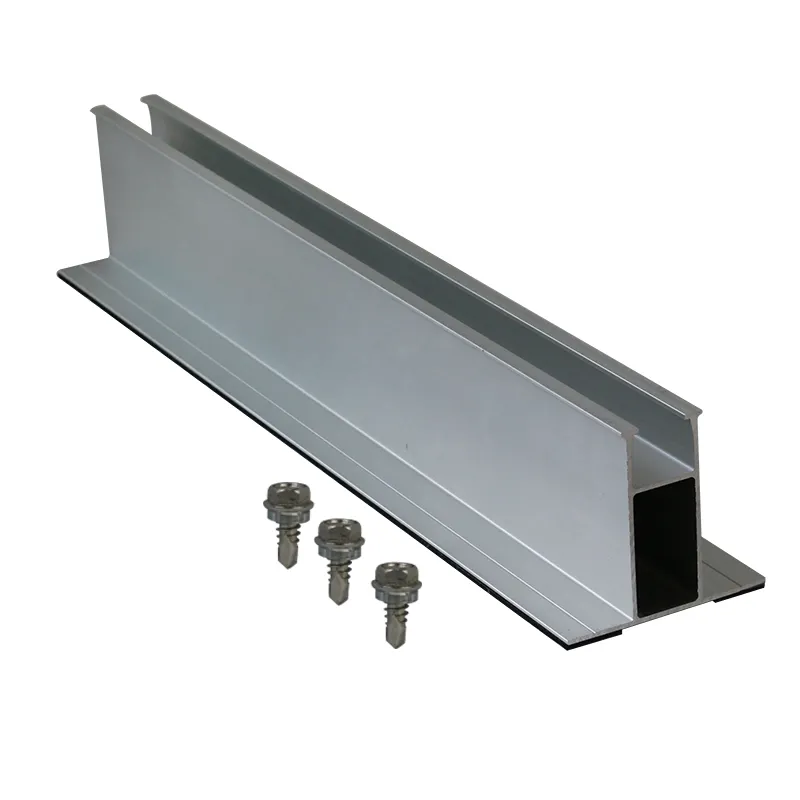
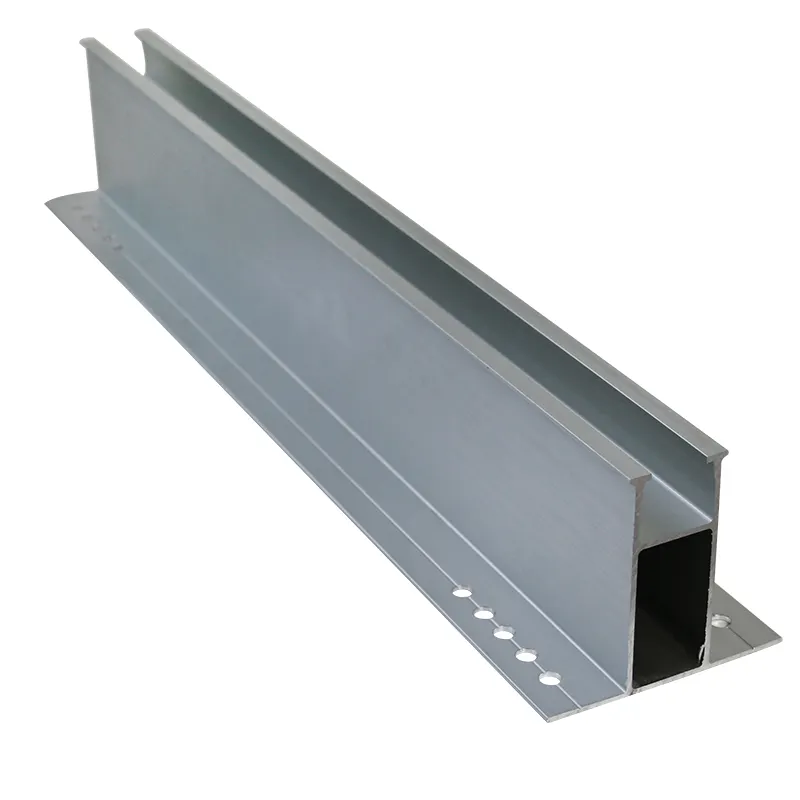
5. Universal Aluminum Rail System
Universal rail systems remain one of the most versatile options.
They support various roof hook designs while accommodating different solar module sizes.
Benefits include:
- Flexible layout
- Easy future expansion
- Lower inventory requirements
- Suitable for residential and commercial projects
ALV’s universal aluminum rail system uses high-strength anodized aluminum alloy with stainless steel fasteners, providing excellent corrosion resistance even in coastal environments.
Comparison of the Top Tile Roof Mounting Systems
| Sistema de montaje | Lo mejor para | Advantages | Limitations | Typical Lifespan |
| Stainless Steel Roof Hook | Residential | Strong and reliable | Requires tile lifting | 25–30+ years |
| Adjustable Roof Hook | Renovation projects | Compensates uneven roofs | Slightly higher cost | 25–30+ years |
| Rail-less System | Cost-sensitive projects | Lightweight and economical | Higher installation precision | 25+ years |
| Integrated Flashing | Rainy climates | Excellent waterproofing | More installation steps | 30+ years |
| Universal Rail System | Residential & Commercial | Highly flexible | Slightly heavier | 30+ years |
Which Material Performs Best?
Material selection directly affects durability and corrosion resistance.
| Material | Resistencia a la corrosión | Fortaleza | Peso | Typical Application |
| Aluminum Alloy 6005-T5 | Excelente | Alto | Light | Rails and structural components |
| Stainless Steel SUS304 | Excelente | Muy alto | Medio | Ganchos y sujetadores para techos |
| Stainless Steel SUS316 | Pendiente | Muy alto | Medio | Coastal environments |
| Acero galvanizado por inmersión en caliente | Bien | Muy alto | Pesado | Ground mounting systems |
Most premium manufacturers, including ALV, combine anodized aluminum rails with stainless steel fasteners to achieve an optimal balance between strength, corrosion resistance, and installation efficiency.
Industry Standards You Should Look For
When evaluating a tile roof mounting system, ensure it complies with internationally recognized standards.
| Estándar | Purpose |
| ASCE 7 | Wind and structural load calculations |
| EN 1991 (Eurocode 1) | Wind and snow load design |
| ISO 9227 | Pruebas de corrosión por niebla salina |
Compliance with these standards helps ensure structural safety and long-term reliability under various environmental conditions.
¿Por qué elegir? ALV for Tile Roof Solar Mounting?
En ALV, we specialize in designing and manufacturing reliable solar mounting systems for residential, commercial, and utility-scale projects worldwide.
Our tile roof mounting solutions feature:
- High-strength aluminum alloy structures
- SUS304/SUS316 stainless steel fasteners
- Customized engineering support
- Fast global delivery
- OEM & ODM manufacturing
- Technical design assistance for EPC contractors and distributors
Whether your project is located in Europe, Australia, Southeast Asia, or North America, ALV provides mounting solutions designed to withstand challenging environmental conditions while simplifying installation.
Preguntas frecuentes (FAQ)
1. What is the best solar mounting system for a tile roof?
For most residential tile roofs, a stainless steel roof hook system with aluminum rails is the preferred choice. It transfers loads directly to the rafters, minimizes stress on roof tiles, and offers excellent durability in various climates. It is also compatible with clay, concrete, and Spanish tile roofs.
2. Can solar panels damage a tile roof?
Not when installed correctly. Professional mounting systems are designed to avoid excessive pressure on roof tiles and use waterproof flashing or sealing components to prevent leaks. Experienced installers also replace any damaged tiles during installation.
3. How long do tile roof solar mounting systems last?
High-quality mounting systems made from anodized aluminum and stainless steel typically last 25-30 años o más. In many cases, the mounting structure has a service life similar to that of the solar panels themselves, provided regular inspections and maintenance are performed.
4. Are aluminum mounting systems strong enough?
Yes. Most premium manufacturers use 6005-T5 or 6063-T6 aluminum alloy, which offers an excellent balance of strength, corrosion resistance, and low weight. When combined with stainless steel fasteners, these systems perform well even in high-wind or coastal environments.
5. What certifications or standards should a solar mounting system meet?
Look for systems designed in accordance with recognized standards such as:
- ASCE 7 – Wind and structural load calculations
- EN 1991 (Eurocode 1) – Wind and snow load design
- ISO 9227 – Salt spray corrosion testing
Compliance with these standards indicates that the system has been engineered for structural reliability and long-term performance.
6. Which is better: rail-based or rail-less mounting systems?
Rail-based systems offer greater flexibility, easier alignment, and are suitable for most residential and commercial projects. Rail-less systems reduce material usage and shipping costs but require more precise installation and are generally recommended for experienced installers.
7. How much does a tile roof solar mounting system cost in 2026?
The cost depends on the roof type, project size, materials, and local labor rates. In 2026, mounting systems typically account for 8%–15% of the total installed solar system cost. While premium systems may have a higher upfront price, they often reduce maintenance and replacement costs over the system’s lifetime.
8. Why choose ALV for tile roof solar mounting solutions?
ALV provides customized solar mounting systems engineered for residential, commercial, and utility-scale projects. Our products feature high-strength aluminum rails, stainless steel components, customized engineering support, and international project experience, helping installers improve installation efficiency and long-term system reliability.
Final Thoughts
The best solar mounting system for a tile roof depends on your roof structure, environmental conditions, and project budget. For most residential installations, stainless steel roof hook systems remain the preferred choice due to their strength, flexibility, and proven performance. For projects requiring enhanced waterproofing or faster installation, integrated flashing or adjustable hook systems may offer greater value.
Choosing a trusted manufacturer is equally important. A high-quality mounting system not only protects your roof but also supports decades of reliable solar energy production. With extensive engineering expertise and globally tested products, ALV helps installers and EPC companies achieve safer, faster, and more efficient solar installations.
Ready to Build a Reliable Tile Roof Solar Project?
Whether you’re an EPC contractor, distributor, or solar installer, ALV can provide customized tile roof mounting solutions tailored to your project requirements.
👉 Contact ALV today to request a free engineering consultation, product catalog, or competitive quotation.