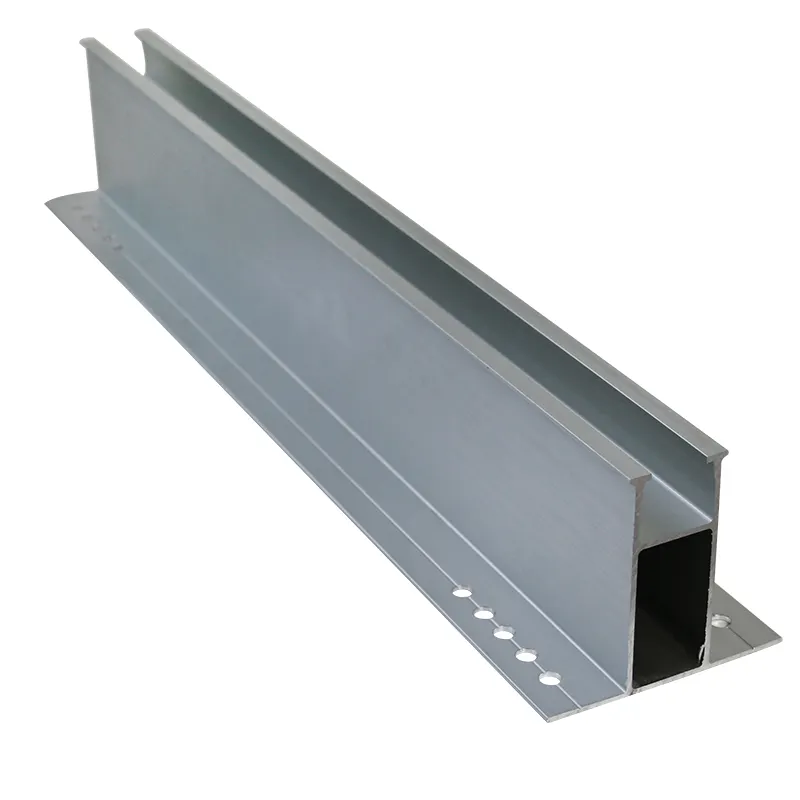


How to Choose the Right Solar Mounting System for High-Wind and Snow-Load Zones 2026

Introduction
Selecting the right sistema de montaje solar is one of the most consequential decisions in any photovoltaic project. In regions subject to high winds or heavy snowfall, the structural demands placed on a mounting system far exceed those in moderate climates. A system that performs flawlessly in Arizona may fail catastrophically in Minnesota or coastal Florida. This guide examines the engineering considerations that separate a reliable installation from a liability.
Why Wind and Snow Loads Define Solar Mounting System Performance
Wind and snow are the two primary environmental forces that stress a sistema de montaje solar. Wind creates uplift forces that attempt to pull panels and their supports away from the structure, while snow adds dead load that pushes downward on every component.
According to industry engineering guidance, corner panels in an array experience 2–3 times more uplift than interior panels. This is why generic wind pressure coefficients applied uniformly across an array lead to failures. Building codes require zone-specific calculations, and reputable suppliers provide edge and corner load data rather than a single interior value.
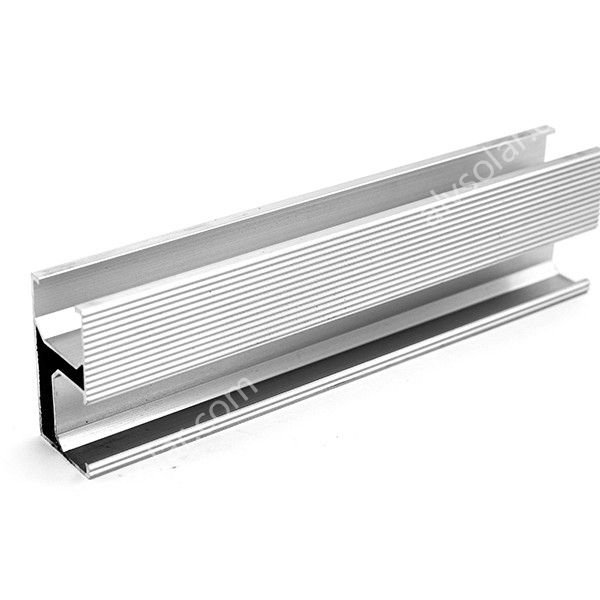
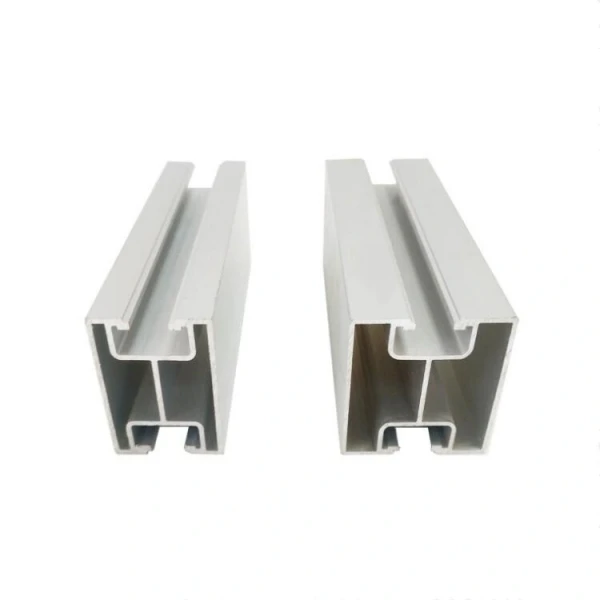
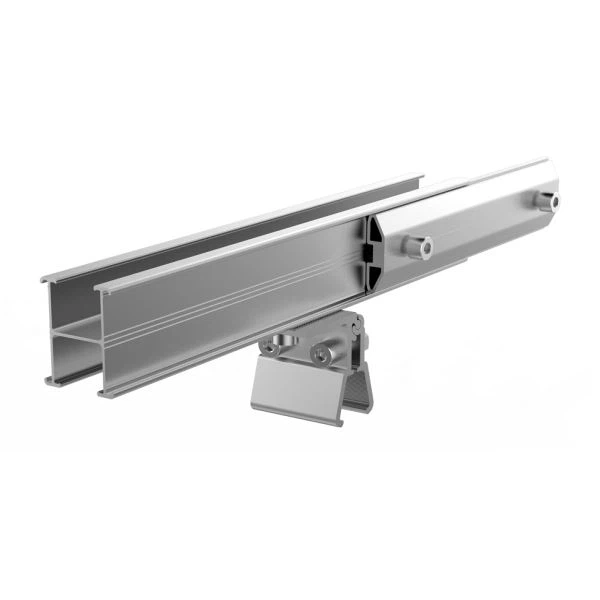
For snow, the challenge is different. A 50-pounds-per-square-foot snow load zone—common in mountainous regions—demands a mounting system that distributes weight across multiple attachment points without overloading any single point. Rail-based systems excel here because they spread snow load along the rail length, while rail-less systems transfer that load directly to module frames and individual attachment points
Real-World Example: DCE Eco-Top at Oak Hill
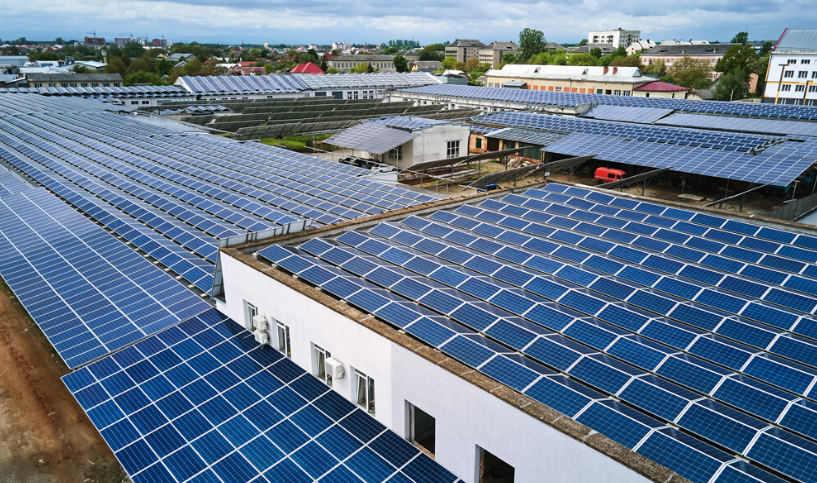
A commercial rooftop installation in Mountain Top, Pennsylvania, demonstrates how proper sistema de montaje solar design addresses extreme conditions. The 2.18 MW system faced a 50 psf snow load zone and a strict roof weight limit of 3.25 psf.
The solution combined north-south mid pads and east-west wedge pads to keep the full racking and module assembly below 3.18 psf. This approach protected the roof‘s structural integrity while maintaining reliable performance in the demanding snow-load environment.
The project manager noted that the racking system’s pre-assembly and wire management features provided “increased efficiencies” during construction
Matching Your Solar Mounting System to Roof Type and Climate
Different roof types and climates require fundamentally different sistema de montaje solar approaches.
Standing Seam Metal Roofs
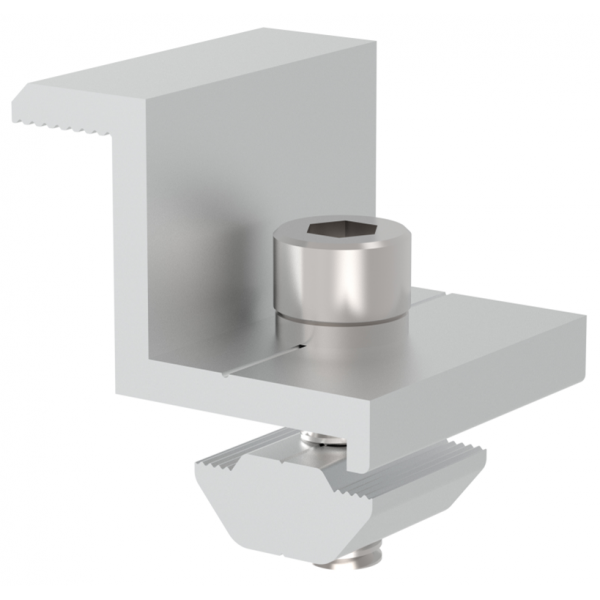
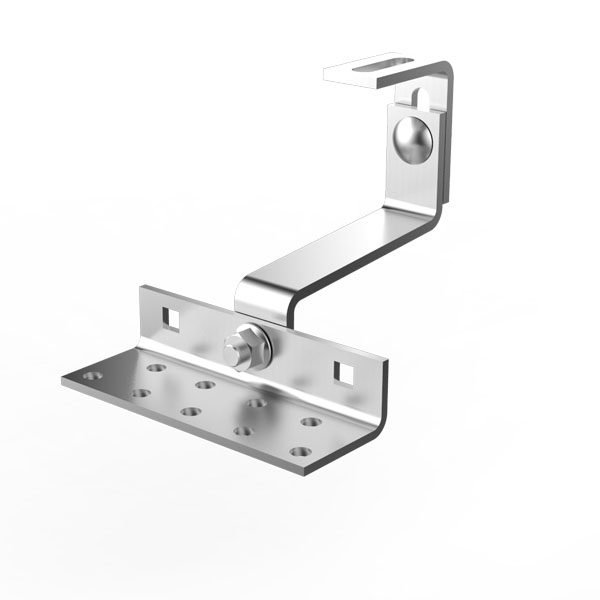
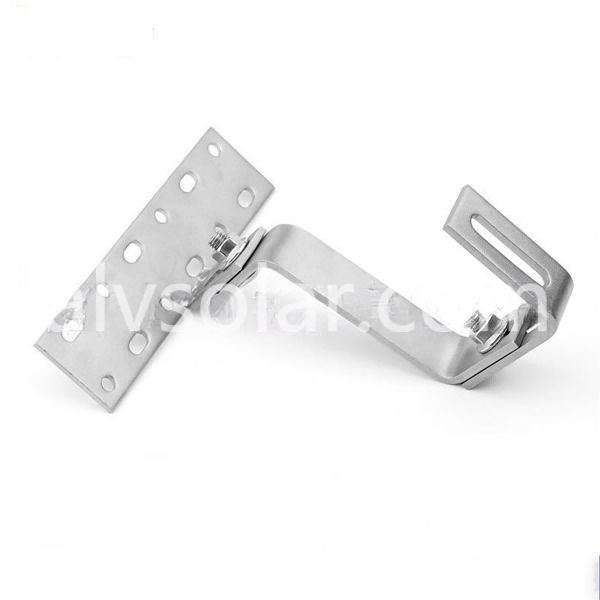
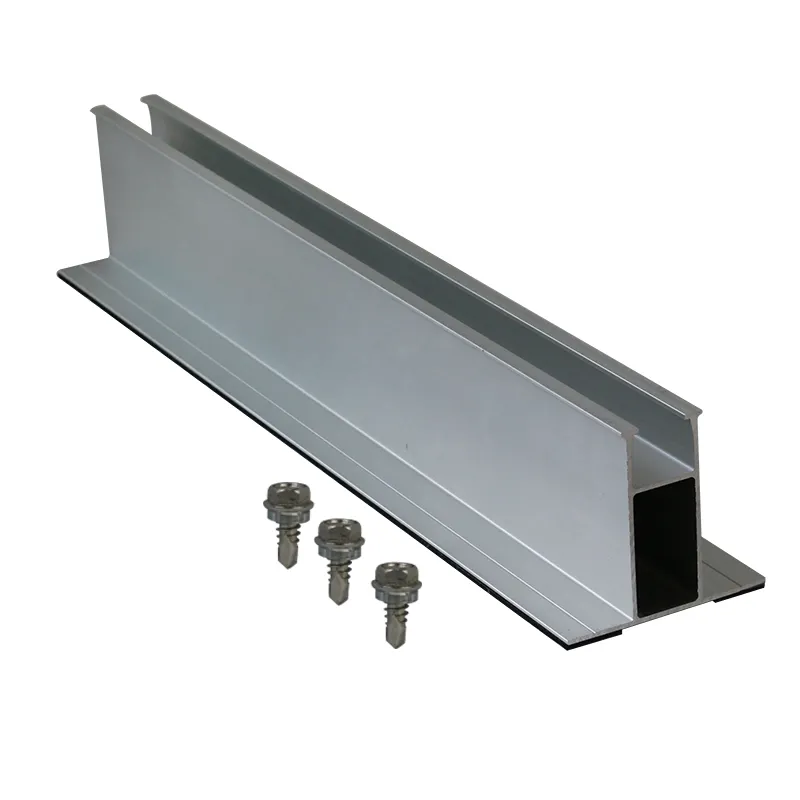
For metal roofs, non-penetrating clamps are the preferred sistema de montaje solar solution. These clamps grip the raised seams without drilling, preserving the roof‘s waterproofing and warranty. In high-wind zones, engineers often specify rail-based systems even on metal roofs because continuous load paths offer more predictable structural behavior
Ballasted Systems for Flat Roofs
Ballasted sistema de montaje solar designs avoid penetrations entirely by using concrete blocks or pavers to hold the array in place. This is ideal for membrane roofs where any puncture risks costly leaks. However, ballast adds significant dead load—typically 5–12 psf—so the building’s structural capacity must be verified before installation.
In high-wind zones, ballast distribution must be carefully calculated. Heavier blocks are placed at edges and corners where uplift is greatest, while lighter ballast is used in the array‘s interior
Structural Design Considerations for Your Solar Mounting System
When specifying a sistema de montaje solar for extreme conditions, several engineering factors demand attention.
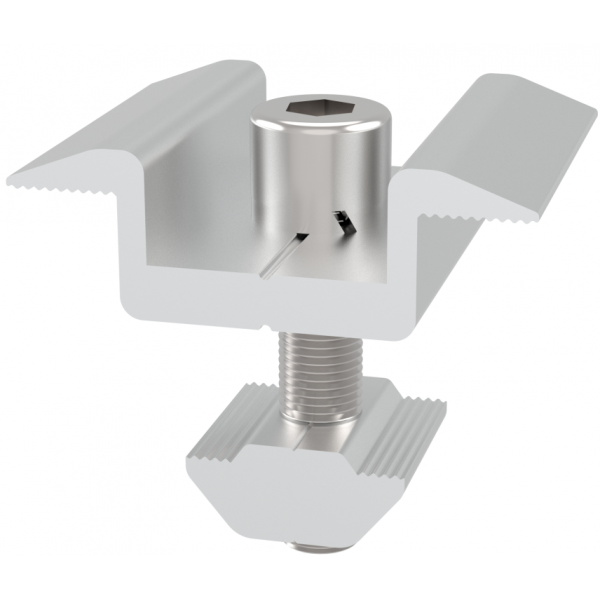
Clamp-to-frame compatibility: Frame height varies from 30mm to 50mm. Using a clamp designed for a 35mm frame on a 45mm frame creates a connection that will slip under uplift or deform the frame under tightening.
Corrosion protection: Coastal installations within three miles of saltwater demand stainless steel fasteners and aluminum with deep anodization. Standard galvanized hardware can rust within five years, staining the roof and weakening connections.
Foundation design for ground mounts: Driven-pile foundations offer the fastest installation for utility-scale projects, but soil conditions dictate embedment depth. Pull-out tests should confirm each pile exceeds the calculated uplift requirement.
Conclusión
Choosing the right sistema de montaje solar for high-wind and snow-load zones requires moving beyond catalog specifications and into site-specific engineering. The difference between a system that survives 25 years and one that fails in year three often comes down to zone-specific load calculations, proper clamp matching, and corrosion protection appropriate to the environment.
For projects in demanding climates, working with a supplier that provides certified structural calculations and field-proven performance data is not optional—it is essential.