

Balcony Solar Mounting System: A Complete Guide for Apartments

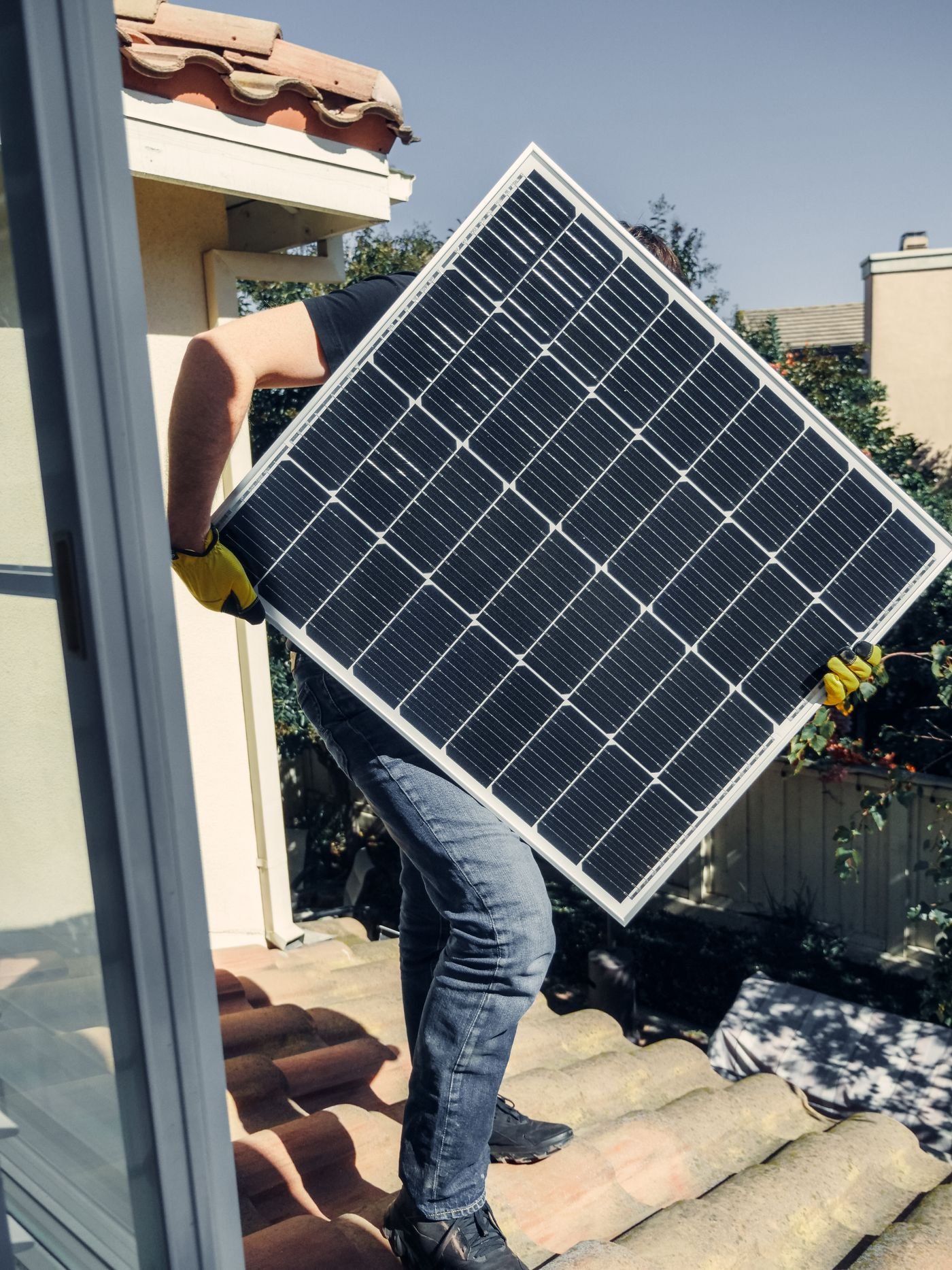
Not every home has a spare roof. Renters, apartment dwellers and owners with shaded or unsuitable roofs still want to cut their electricity bills, and the answer increasingly sits just outside the window: a balcony solar mounting system. These compact kits hold one or two modules on a balcony rail, wall or fence and feed power straight into the home through a plug-in microinverter. This guide explains what a balcony solar mounting system is, its components, the main mounting types, the loads to respect, and how to choose the right balcony solar mounting system.
What is a balcony solar mounting system?
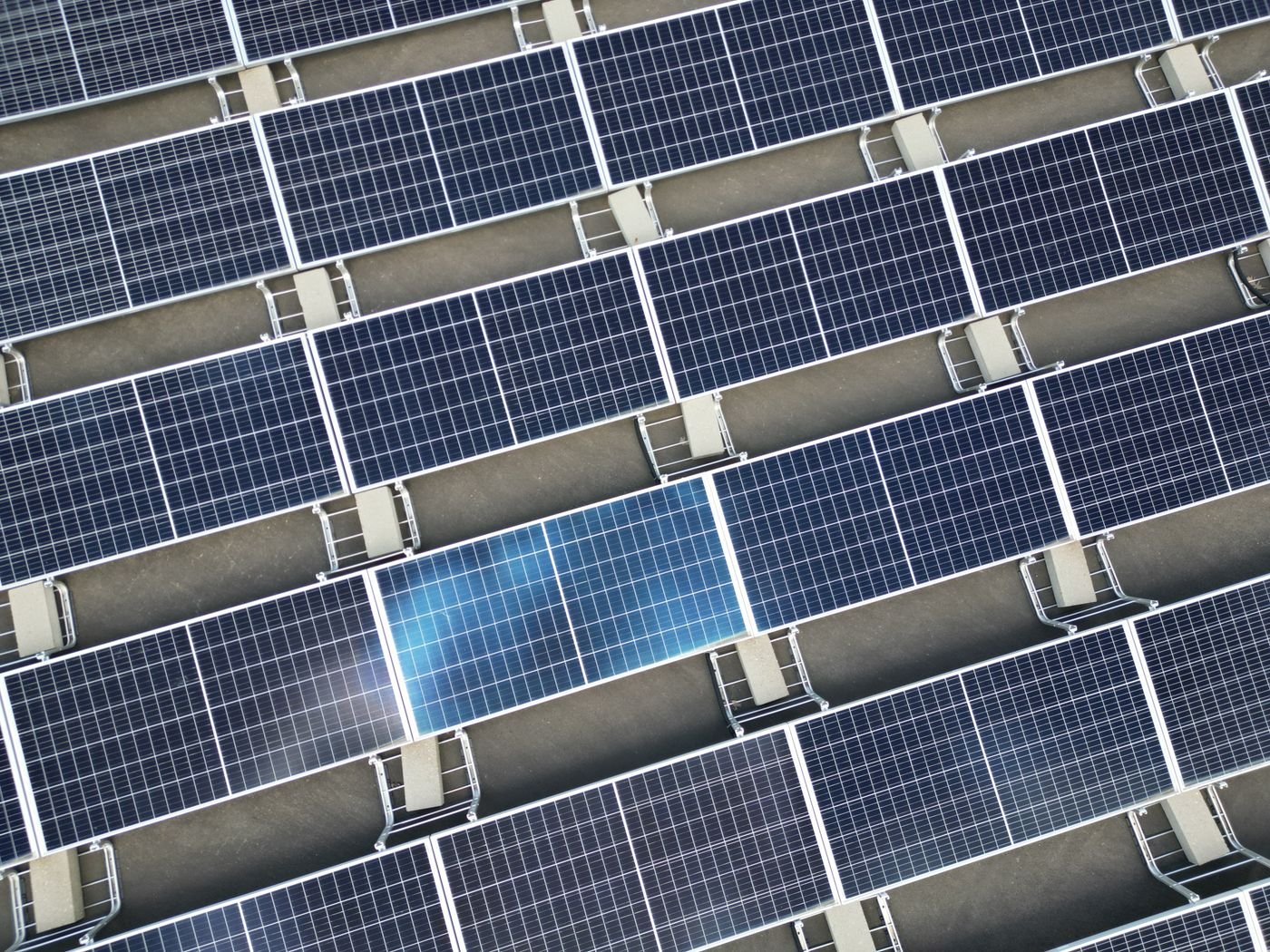
A balcony solar mounting system is the hardware that secures a small photovoltaic array — usually one or two modules, each 300 to 450 watts — to a balcony railing, an exterior wall, a terrace, a fence or a shed. It is small, modular and designed to be installed without heavy equipment, which makes it suited to apartments and rented homes where a full rooftop installation is impossible.
The system usually pairs the mounting hardware with a microinverter and a connection cable. Power generated by the modules is converted from DC to AC at the panel and fed into the household circuit, where it offsets the home’s consumption in real time. There is often no battery and no complex control gear: the aim is to trim the bill by using solar power as it is produced. In short, a balcony solar mounting system is a compact, plug-in way to generate solar power without a roof.
Why balcony solar matters
Balcony solar systems have grown quickly in dense, high-electricity-price markets because they remove the two biggest barriers to going solar — cost and roof access. A renter can fit one without drilling into the building’s structure, and it can be taken to the next home on moving day. For building owners, it adds generation with minimal structural change and no need for roof works.
The idea is not to run a whole house. A small system covers a slice of daily use — a refrigerator, a router, a laptop, lighting — and every kilowatt-hour it generates is a kilowatt-hour not bought from the grid. Over a few years, that adds up.
Main components of a balcony solar kit
- Modules. One or two rigid panels, sometimes full-black for a cleaner look, sized to fit the available space.
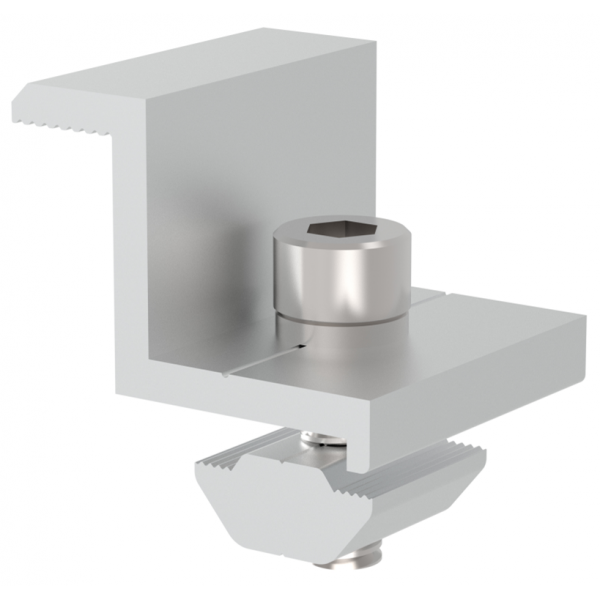
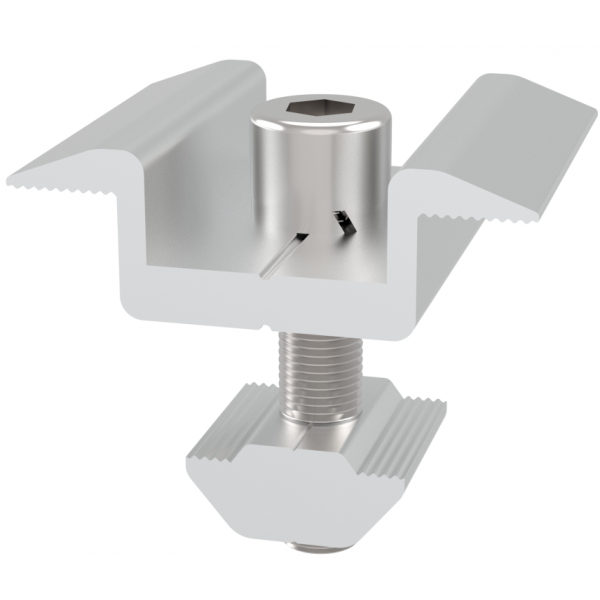
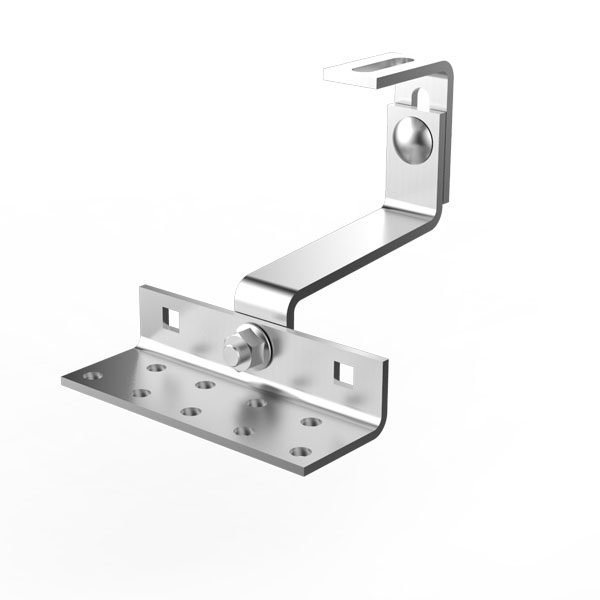
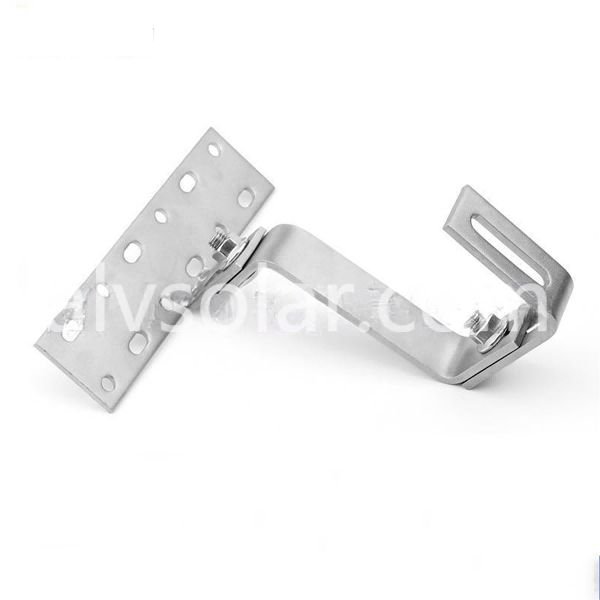
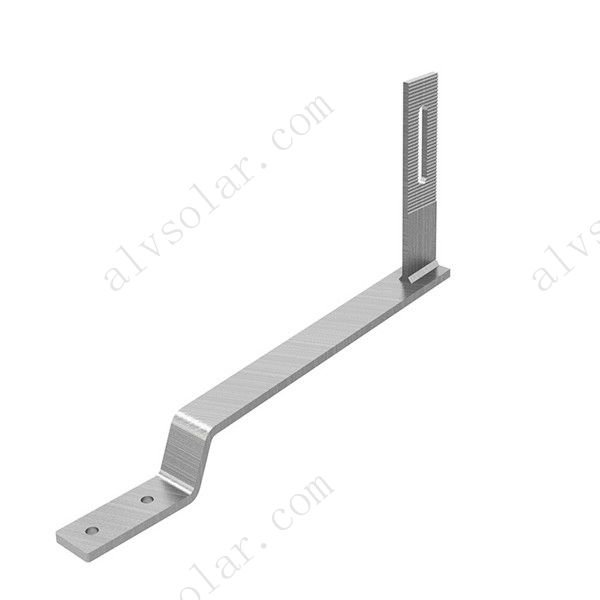
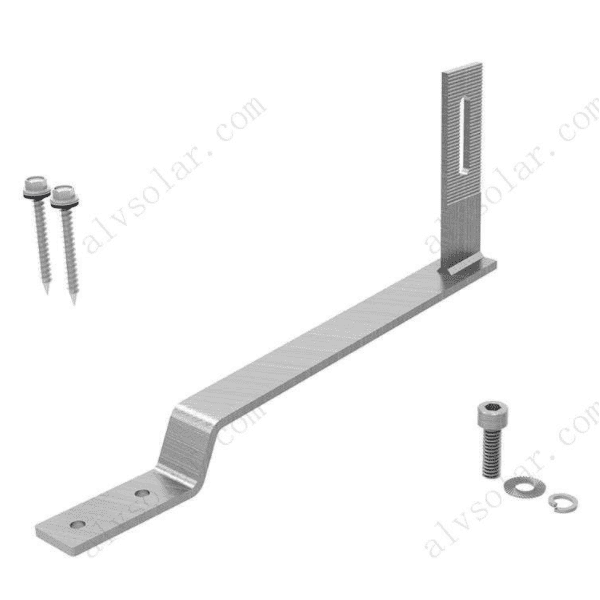
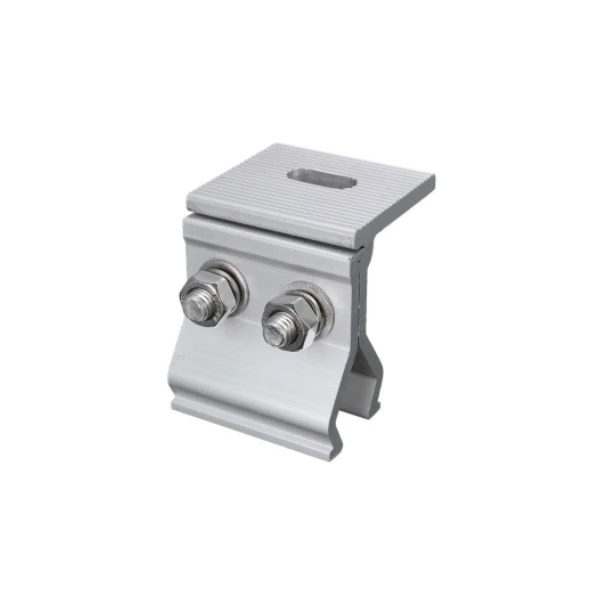
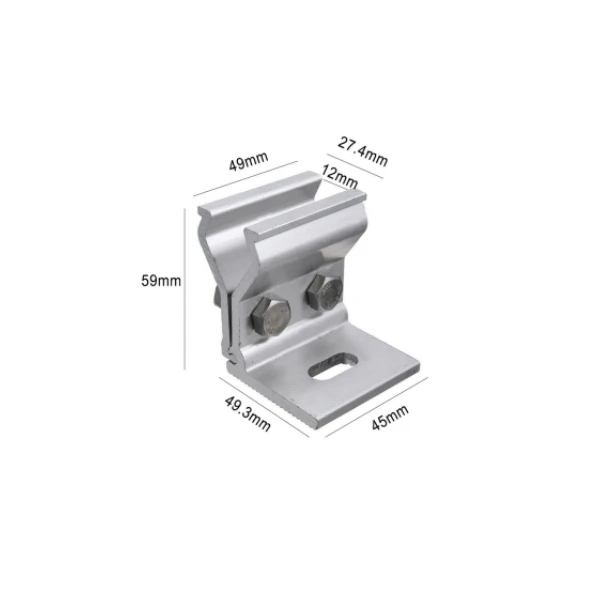
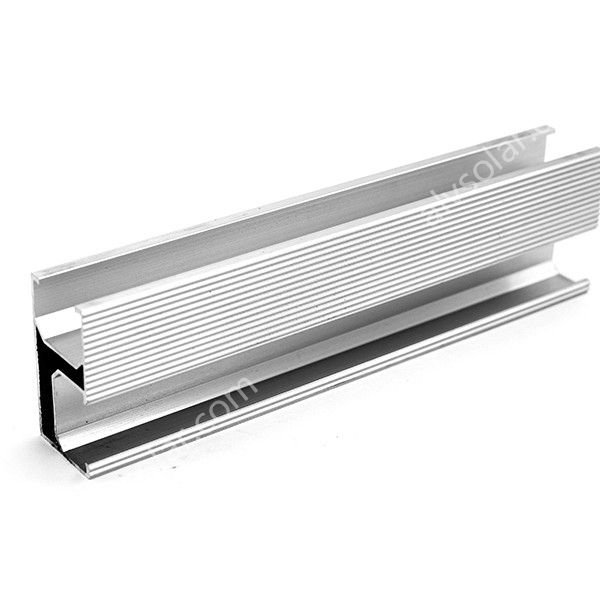
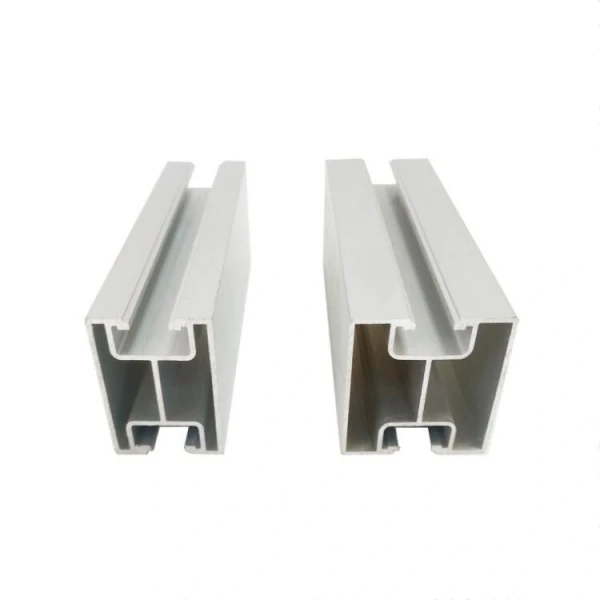
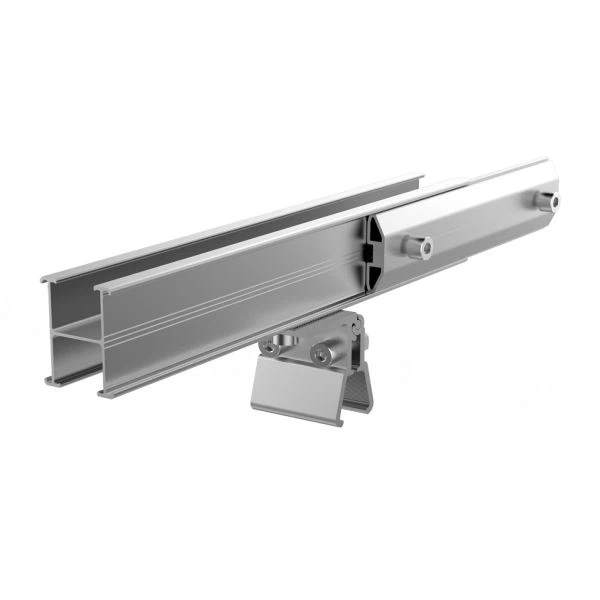
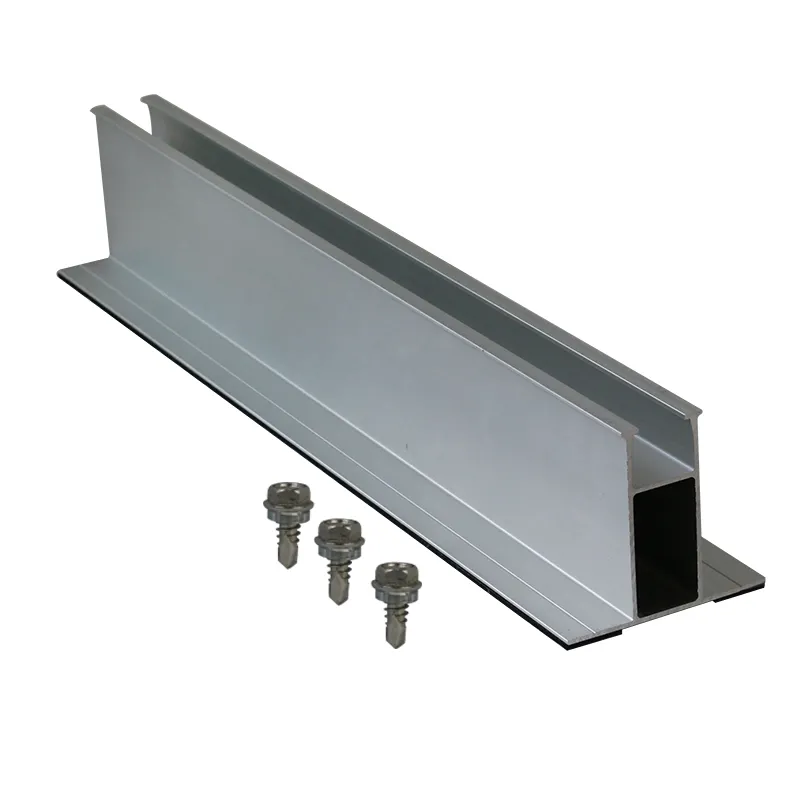
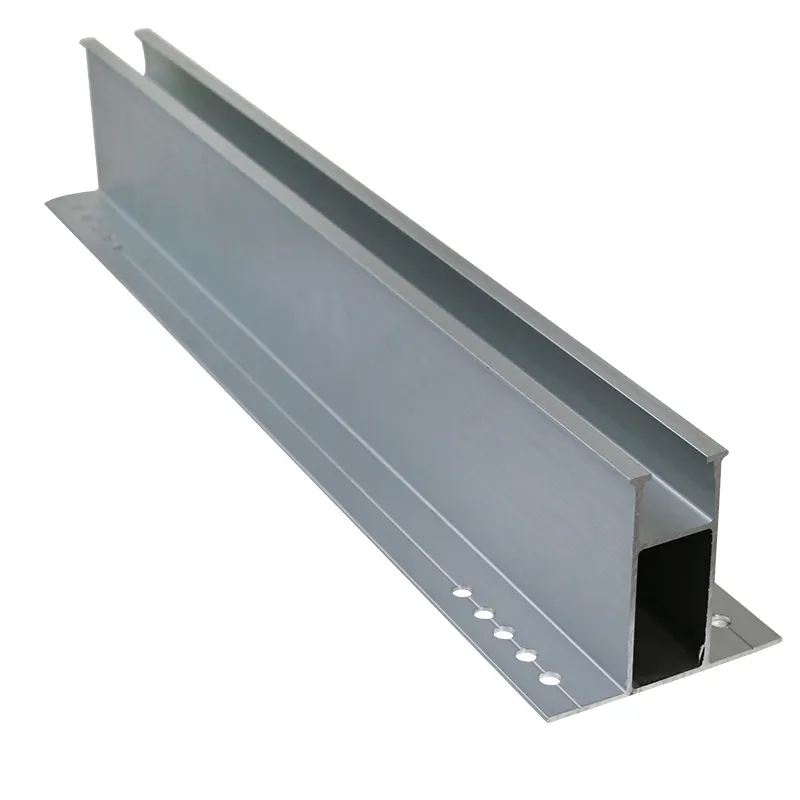
- Mounting hardware. The brackets, clamps or rails that fix the modules to the rail, wall or fence.
- Microinverter. A small inverter mounted at the panel that converts DC to grid-compatible AC.
- Cabling and plug. An outdoor-rated cable and a plug that connects to the household socket or a dedicated circuit.
- Optional storage. Some kits add a small battery so daytime power can be used after sunset.
In a balcony solar mounting system, the mounting hardware is where quality varies most, and it is the part that keeps the modules safe in wind, so it deserves the closest look.
Types of balcony solar mounting
There are four common approaches used by a balcony solar mounting system:
- Railing clamp mounts. The module brackets clamp onto a balcony rail. This is the signature balcony method and needs no drilling, but it puts the load on the railing, so the railing’s strength must be checked.
- Wall brackets. Adjustable brackets bolt to an exterior wall, often with a slight tilt to improve yield. These suit solid masonry walls and give a stable, low-profile fixing.
- Tilt kits on a stand. A small free-standing frame lifts the modules to an angle on a terrace or flat balcony, balancing output against wind exposure.
- Fence and garden mounts. The same hardware family fixes modules to a sturdy fence or shed wall, which is often the sunniest vertical surface available.
The right choice depends on what the module can safely attach to, how much sun the surface receives, and whether drilling is allowed.
Safety and loads: the part that cannot be skipped
A balcony surface is small and elevated, so wind acts with more leverage than it would on a low roof. A safe system must resist both uplift — the wind trying to lift the panels — and sliding, and it must not overload the railing or wall it attaches to. Users should check the railing’s fixing and condition, avoid dead-vertical mounting where output drops sharply, and confirm that the microinverter is certified for grid connection in their market. In Germany, systems follow the VDE grid-connection rules; in the United States, certified plug-in inverters shut down automatically during outages to protect utility workers.
Because balcony systems are small, they carry a lighter structural load than a rooftop array, but that is not a reason to skip the basics: secure fixings, corrosion-resistant stainless hardware and outdoor-rated cable remain essential.
Choosing the right balcony solar mounting system
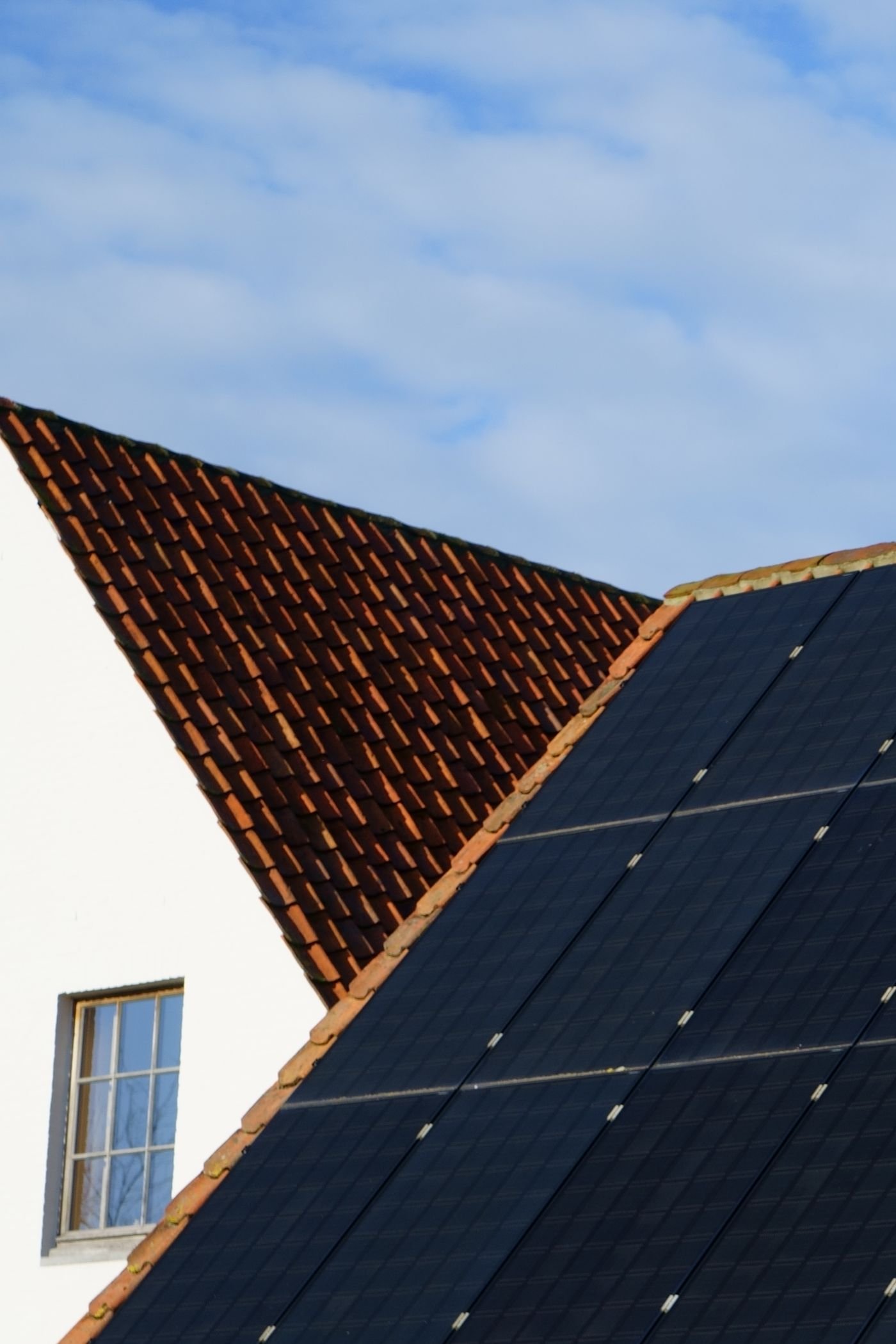
Start with the surface, because a balcony solar mounting system is only as good as what it attaches to. Measure the railing, wall or fence and confirm it is strong enough and faces the sun for at least four hours a day. Match the bracket range to the module frame, and choose aluminum hardware with stainless fasteners for long outdoor life. Check the tilt options — a modest adjustable tilt is usually worth the small extra cost because it lifts output, especially in winter. Finally, confirm the kit is compatible with your module size and that the microinverter meets local grid requirements.
How ALV-Solar supports balcony and small PV projects
ALV-Solar manufactures lightweight, corrosion-resistant mounting hardware for small installations. Its sistemas de balcones use aluminum alloy brackets and stainless steel fasteners, with adjustable angles and pre-assembled parts that simplify installation on railings, walls and flat surfaces. The hardware is engineered to recognised load codes and produced in a facility operating under ISO 9001, with products certified to TÜV, CE and MCS012. For distributors and installers, that consistency matters — the same engineering standards used on large commercial racking are applied to the compact balcony range. You can learn more about how the components fit together in our guide to the types of solar mounting brackets.
For regulatory and technology context, the U.S. Department of Energy’s solar energy technologies overview and the National Renewable Energy Laboratory both publish useful background on how small PV systems integrate with the grid.
Preguntas frecuentes
What is a balcony solar mounting system? It is the hardware that fixes a small solar array — usually one or two modules — to a balcony railing, wall, terrace or fence, paired with a microinverter that feeds power into the home.
Do I need permission to install balcony solar? Rules vary by country and building. Renters should check with the landlord and the building’s rules, and the system must meet local grid-connection standards.
How much power does a balcony solar system produce? A typical system of one or two 300 to 450 watt modules produces enough to offset a share of everyday household use rather than the whole bill.
Can I take a balcony solar system with me when I move? Yes. Railing clamp and wall-bracket systems can usually be removed and reinstalled, which is one reason they appeal to renters.
Start small, start today
A balcony solar mounting system is the most accessible way to generate your own power when a rooftop array is out of reach. The key is safe, corrosion-resistant hardware sized to the module and the surface, installed with the load limits in mind. ALV-Solar supplies compact aluminum and stainless mounting hardware for balcony and small PV projects — contact our team to match a system to your space.