

How to Choose the Right Ground Mount for Your Solar Panels

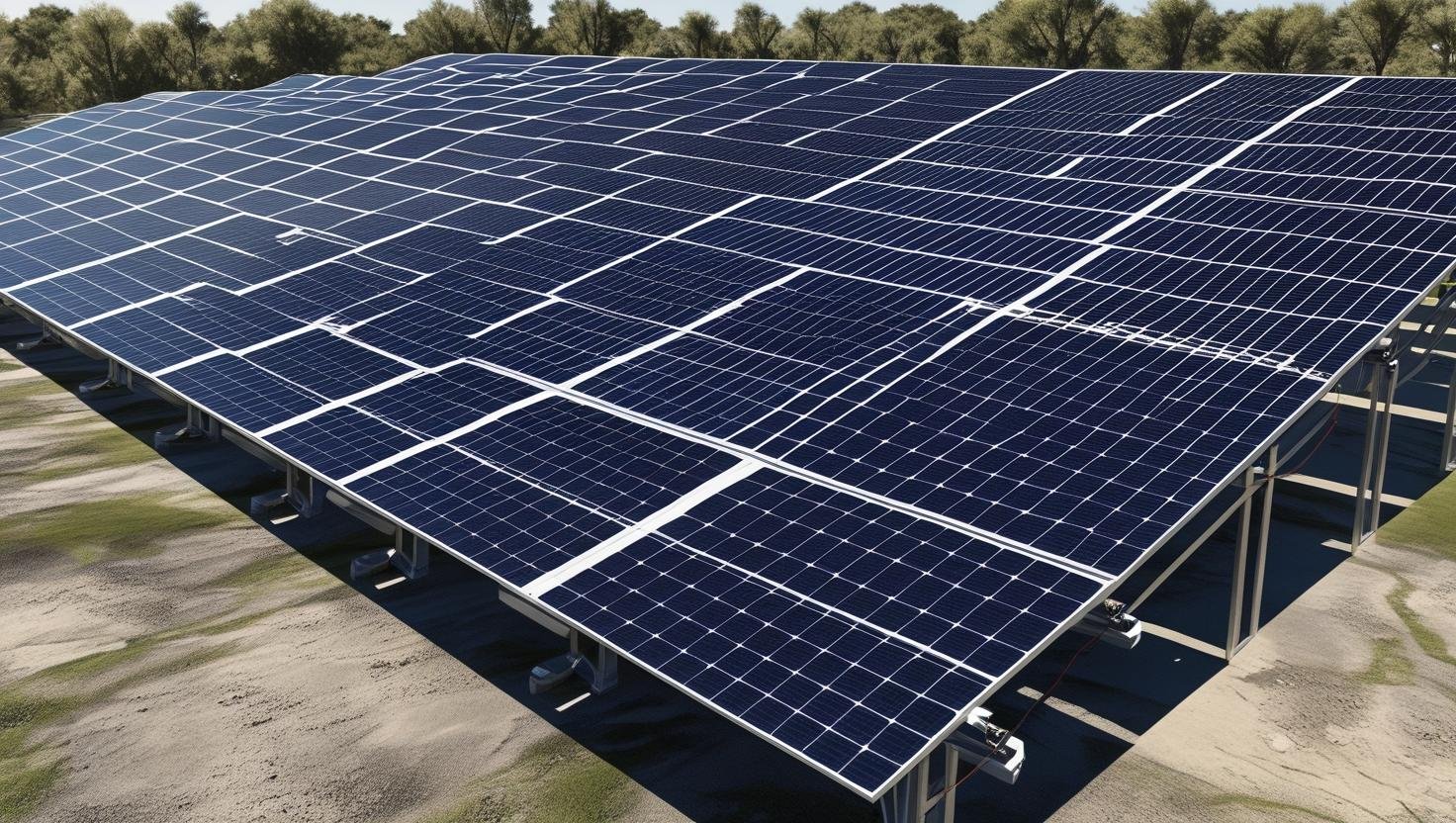
Installing a ground-mounted solar system is a fantastic way to harness the sun’s energy efficiently. But one key factor that can make or break your system is choosing the right ground mount. With so many options available, it can feel overwhelming. In this guide, we’ll walk you through the main considerations so you can pick the best mount for your solar panels.
Understand Your Solar Panel Type and Size
Before looking at mounts, it’s important to know what kind of panels you have. Different mounts are designed to support different panel sizes and weights. Whether you have standard framed panels, frameless designs, or bifacial panels, make sure your chosen mount is compatible. The wrong mount could compromise safety or performance.
Fixed vs. Adjustable Mounts
When it comes to ground mounts, you have two main categories: fixed and adjustable.
Fixed Mounts are installed at a permanent tilt. They are simple, durable, and cost-effective, making them perfect for most residential or small commercial projects.
Adjustable Mounts allow you to change the tilt angle seasonally. While slightly more expensive, they help maximize sunlight exposure throughout the year, increasing energy production.
Consider Your Foundation Type
The stability of your system depends on the foundation. Here are common options:
Concrete Footings: Great for heavier panels and areas with unstable soil. They provide the highest level of stability.
Ground Screws or Anchors: Quick to install and adjustable. Ideal for softer soil or smaller installations.
Hybrid Systems: Combine footings and screws for flexibility, often used in larger setups.
Tilt Angle and Tracking Options
The angle of your panels affects how much sunlight they capture.
Fixed Tilt: Choose an angle based on your latitude for optimal year-round production.
Single-Axis Trackers: Move panels east to west, increasing energy output by 15–25%.
Dual-Axis Trackers: Follow the sun vertically and horizontally for maximum efficiency, though at a higher cost.
Check Wind and Weather Resistance
Your mount needs to withstand local conditions. Consider:
Wind Load: Ensure the mount is rated for the maximum wind speeds in your area.
Snow and Ice Load: In colder regions, mounts must support additional weight to prevent damage.
Material and Durability
The material of your mount affects both longevity and performance:
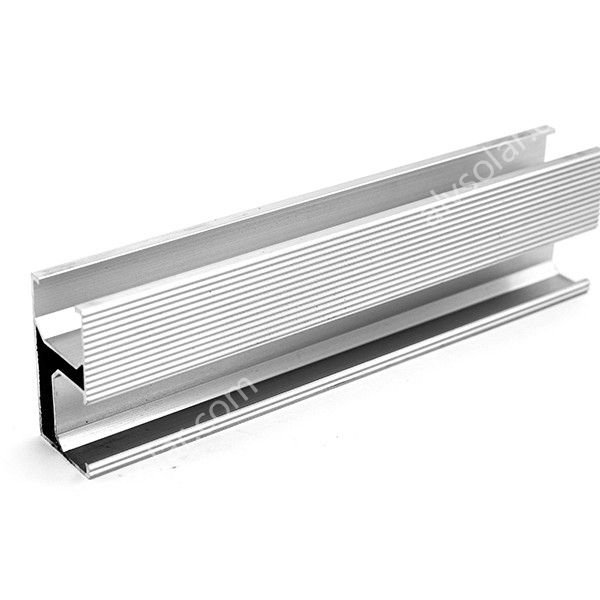
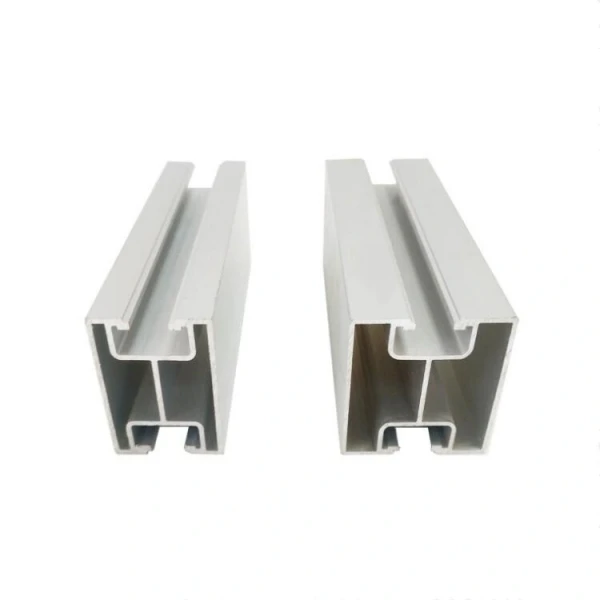
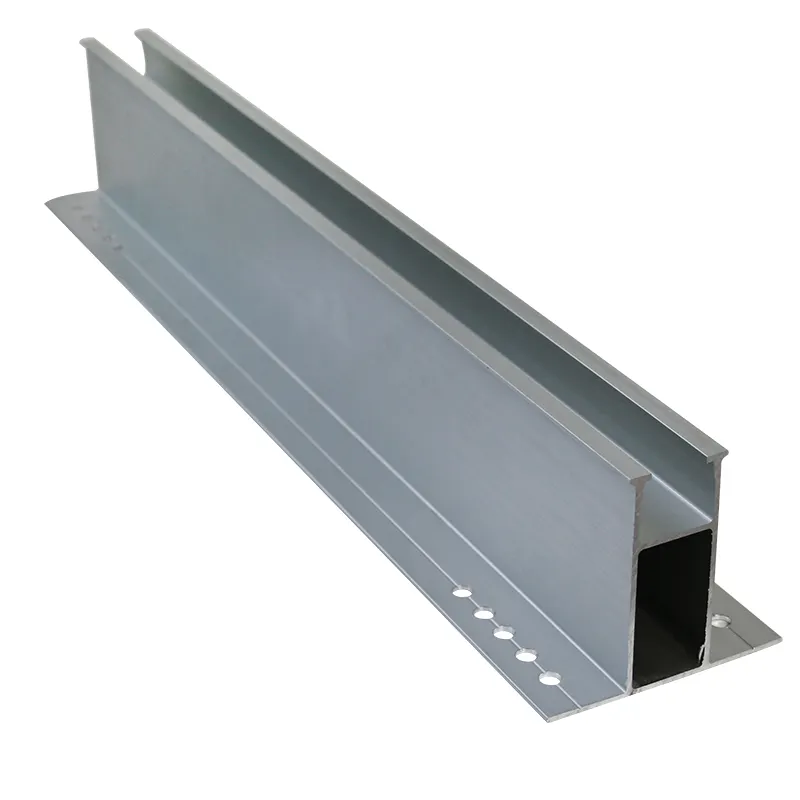
Aluminum: Lightweight and corrosion-resistant, but may flex under high winds.
Galvanized Steel: Stronger and ideal for harsh weather, slightly heavier.
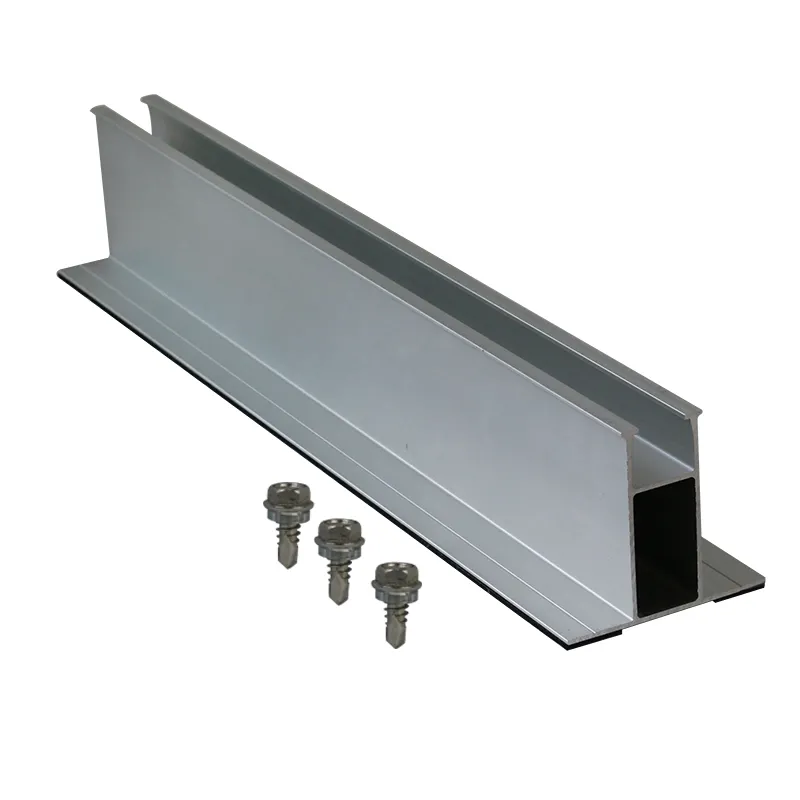
Stainless Steel Fasteners: Essential to prevent rust and maintain stability.
Ease of Installation and Maintenance
Look for mounts that are easy to assemble and allow convenient access for maintenance. Panels need periodic cleaning and inspection, so accessibility matters.
Budget and Long-Term ROI
While it’s tempting to go for the cheapest mount, consider the long-term energy gains. Adjustable or tracking mounts may cost more upfront but often pay off in increased energy production over the system’s lifetime.
Expandability
If you plan to expand your solar array in the future, choose a mount that allows easy additions without redoing the foundation.
Brand and Warranty
Finally, stick to reputable brands and check warranty coverage. Structural components often come with 10–25 year warranties, so make sure you’re covered.