

2026 How to Choose Best Solar Mounting Systems for Standing Seam Metal Roof

Installing solar on a standing seam metal roof is one of the most efficient and secure applications for solar mounting systems, but it requires specific knowledge. Unlike shingle or tile roofs, metal roofs allow for non-penetrating attachments that preserve the roof‘s integrity and warranty. Choosing the wrong clamp, however, can lead to catastrophic failures under wind load.
Why Standing Seam Metal Roof Are Ideal for Solar Mounting Systems
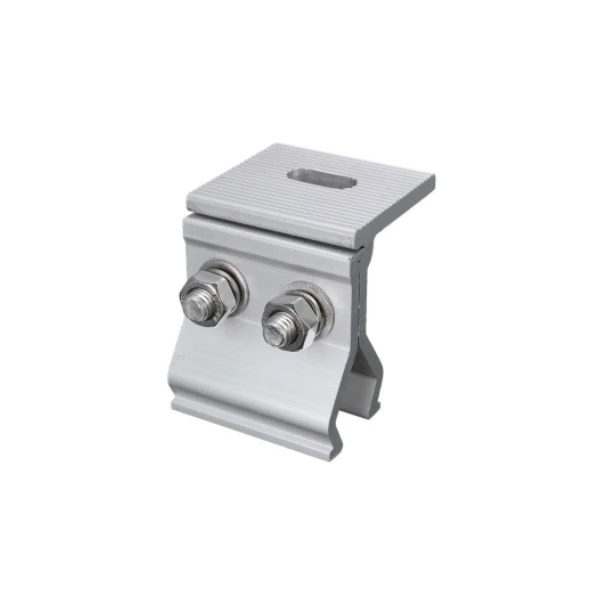
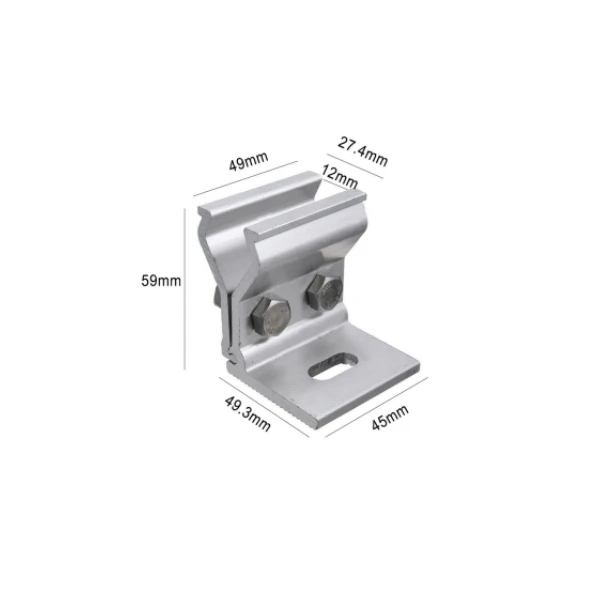
Mái kim loại ghép nối đứng are considered solar-friendly because the raised seams provide a strong, repeatable attachment point. Specialized clamps grip these seams mechanically without drilling any holes into the roof surface. This eliminates the primary risk of leaks associated with traditional solar mounting systems that rely on flashing and penetrations .
However, not all metal roofs are equal. The holding strength of a clamp depends on the seam profile, the panel gauge (thickness), and the specific manufacturer. A 22-gauge seam typically holds 15 to 25 percent more than a 26-gauge seam. Furthermore, two snap-lock panels from different manufacturers can have holding strengths that differ by as much as 30 percent . This variability means you cannot assume a generic clamp will work; you must match the solar mounting systems hardware to the specific roof.
The Critical Role of UL 2703 and Structural Letters
A common misconception is that UL 2703 certification covers the entire installation. In reality, UL 2703 tests the clamp‘s holding strength and electrical bonding—it does not cover the structural deck, purlins, or rafters underneath the metal panel . A clamp might hold 3,000 lbf, but if the purlin it attaches to pulls out at 1,200 lbf, the system fails.
This is why a structural engineer’s letter is mandatory in most U.S. jurisdictions for standing seam metal roof installations. The engineer must verify that the underlying structure can handle the array‘s wind and snow loads. Additionally, for projects requiring the roof manufacturer’s water-tightness warranty to remain valid, you must request a written confirmation letter citing the specific clamp, torque value, and maximum array dead load .

Installation Best Practices for Metal Roof Solar Mounting Systems
Proper installation of solar mounting systems on a standing seam metal roof follows a precise workflow. First, a pre-installation survey must record the seam profile, panel gauge, and purlin spacing. Next, layout chalk lines parallel to the seams (not the roof edge) and mark clamp positions, using tighter spacing at corners and eaves per ASCE 7-22 wind zone analysis .
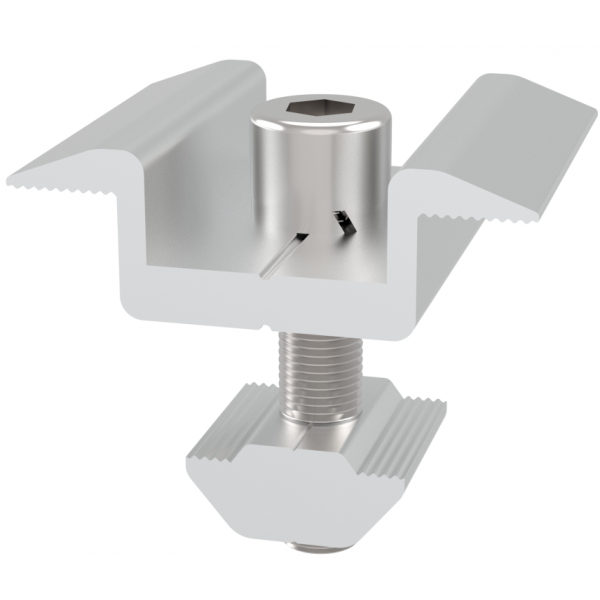
During clamp installation, set screws must be tightened in a cross pattern to the manufacturer’s specified torque—typically 160 to 180 in-lb—and marked for inspection. If rails are used, L-feet are bolted to the clamp tops. Finally, modules are placed and mid-clamps are torqued to the module manufacturer‘s specification (often 8 to 12 ft-lb) .
Why ALV Solar Excels in Metal Roof Solar Mounting Systems
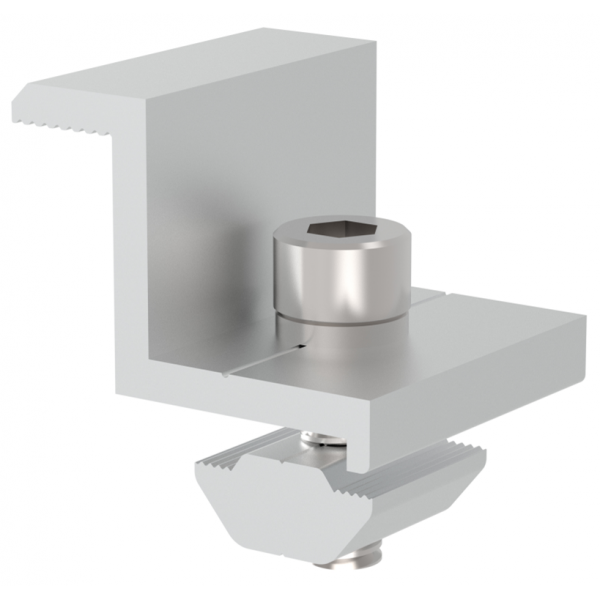
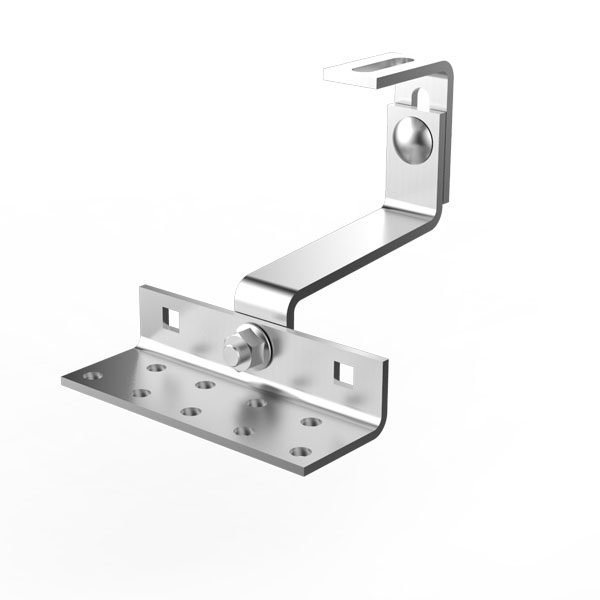
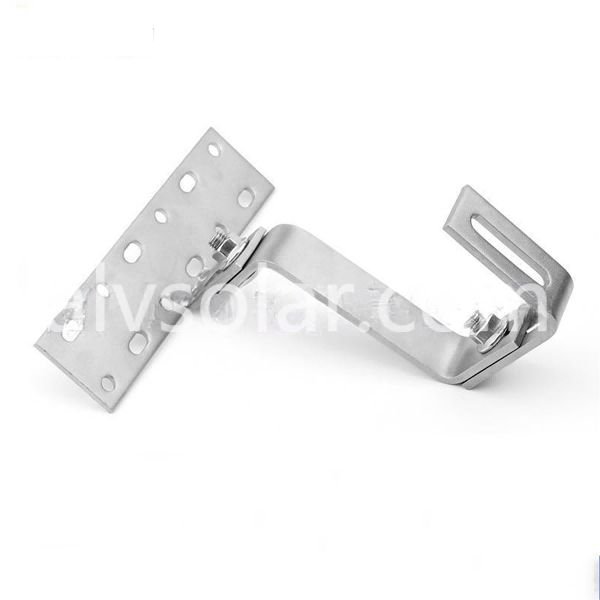
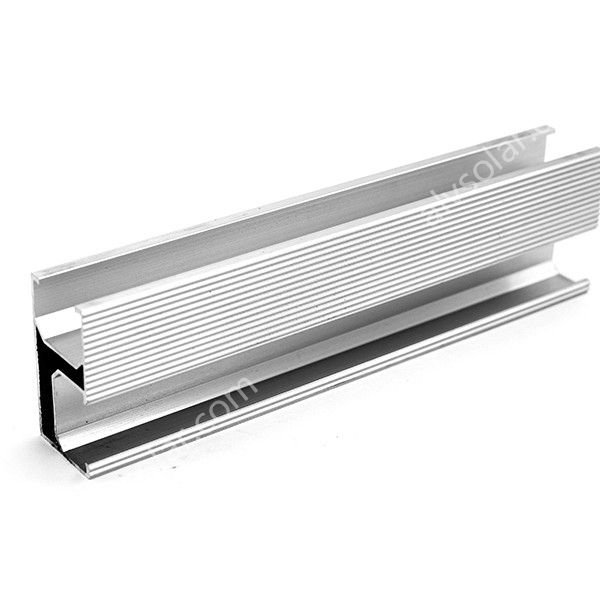
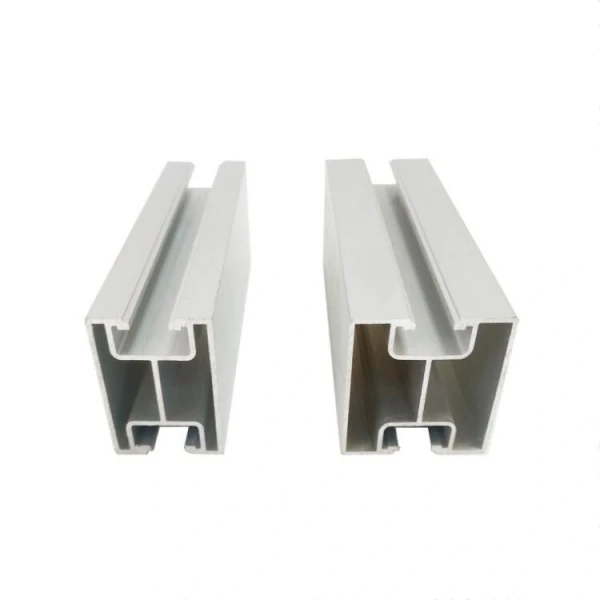
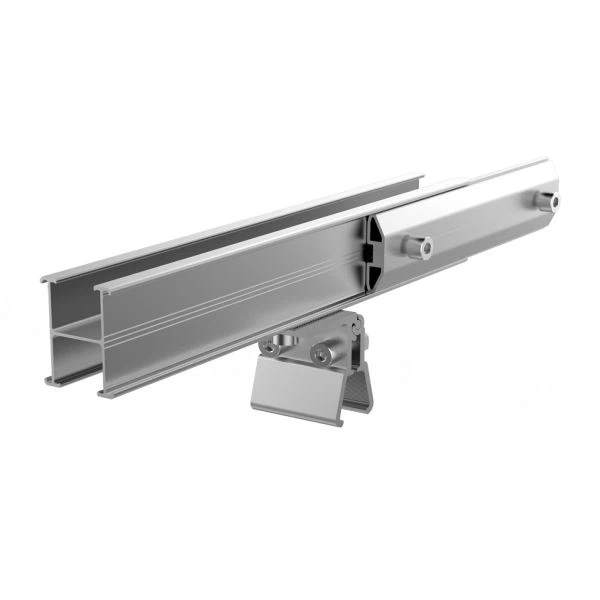
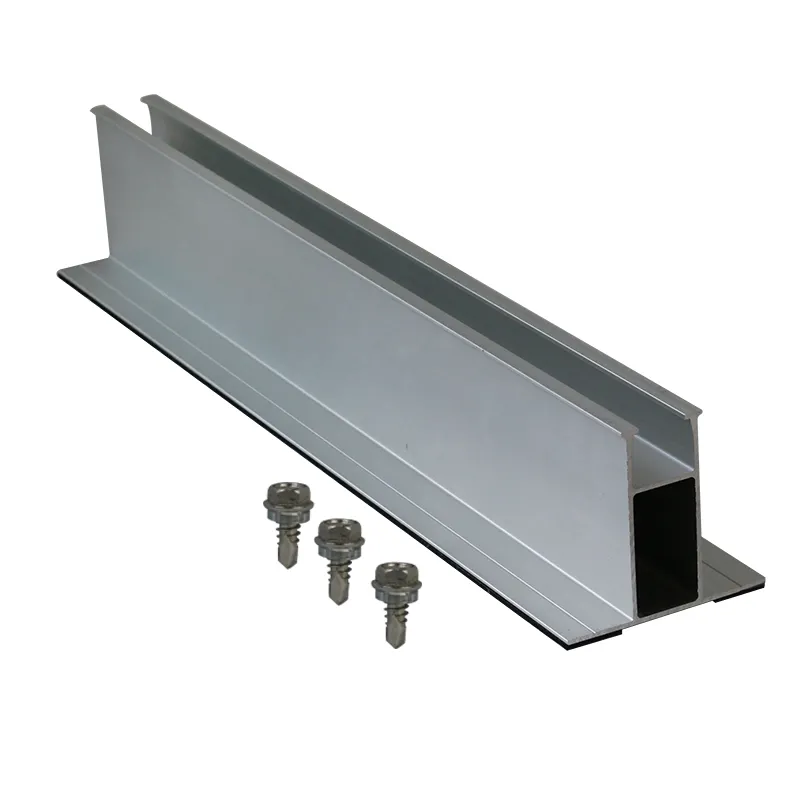
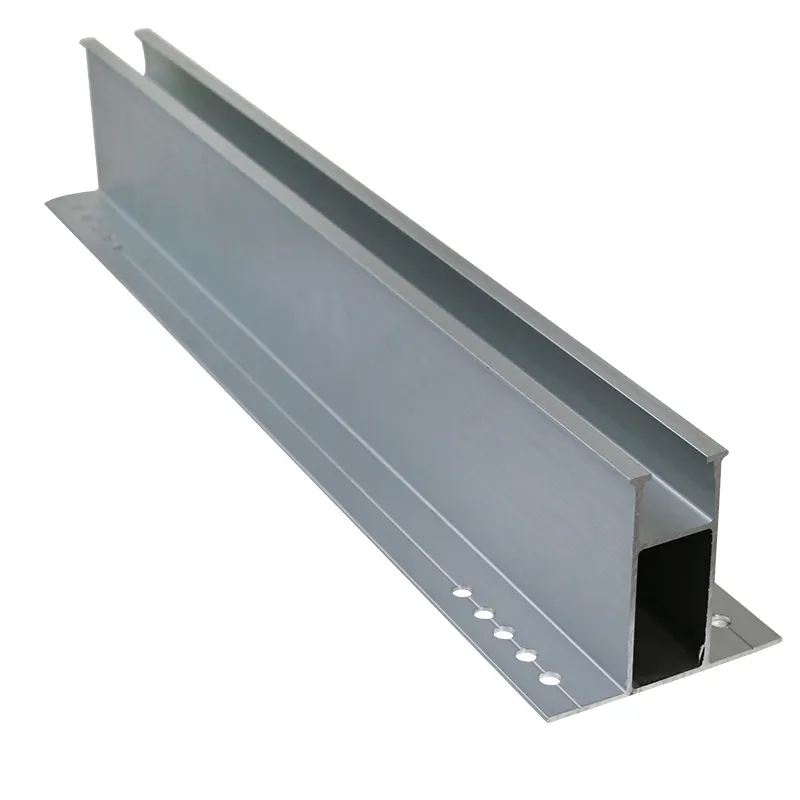
ALV Solar provides specialized solar mounting systems designed specifically for standing seam metal roofs. Our non-penetrating clamps are engineered to match various seam profiles, ensuring a secure grip without compromising the roof’s waterproofing. Our systems are certified to SGS/CE, AS/NZS1170, and ISO9001, and are tested for wind loads up to 60 m/s.
We understand that metal roof installations demand precision. ALV Solar offers custom CAD design to verify clamp compatibility with your specific roof gauge and seam type, along with structural calculation support for permit approval. Whether you are installing on a commercial warehouse or a residential home, our team ensures your solar mounting systems are engineered for a 25-year service life. Contact ALV Solar for a tailored solution that protects your roof and maximizes your energy yield.
Những câu hỏi thường gặp
1. Can solar mounting systems be installed on any metal roof?
Most standing seam metal roofs work well with non-penetrating clamps. However, corrugated or exposed-fastener metal roofs may require different attachment methods. Always verify the roof profile and gauge with the mounting system manufacturer .
2. Will installing solar void my metal roof warranty?
It can if proper procedures are not followed. Using non-penetrating clamps from an approved list and obtaining a written confirmation letter from the roof manufacturer helps preserve the warranty. Penetrating mounts are more likely to cause warranty issues .
3. What is the most important factor for metal roof solar mounting systems?
Wind uplift is the controlling factor for most projects. The clamp must be rated for the local wind speeds, and the underlying purlins must be structurally adequate. Zone-specific wind analysis is critical, especially for corner and edge panels .
4. How do I know which clamp is right for my standing seam roof?
You need to know the seam profile, panel gauge, and manufacturer. Major roof manufacturers publish approved solar attachment lists. If your combination is not listed, request a project-specific warranty confirmation letter .
5. Can I install solar on a metal roof myself?
While possible for experienced DIYers, it requires specialized tools and knowledge of structural loading. Most jurisdictions require a stamped structural letter for permit approval, which typically requires an engineer. For safety and warranty compliance, professional installation is recommended.