

How Much Does a Solar Mounting System Cost in 2026?

Last Updated: July 22nd,2026
Author: Devi Huang| International Sales Team, ALV
Devi Huang is part of the international sales team at ALV, a manufacturer of solar mounting systems and aluminum profiles. She works with EPC contractors, distributors, and project developers worldwide, helping customers choose the right mounting solutions based on project requirements, local standards, and budget.
How Much Does a Solar Mounting System Cost in 2026?
The cost of a solar mounting system in 2026 typically ranges from USD 0.05 to USD 0.20 per watt, depending on the project type, mounting material, structural design, wind and snow load requirements, and installation location. For commercial and utility-scale projects, mounting structures usually account for 8–15% of the total solar system cost, making them a critical investment in long-term system performance rather than just a supporting component.
What Is Included in the Cost of a Solar Mounting System?
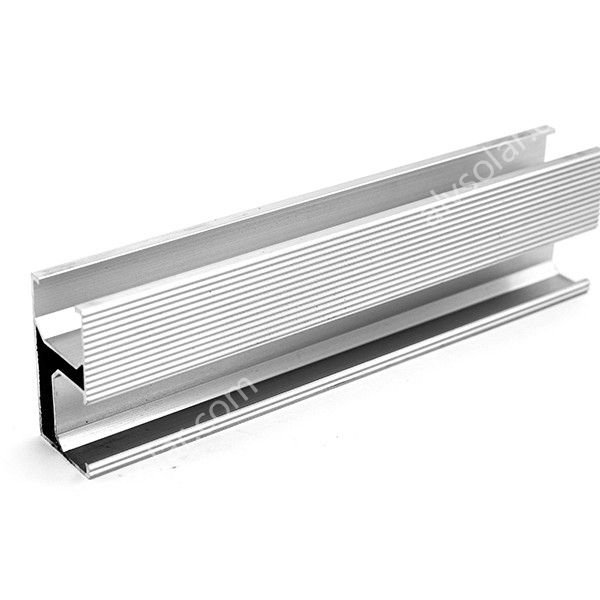
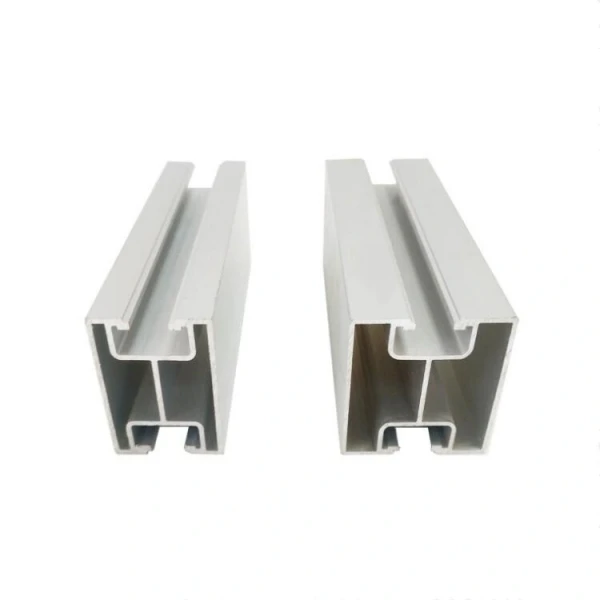
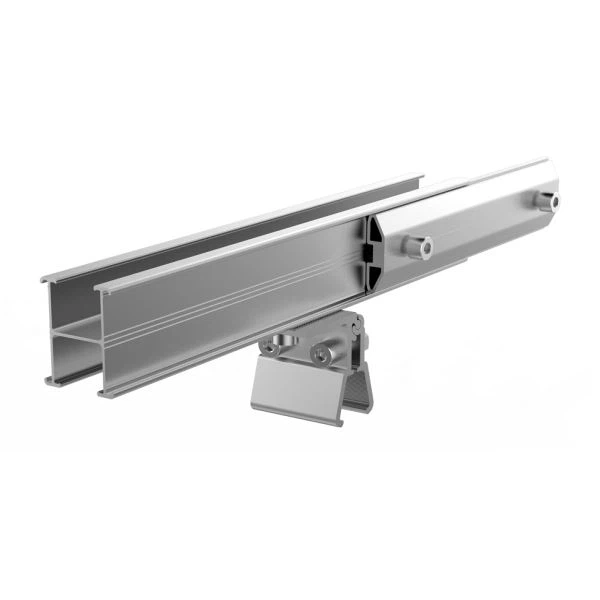
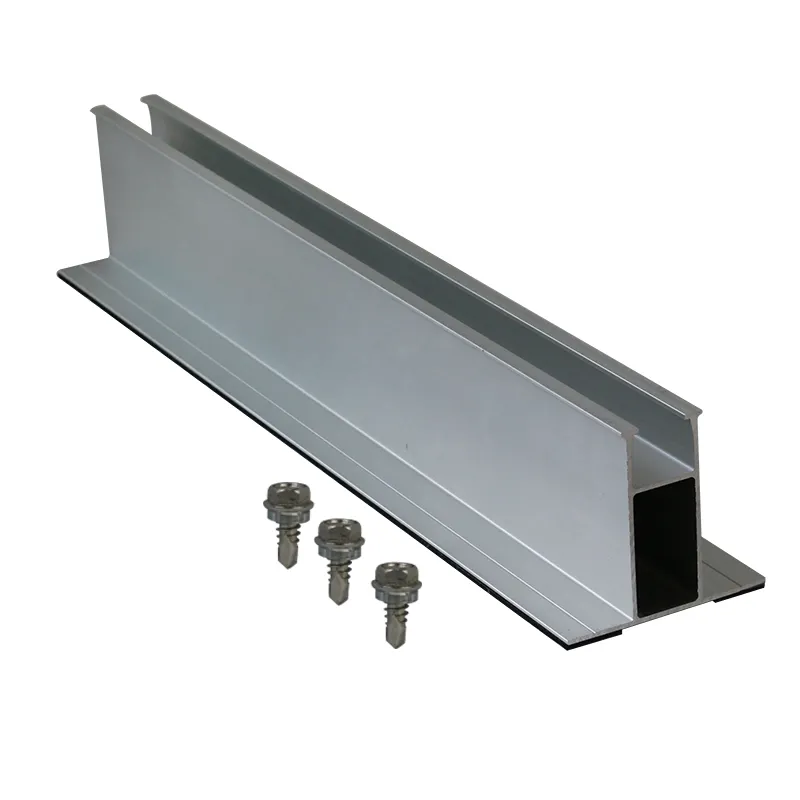
A solar mounting system is more than just rails and brackets. A complete solution generally includes:
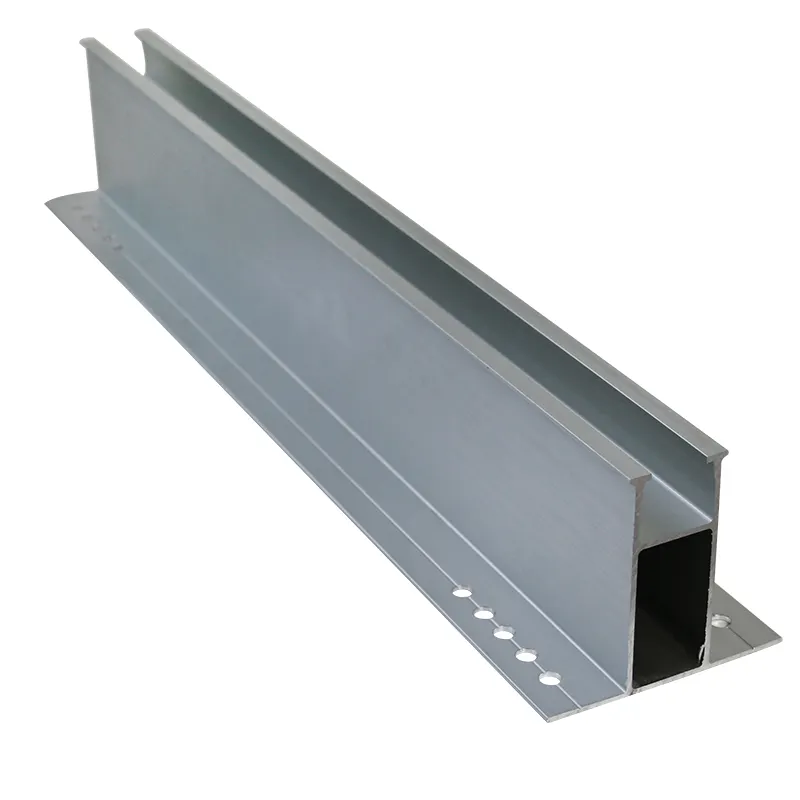
- Mounting rails
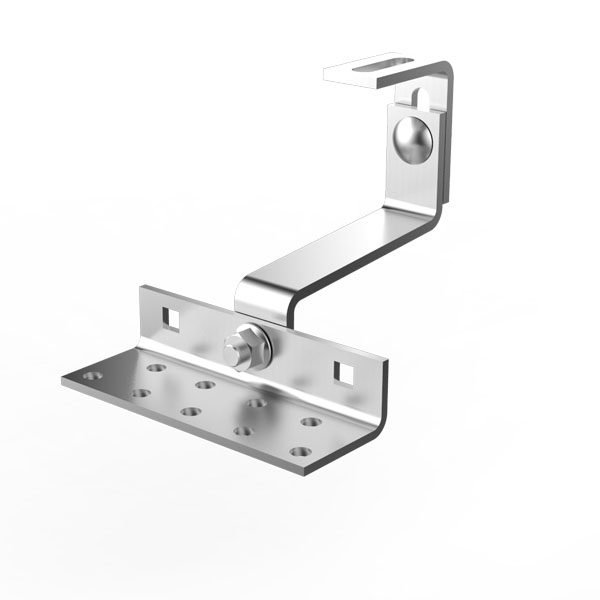
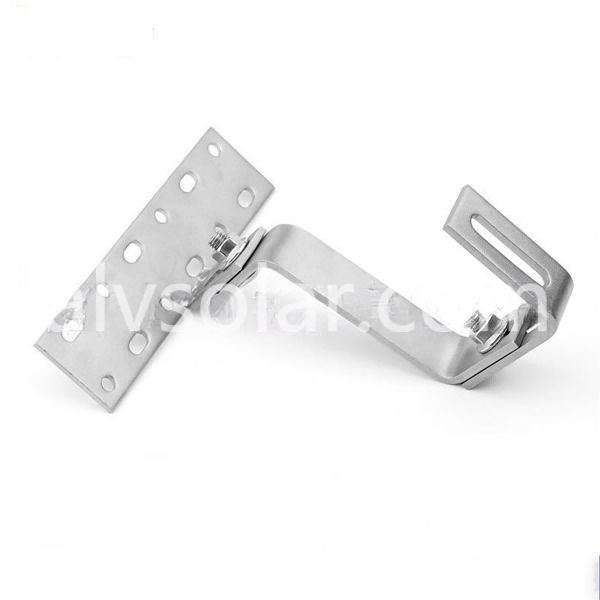
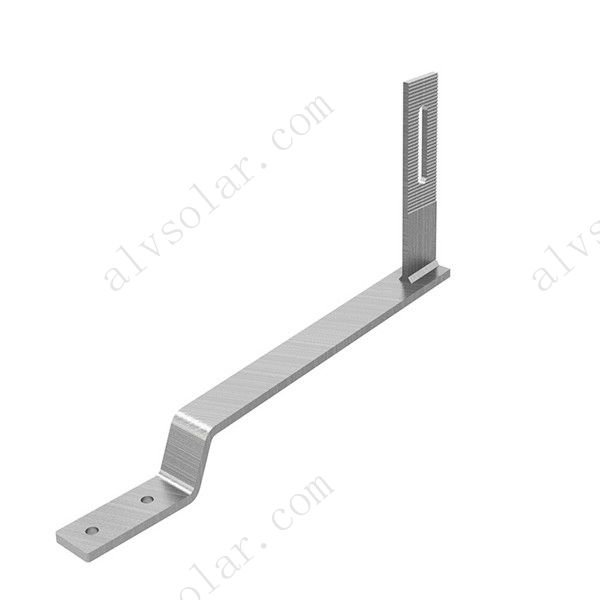
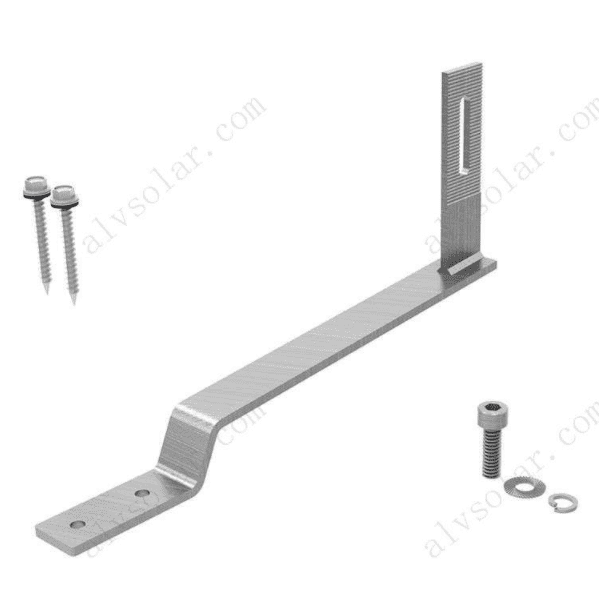
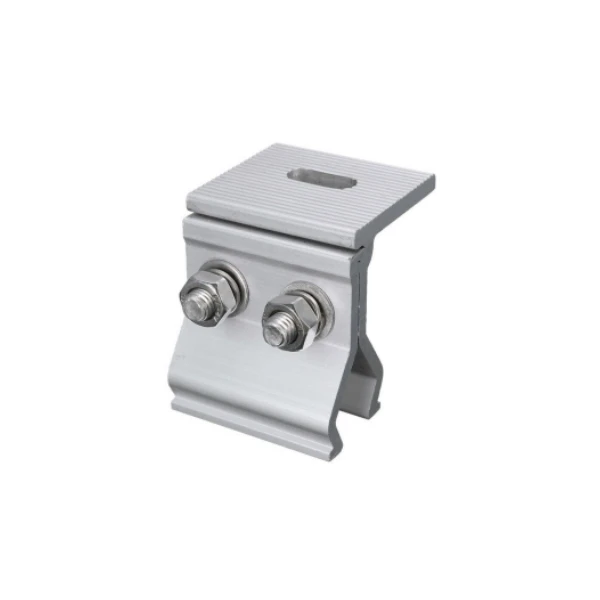
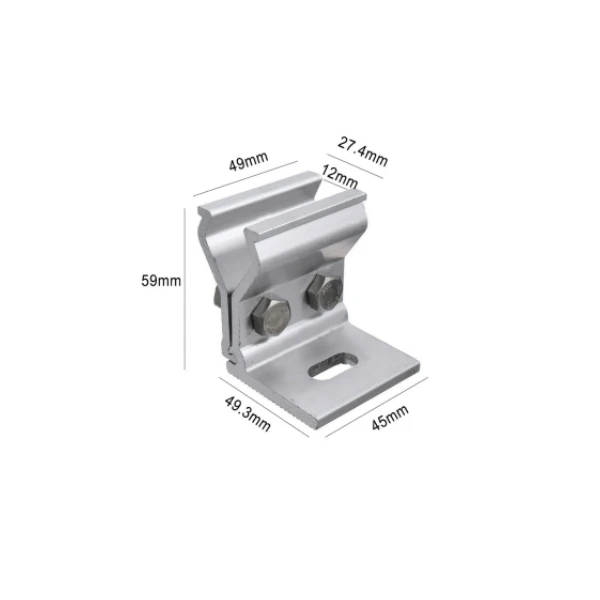
- Roof or ground brackets
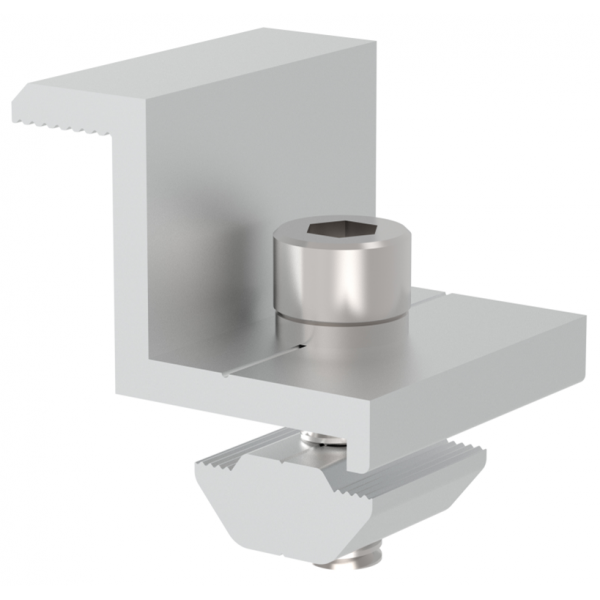
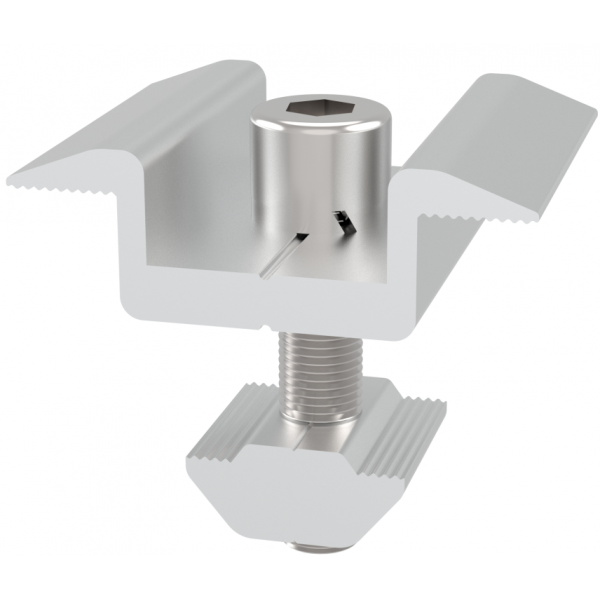
- Mid clamps and end clamps
- Bolts, nuts, and fasteners
- Grounding accessories
- Structural connectors
- Engineering drawings (for customized projects)
- Installation manuals
Some manufacturers also provide structural calculations, customized layouts, and technical support as part of the quotation, while others charge separately for these engineering services.
Average Solar Mounting System Costs in 2026
The total cost varies depending on the application and project scale.
| طلب | Typical Cost (USD/W) | Typical Cost per kW | Best For |
| Residential Roof | $0.08–0.18 | $80–180 | Homes and small businesses |
| Commercial Roof | $0.07–0.15 | $70–150 | Factories and warehouses |
| Ground-Mounted Systems | $0.05–0.12 | $50–120 | Utility-scale projects |
| Solar Carports | $0.12–0.20 | $120–200 | Parking lots and commercial facilities |
| Customized Structures | Project-based | Varies | Special engineering requirements |
Note: Prices shown are for mounting structures only and do not include solar panels, inverters, electrical equipment, or installation labor.
Material Comparison: Aluminum vs. Galvanized Steel
At ALV, we offer both aluminum and galvanized steel mounting solutions. Material selection has a significant impact on project cost and long-term performance.
| مادة | Initial Cost | Corrosion Resistance | Weight | Typical Applications |
| Aluminum Alloy | Higher | Excellent | Lightweight | Rooftops, coastal areas |
| Hot-Dip Galvanized Steel | Lower | Very Good | Heavy | Ground-mounted solar farms |
| Zinc-Aluminum-Magnesium Steel | Medium | Excellent | Medium | High-corrosion environments |
Although aluminum systems generally cost more upfront, they often reduce transportation expenses and installation time due to their lighter weight. Galvanized steel remains the preferred choice for large ground-mounted projects because of its high structural strength and cost efficiency.
What Factors Affect Solar Mounting System Costs?
Several variables influence the final quotation.
1. Project Scale
Larger projects benefit from economies of scale, resulting in lower unit prices. Utility-scale solar farms often achieve significantly lower costs per watt than residential installations.
2. Wind and Snow Loads
Projects located in regions with strong winds or heavy snowfall require reinforced structural designs and additional materials. Design requirements are commonly based on standards such as ASCE 7 (United States) or EN 1991 (Eurocode).
3. Roof Type
Metal roofs, tile roofs, flat roofs, and concrete roofs each require different mounting accessories and installation methods, affecting both material and labor costs.
4. Surface Treatment
Hot-dip galvanizing, anodizing, and advanced corrosion-resistant coatings increase durability but also raise manufacturing costs.
5. Engineering Services
Customized structural calculations, 3D layouts, foundation analysis, and certification documents may be included in premium quotations.
Should You Choose the Lowest Price?
Not necessarily.
A low-cost mounting system may reduce initial investment, but poor material quality or inadequate structural design can lead to corrosion, installation delays, higher maintenance costs, or even structural failure. According to industry data from PV-maps, photovoltaic plants built with low-quality or poorly designed equipment incur 2–3 times higher corrective maintenance costs—approximately €5–10 per kWp per year—compared to just €1–3 per kWp per year for plants with quality equipment.
When evaluating suppliers, consider the following:
- Material quality and traceability
- Structural engineering capabilities
- Manufacturing experience
- Quality control procedures
- Warranty period
- International certifications
- Technical support after delivery
A reliable mounting system should deliver consistent performance throughout the expected 25–30-year lifespan of a solar project.
Industry Standards That Influence Cost
Reputable manufacturers design their products in accordance with internationally recognized standards, including:
- ASCE 7 – Minimum Design Loads and Associated Criteria for Buildings and Other Structures (wind, snow, and seismic loads)
- EN 1991 (Eurocode 1) – Actions on Structures for European engineering projects
- ISO 9227 – Salt spray corrosion testing for protective coatings
- AS/NZS 1170 – Structural Design Actions for Australia and New Zealand (wind, snow, and seismic loads, equivalent to ASCE 7 for the Australasian market)
Compliance with these standards helps ensure structural safety, long-term durability, and regulatory acceptance in global markets.
الأسئلة الشائعة
1. How much does a solar mounting system cost per watt?
In 2026, most solar mounting systems cost between USD 0.05 and USD 0.20 per watt, depending on the project type, material, and engineering requirements.
2. Why are rooftop mounting systems usually more expensive?
Rooftop systems often require specialized brackets, flashing components, and customized installation methods to match different roof structures, increasing both material and labor costs.
3. Is aluminum worth the higher price?
For rooftop and coastal applications, aluminum is often worth the investment because of its lightweight design, excellent corrosion resistance, and lower maintenance requirements.
4. Can I reduce mounting system costs without sacrificing quality?
Yes. Standardized designs, larger order volumes, and optimized engineering can lower costs while maintaining structural reliability.
5. Do mounting system prices include installation?
Not always. Most manufacturer quotations cover the mounting structure itself, while installation labor is typically priced separately by local contractors.
6. What information should I provide before requesting a quotation?
To receive an accurate quotation, prepare the following information:
- Project location
- Roof type or ground conditions
- Solar panel dimensions
- Installation angle
- Wind and snow load requirements
- Total project capacity
- Applicable local design standards
Conclusion
The price of a solar mounting system in 2026 depends on much more than the raw material cost. Project scale, structural design, environmental conditions, engineering support, and compliance with international standards all influence the final price. Instead of focusing solely on the lowest quotation, buyers should evaluate the total lifecycle value, including durability, installation efficiency, and long-term maintenance costs.
A well-designed mounting system not only protects your investment but also improves the reliability and performance of your entire photovoltaic project.
Request aLV Customized Quote
Planning a rooftop, commercial, or utility-scale solar project?
Our engineering team can provide customized solar mounting solutions, including structural calculations, layout optimization, and product recommendations based on your local wind and snow loads.
Contact ALV today to receive a tailored quotation and expert technical support for your next PV installation.