

Rooftop Solar Mounting Systems – 2026 A Guide by Roof Type

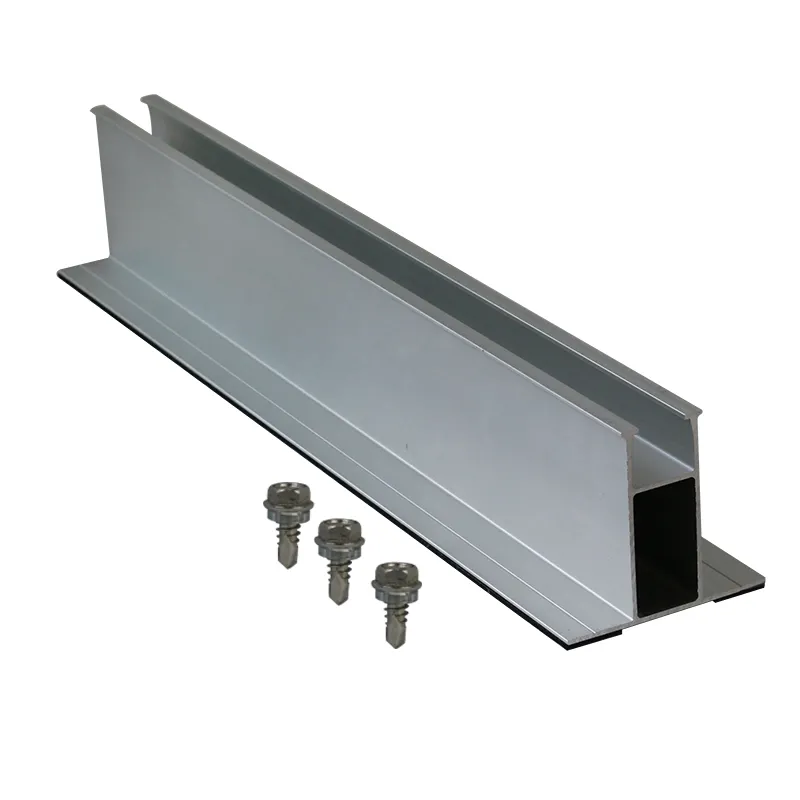
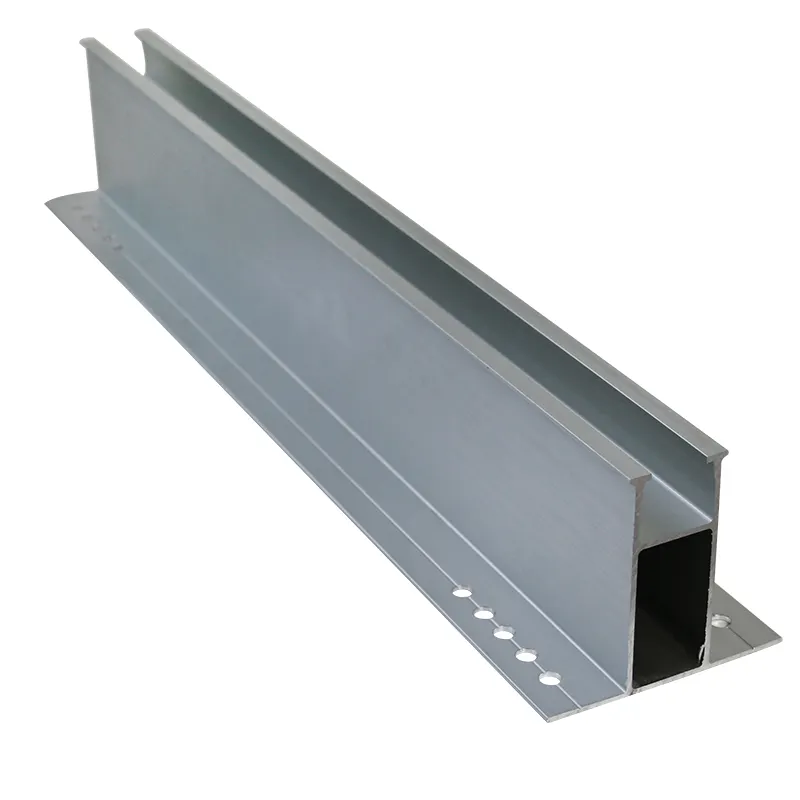
The best rooftop solar mounting system depends entirely on the type of roof you have. A solution designed for a flat commercial roof will be vastly different from one for a clay tile residential roof. Understanding these differences is crucial to avoid voiding your roof warranty and ensure a long-lasting installation .
Standing Seam Metal Roofs: The Zero-Penetration Solution
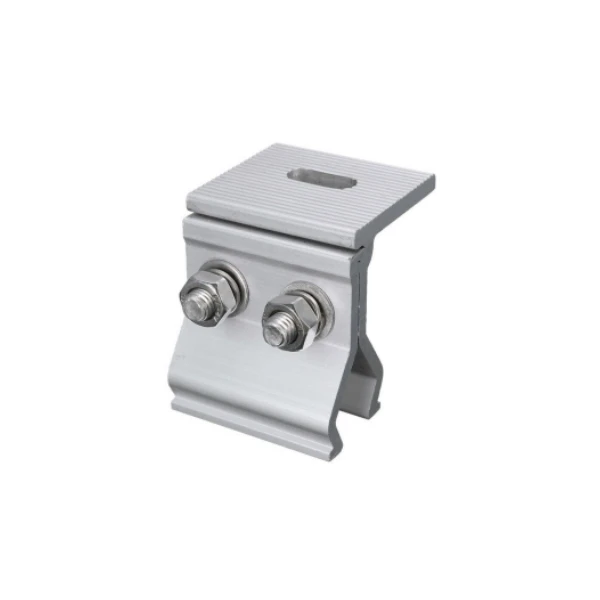
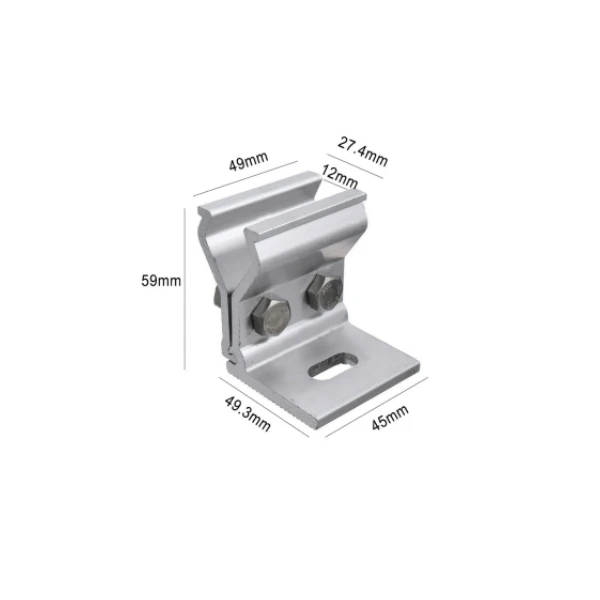
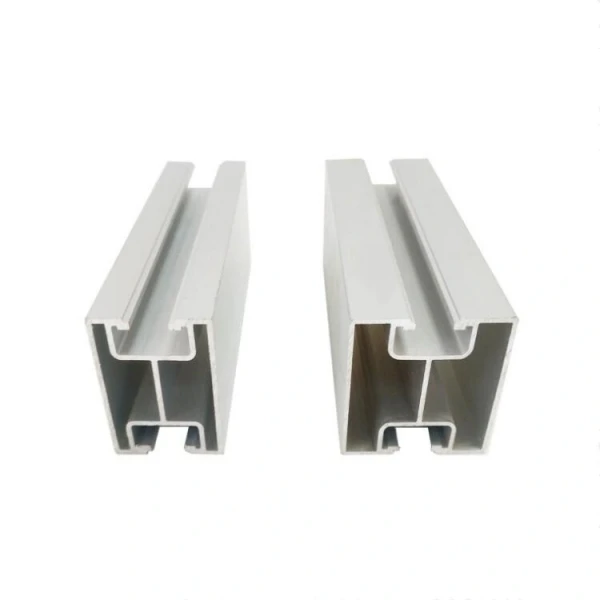
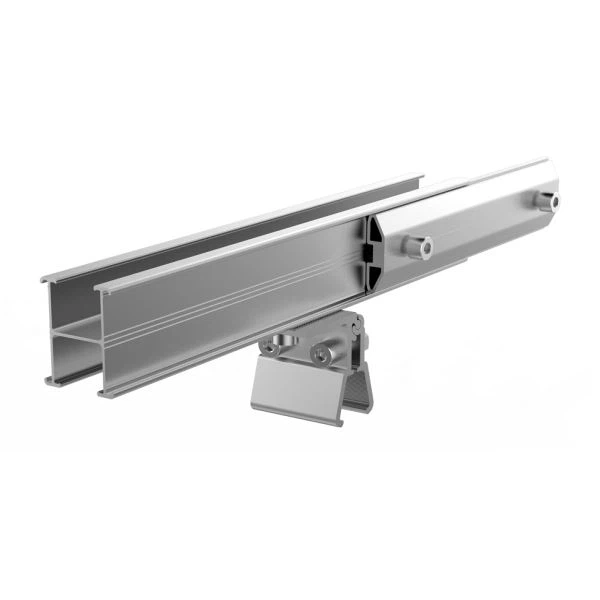
For warehouses and industrial buildings with standing seam metal roofs, non-penetrating solar mounting systems are the gold standard. These systems use specialized clamps that attach directly to the roof’s raised seams without drilling any holes. This method preserves the roof’s waterproofing and warranty . You can choose between flush-mount roof rack systems that keep panels low-profile or tilted structures to optimize the sun’s angle .
Pitched Tile Roofs: Precision is Key
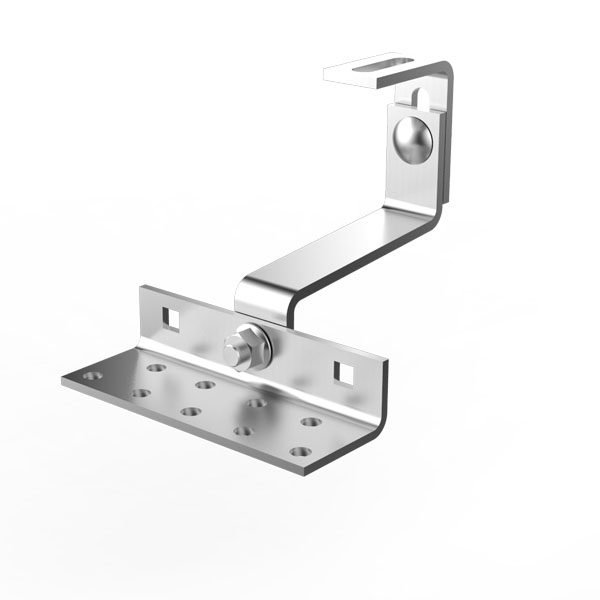
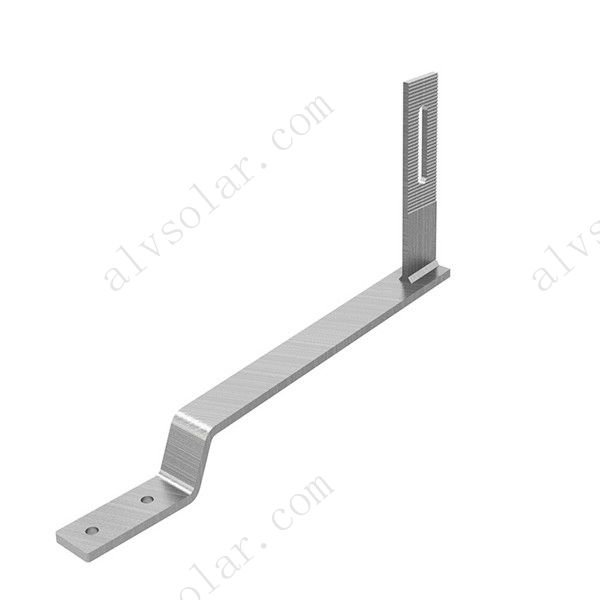
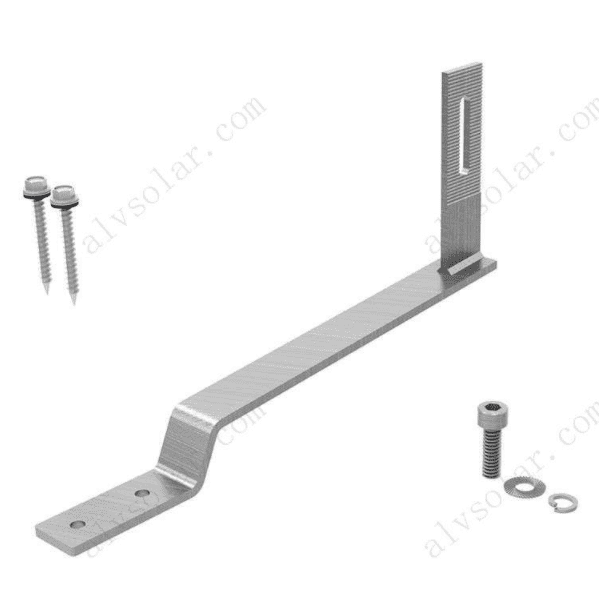
Installing solar on concrete or clay tile roofs requires a delicate touch. Specialized tile hooks are used to slide under the tile and attach directly to the structural rafters, avoiding any breakage. In some cases, like with clay tiles, it’s common to replace the tile below the bracket with a flexible rubber alternative to prevent cracking from the downward load . This ensures the system can withstand wind speeds of up to 60 m/s without damaging the fragile roofing material .
Ballasted Systems for Flat Roofs
For flat roofs where penetrations are undesirable, ballasted mounting is a highly effective option. Instead of drilling, these systems use heavy weights (like concrete blocks) to hold the solar array in place. This is ideal for large commercial buildings but requires a structural engineer to confirm the roof can handle the extra weight . Often, a flat roof ballasted system will tilt the panels to an optimal 10-15° angle to maximize sun exposure .