

Solar Panel Mounting Rails: Types, Sizes, and Materials Explained(2026)

Last Updated: October 12th, 2026
مؤلف: ديفي هوانغ | فريق المبيعات الدولية، ALV(عنوان البريد الإلكتروني:sales@xmalv.com)
Devi Huang is part of the international sales team at ALV, a manufacturer of solar mounting systems and aluminum profiles. She works with EPC contractors, distributors, and project developers worldwide, helping customers choose the right mounting solutions based on project requirements, local standards, and budget.
What Are Solar Panel Mounting Rails?
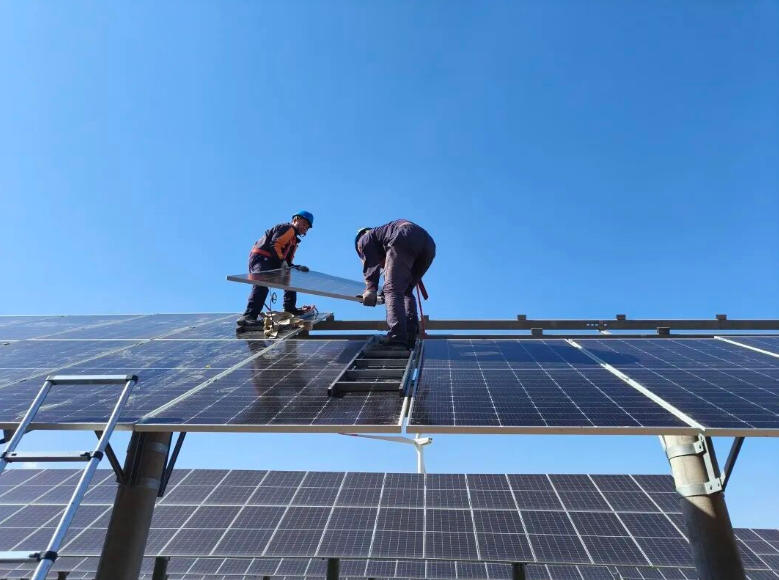
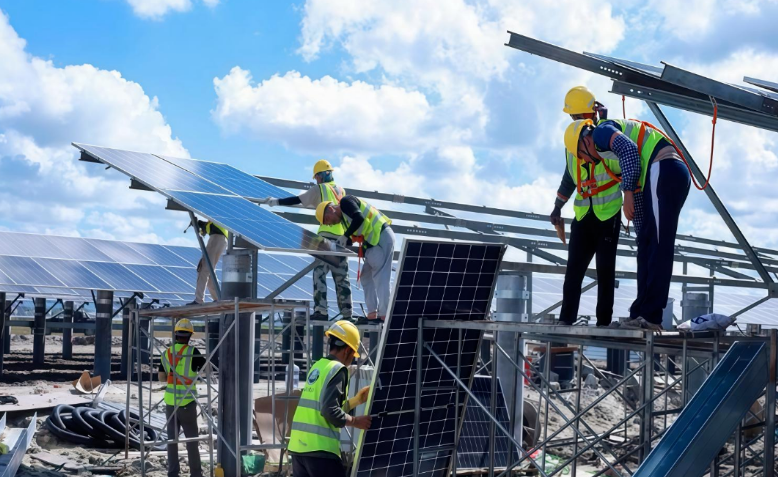
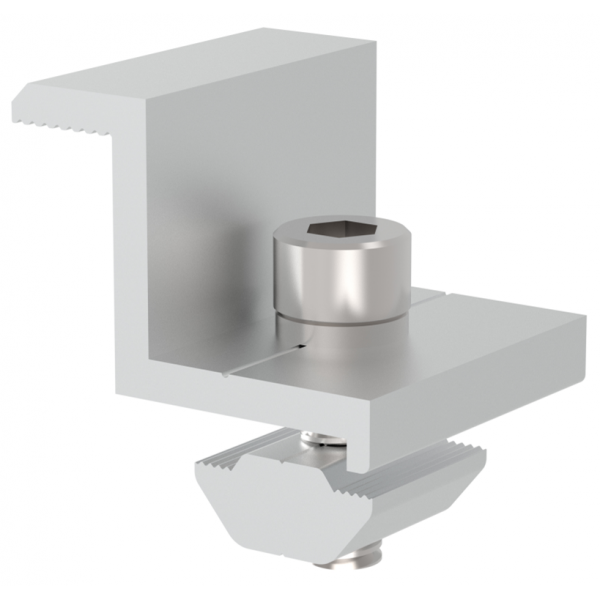
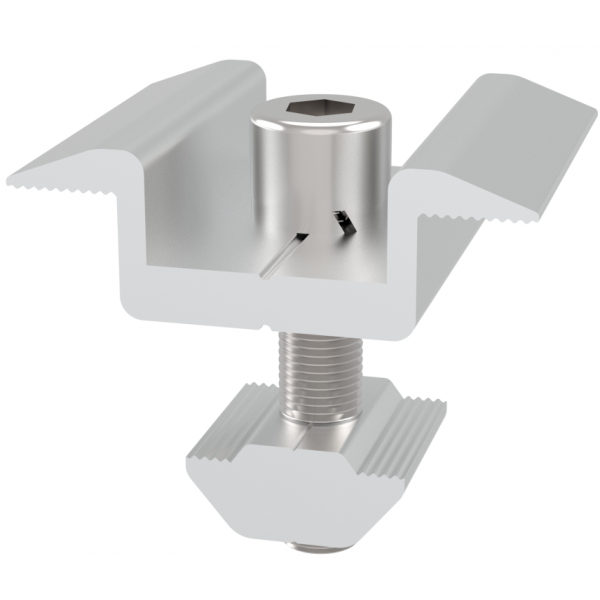
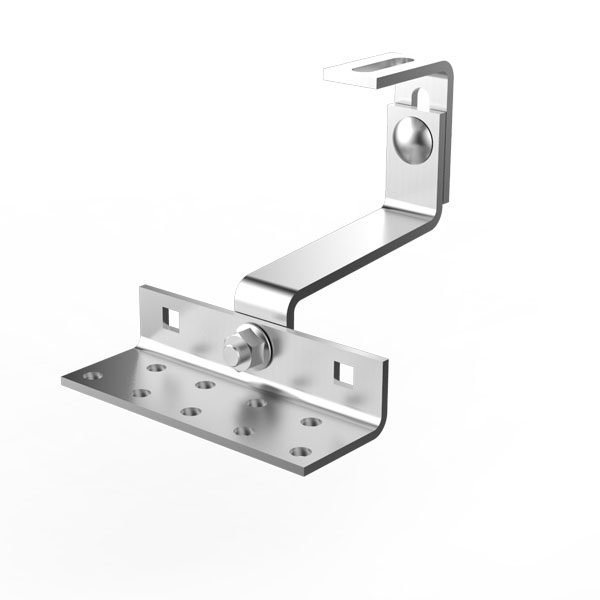
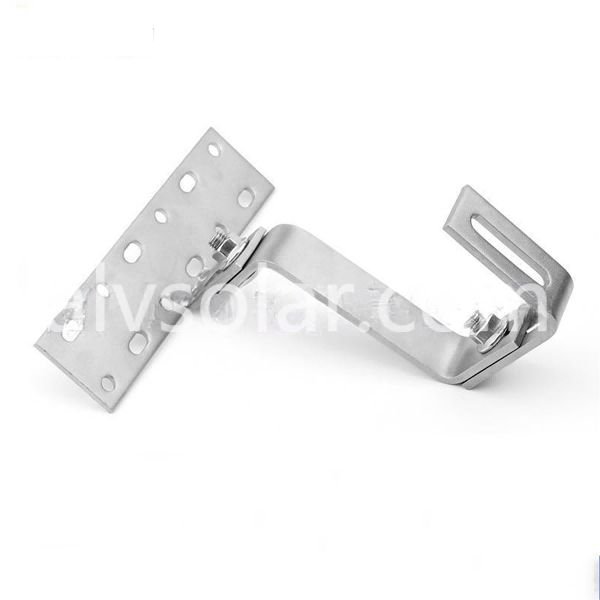
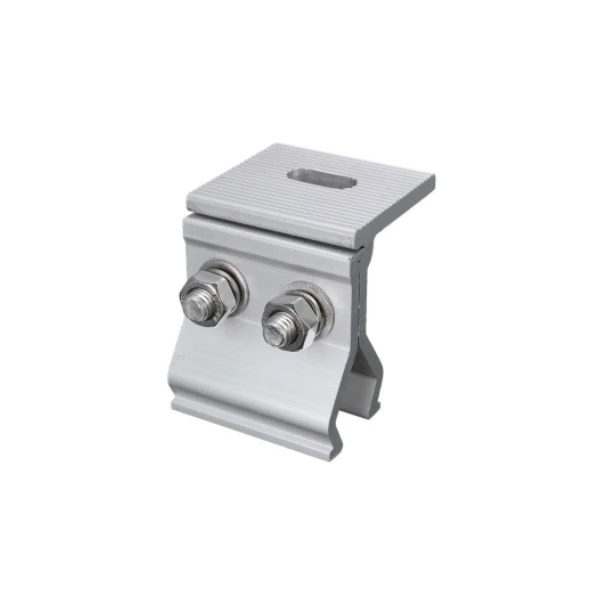
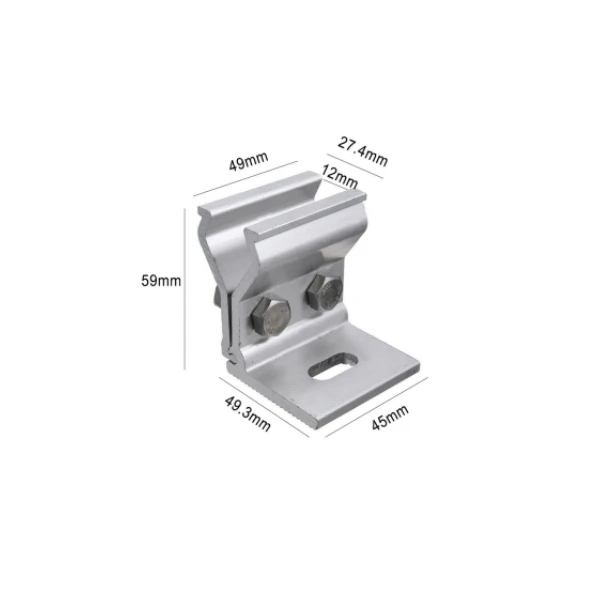
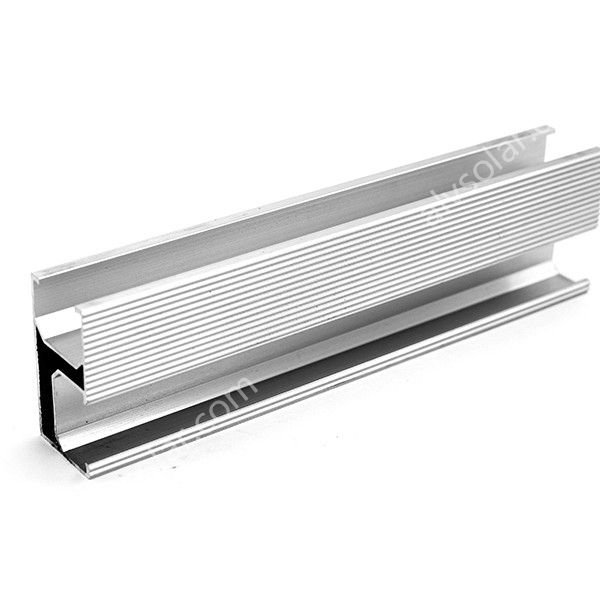
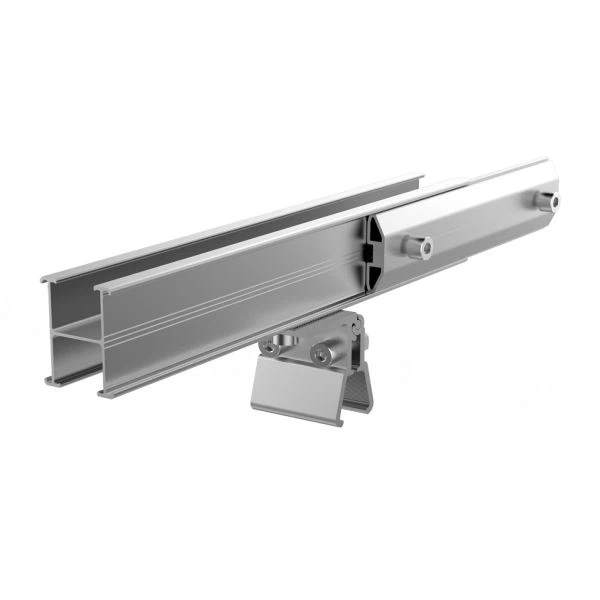
A solar mounting rail is a structural profile installed beneath or alongside PV modules. Mid clamps and end clamps typically attach the module frames to the rail, while the rail itself connects to roof attachments, brackets, L-feet, hooks, or other supporting components.
Depending on the project, rails can be used on tile roofs, trapezoidal metal roofs, standing-seam roofs, flat roofs, and other mounting configurations. ALV manufactures aluminum solar mounting profiles and complete PV mounting solutions for rooftop, ground-mounted, and carport applications.
The rail must transfer module loads safely to the supporting structure. This means the correct rail cannot be selected only from module dimensions; project-specific wind, snow, span, fixing points, and installation orientation also need to be considered.
What Are the Main Types of Solar Mounting Rails?
Solar rails can be classified by their cross-section, installation application, and structural requirements.
| Rail Type | التطبيق النموذجي | Main Characteristic |
| Standard aluminum rail | Residential and commercial pitched roofs | Lightweight and versatile |
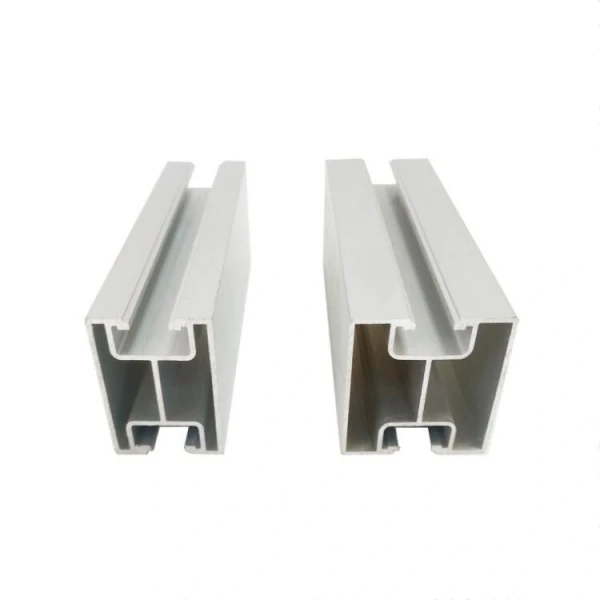
| Heavy-duty aluminum rail | Large commercial rooftops | Higher stiffness and longer spans |
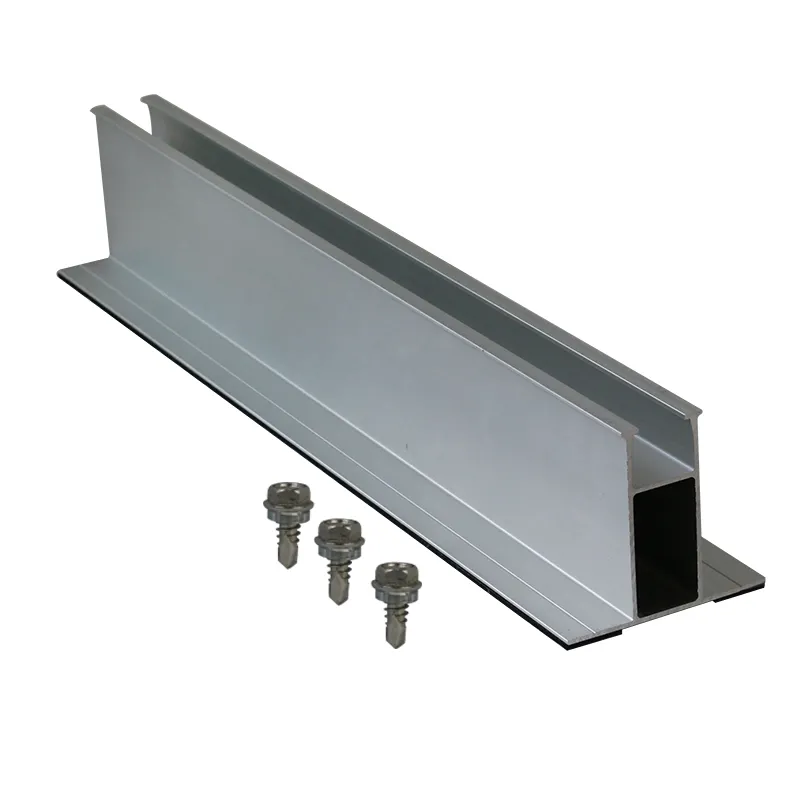
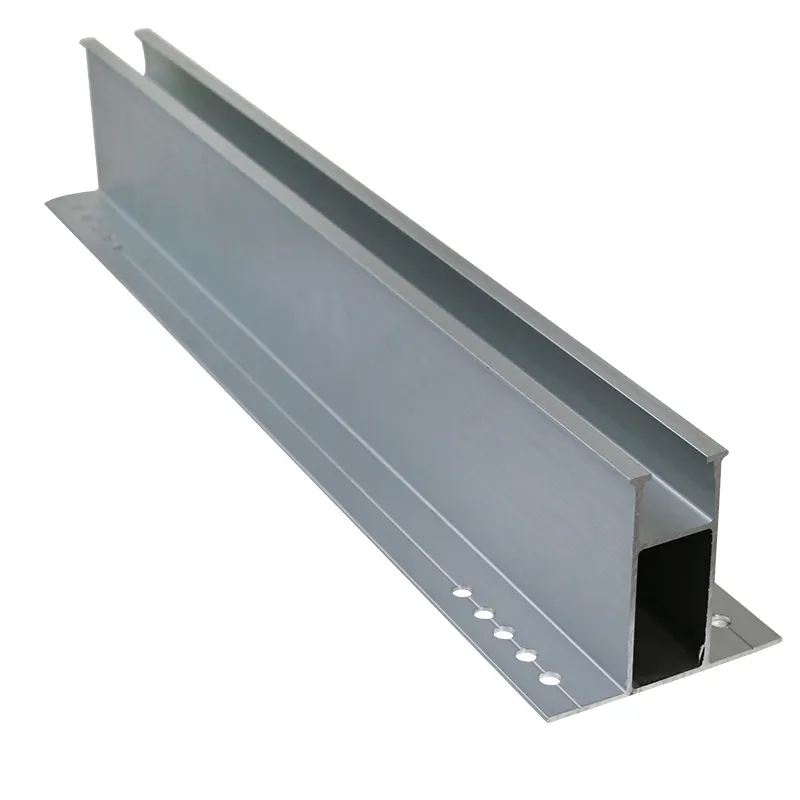
| Mini rail | Trapezoidal metal roofs | Short profile, material efficient |
| Flat-roof rail/profile | Ballasted or mechanically fixed systems | Designed around low-angle layouts |
| Ground-mount structural rail | Ground-mounted PV | Larger structural sections may be required |
| Custom/OEM rail | Special roof or project requirements | Profile can be optimized for project loads |
For conventional rooftop systems, a standard aluminum extrusion is often sufficient. However, high-wind areas, longer rail spans, heavier modules, or fewer attachment points may require a larger or reinforced profile.
What Materials Are Solar Mounting Rails Made From?
Aluminum is the most common material for many rooftop solar rails, while steel is also used when higher structural capacity or different system economics are required.
| مادة | Typical Use | Advantages | Considerations |
| Aluminum 6000 series | Rooftop PV rails | Lightweight, corrosion resistant, easy to extrude | Cross-section must provide adequate stiffness |
| الفولاذ المقاوم للصدأ | Clamps, fasteners, selected structural parts | مقاومة ممتازة للتآكل | Higher material cost |
| Galvanized steel | Ground and heavy-duty structures | قوة هيكلية عالية | Heavier than aluminum |
| Aluminum + stainless steel | Complete rooftop systems | Good balance of weight and corrosion resistance | Galvanic compatibility must be considered |
NREL’s analysis of residential PV mounting systems found that rails, rail splices, and supports were commonly manufactured from aluminum extrusions. The study also reported that optimized rail design could reduce aluminum use while maintaining equivalent strength, demonstrating why rail geometry can be as important as material quantity.
For ALV, aluminum is particularly relevant to rooftop and coastal applications where low weight, installation efficiency, and corrosion resistance are important considerations.
Which Aluminum Alloy Is Used for Solar Rails?
Solar mounting rails commonly use 6000-series aluminum alloys because they offer a practical combination of strength, corrosion resistance, machinability, and extrusion performance.
Common grades encountered in PV mounting products include 6005-T5/T6 and 6063-T5/T6, although the exact alloy should always be confirmed against the manufacturer’s engineering documentation.
| Aluminum Grade | Typical Property | Potential PV Application |
| 6063-T5/T6 | Good extrusion performance and surface finish | Standard profiles and smaller components |
| 6005-T5/T6 | Higher structural performance than many architectural alloys | Solar mounting rails and structural profiles |
| Other 6000-series alloys | Depends on manufacturer specification | Customized structural applications |
The alloy alone does not determine whether a rail is suitable. A 6005-T5 profile with an optimized cross-section can perform very differently from a thinner or poorly designed profile.
For this reason, ALV evaluates the complete profile design rather than treating the aluminum grade as the only selection criterion.
What Solar Rail Sizes Are Available?
There is no single universal solar rail size. Dimensions vary according to the profile design, module loads, span, fixing arrangement, and project-specific structural calculations.
Common commercial rail profiles may have widths or heights in the approximate range of 30–50 mm, while heavier structural profiles can be substantially larger. Rail lengths are also commonly supplied in project-specific sections, with 3–6 m being common commercial ranges, although manufacturers can provide other lengths depending on extrusion, packaging, transportation, and installation requirements.
| Parameter | Typical Commercial Range | What Determines It? |
| Rail height | Approx. 30–50+ mm | Required stiffness and span |
| Rail width | Approx. 30–50+ mm | Clamp/interface and structural design |
| Rail length | Approx. 3–6 m | Transport and project layout |
| Wall thickness | Project-specific | Strength, extrusion design and optimization |
| Surface finish | Mill finish/anodized | Environment and specification |
These figures should be treated as general commercial ranges rather than design requirements. The final rail dimensions should be selected through structural calculations based on the actual project conditions.
Does Rail Size Affect Solar Panel Installation?
Yes. A larger or better-optimized rail can increase structural capacity, but simply making the rail larger is not always the most efficient solution.
Rail design needs to balance stiffness, strength, weight, material consumption, clamp compatibility, and installation efficiency. An optimized profile can sometimes achieve the required mechanical performance without unnecessarily increasing aluminum consumption.
This is particularly relevant for commercial rooftop projects where hundreds or thousands of meters of rail may be installed. Even a small reduction in material weight per meter can affect transportation, handling, and total project logistics.
What Standards Apply to Solar Mounting Rails?
Solar mounting rails are part of a larger PV mounting system, so compliance should be evaluated at the system level rather than by looking at the rail profile alone.
In the United States, UL 2703 covers PV mounting systems, mounting devices, clamping/retention devices, and grounding/bonding components. The current UL 2703 revision was approved in April 2026 and addresses areas including mechanical strength, fire classification, grounding/bonding, and material suitability.
For international PV projects, IEC 62548-1 is another important reference. The 2023 edition, together with the 2025 amendment, includes PV array design requirements and revised provisions related to mounting structures.
Structural design must also consider the applicable local building codes and environmental loads, including wind, snow, seismic conditions, roof geometry, and attachment spacing.
How Do You Choose the Right Solar Mounting Rail?
A practical rail selection process should start with the project rather than the catalog.
First, confirm the module dimensions, weight, frame configuration, and mounting zones. Then determine the roof type and attachment method. Next, identify the project’s wind speed, snow load, exposure conditions, and required rail span.
For coastal or high-corrosion environments, material compatibility and surface treatment become particularly important. For high-wind projects, the rail cross-section, fixing spacing, clamp connection, and roof attachment must be evaluated together.
ALV can support EPC contractors and distributors by reviewing project drawings, module specifications, roof conditions, and design loads before recommending a suitable rail and mounting configuration.
Solar Rail Selection Checklist
Before purchasing solar mounting rails, confirm:
- PV module dimensions and weight
- Module orientation: portrait or landscape
- Roof or ground installation type
- Rail span and attachment spacing
- Project wind speed
- Snow load where applicable
- Roof slope and roof material
- Coastal or corrosive environment
- Aluminum alloy and temper
- Rail cross-section and wall thickness
- Clamp compatibility
- Required structural calculations
- Applicable local standards and certifications
- Rail length, packaging, and transportation requirements
A reliable mounting supplier should be able to explain not only what rail is being offered, but also why that rail is appropriate for the project’s structural and installation requirements.
FAQ: Solar Panel Mounting Rails
1. What are solar panel mounting rails made of?
Most rooftop solar mounting rails are made from extruded aluminum, particularly 6000-series alloys. Steel can also be used for applications requiring different structural or economic characteristics.
2. What size rail do I need for solar panels?
There is no universal rail size. The required profile depends on module loads, rail span, attachment spacing, wind and snow loads, roof type, and structural calculations.
3. Are aluminum solar rails strong enough?
Yes, properly engineered aluminum rails can provide the required structural performance for many rooftop PV applications. The cross-section, alloy, temper, span, and fixing arrangement all need to be considered.
4. How long are solar mounting rails?
Commercial rails are often supplied in approximately 3–6 m sections, but available lengths vary by manufacturer and project requirements.
5. Are solar mounting rails universal?
No. Rail dimensions and interfaces vary between manufacturers and mounting systems. Clamp compatibility and attachment components should be checked before procurement.
6. Are aluminum rails suitable for coastal solar projects?
Aluminum is commonly used in coastal PV mounting because of its corrosion resistance, but the complete system must be designed with suitable materials, fasteners, surface treatments, and environmental considerations.
7. What standards apply to solar mounting rails?
Depending on the market, relevant requirements may include UL 2703 in the United States, IEC 62548-1 for PV array design, and applicable local structural/building codes.
8. Can ALV provide customized solar mounting rails?
Yes. ALV can provide solar mounting profiles and mounting solutions for different rooftop, ground-mount, and carport projects. For project-based quotations, providing the module specifications, installation drawings, project location, wind/snow loads, and required quantity allows the engineering team to evaluate the appropriate solution.
Need the Right Solar Rail for Your Project?
Choosing a solar rail should start with the project’s actual structural and installation requirements, not simply the lowest rail price.
ALV provides aluminum solar mounting profiles and complete PV mounting solutions for rooftop, ground-mounted, and solar carport applications.
If you are an EPC contractor, distributor, installer, or project developer, send ALV your module datasheet, roof/layout drawing, project location, estimated quantity, and wind/snow load information. Our technical team can review the requirements and recommend a suitable mounting rail configuration for your project.
Solar Panel Mounting Rails:
Types, Sizes, and Materials Explained(2026)
E-mail address:sales@xmalv.com