

Neue Expertentipps für die Montage von Solarmodulen im Jahr 2026 – Was ist in einem Solarmodul-Montagesatz enthalten?

Solar Panels Mounting Structure
The global solar industry continues to boom, and behind every watt of power is a robust mounting structure for solar panels. Choosing the best mounting structure for solar panels is not just about holding a panel in place—it’s about engineering for longevity, performance, and safety under extreme conditions.
Why the Best Solar Panels Mounting Structure Depends on Your Climate
Der best mounting structure for solar panels for a coastal installation in Florida will be very different from one for a snow-heavy project in the northern US. Five mounting structure mistakes consistently cause failures in the field :
- Using Generic Wind Pressure Coefficients: Corner panels see 2–3 times more uplift than interior panels. Always ask for edge and corner data.
- Ignoring Edge and Corner Amplification on Roofs: Flat roof arrays are especially vulnerable. Wind accelerates around building edges, creating suction peaks in the first few rows.
- Selecting Hardware Based Only on Upfront Cost: The cheapest rail is not the cheapest project. A system that saves $0.02 per watt on hardware can cost $0.05 per watt more in labor.
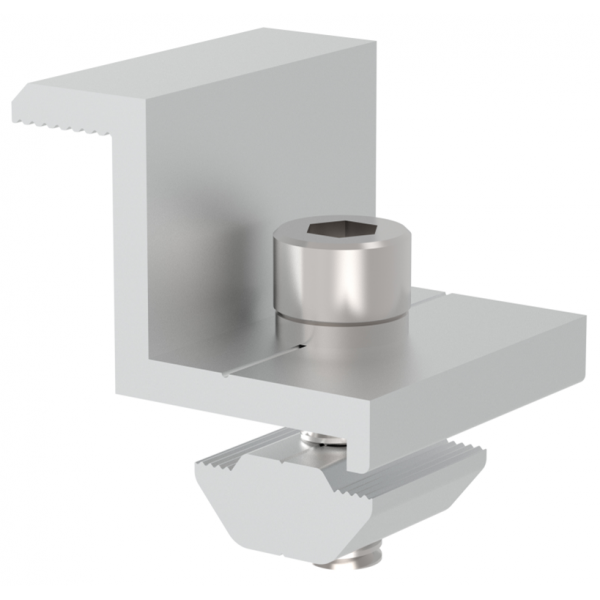
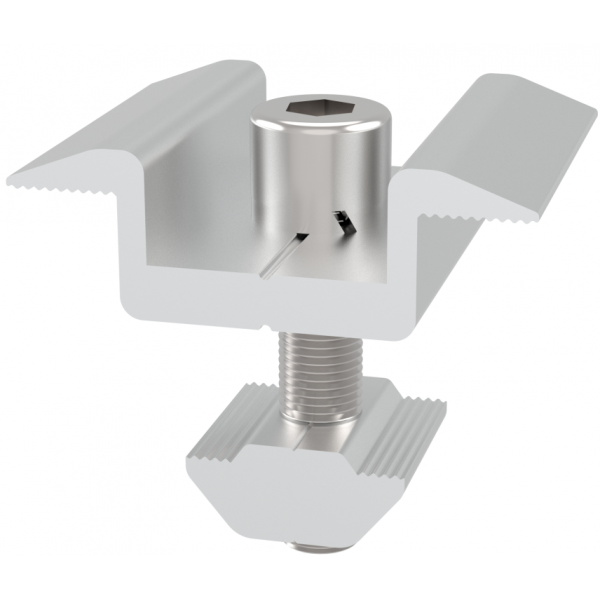
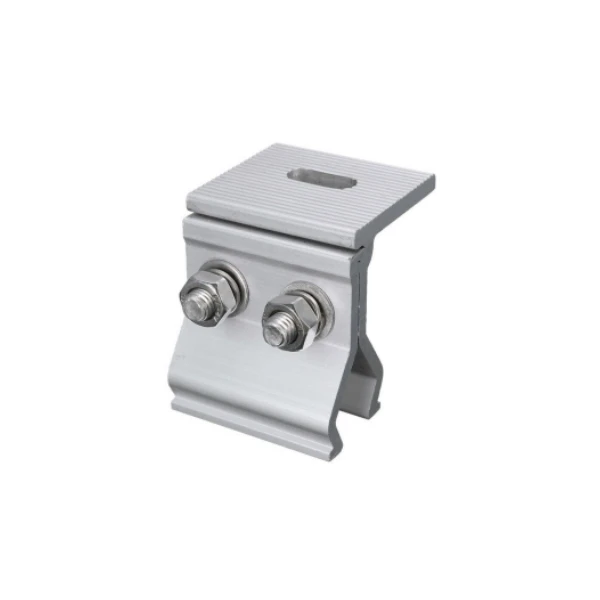
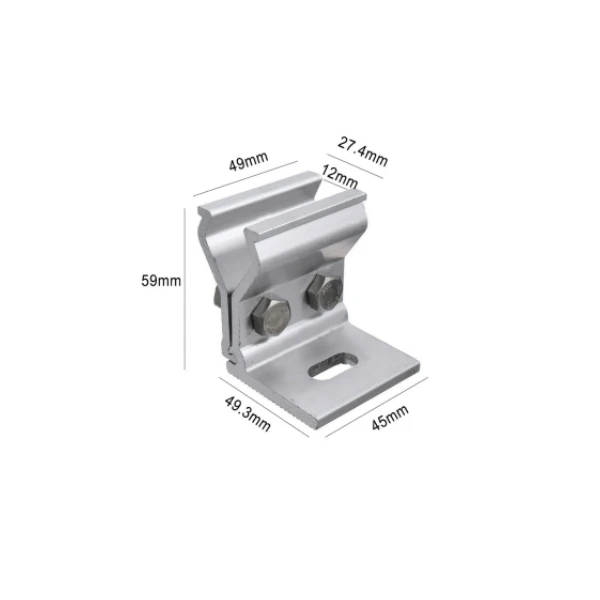
- Mismatching Clamps to Panel Frames: Clamp depth must match frame thickness. Frame height varies from 30mm to 50mm, and using the wrong clamp leads to loose or over-tightened connections.
- Underestimating Corrosion: In coastal areas, within five years, standard fasteners can rust, staining the roof and weakening connections.
Material Selection for the Best Solar Panels Mounting Structure
Der best mounting structure for solar panels balances strength, weight, and corrosion resistance. Common materials include :
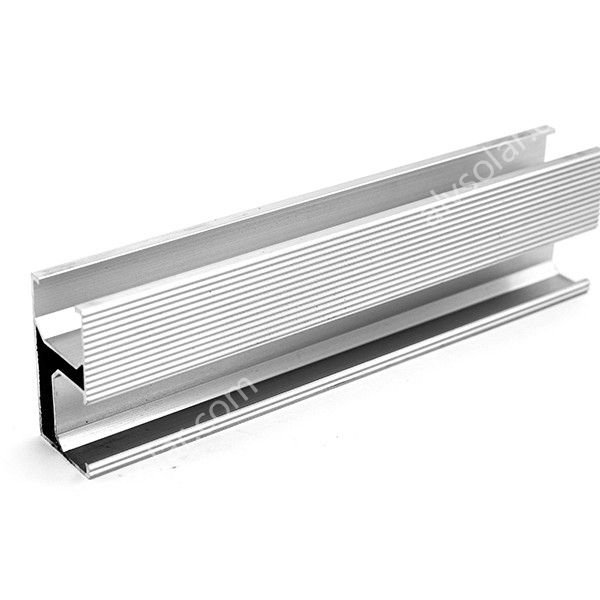
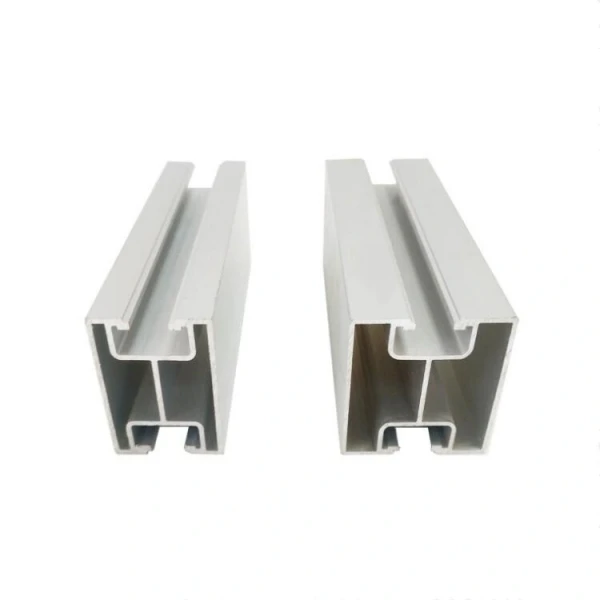
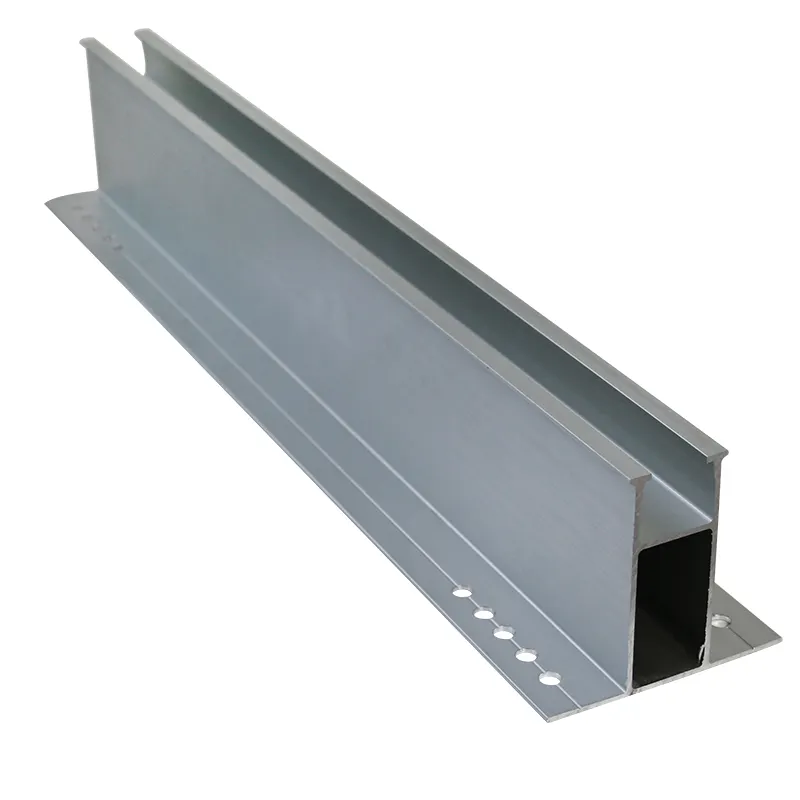
- Aluminum Alloy: Widely used for rooftop systems due to its light weight, cost-effectiveness, and excellent corrosion resistance. Aluminum T5 temper provides an optimal strength-to-weight ratio.
- Hot-Dip Galvanized Steel: Suitable for ground-mounted systems and larger structural projects. Offers strong load-bearing performance for outdoor use.
- Zn-Al-Mg Coated Steel: For projects requiring corrosion resistance and cost-effective large-volume installation.
- Stainless Steel Fasteners: Used for bolts, clamps, and connection parts to improve long-term structural stability in coastal or high-humidity environments.
Future-Proofing Your Project with the Best Solar Panels Mounting Structure
The mounting market is evolving rapidly. Three trends matter most for installers and project developers in 2026 :
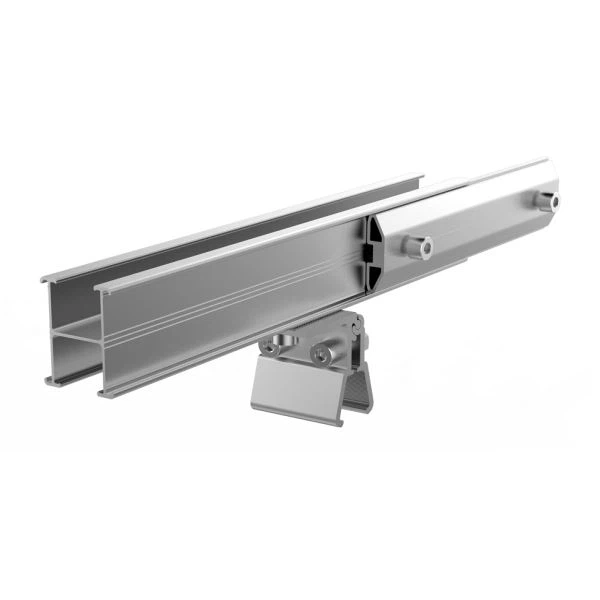
- Lightweight Pre-Assembled Components: Manufacturers are shipping more pre-assembled rails, clamps, and tilt legs. Some systems claim 30–40% faster installation compared to traditional stick-built rails.
- Non-Penetrating and Low-Ballast Roof Systems: Older commercial roofs are a growing market. Low-ballast and adhesive systems reduce or eliminate penetrations while reducing structural load.
- Bifacial Compatibility: Bifacial panels capture light reflected from the ground or roof surface. The best Solar Panels Mounting Structure must leave the rear side open—wide rails or cross-bracing in the wrong place can block rear-side light and reduce bifacial gain.
When selecting your Solar Panels Mounting Structure, verify rail compatibility with panel thickness, use a calibrated torque wrench (hand-tight is not a specification), and match the corrosion protection class to the environment—not to the lowest bid.
How to Match Your Solar Panel Mounting Kit to Your Roof Type
Different roofs require different mounting approaches. The most common roof-mounted solutions include :
| Dachart | Recommended Mounting Kit | Key Advantage |
|---|---|---|
| Stehfalzmetall | Non-penetrating clamp system | No roof penetrations; preserves warranty |
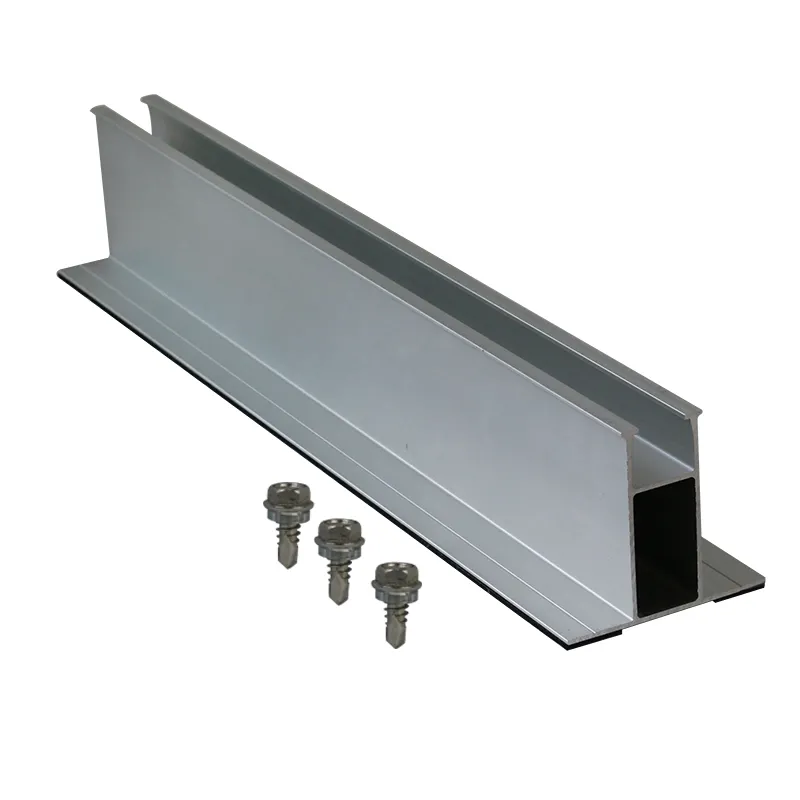
| Trapezförmiges Metall | Direct-fix brackets with self-tapping fasteners | Low-profile, cost-effective design |
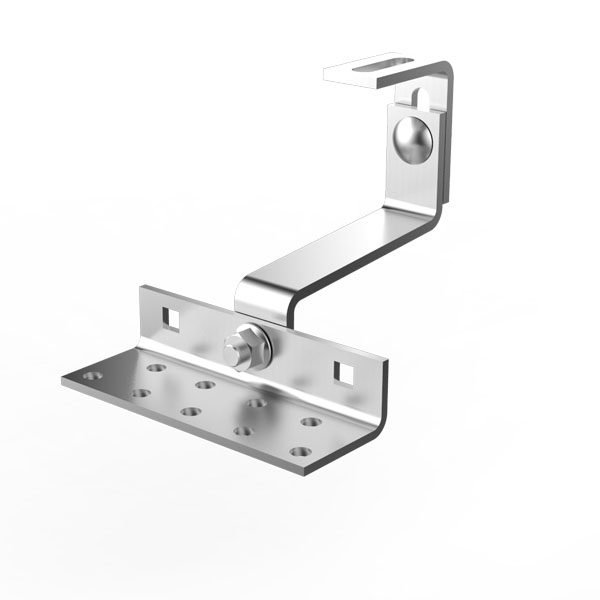
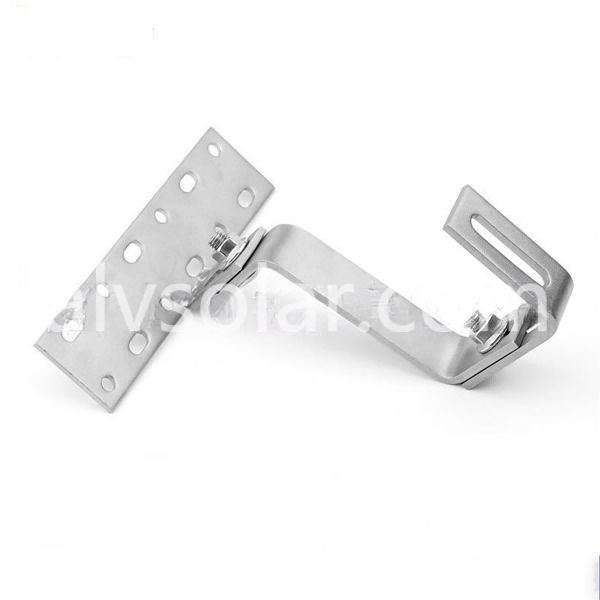
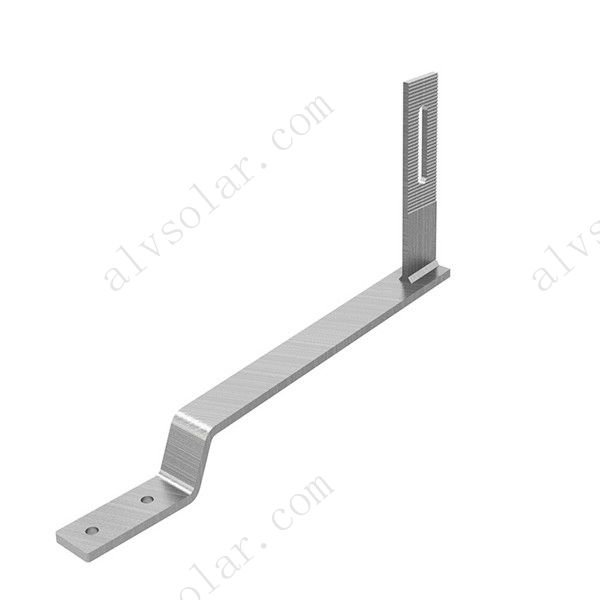
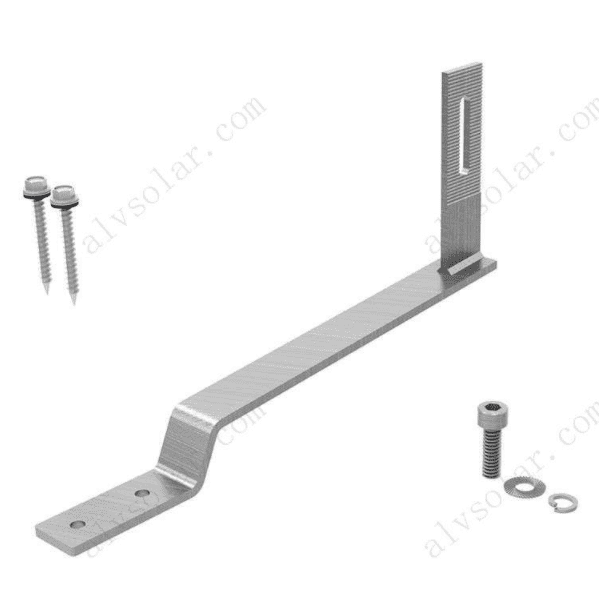
| Clay/Concrete Tile | Tile hooks | Prevents tile cracking |
| Flat/Low-Slope | Ballasted or rail-less system | No drilling; quick installation |
In summary, when selecting photovoltaic (PV) mounting systems, businesses should comprehensively consider factors such as cost-effectiveness, adaptability, installation services, and after-sales support. ALV, with its superior product quality, innovative technology, and comprehensive service system, can provide businesses with one-stop PV mounting system solutions. Please contact us for more product information and a detailed quote(Rita).