

Choosing the Right Mounting System — A Practical Guide for Solar Installers and EPC Contractors

You’re standing on a metal roof. The homeowner or facility manager is counting on you to deliver a safe, reliable, long-lasting solar installation. And you’re staring at a decision that will impact project cost, installation timeline, system reliability, and your professional reputation: which metal roof mounting system should you specify?
According to Global Market Insights, the global solar PV mounting systems market is projected to grow from USD 44.5 billion in 2024 to USD 68.2 billion by 2034, driven by growing demand for pre-assembled and lightweight PV mounting structures. Suppliers are emphasizing corrosion resistance and modularity to increase handling ease and reduce labor intensity. But with so many options available, how do you choose?
In this practical guide, we’re comparing the three most common metal roof mounting solutions — mini rail systems, L-foot with rail systems, and hanger bolt solutions — to help you select the right approach for every project scenario.
Quick Reference — Three Mounting Solutions at a Glance
| Feature | Mini Rail | L-Foot + Rail | Hanger Bolt |
|---|---|---|---|
| Installation Speed | Fast | Medium | Slow |
| Material Cost | Low | Medium | Medium-High |
| Structural Strength | Medium | High | Very High |
| Waterproof Risk | Medium | Medium | Depends on sealing |
| Best Application | Standard uniform roofs | Complex panel layouts | Structural anchoring to purlins |
Data source: Industry comparison across metal roof PV installations
When to choose each solution — let’s break it down.
When to Choose Mini Rail Systems
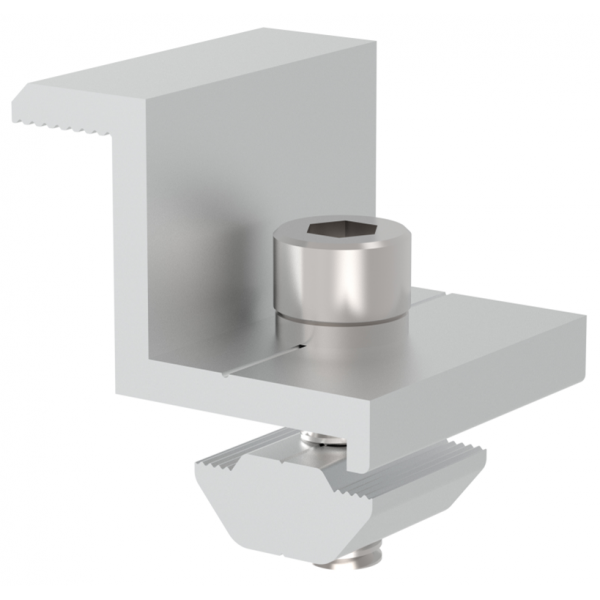
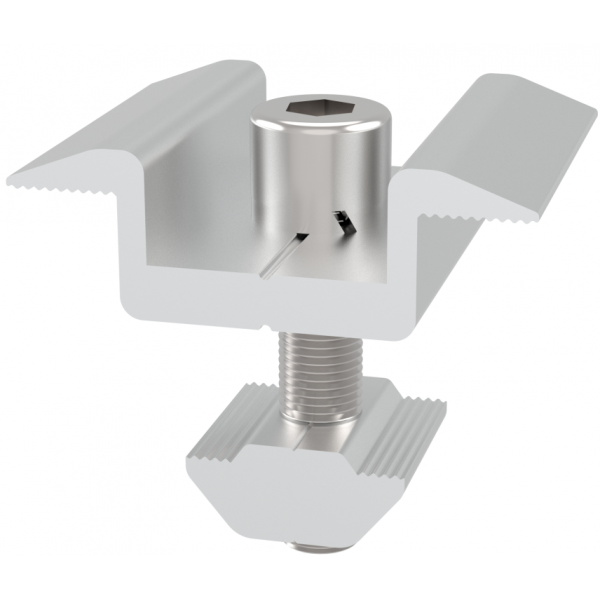
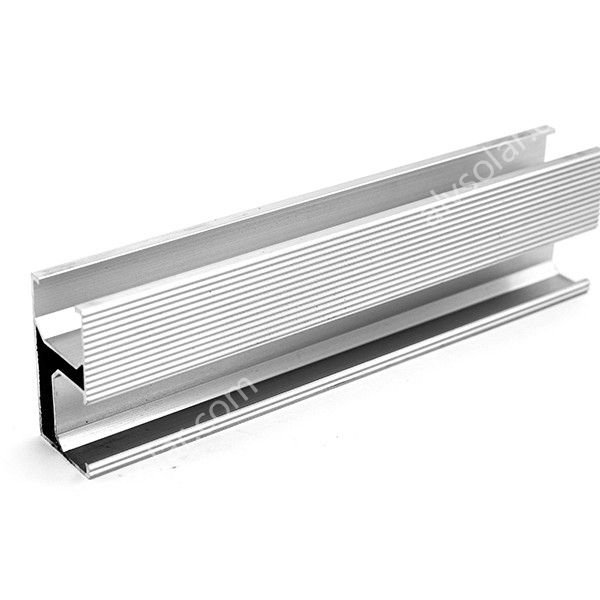
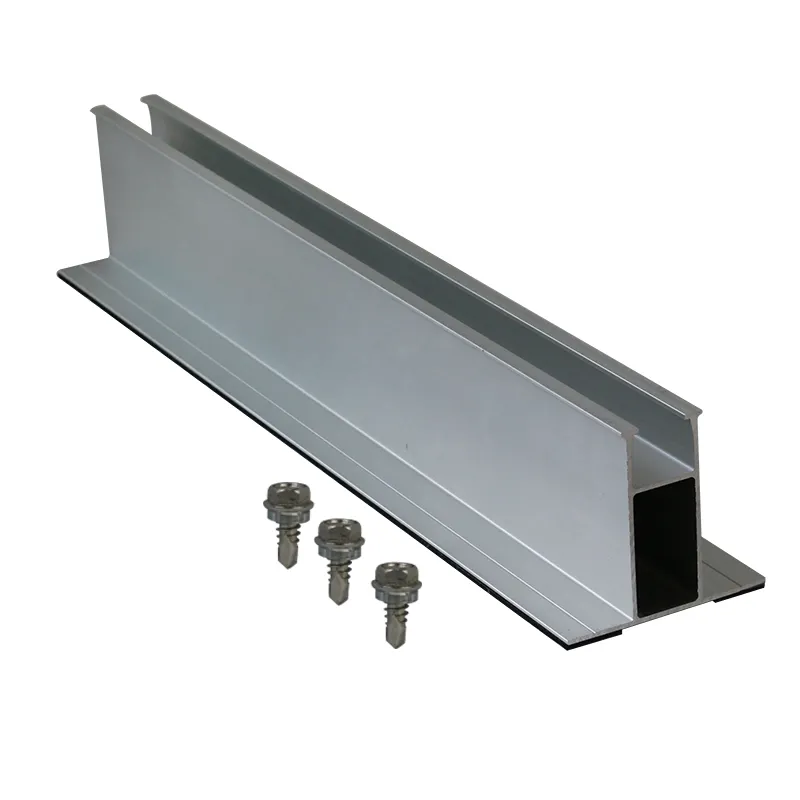
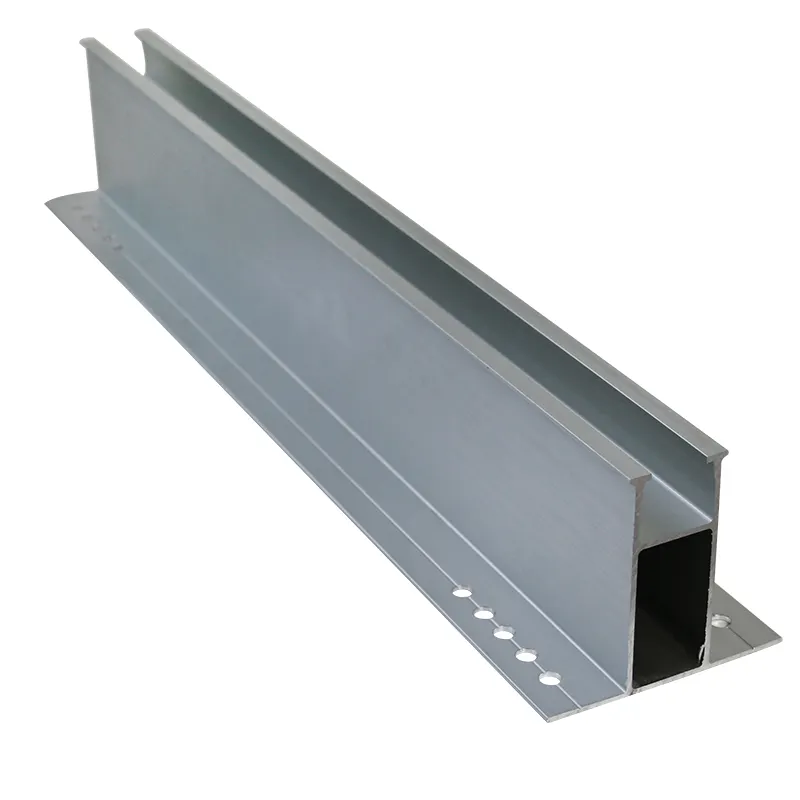
Mini rail systems are the lightweight champion of solar mounting. They use shorter rail sections and reduced material volume to achieve lower cost and faster installation. Choose mini rails when:
- You need the lowest material cost per project watt
- The roof structure is uniform — consistent corrugation pattern, no unusual obstructions
- Installation speed is the highest priority for your project timeline
- The aesthetic profile matters — mini rails can create a lower visual impact from ground level
Mini rail systems are most cost-effective on standard, clean metal roofs where the uniform roof layout allows repetitive fast installation by less experienced crews. For large-scale commercial metal roof projects with standard layouts, mini rails deliver excellent value.
Caution: Mini rail systems provide medium structural strength. For irregular roof layouts that require custom panel alignment, or areas with high wind/snow load requirements, an L-foot system offers superior adjustment flexibility and higher load capacity.
When to Choose Hanger Bolt Solutions
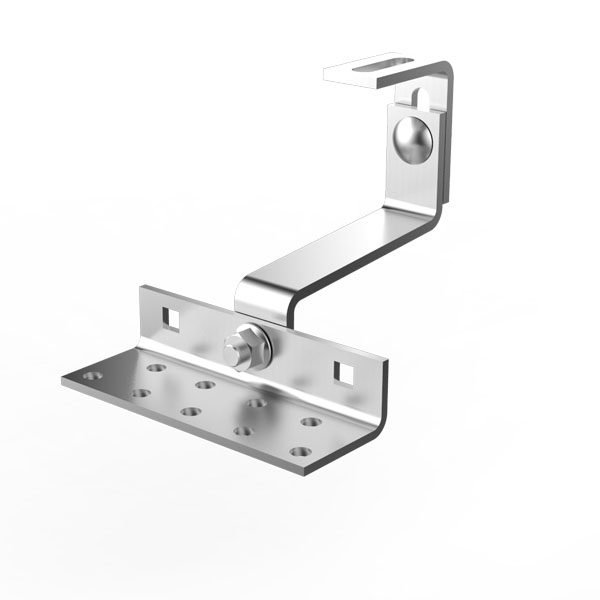
Hanger bolt solutions provide the strongest structural anchoring available for metal roof solar installations. Choose hanger bolts when:
- Fixing directly to purlins is necessary for load safety
- Roof sheet strength is insufficient to support direct attachment to sheet metal alone
- Maximum stability is required for the project specifications
- Industrial or fire safety codes require verified structural penetration anchoring to structural members
Hanger bolts deliver very high structural strength, making them the best choice for industrial buildings with structural fixing requirements. Because they attach directly to purlins, the load path bypasses the metal sheeting entirely — ideal for older roofs where sheet integrity is uncertain or for applications with exceptionally high wind zones.
Trade-offs: Hanger bolt systems are the slowest to install and carry medium-to-high material costs. For most residential installations and standard commercial roofs, the extra strength is unnecessary and adds needless cost.
When to Choose L-Foot + Rail Systems (Our Recommendation for Most Metal Roof Projects)
Now we’re talking. The L-Foot + rail system occupies the sweet spot of the mounting spectrum: high structural strength, medium cost, medium-fast installation with experienced crews, and excellent adaptability to complex roof layouts.
Choose L-foot systems when:
- The roof layout is complex — multiple planes, obstructions, or irregular panel arrangements
- Panel alignment adjustment is required after initial attachment
- Higher load capacity is needed for wind or snow conditions
- Standard roof profiles cover most of your project portfolio — you can stock one bracket for multiple installation types
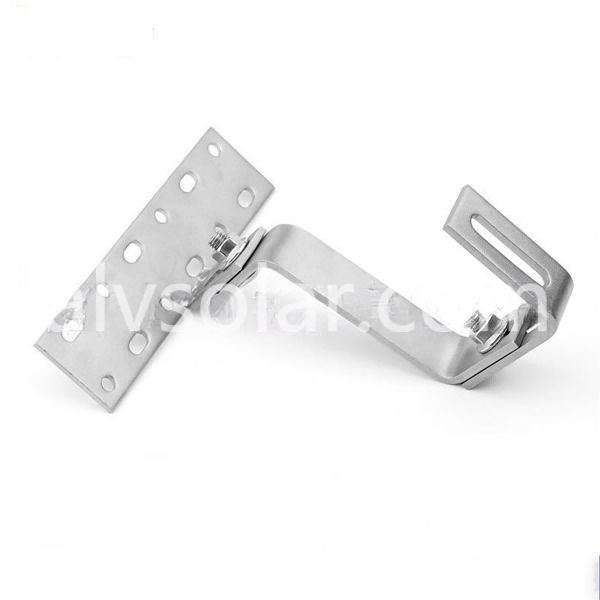
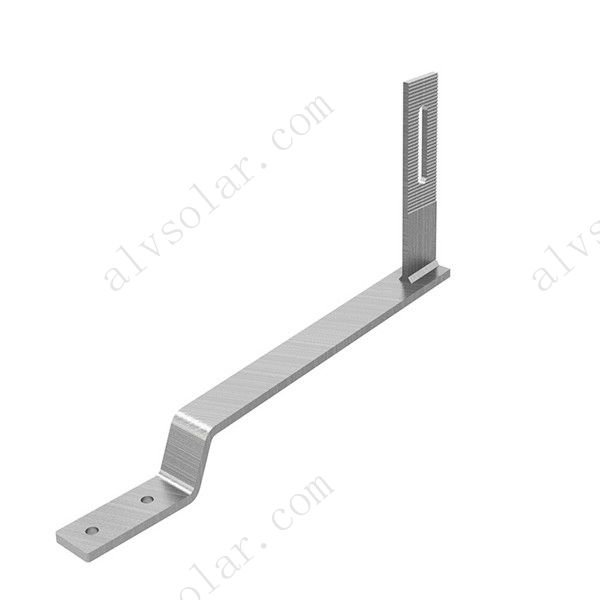
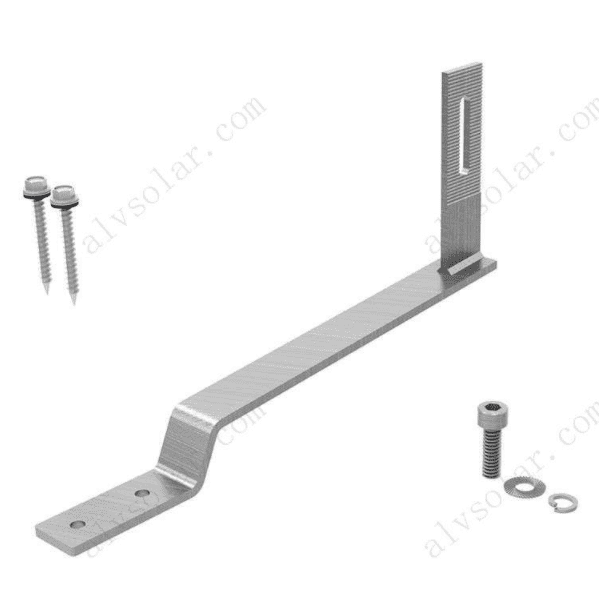
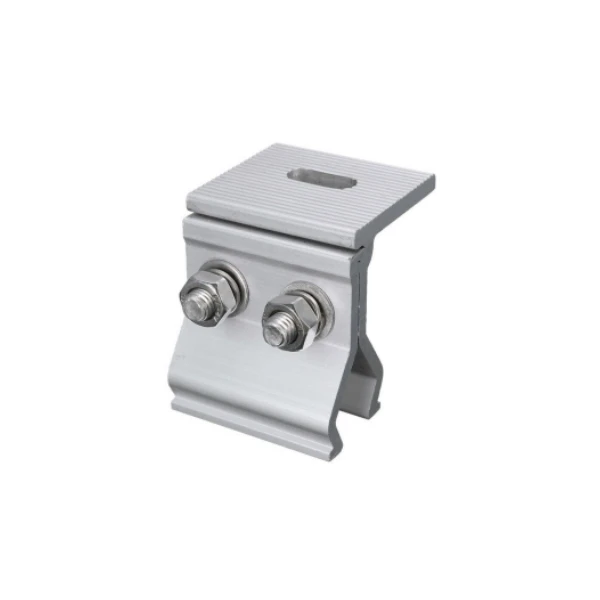
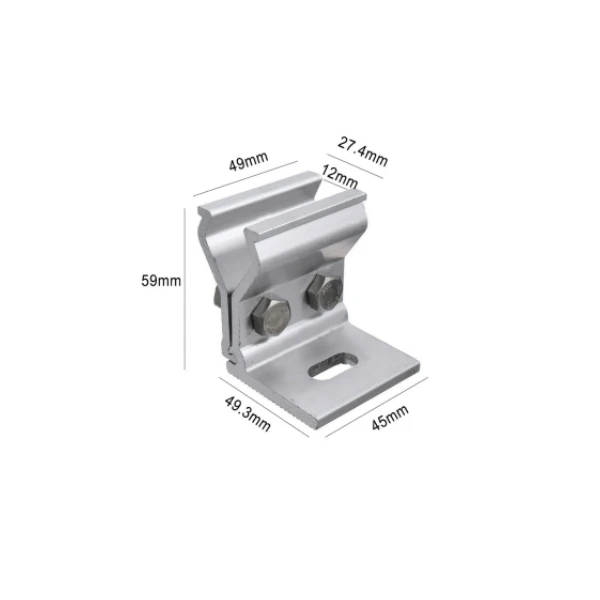
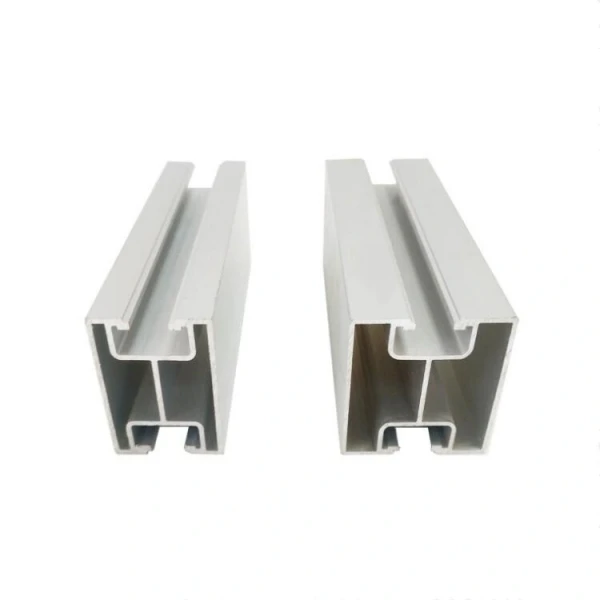
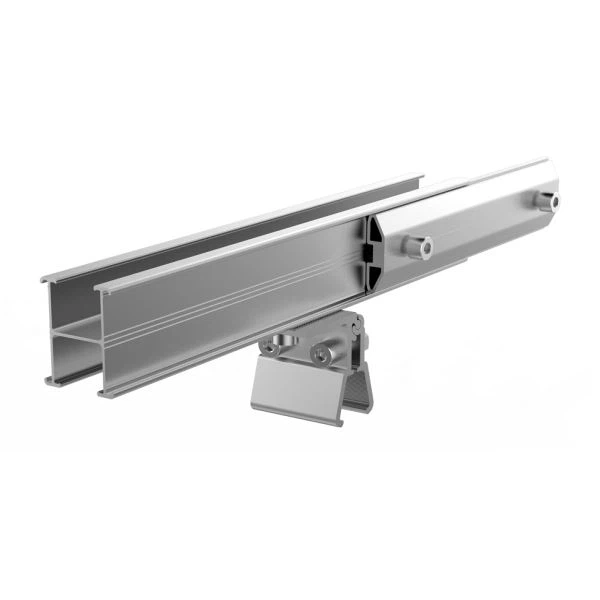
Why installers prefer L-Foot systems: The L Foot bracket connects the rail to the roof and is widely used on trapezoidal and corrugated metal roofs. It is cost-effective, easy to install, and suitable for bulk projects where speed and reliability are priorities. Pre-punched adjustment slots on the bracket body accommodate minor roof irregularities, allowing installers to compensate for real-world roof variation without custom fabrication.
Complex layout performance: In projects requiring both anchoring stability and roof protection, L-Foot brackets demonstrate unique advantages over edge-secured systems. The rail interface provides infinite adjustability along the extrusion axis, while the L Foot’s vertical face allows height adjustment for flush panel alignment across uneven roof surfaces.