

Konstruktion von Solarmontagesystemen – 5 kritische Fehler, die Sie bei einer 25-jährigen Installation vermeiden sollten

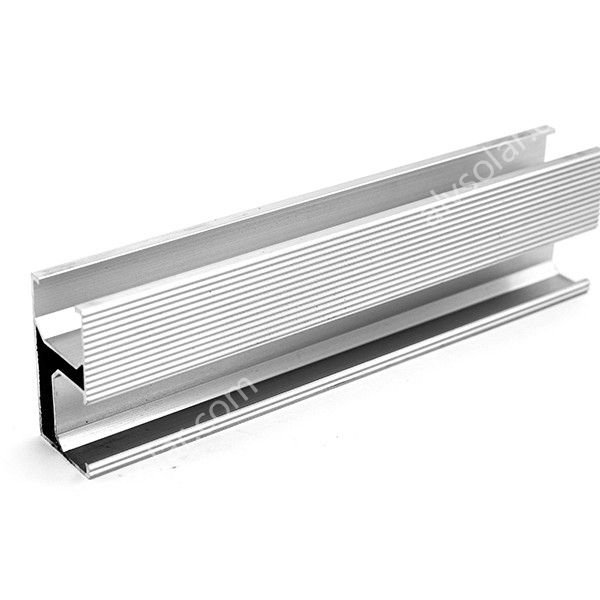
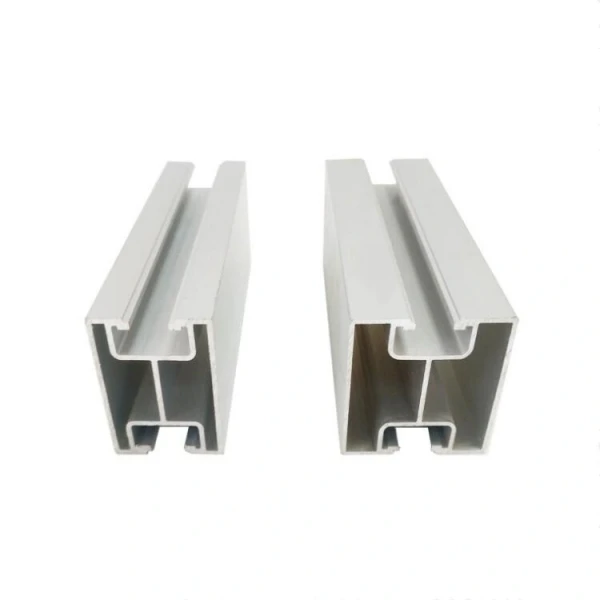
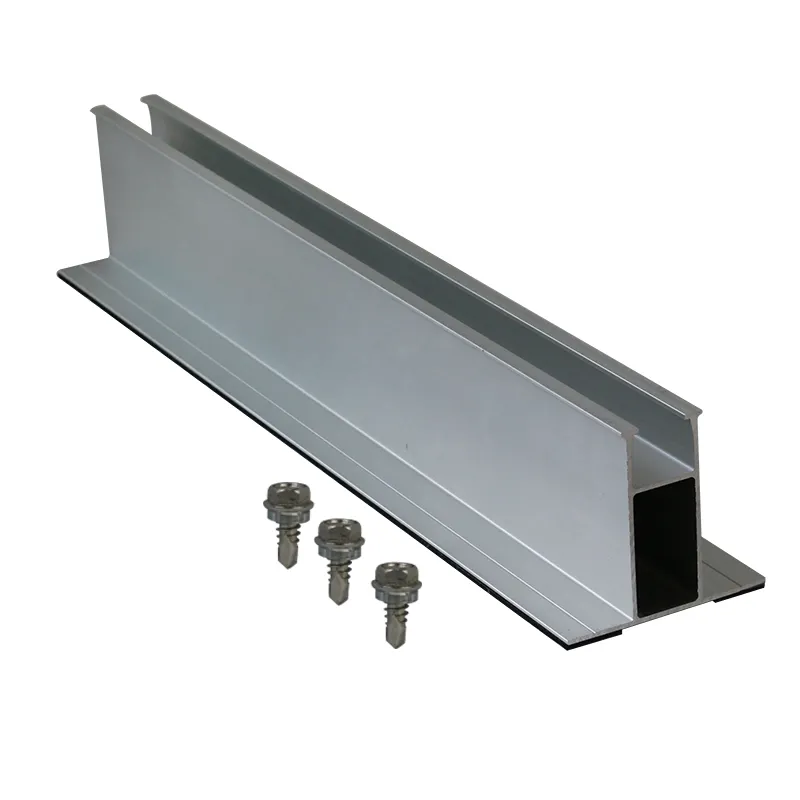
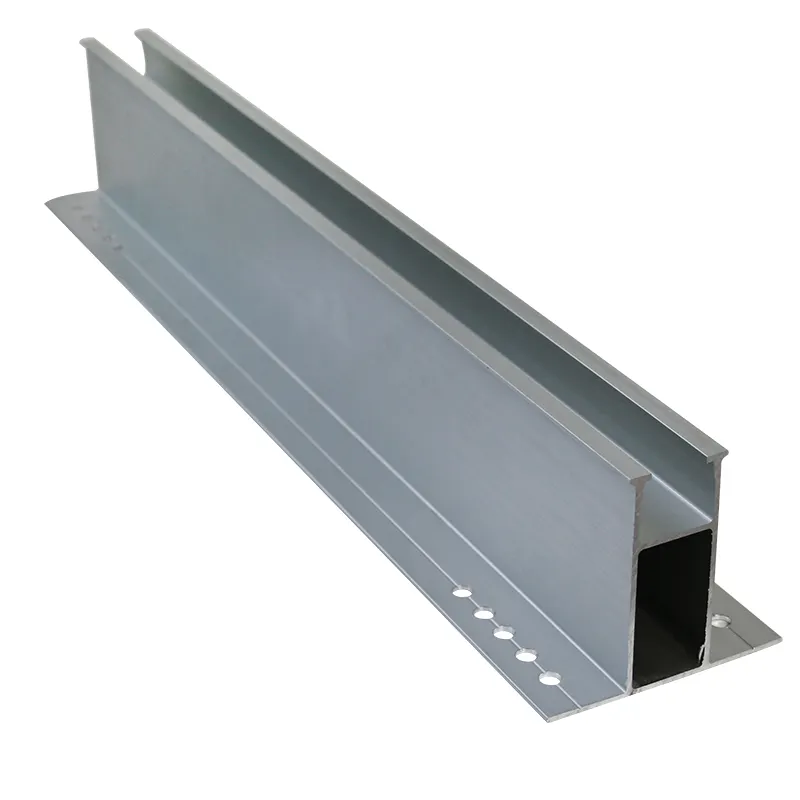
Der solar mounting structure design is the most overlooked yet consequential element of any PV system. Even with premium solar panels, a poorly designed mounting structure can lead to microcracks, roof leaks, or catastrophic failure under extreme weather. Understanding common design mistakes and emerging best practices ensures your installation performs reliably for 25 years or more.
Mistake 1: Using Generic Wind Pressure Coefficients
A single pressure coefficient for the entire array ignores a critical reality: corner panels experience 2–3 times more uplift than interior panels. Building codes require zone-specific coefficients, yet manufacturer datasheets often list only the interior value.
How to Avoid This: Always ask for edge and corner wind load data, or calculate it from the applicable standard (ASCE-7 in the U.S., Eurocode EN 1991-1-4 in Europe). Flat roof arrays are especially vulnerable because wind accelerates around building edges, creating suction peaks in the first few rows
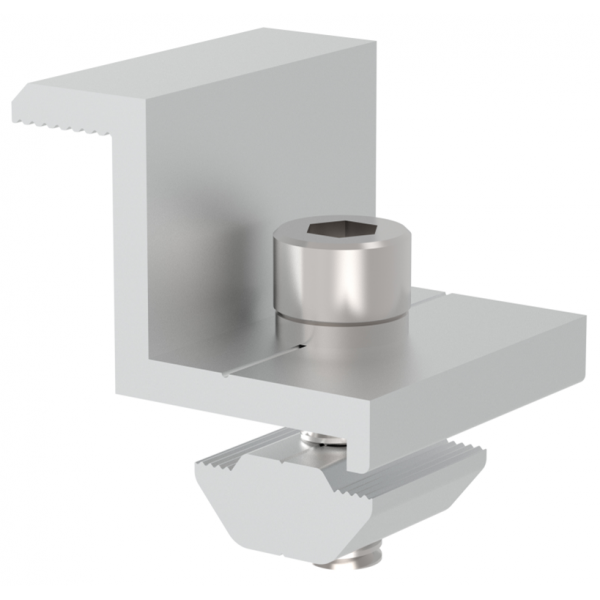
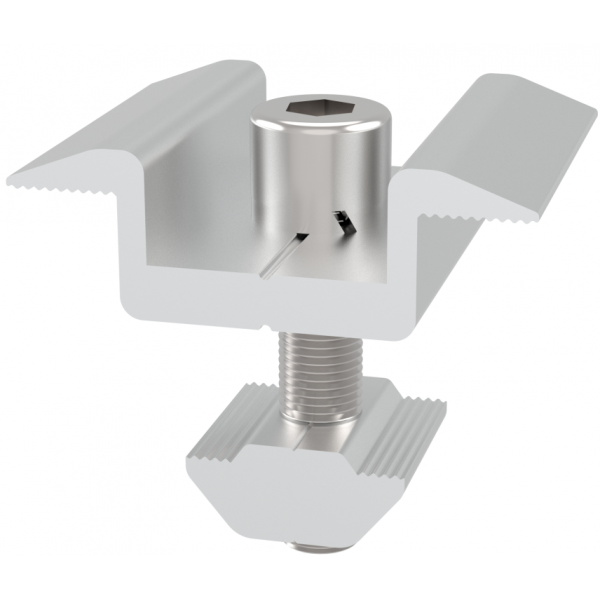
Mistake 2: Mismatching Clamps to Panel Frames
Solar mounting structure design requires precise component matching. Clamp depth must match frame thickness. Frame height varies from 30mm to 50mm, and a clamp designed for a 35mm frame will not grip a 45mm frame correctly. Loose clamps slip under uplift; over-tightened clamps deform frames and crack cells.
How to Avoid This: Always verify panel frame height, frame thickness, rail slot dimensions, and manufacturer torque specifications. Use a calibrated torque wrench—hand-tight is not a specification
Mistake 3: Underestimating Corrosion Risk
Installers in inland climates often use standard hardware near the coast. Within five years, fasteners rust, staining the roof and weakening connections.
Corrosion threats vary by environment:
- Coastal areas: Salt spray attacks unprotected metals
- Industrial zones: Sulfur dioxide accelerates corrosion
- Agricultural areas: Ammonia from livestock buildings attacks zinc coatings
How to Avoid This: Match corrosion protection class to the environment, not to the lowest bid. For harsh environments, use stainless steel fasteners Und AL6005-T5 aluminum with deep anodization treatment, which can withstand salt spray and weather for over 25 years.
Mistake 4: Selecting Hardware Based Only on Upfront Cost
The cheapest rail is not the cheapest project. A system that saves €0.02 per watt on hardware can cost €0.05 per watt more in labor. Consider the full lifecycle cost:
- Installation time per panel
- Number of roof penetrations
- Ballast transport and placement cost
- Warranty length and local support
- Cost of structural engineer review if system is not pre-engineered
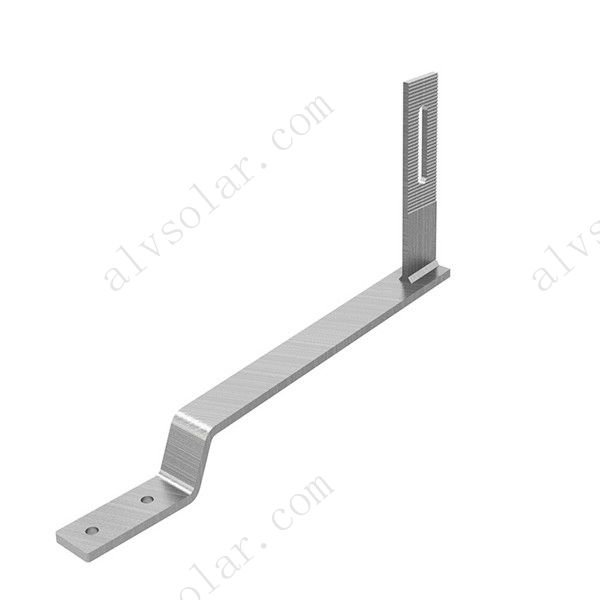
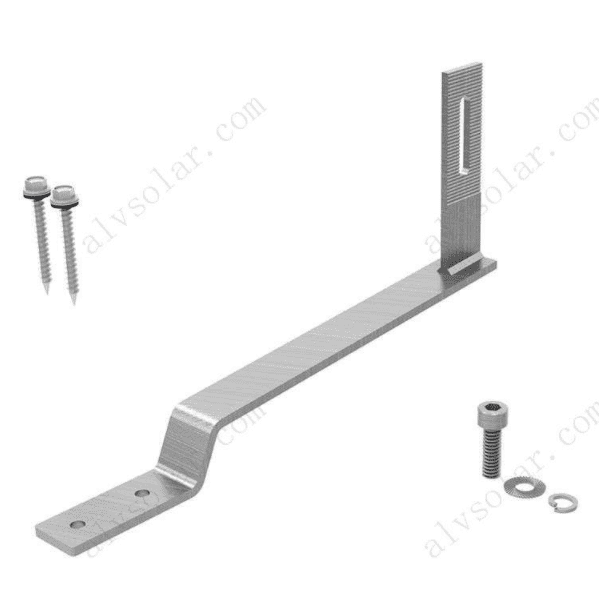
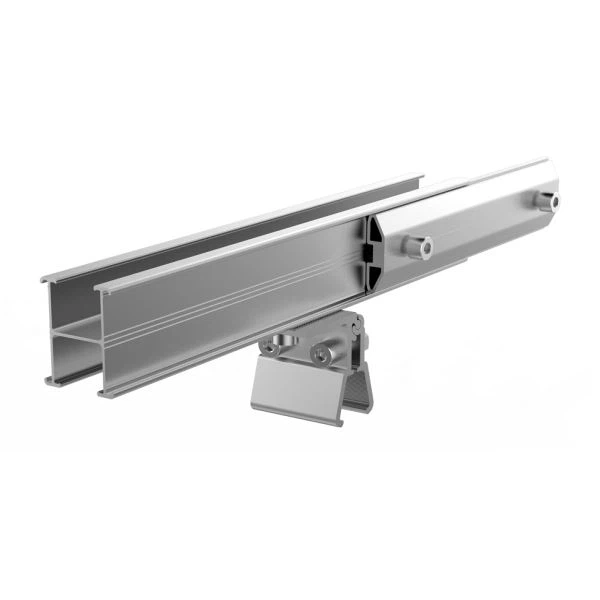
How to Avoid This: Choose pre-assembled solar mounting structure design solutions. ALV Solar’s modular systems, for example, integrate pre-assembled rails and clamps that can reduce on-site installation time by over 30%, significantly cutting labor costs.
Mistake 5: Ignoring Edge and Corner Zone Reinforcement
Flat roof arrays are especially vulnerable. Wind accelerates around building edges and creates suction peaks in the first few rows. If the first row uses the same clamp spacing as the middle rows, it can lift in high wind.
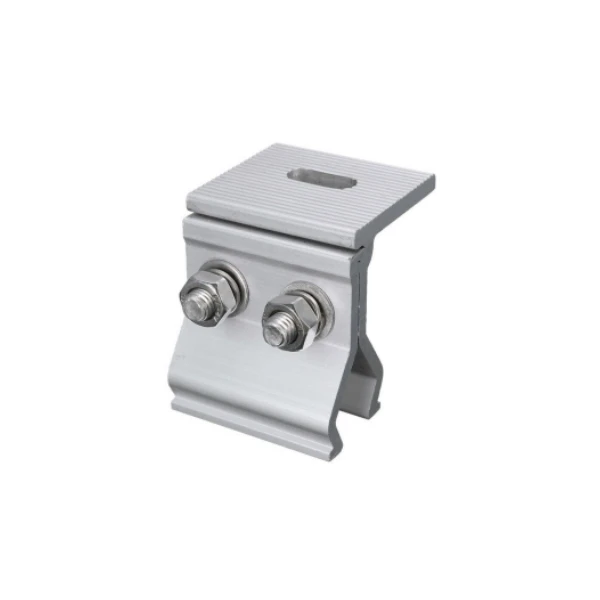
How to Avoid This: Reduce clamp spacing or use reinforced clamps in edge and corner zones. Systems like ALV Solar’s non-penetrative clamp designs with anti-aging EPDM rubber gaskets guarantee 2400Pa wind load capability while eliminating leakage risks—critical for commercial metal roofs
2026 Trends in Solar Mounting Structure Design
The mounting market is evolving rapidly. Three trends matter most for projects in 2026:
Lightweight Pre-Assembled Components
Manufacturers are shipping more pre-assembled rails, clamps, and tilt legs. Some systems claim 30–40% faster installation compared to traditional stick-built rails. For labor-cost markets, this represents a meaningful saving.
Non-Penetrating Roof Systems
Older commercial roofs represent a growing market. Owners want solar without risking roof integrity. Low-ballast and adhesive systems reduce or eliminate penetrations while reducing structural load—critical for roofs built before 2000.
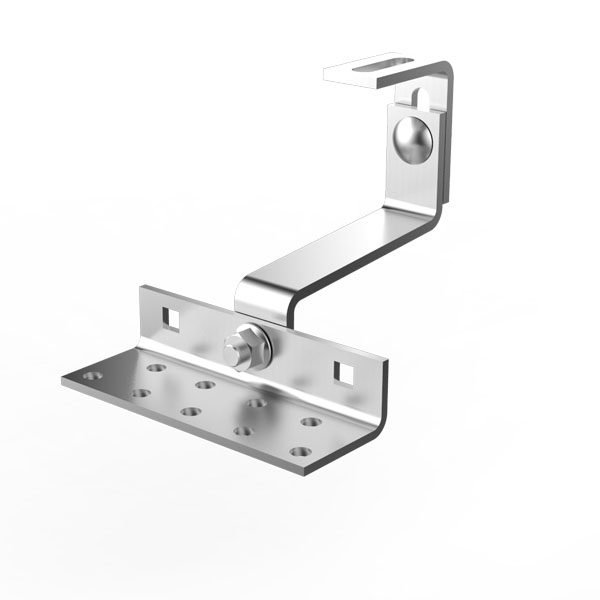
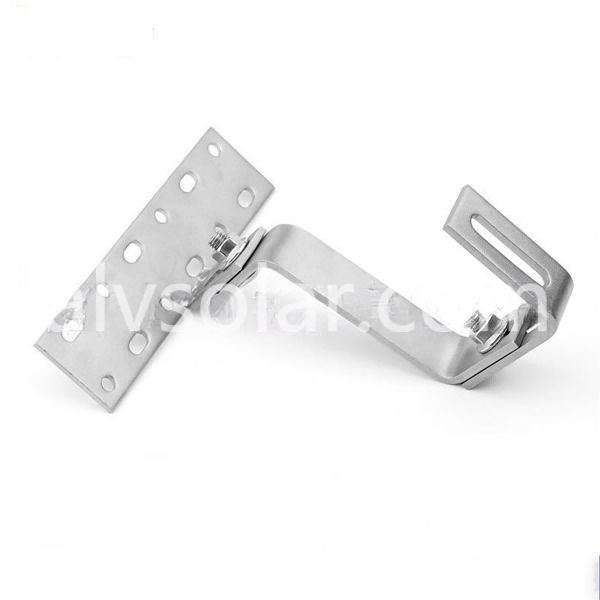
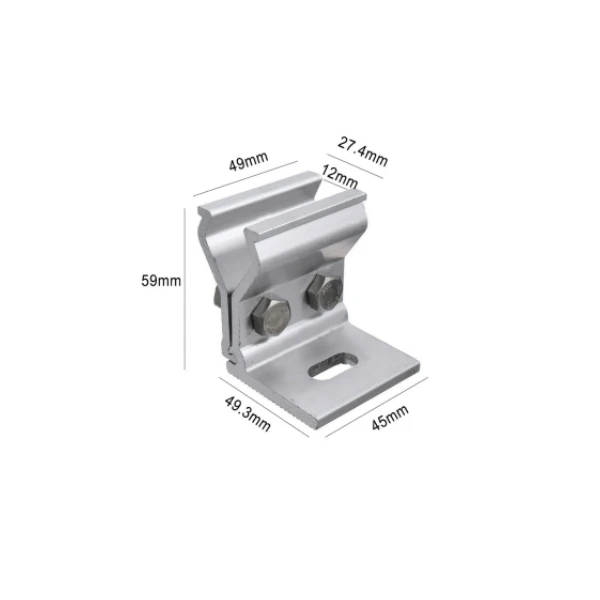
For standing seam metal roofs, non-penetrating clamps attach directly to raised seams without drilling. ALV offers clamps for various seam profiles including Kliplok, snap-lock, and batten panel roofs, available in both rail and cost-saving rail-less options
Bifacial Compatibility
Bifacial panels capture light reflected from the ground or roof surface. The mounting structure must leave the rear side open—wide rails or cross-bracing in the wrong position can block rear-side light and reduce bifacial gain.
For ground-mounted systems, elevated rails and open geometries improve bifacial gain. For rooftop systems, elevated commercial mounts on white membrane roofs can achieve 10–15% bifacial gain, compared to just 2–5% on flush dark rooftops.
The ROI of Quality Mounting Structure Design
Proper solar mounting structure design directly impacts project bankability. Decisions made during system design affect waste reduction, maintenance costs, and overall lifespan.
| Design Decision | Impact |
|---|---|
| Proper wind load engineering | Prevents catastrophic failure in extreme weather |
| Corrosion-resistant materials | Maintains structural integrity for 25+ years |
| Pre-assembled components | Reduces installation labor costs by 30%+ |
| Bifacial-compatible design | Unlocks 10–25% additional energy yield |
| Proper torque specification | Prevents microcracks and structural failures |
Why ALV Solar?
ALV Solar provides one-stop mounting solutions for global clients, with products meeting international certification standards (SGS/CE, AS/NZS1170, JIS4955:2011, ISO9001). Our systems are designed for:
- Wind loads up to 60 m/s
- Snow loads up to 4 kN/m²
- 25-year service life with 12-year warranty
From initial CAD design to final installation guidance, ALV Solar delivers customized solutions for rooftop, ground-mount, and carport applications