

Best 7 Types of Solar Mounting Systems for Residential Roofs : 2026 Guide

What Are the Different Types of Solar Mounting Systems for Residential Roofs?
Homeowners considering solar energy often ask a fundamental question: what types of solar mounting systems work best for my roof? The answer depends on several critical factors including roof material, slope, structural condition, and local climate. Understanding these differences ensures you select a system that performs reliably for 25 years or more. This guide answers the most common questions homeowners ask before committing to a solar investment.
Roof Type Determines Solar Mounting Systems Selection
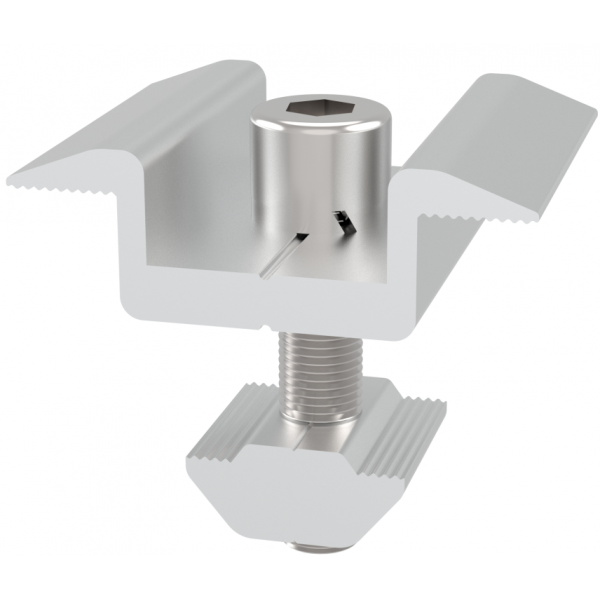
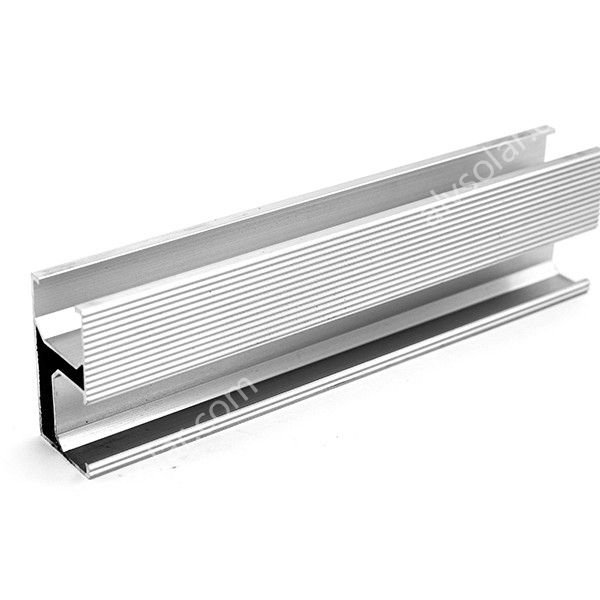
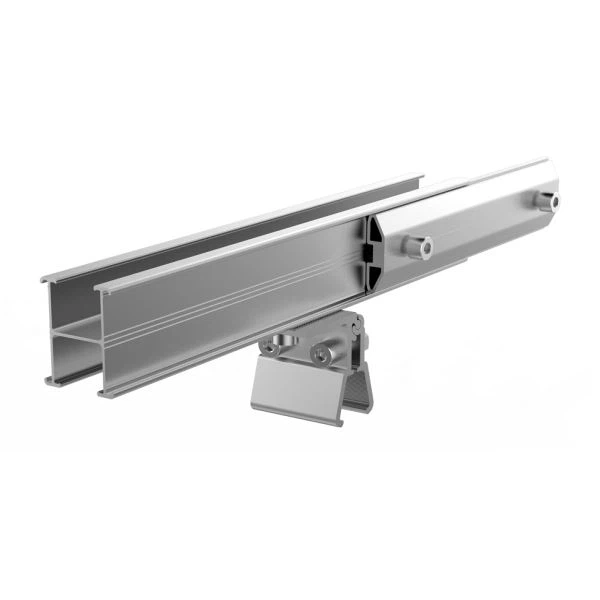
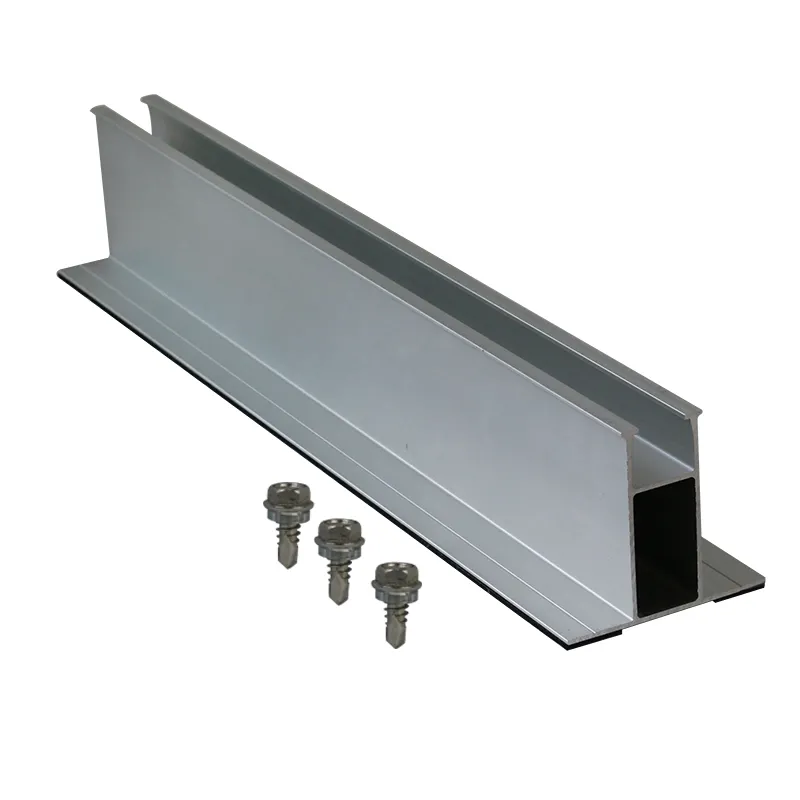
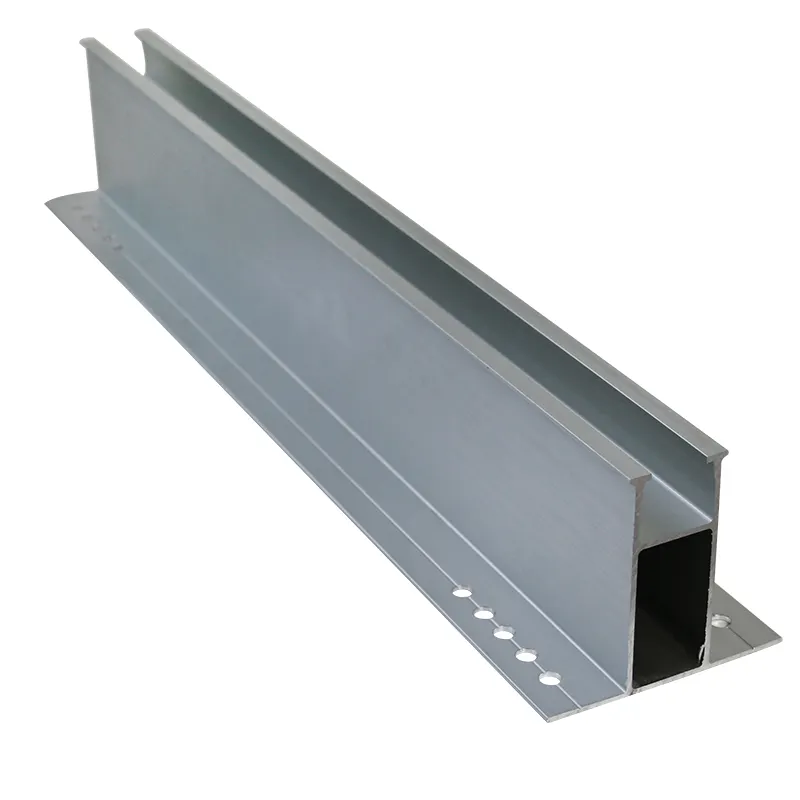
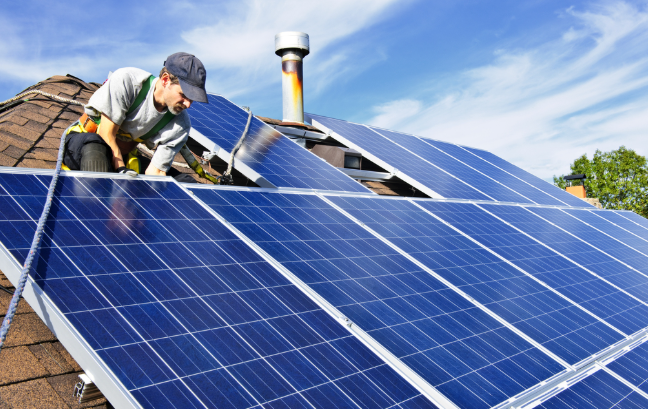
The most common residential roof types each require specialized mounting structures. Asphalt shingle roofs, the dominant residential roofing material in North America, work well with standard flush-mount rail systems. Installers attach flashed mounting feet directly to rafters, sealing each penetration before laying shingles back down. This approach has proven reliable across millions of installations and remains the most cost-effective option for most homeowners.
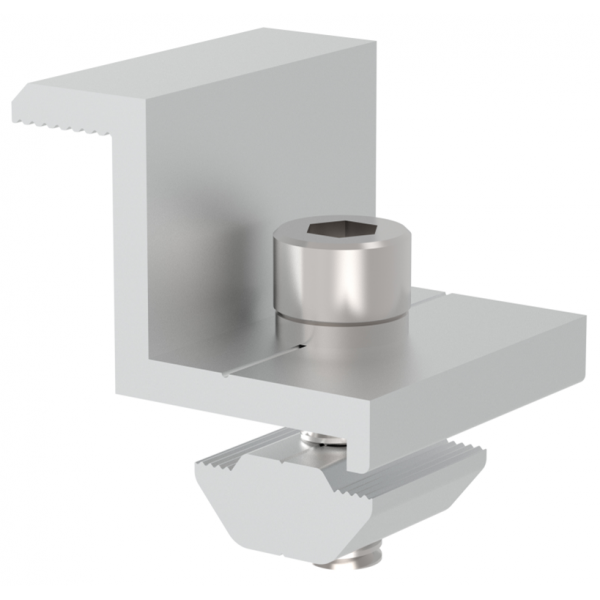
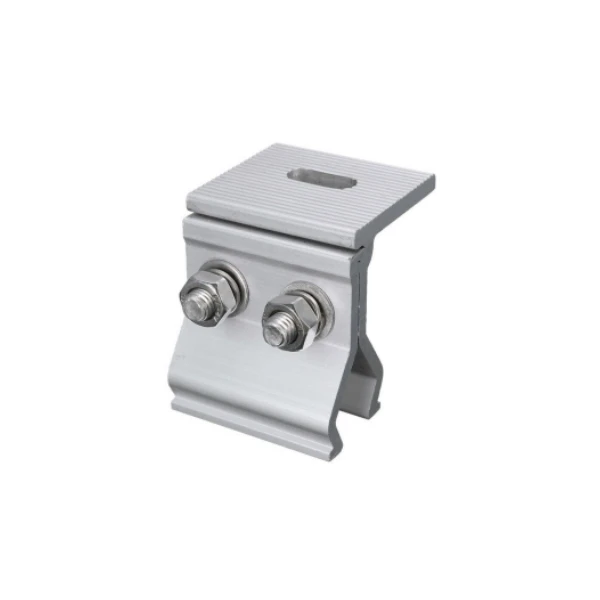
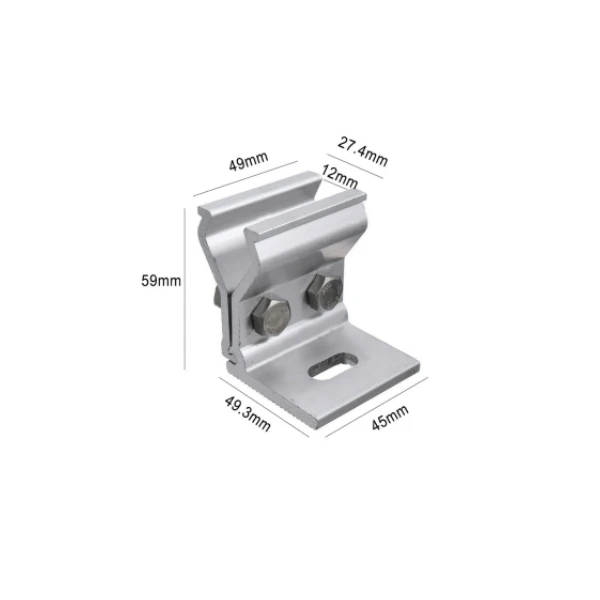
For standing seam metal roofs, non-penetrating clamps represent the gold standard. hese mounting solutions grip the raised seams. This is why many roofing contractors recommend standing seam metal specifically for homeowners planning future solar installations. The clamps can be installed in minutes and removed just as quickly if roof repairs are needed.
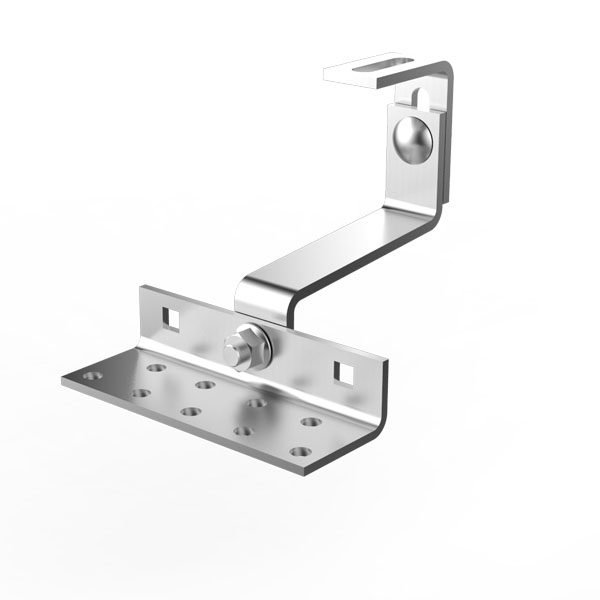
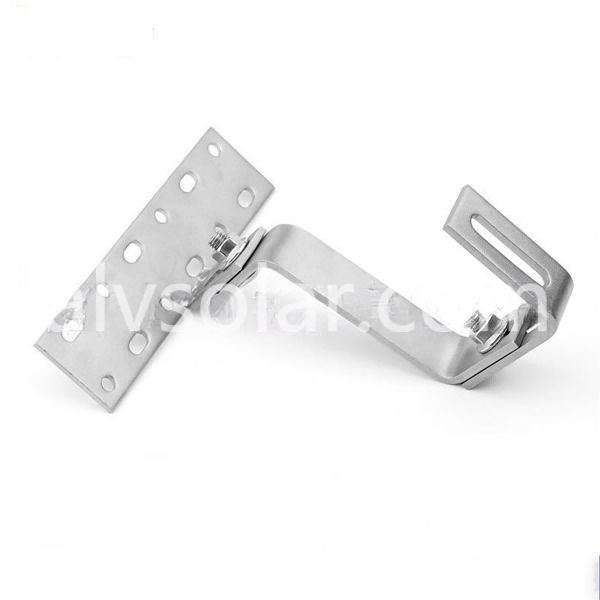
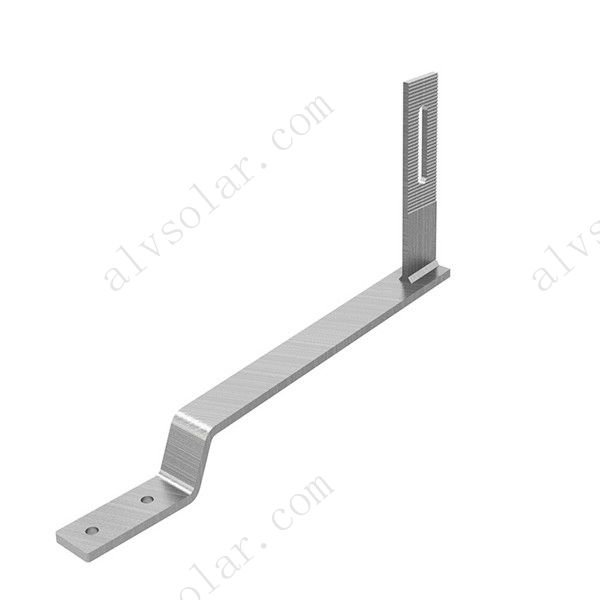
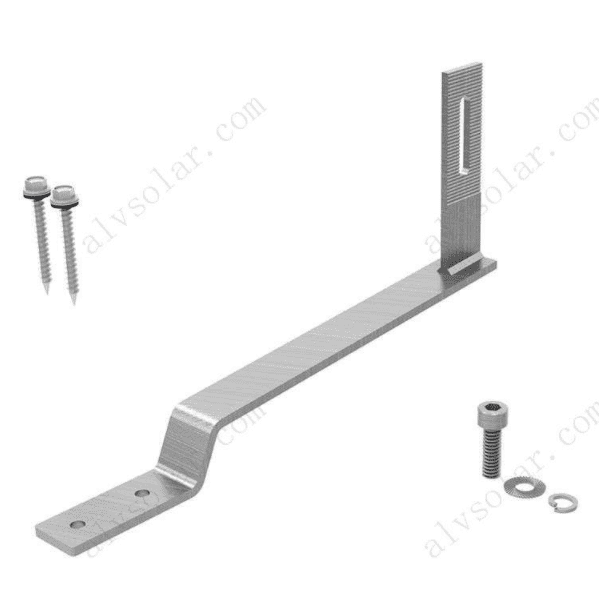
Clay and concrete tile roofs present unique challenges. These brittle materials require tile hooks that slide under the tiles and anchor directly to structural rafters. The tile below each bracket often gets replaced with a flexible rubber alternative to prevent cracking from downward loads. A common question from homeowners is whether their existing tile roof can support PV mounting hardware without damage without damage—the answer depends on tile condition and installer expertise. Older, weathered tiles are more prone to cracking during installation, while newer tiles typically handle the process without issue.
Types of Solar Mounting System-Ground-Mount vs Rooftop Solar Mounting Systems
A frequent question is whether ground-mounted Solarmontagesysteme are better than rooftop installations. Ground mounts offer several advantages: optimal tilt angle regardless of roof pitch, easier maintenance access, and compatibility with bifacial panels for higher energy yield. However, they require available land, trenching for cables, and separate permits.
ground-mounted solar racking systems cost more due to foundation requirements, trenching, and underground electrical work, typically ranging from $2,000 to $4,500. Tracking systems that follow the sun’s path add significantly more expense, from $4,000 to $8,000+, but can increase energy production by 15-25%.
For homeowners with limited land or shading issues, rooftop Solarmontagesysteme remain the practical choice. The decision ultimately comes down to available space, budget, and energy goals.
How Much Do Types of Solar Mounting Systems Cost?
Cost remains one of the most frequently asked questions about Solarmontagesysteme. Racking and mounting hardware typically account for 3-5% of total system cost. For a standard residential roof, mounting hardware may cost between $500 and $1,000. This relatively small percentage of total system cost delivers outsized importance—the mounting system is the only component that must survive every weather event for decades without maintenance.
These figures help homeowners budget accurately, but the true value of quality Solarmontagesysteme lies in their longevity. A system that costs slightly more upfront but avoids roof leaks and structural failures delivers far better long-term value. Homeowners should ask potential installers about the specific mounting hardware being used and its certification for local wind and snow loads.
What About Snow and Wind Loads?
Homeowners in northern climates frequently ask whether their roof can handle the weight of types of Solarmontagesysteme and whether snow will damage the panels. Professional engineering addresses both concerns.
Modern Solarmontagesysteme are designed to meet specific structural standards. The ASCE 7-22 standards update introduced increased wind speeds in hurricane-prone zones and net increases in design snow loads of 10-20% across many regions. Reputable manufacturers update their span tables and design tools to align with these standards, ensuring systems remain code-compliant.
For snow shedding, ground-mounted systems offer an advantage since they can be tilted steeper. Types of solar mounting systems allow angles from 0° to 60°, enabling winter settings that encourage snow to slide off naturally. Rooftop systems are limited by roof pitch but still perform reliably when properly engineered for local snow loads.
Installation Best Practices for Types of Solar Mounting Systems
Proper installation is just as critical as selecting the right product. Even the best types of solar mounting systems will underperform if installed incorrectly. The following best practices help homeowners and installers avoid the most common mistakes.
Verify Roof Structure Before Installation
Before any hardware is mounted, verify that your roof structure can support the additional load of types of solar mounting systems and solar panels. For asphalt shingle roofs, confirm that rafters are in good condition. For tile roofs, check for cracked or weathered tiles that may need replacement before installation.
Use Proper Flashing on All Penetrations
Every roof penetration must be properly flashed to prevent water ingress. This is especially important for asphalt shingle and tile roofs where types of solar mounting systems require attachment to structural rafters. Poor flashing is the leading cause of roof leaks after solar installation.
Match Mounting Hardware to Roof Type
Different roof types require different mounting hardware. Using the wrong types of solar mounting systems for your roof can void warranties and create safety hazards. Always verify compatibility before purchase.
Document Your Installation
Photograph each attachment point during installation. This documentation supports warranty claims and provides a reference for future maintenance.
Making the Right Choice for Your Home
There are types of solar mounting system for choice.Selecting Solarmontagesysteme isn’t a decision to rush. Selecting the right types of solar mounting systems requires verify your roof’s structural capacity, understand your local wind and snow loads, and choose a supplier with certified engineering documentation. The types of solar mounting systems is the only part of your solar investment that must survive every weather event for decades without maintenance—choose accordingly. For homeowners working with ALV Solar, our team provides customized types of solar mounting systems designed to meet your specific roof type and local climate conditions.
Engineering Support Types of Solar Mounting Systems from Start to Finish
ALV Solar offers all major types of solar mounting systems.What sets ALV Solar apart is our commitment to supporting your project beyond the point of sale. Our team provides:
- Custom CAD design tailored to your specific roof geometry and local climate
- Structural calculations for permit applications and code compliance
- Installation guidance to ensure your system is assembled correctly the first time
- Responsive customer service with technical support available throughout your project
Solutions for Every Types of Solar Mounting Systems Roof Type
- Whether you have asphalt shingles, standing seam metal, clay tiles, or a flat membrane roof, ALV Solar offers a mounting solution designed specifically for your application. Our product range includes:
- Rooftop mounting systems for pitched and flat roofs
- Ground-mount racking for residential yards and commercial sites
- Carport solar structures for dual-purpose parking and power generation
- Ballasted systems for flat roofs where penetrations must be avoided
Freely to contact us for more solution,WhatsApp:+86 13306007439,Email:sales08@xmalv.com