

Best Solar Mounting Systems Material: 5 Key Facts Aluminum vs Steel (2026)

Choosing the right solar mounting systems material is a balancing act between upfront cost, structural strength, and long-term durability. The two dominant materials in the industry are hot-dip galvanized steel and aluminum alloy. While both are capable of supporting PV arrays for 25 years, they behave very differently under wind loads, in corrosive environments, and during installation. Understanding these differences is critical for EPCs and developers aiming to minimize lifecycle costs.
Aluminum Alloy: The Standard for Rooftop Solar Mounting Systems Material
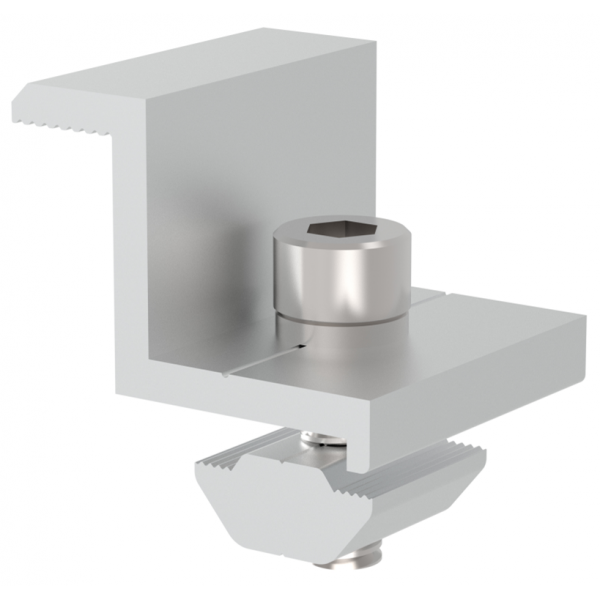
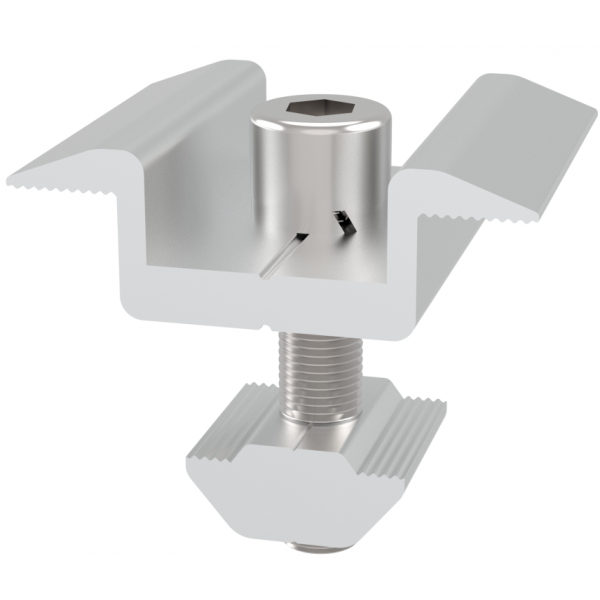
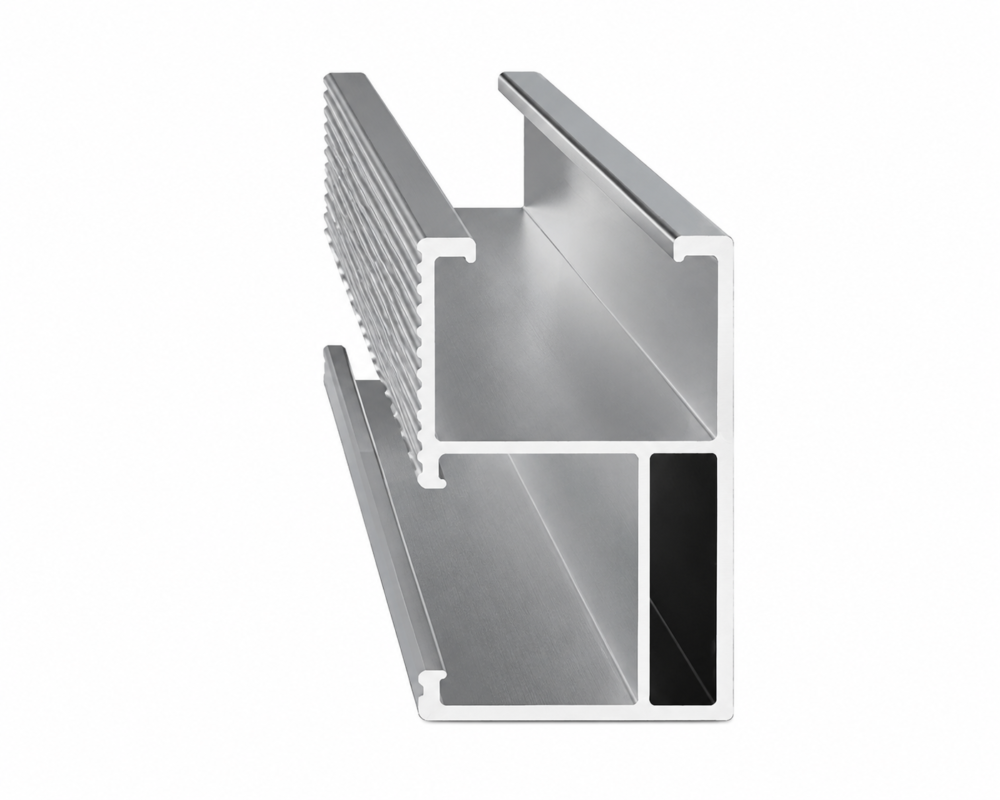
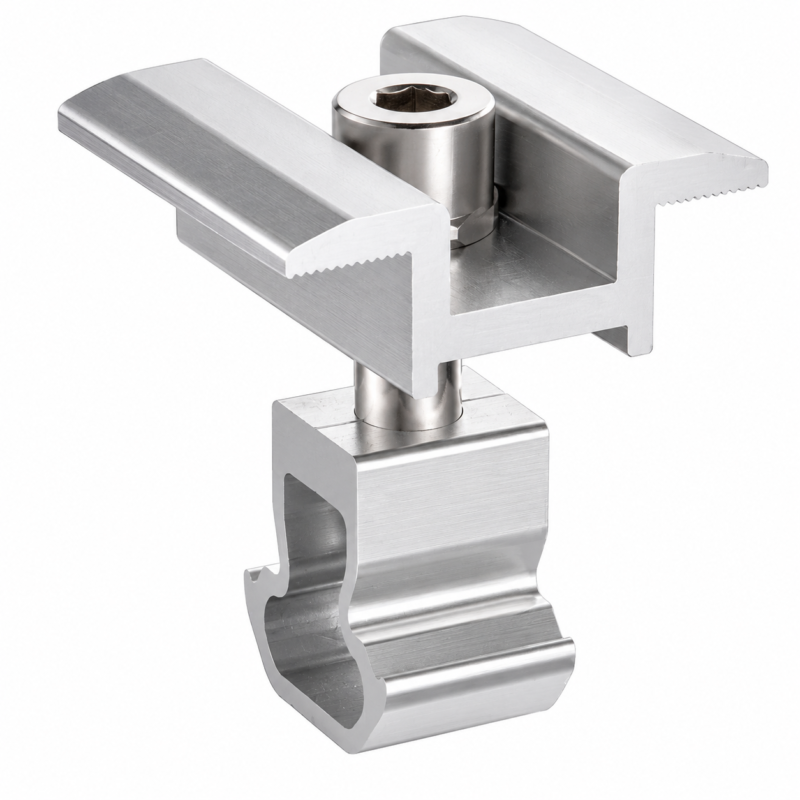
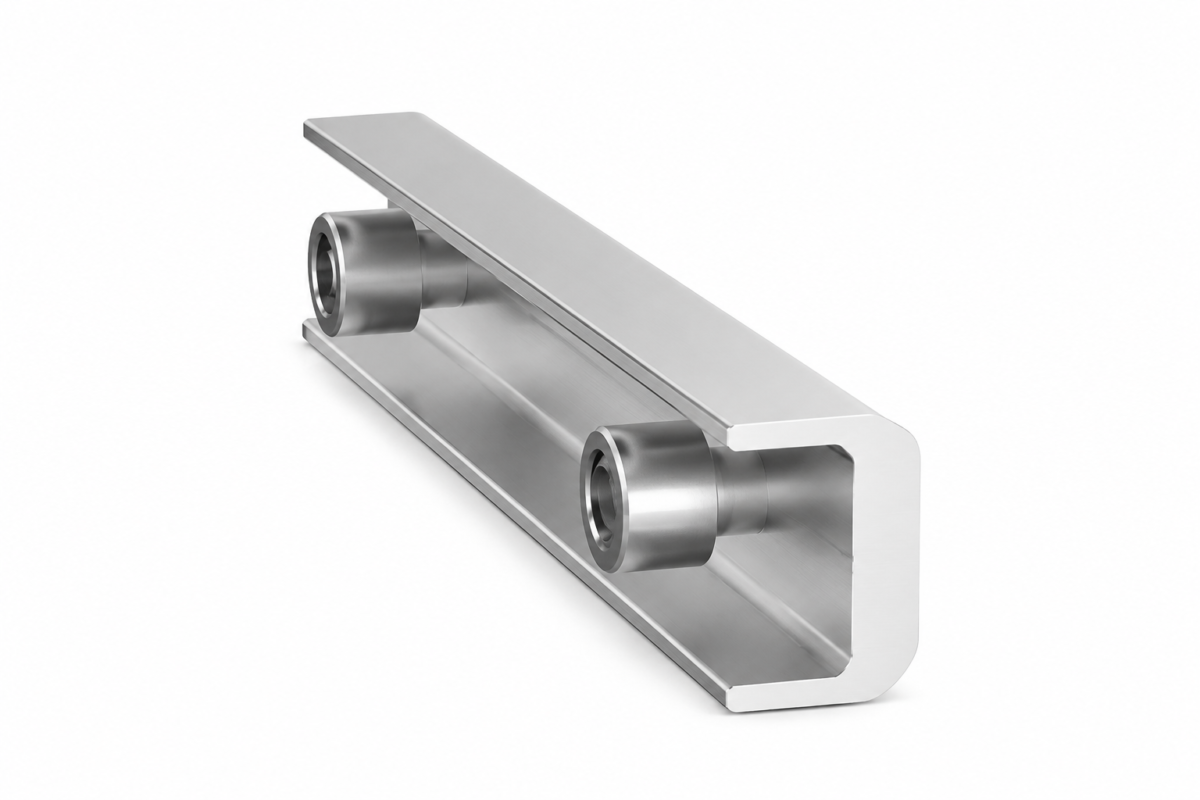
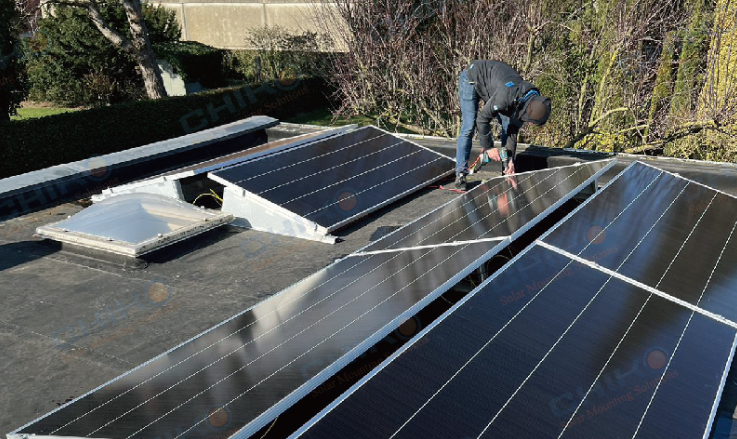
Aluminum (typically 6005-T5 or 6063-T6) is the most popular solar mounting systems material for residential and commercial rooftops. Its primary advantage is its incredible strength-to-weight ratio. Aluminum rails are lightweight, making them easy for installers to carry up ladders and maneuver on roofs without causing fatigue.
More importantly, aluminum possesses a naturally occurring oxide layer that provides excellent corrosion resistance, even in harsh coastal environments. When anodized or mill finish aluminum is used with stainless steel fasteners, the system can easily last 25 years without rusting. However, aluminum has a lower melting point and is less stiff than steel, meaning it requires more frequent support spans (rail attachment points) to handle heavy snow loads .
Galvanized Steel: The Backbone for Ground Mounts and Carports
Al evaluar solar mounting systems material for ground mounts or carports, hot-dip galvanized steel is often the superior choice. Steel offers higher tensile strength, allowing for wider column spans and fewer foundation piles—which can significantly reduce civil engineering costs on large utility-scale projects.
The galvanizing process involves dipping the steel into molten zinc, creating a metallurgical bond that protects against rust. A standard hot-dip coating (85 microns) can withstand decades of exposure. However, if the coating is scratched during transport or installation, the exposed steel will begin to rust. Therefore, steel systems require more careful handling on site compared to aluminum. Furthermore, the heavy weight of steel increases shipping costs, which must be factored into the total project budget.
Corrosion and Galvanic Compatibility
The most critical factor in selecting your solar mounting systems material is galvanic corrosion. When aluminum and steel come into direct contact in the presence of moisture, the aluminum acts as an anode and corrodes rapidly.
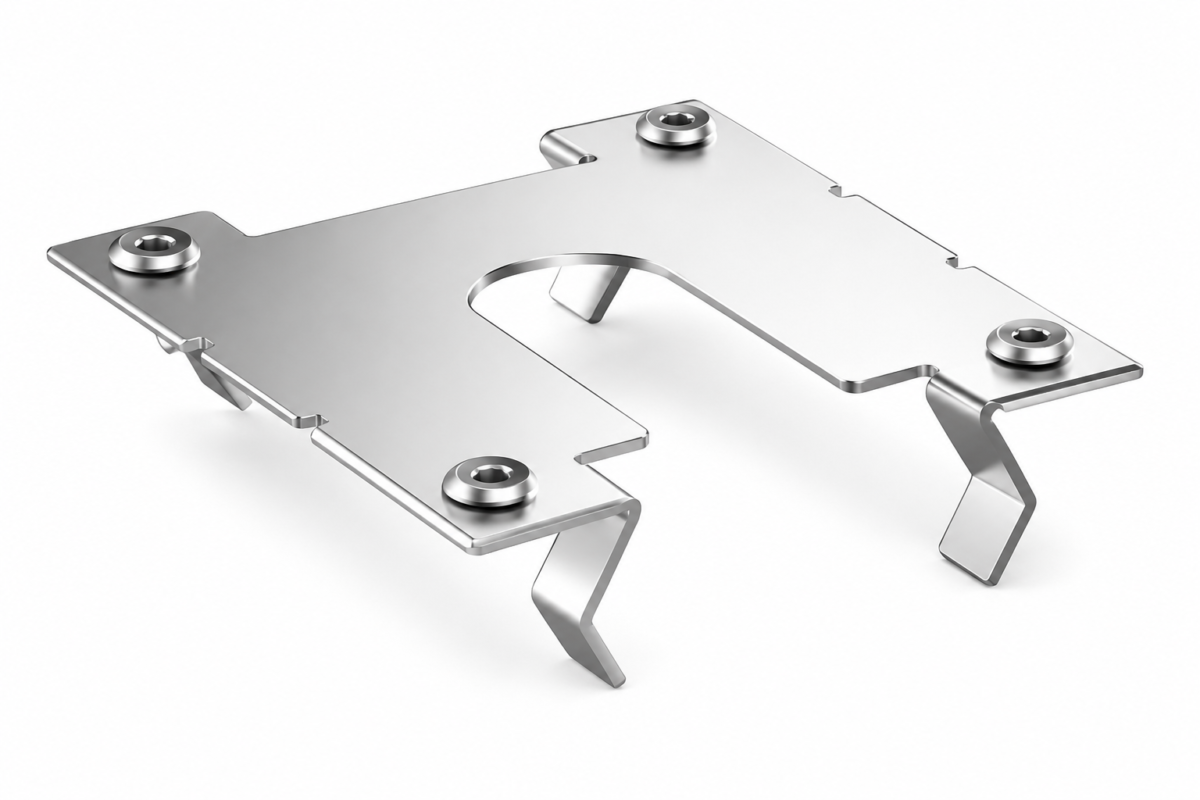
To prevent this, installers must use dielectric spacers (like EPDM rubber or nylon washers) between dissimilar metals. If you choose a steel racking system, all clamps and bolts attaching to the aluminum solar panel frames must be stainless steel. If you use an aluminum racking system, the grounding lugs and foundation anchors must be engineered to isolate the metals. Failing to account for this is the fastest way to void a system’s warranty and cause structural failure.
Freely to contact us to know more about it.Email:sales08@xmalv.com(WhatsApp:+86 13306007439).
Why ALV Solar Offers the Optimal Solar Mounting Systems Material
ALV Solar understands that the best solar mounting systems material depends on the specific application. For residential and commercial rooftops, we supply high-grade aluminum alloy rails that are lightweight, corrosion-resistant, and fast to install. For ground mounts and carports, we engineer heavy-duty hot-dip galvanized steel structures that can withstand wind loads up to 60 m/s and snow loads up to 4 kN/m².
Every ALV Solar project is supplied with the correct dielectric spacers and stainless steel fasteners to eliminate galvanic corrosion. We also offer custom CAD design and structural calculations to ensure your chosen material meets local building codes. Whether you need the lightweight efficiency of aluminum or the brute strength of steel, ALV Solar provides certified sistemas de montaje solar tailored to your project’s environment. Contact us today for a consultation.
Installation Costs: The Hidden Factor in Solar Mounting Systems Material
When comparing the total cost of ownership, buyers must look beyond the raw price per kilogram of steel or aluminum. The choice of solar mounting systems material drastically affects installation labor costs. Aluminum is significantly lighter, meaning a two-person crew can easily carry rails up a ladder and position them on a residential roof. This reduces installation time and minimizes the risk of workplace injuries.
Conversely, galvanized steel is much heavier. On utility-scale ground mounts or commercial carports, heavy steel beams require cranes or telehandlers to lift them into place. However, because steel allows for wider column spans, you may need fewer foundation piles. The money saved on concrete and civil engineering can often offset the higher labor and equipment costs associated with steel. Always request a fully installed cost estimate, not just a hardware quote, when deciding on your solar mounting systems material.
Preguntas frecuentes
1. Is aluminum better than steel for solar mounting systems material?
Neither is universally better. Aluminum is best for rooftops due to its light weight and corrosion resistance. Galvanized steel is better for ground mounts and carports because it offers higher strength for wide spans and is more cost-effective at scale.
2. How long does galvanized steel last in solar mounting systems?
Hot-dip galvanized steel can last 25 to 30 years in most environments. However, in highly corrosive environments like coastal zones or industrial areas, the zinc coating degrades faster. In these cases, thicker coatings or aluminum should be used.
3. Can aluminum and steel be used together in solar mounting systems?
Yes, but they must be isolated. Direct contact between aluminum and steel causes galvanic corrosion. Always use stainless steel fasteners and dielectric spacers (EPDM or nylon) to separate the two metals .
4. What is the most cost-effective solar mounting systems material?
For large ground-mount projects, galvanized steel is typically the most cost-effective material because the lower cost of steel offsets the higher shipping and foundation costs. For residential roofs, aluminum is usually cheaper to install due to reduced labor time.
5. Does aluminum solar mounting require grounding?
Yes. While aluminum is conductive, the anodized coating can act as an insulator. Manufacturers provide specific grounding hardware, like WEEB washers or integrated grounding pins, that pierce the anodized layer to ensure a safe electrical bond.