

Best 7 Solar Mounting Systems Wind Load Facts: Complete 2026 Guide

How Solar Mounting Systems Wind Load Engineering Works?
One of the most common questions from project developers and installers is how Solar Mounting Systems Wind Load perform under extreme environmental conditions. The answer lies in structural engineering that has evolved significantly in recent years, particularly with the introduction of ASCE 7-22 standards that changed how wind, snow, and seismic loads are calculated.
ASCE 7-22 Changes For Solar Mounting Systems Wind Load
The American Society of Civil Engineers updated its structural loading guidelines in 2022, introducing new criteria that directly affect racking system design. Key changes include simplified roof zones (now just 3 instead of 6), increased wind speeds in hurricane-prone zones, and updated wind tunnel testing provisions .
For snow loads, the update introduced a net increase in design snow loads of 10-20% across many regions, with lower load factors but higher thermal factors. This may require closer spans or additional components in high-snow areas.
What does this mean for installers and designers? Compliance with ASCE 7-22 actually simplifies span tables and roof zone layouts in many cases, leading to faster and more efficient installations. Manufacturers like Unirac have proactively updated their product testing and design tools to align with these standards, ensuring systems meet or exceed new benchmarks.
How Do Solar Mounting Systems Wind Load Uplift?
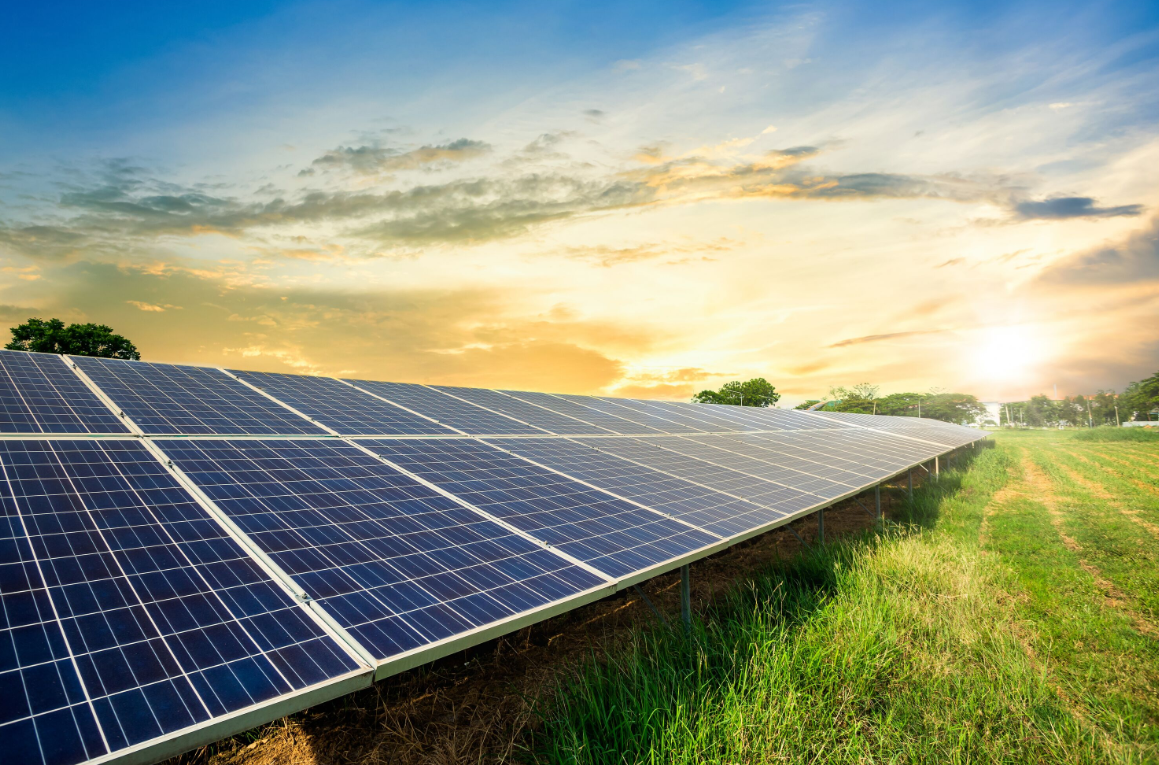
Wind is the primary structural concern for mounting hardware. The challenge is that corner panels in an array experience 2-3 times more uplift than interior panels. Generic wind pressure coefficients applied uniformly across an array lead to failures.
Modern racking systems address this through zone-based wind load analysis. Roof edges and corners require additional attachment points or heavier ballast. Design software handles zone mapping automatically, ensuring each section of the array receives appropriate structural support.
For ground-mounted systems, pull-out strength tests measure foundation resistance to upward wind forces. Soil investigations ensure the ground can support the structure without shifting. Driven-pile foundations for utility-scale mounting structures can install 100-200 piles per day, solar mounting systems wind load embedment depth must be verified through testing.
Snow Load Engineering for Solar Mounting Systems
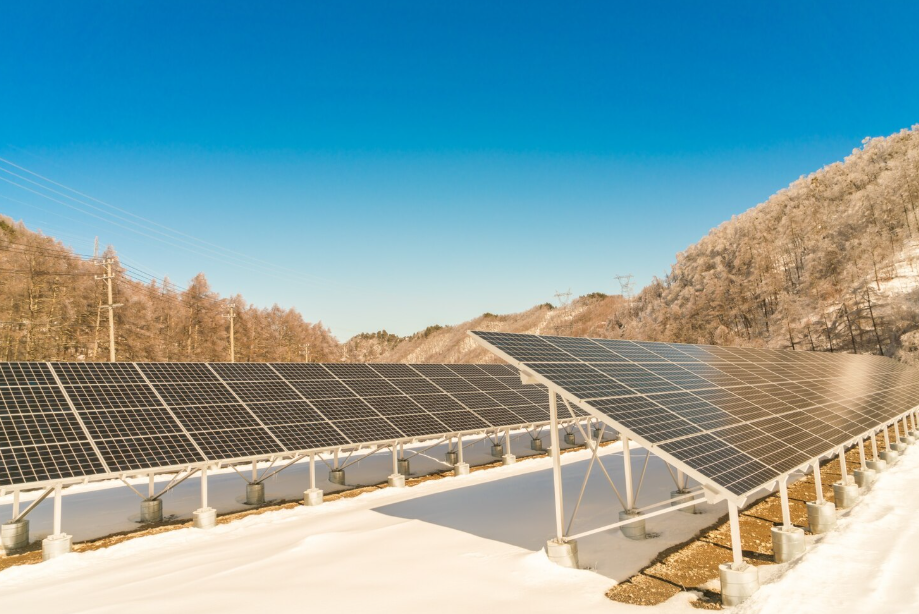
Snow presents different challenges than wind. A 50-pounds-per-square-foot snow load zone—common in mountainous regions—demands a mounting structure design that distributes weight across multiple attachment points.
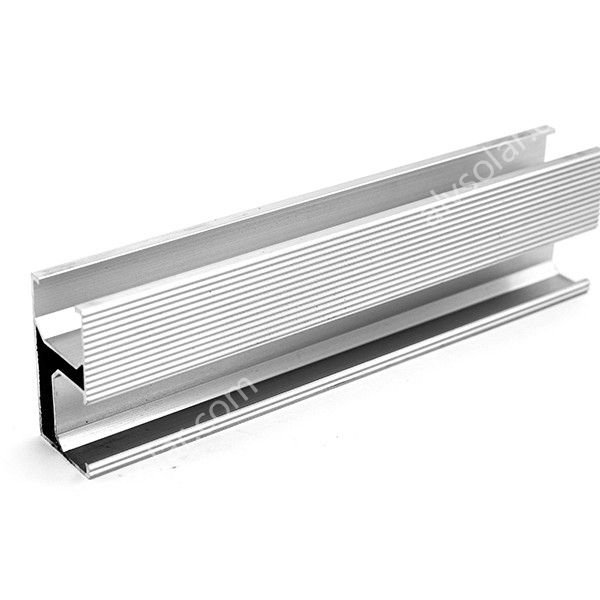
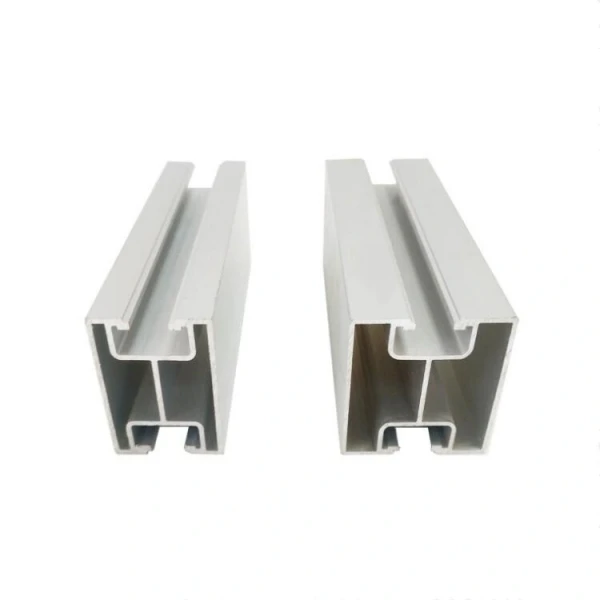
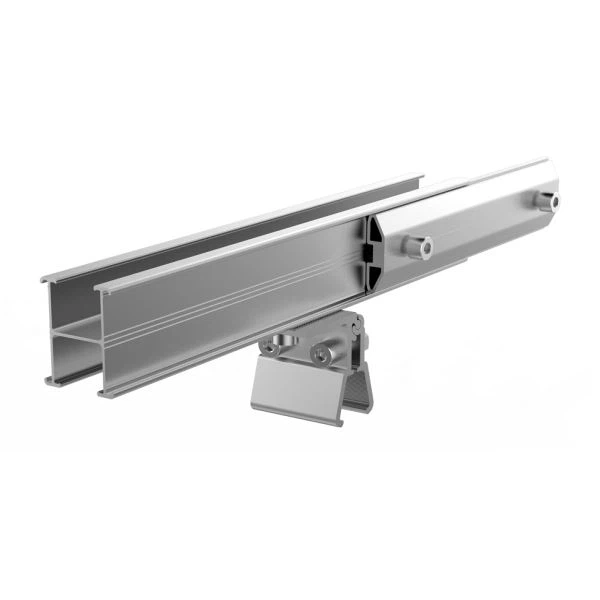
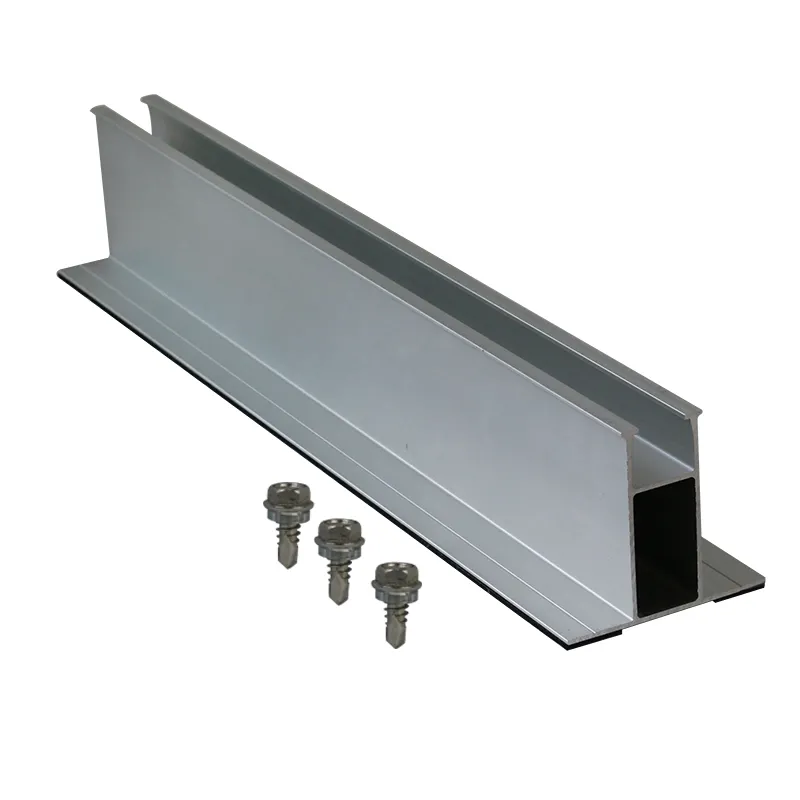
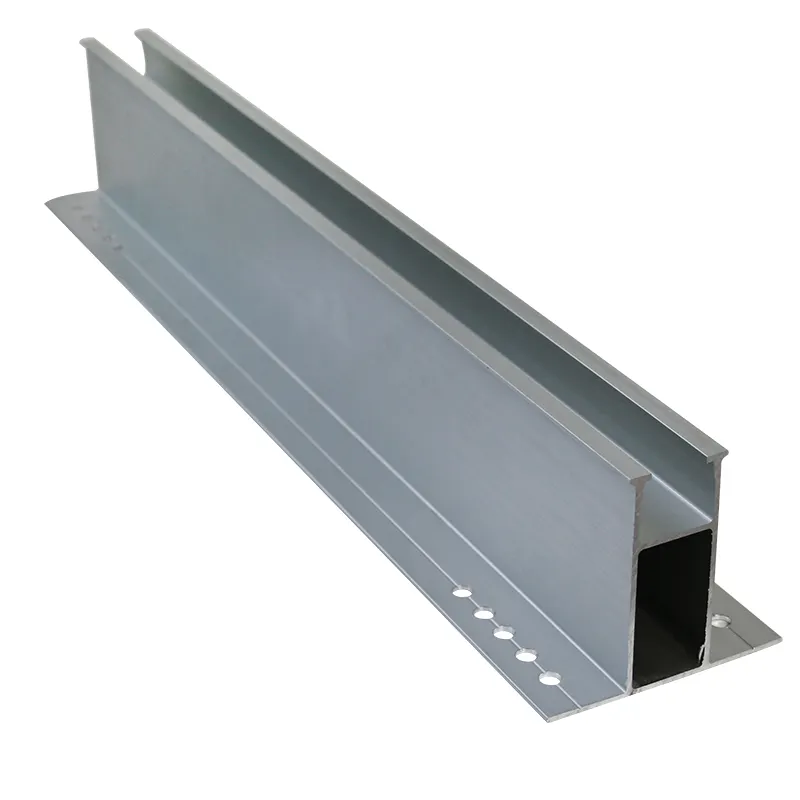
Rail-based systems excel here because they spread snow load along the rail length. Rail-less systems transfer load directly to module frames and individual attachment points, requiring careful engineering to avoid overloading any single point.
The angle of PV mounting hardware also affects snow performance. Steeper tilts encourage snow shedding, while flatter angles allow accumulation. Adjustable tilt systems allow seasonal adjustments, with some products offering tilt ranges from 0° to 60° and rated snow loads up to 2.5 kPa.
Seismic Considerations for Solar Mounting Systems
In seismic zones, PV racking systems must resist must resist lateral forces from earthquakes. Panel attachment and rail connections are designed to prevent panels from detaching during seismic events.
Seismic design requirements vary significantly by region. In California and other high-risk areas, mounting structures must be certified for seismic design categories up to E or higher. This affects clamp selection, rail spacing, and foundation design.
The ASCE 7-22 update also included provisions for tornado loads in certain regions, further expanding the environmental factors that wind load engineering must address. For projects in high-risk zones, working with a supplier that provides site-specific structural calculations is essential.
Design Tools Simplify Compliance
Modern design tools make code compliance more accessible for installers and developers. Software platforms generate stamped structural letters for permit applications and validate that racking layouts meet manufacturer span tables for specific wind and snow loads.
Selecting the right solar mounting systems wind load solution requires when selecting racking solutions for projects in demanding environments, working with a supplier that provides certified structural calculations and field-proven performance data is essential. The difference between a system that survives 25 years and one that fails in year three often comes down to proper load engineering and component matching.
Why ALV Solar Leads in Solar Mounting Systems Wind Load Engineering
When your project demands solar mounting systems wind load engineered for extreme wind, snow, and seismic conditions, ALV Solar delivers solutions that meet the most rigorous international standards. Our mounting systems are certified to SGS/CE, AS/NZS1170, JIS4955:2011, and ISO9001, with structural ratings that include:
- Wind load resistance: up to 60 m/s (216 km/h)
- Snow load capacity: up to 4 kN/m²
- Seismic design: certified for high-risk zones
- Service life: 25 years with 12-year warranty
Engineered for Real-World Conditions
ALV Solar’s solar mounting systems wind load certifications and need engineering team provides site-specific structural calculations for every project, ensuring your adjustable mounting solutions allow comply with local building codes including ASCE 7-22, Eurocode, and AS/NZS standards. Whether you’re installing on a commercial rooftop in a hurricane zone or a ground-mount array in heavy snow country, our team delivers mounting solutions engineered for your exact conditions.
Complete Product Range
From rooftop solar mounting systems for pitched and flat roofs to solar ground-mount racking for utility-scale projects, ALV Solar offers a comprehensive portfolio:
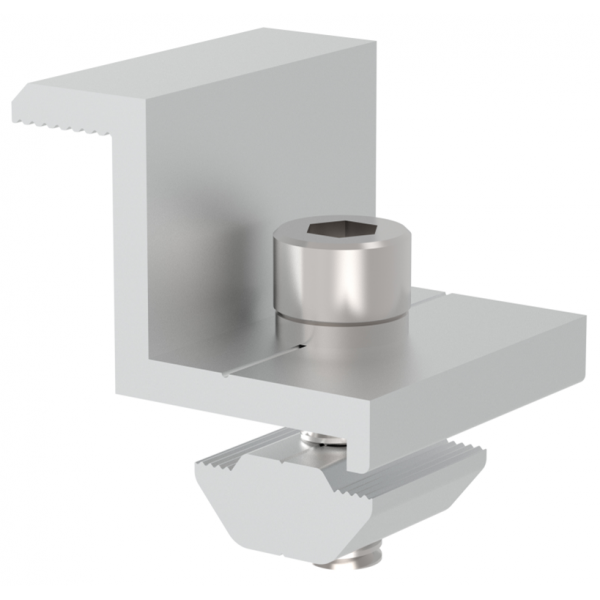
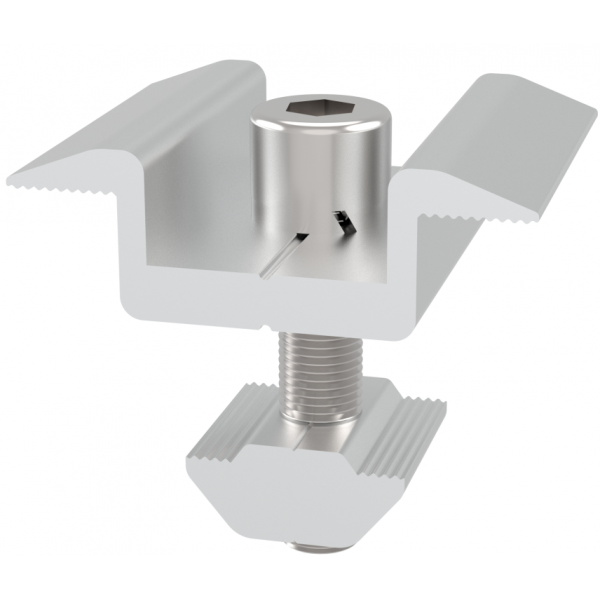
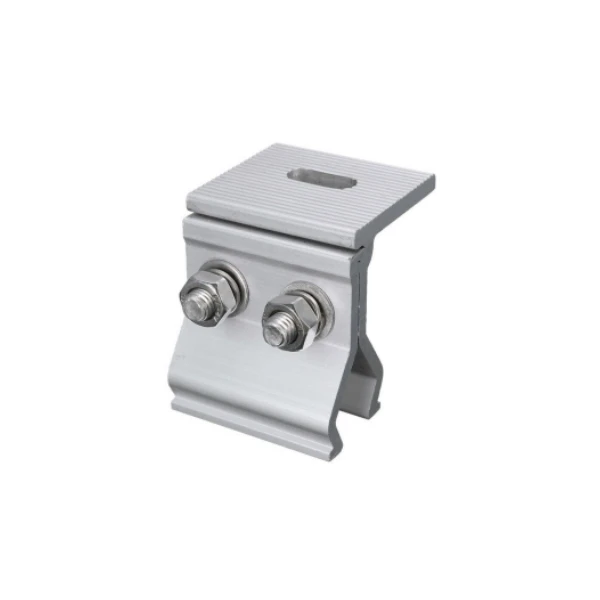
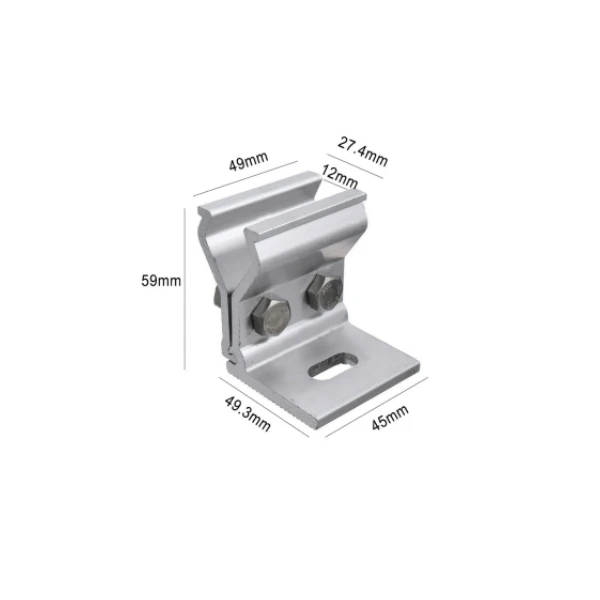
- Non-penetrating clamps for standing seam metal roofs
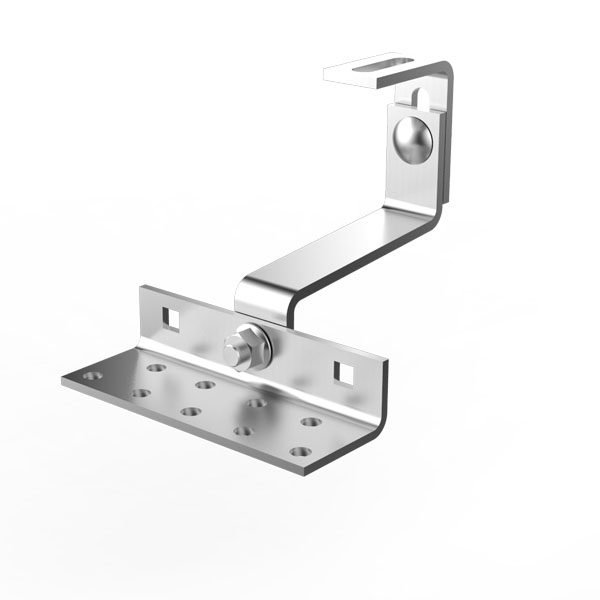
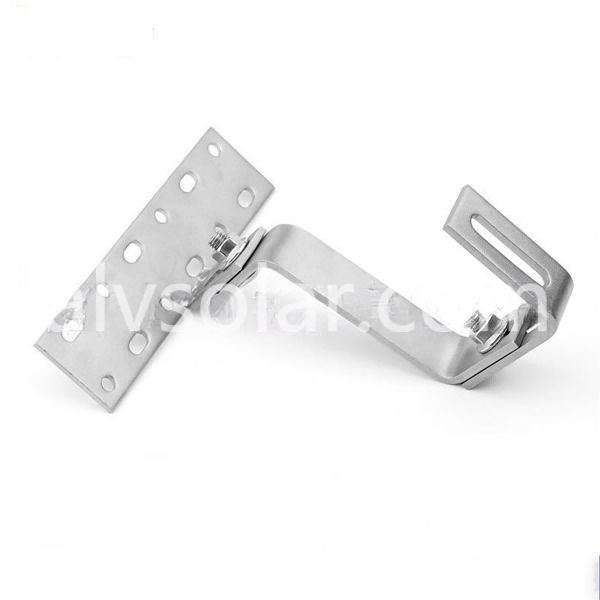
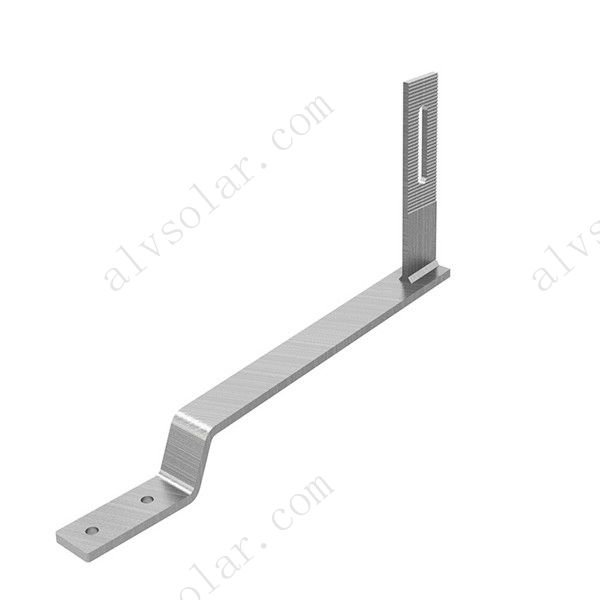
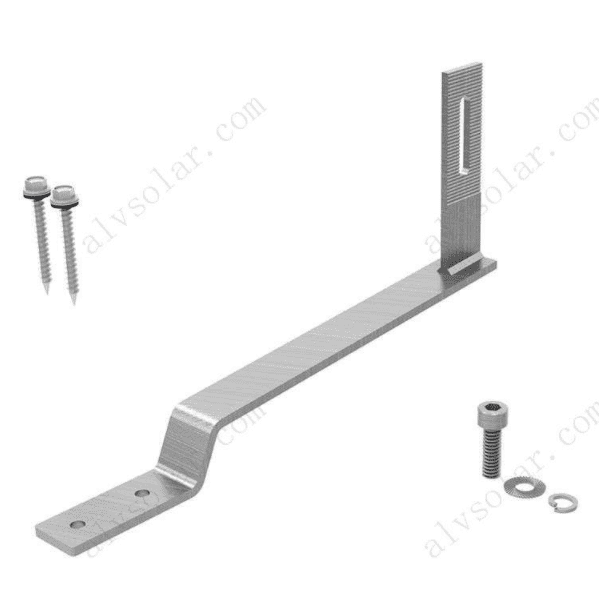
- Tile hooks for clay and concrete roofs
- Ballasted systems for flat membrane roofs
- Driven-pile and concrete foundation ground mounts
- Carport solar structures
Global Support, Local Expertise
With projects deployed across Asia, Europe, North America, and Oceania, ALV Solar understands the regional challenges that affect solar mounting systems wind load performance. Our team provides:
- Custom CAD design tailored to your site
- Structural calculations for permit approval
- Installation guidance and technical support
- Responsive customer service throughout your project
Contacto ALV Solar today selecting the right solar mounting systems wind load solution to discuss how our certified solar mounting systems wind load can meet your project’s wind, snow, and seismic requirements.
Frequently Asked Questions About Solar Mounting Systems
1. What is the most important factor when choosing solar mounting systems for high-wind areas?
The most critical factor is zone-specific wind load analysis. Corner and edge panels experience 2-3 times more uplift than interior panels, so uniform clamp spacing is insufficient. Choose sistemas de montaje solar with documented edge and corner load data, and verify the system is certified for your local wind speed requirements.
2. Can solar mounting systems be installed on any roof type?
Most roof types can accommodate sistemas de montaje solar, but the specific hardware varies. Asphalt shingle roofs use flashed L-feet, metal roofs use non-penetrating clamps, and tile roofs use specialized hooks. Flat roofs often use ballasted systems that require no penetrations. The key is matching the mounting system to your specific roof material and condition.
3. How long do solar mounting systems last?
Quality of the sistemas de montaje solar are designed for 25-30 year lifespans, matching the performance warranty of solar panels. Aluminum rails and stainless steel fasteners provide excellent corrosion resistance, while galvanized steel is suitable for ground mounts in non-coastal areas. Proper installation and material selection determine actual longevity.
4. Do solar mounting systems Wind Load require maintenance?
Solar mounting systems require minimal maintenance. Annual inspections should check for loose clamps, corrosion, and roof penetration integrity. After extreme weather events, visual inspection is recommended. Most issues arise from installation errors rather than product defects, making proper installation critical.
5. What is the difference between rail-based and rail-less solar mounting systems?
Rail-based sistemas de montaje solar use continuous aluminum rails to support panels, distributing weight across multiple attachment points. Rail-less systems attach panels directly to individual roof mounts, reducing hardware costs by 30-35% and installation time by 35-50%. Rail-based systems offer more predictable structural behavior in high-wind zones, while rail-less systems excel in speed and cost efficiency.