

Guide complet des kits de montage pour panneaux solaires : ce que vous devez savoir

Choisir le bon kits de montage pour panneaux solaires Le choix du système de montage est l'étape la plus cruciale pour garantir la longévité et les performances de votre installation photovoltaïque. Ce système constitue l'ossature de votre installation solaire, et un mauvais choix peut entraîner des microfissures dans les panneaux, des dommages à la toiture, voire une défaillance catastrophique en cas d'intempéries. .
Ce guide détaille les composantes essentielles et les points clés à prendre en compte pour vous aider à prendre une décision éclairée.
Que contient un kit de montage pour panneaux solaires ?
Une norme kit de montage solaire L'ensemble comprend généralement tout le matériel nécessaire pour fixer vos panneaux sur un toit ou au sol. Bien que des marques comme Solar Electric Supply proposent une large gamme de systèmes complets, les éléments de base restent généralement les mêmes. .
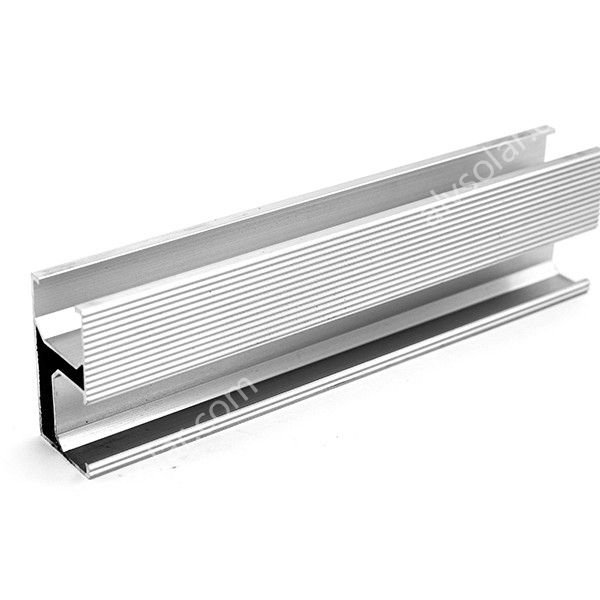
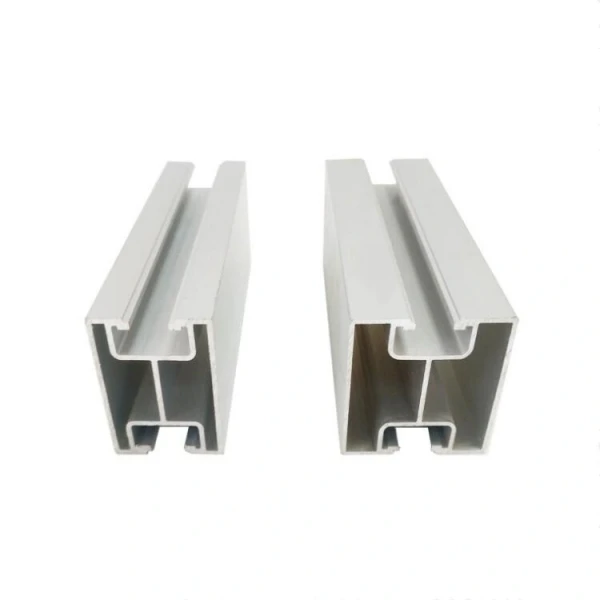
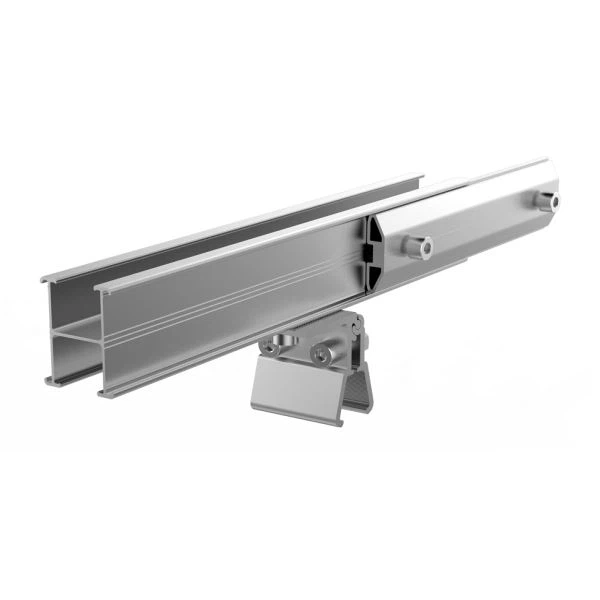
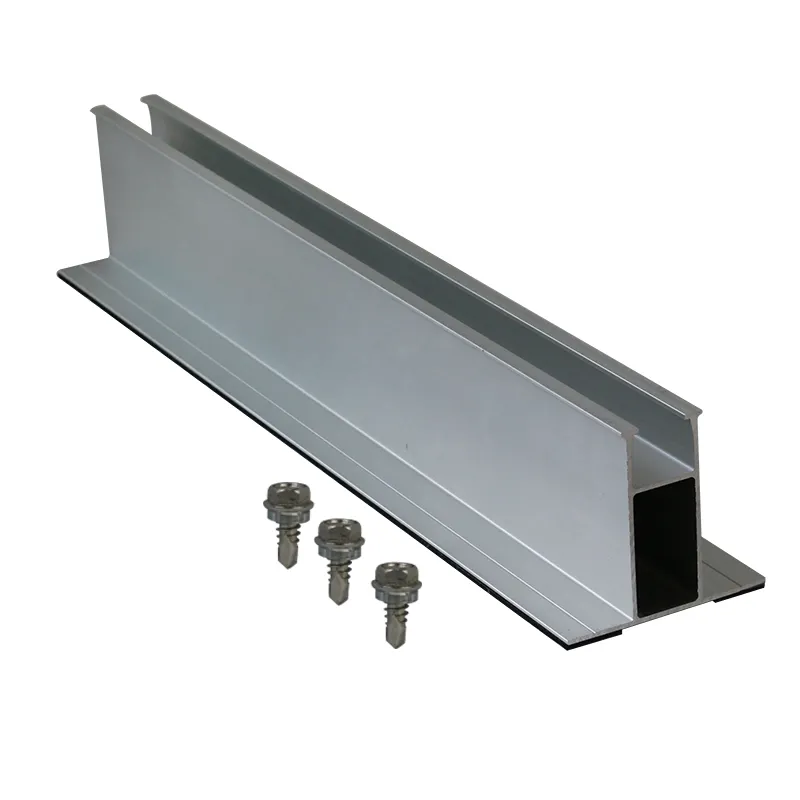
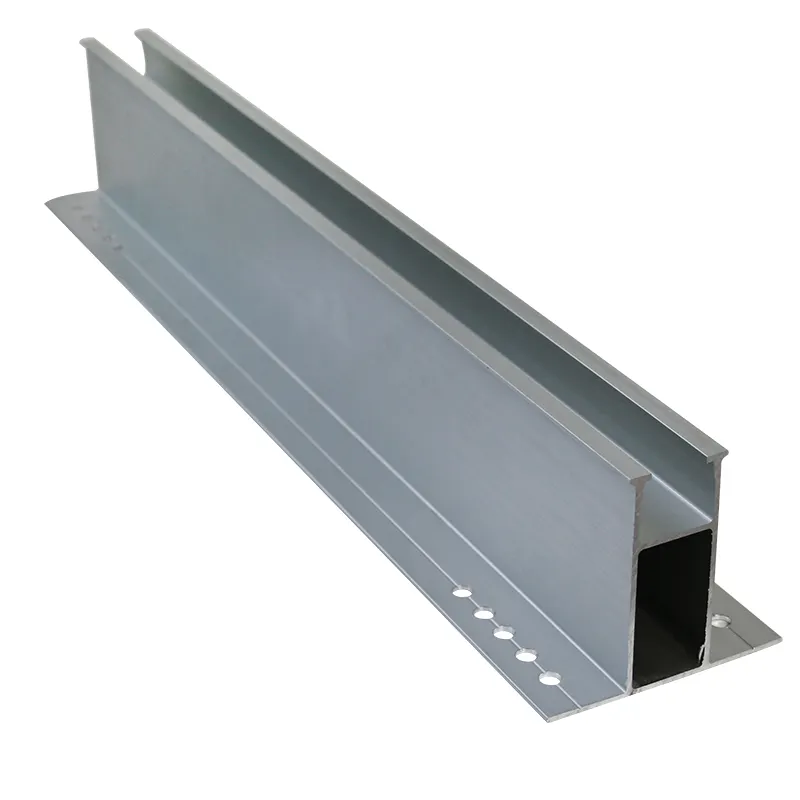
- Rails de montage : Ce sont les poutres horizontales en aluminium qui constituent la structure de support principale de vos panneaux.
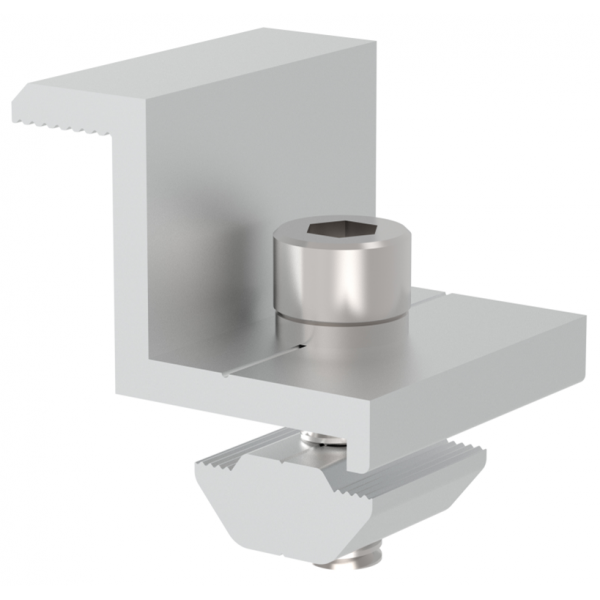
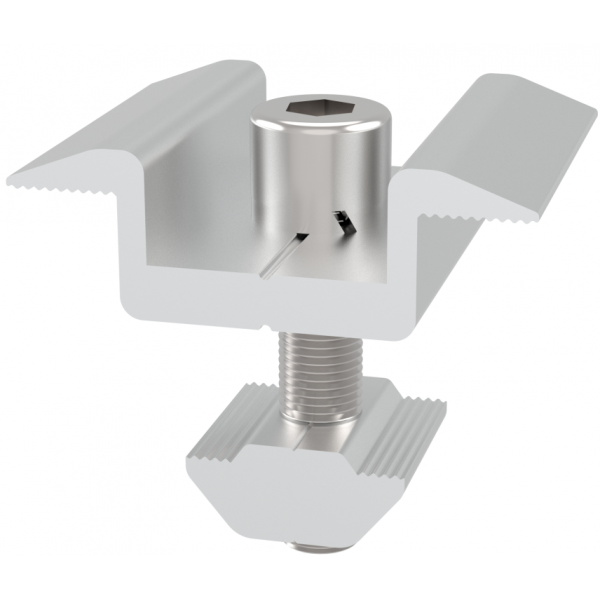
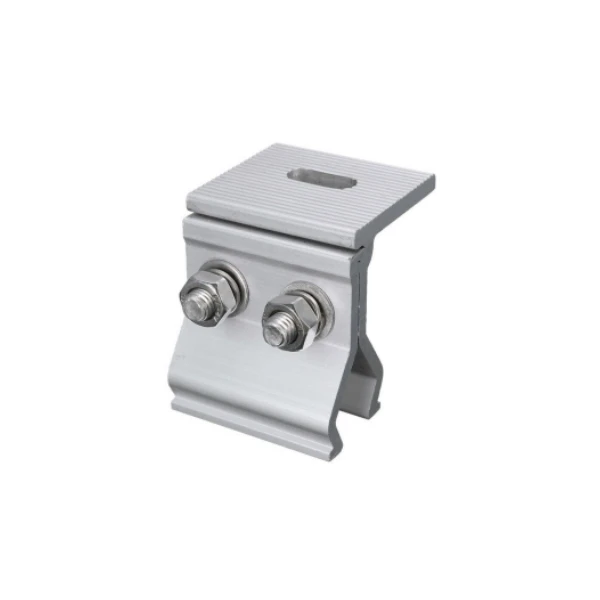
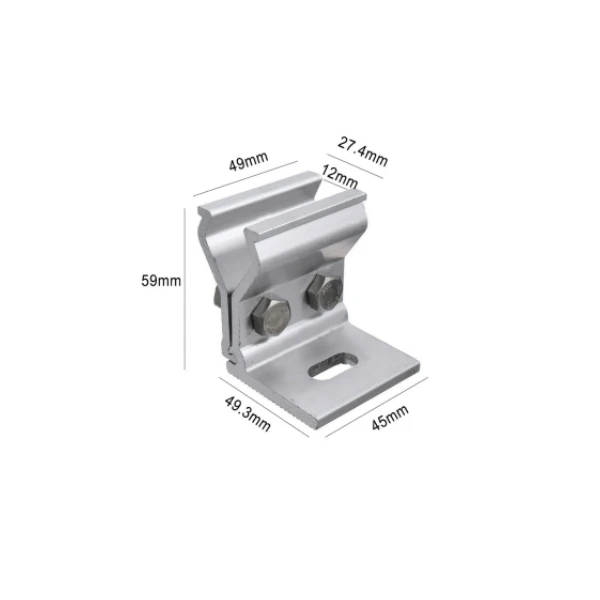
- Pinces : Les fixations centrales et d'extrémité servent à fixer les panneaux solaires aux rails. Il est essentiel de s'assurer de leur compatibilité avec l'épaisseur de vos panneaux afin d'éviter les points de tension susceptibles de provoquer des microfissures. .
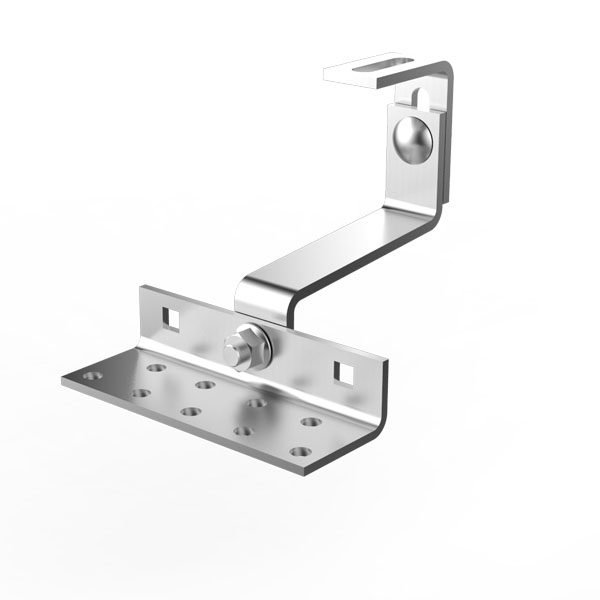
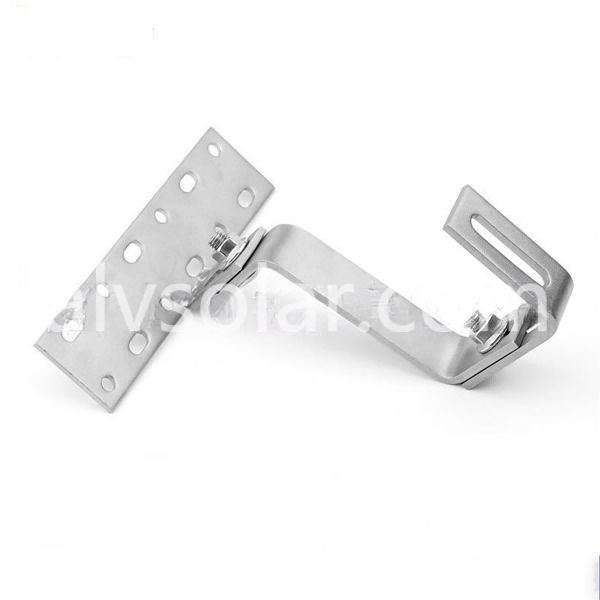
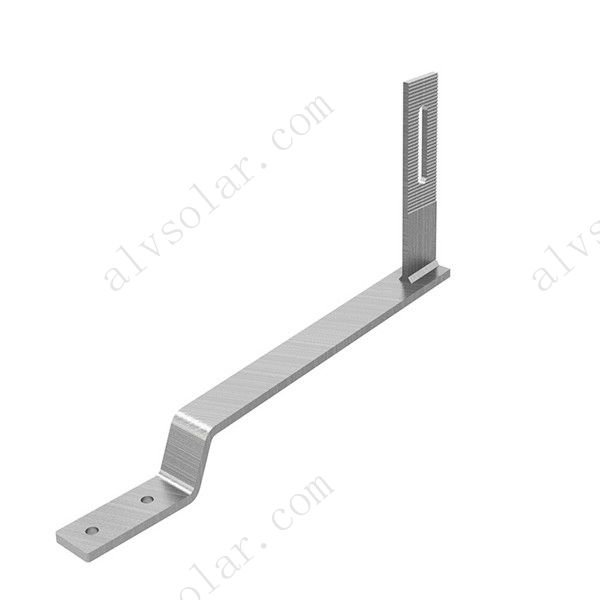
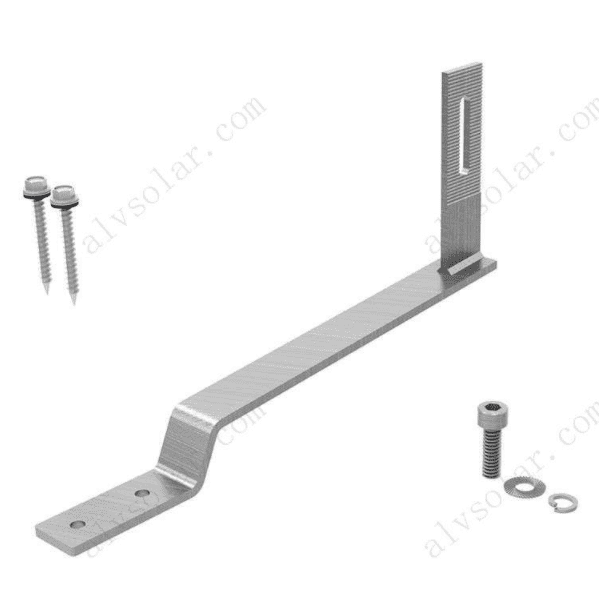
- Accessoires de toiture (pieds en L/solins) : Ces composants permettent d'ancrer les rails à la structure de votre toit et sont conçus pour empêcher les infiltrations d'eau autour des points de fixation.
- Matériel de mise à la terre : De nombreux kits modernes intègrent des dispositifs de mise à la terre qui éliminent le besoin de fils de terre séparés.
Un conseil de sécurité essentiel : Ne jamais mélanger des pièces en aluminium et en acier sans entretoises diélectriques.La corrosion galvanique peut compromettre l'intégrité structurelle de votre système en quelques années. .
Étude de cas : Gain de productivité grâce aux systèmes de montage modernes
Un installateur basé à Phoenix fournit un exemple concret et convaincant. Lorsque son équipe est passée à un système de montage moderne sans rails, elle n'a pas constaté de gain de temps immédiat. Cependant, dès le quatrième chantier, l'équipe était devenue si efficace que le temps d'installation est passé de six heures à moins de quatre. Cela leur a permis d'augmenter leur productivité. 18 à 26 systèmes par mois avec le même équipage — un gain de productivité pour le 44% .
Conclusion
Que vous optiez pour un système ferroviaire traditionnel ou un système innovant système de montage solaire sans railL'essentiel est de vérifier que le kit est certifié pour les charges de vent et de neige de votre région. Un kit de montage robuste garantit la sécurité et le fonctionnement optimal de votre installation solaire pendant des décennies.