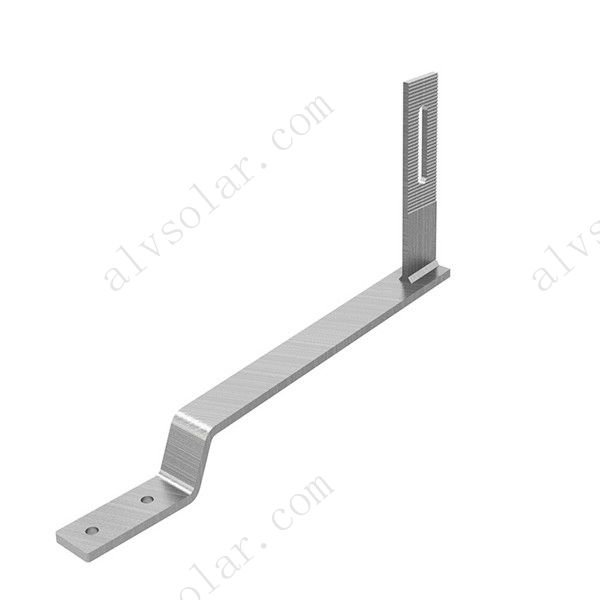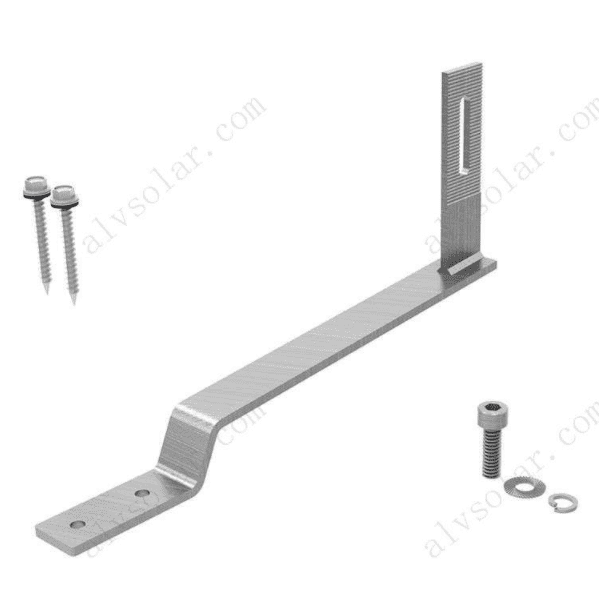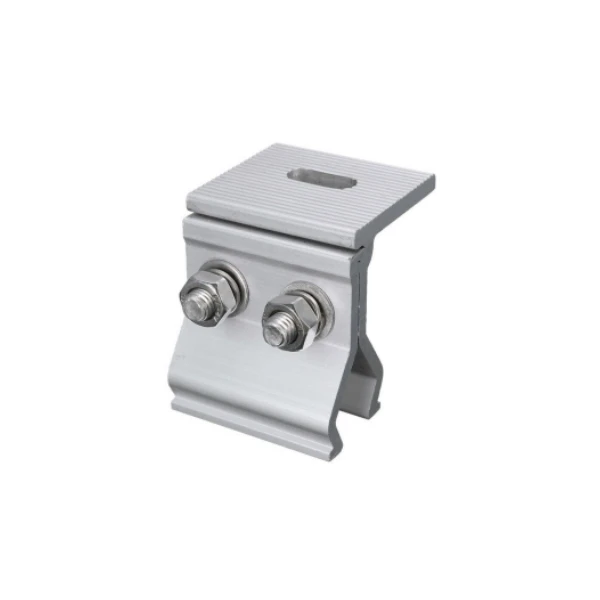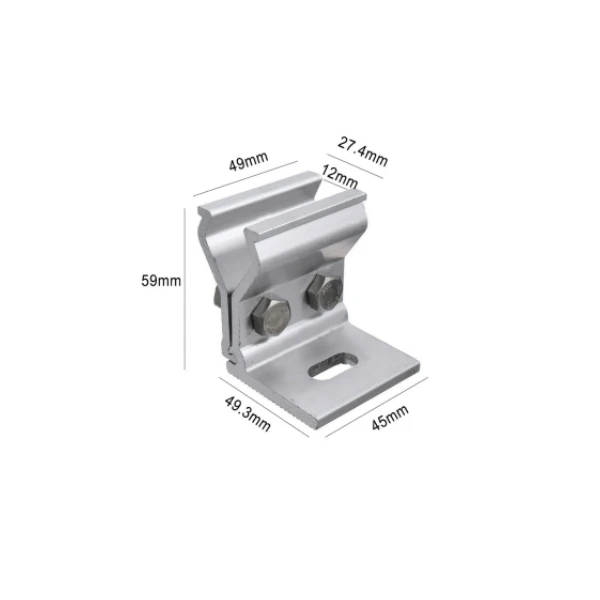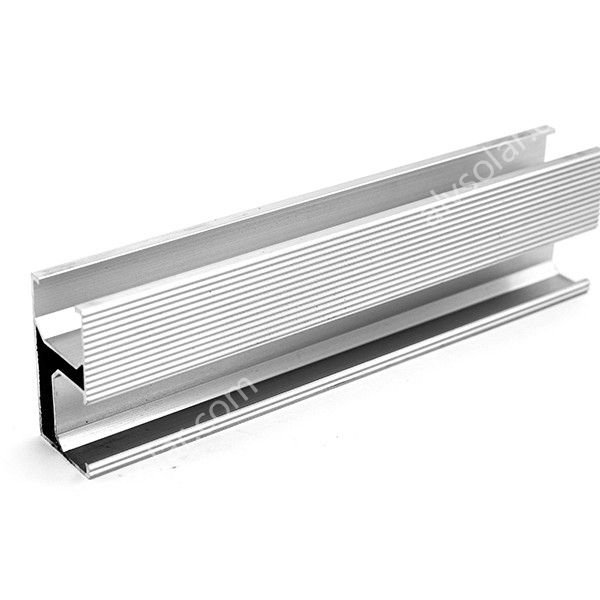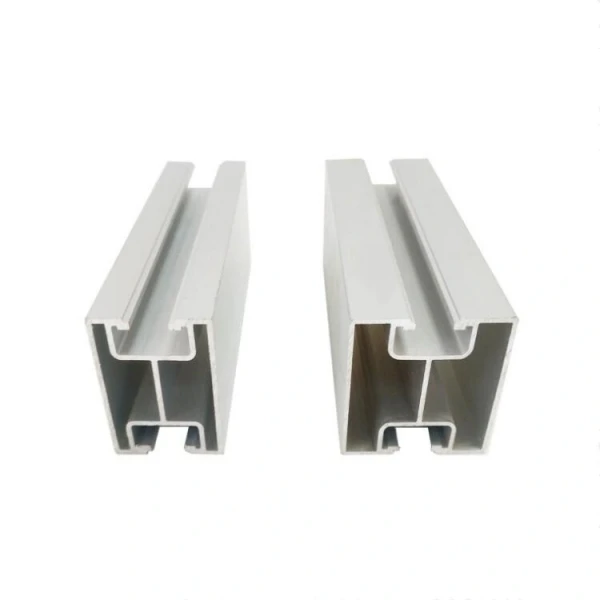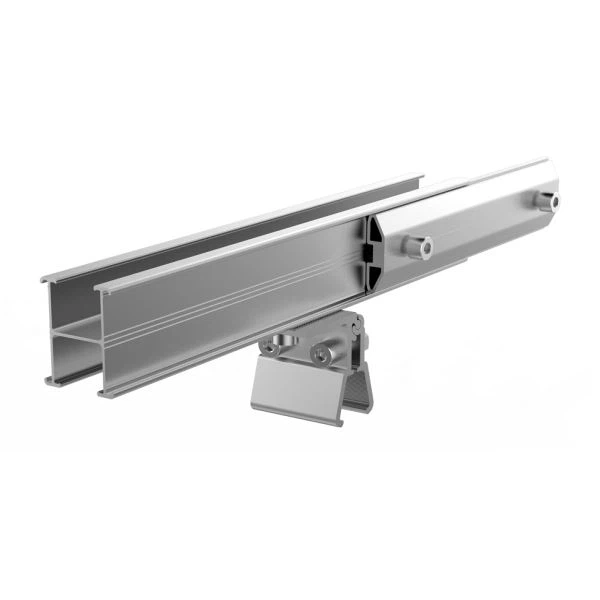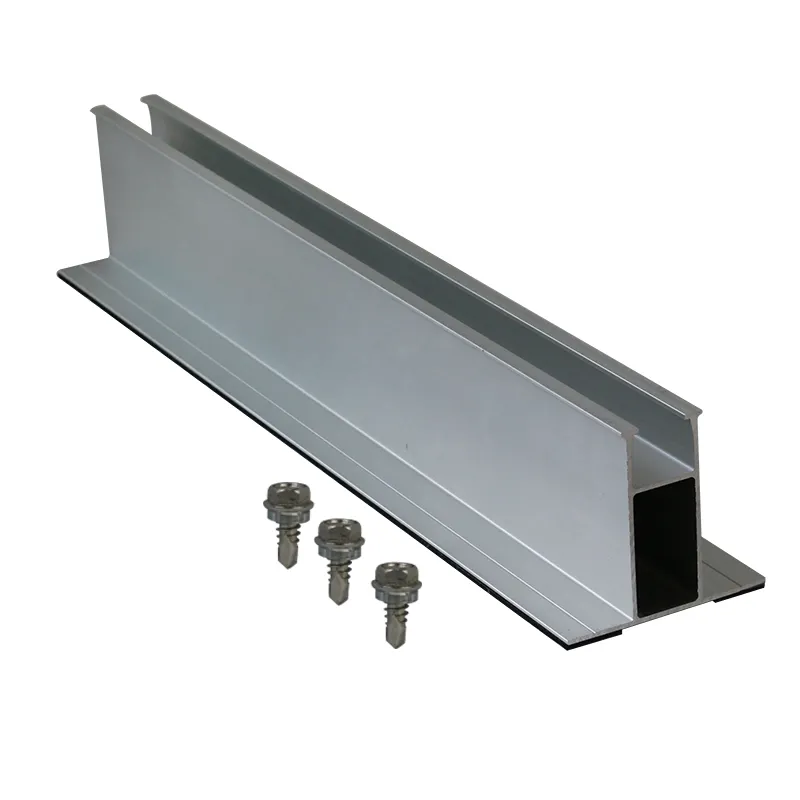


Analyse des coûts et guide d'achat des systèmes de montage solaire – Comment dépenser intelligemment

Introduction
Solar mounting accounts for about 5%–10% of the total cost of a PV system, but its quality and design directly affect the safety and lifespan of the entire installation. Many projects try to save money on mounts, only to find that later repair costs far exceed the amount saved. This article analyzes the cost structure of solar mounting systems and provides practical purchasing advice.
1. Detailed Cost Breakdown of Solar Mounts
1.1 Mount Cost as a Percentage of Total PV System Cost
Based on current market prices (USD/W):
| Item | Cost Range (USD/W) | Percentage |
|---|---|---|
| Solar modules | 0.22–0.33 | 40%–50% |
| Inverter | 0.05–0.10 | 10%–15% |
| Mounting system | 0.08–0.22 | 10%–15% |
| Cables & electrical | 0.03–0.05 | 5%–8% |
| Installation labor | 0.08–0.16 | 10%–15% |
| Design & permitting | 0.01–0.04 | 2%–5% |
| Other | 0.01–0.03 | 2%–3% |
Note: Ground‑mount costs are lower ($0.08–0.14/W), while small roof systems are higher ($0.14–0.22/W).
1.2 Mount Cost Sub‑Breakdown
For a typical 10kW roof system (total mount cost approx $1,000–1,600):
| Item | Percentage | Description |
|---|---|---|
| Main profiles | 50%–60% | Rails, posts, diagonal braces |
| Connectors | 15%–20% | Bases, clamps, splice plates |
| Fasteners | 5%–10% | Bolts, nuts, washers |
| Coating / treatment | 5%–8% | Galvanizing, painting |
| Packaging & shipping | 5%–10% | Wooden crates, pallets |
| Reasonable margin | 10%–15% | Manufacturer profit |
1.3 Cost Comparison of Different Materials
| Matériel | Price Reference (USD/kg) | Relative Cost for Same Strength |
|---|---|---|
| Aluminum (6063‑T5) | $2.5–3.3 | 1.5x |
| Hot‑dip galvanized steel (Q235B) | $0.8–1.2 | 1.0x (baseline) |
| Stainless steel (304) | $2.5–3.5 | 2.0–2.5x |
Note: Although aluminum has a higher unit price, its low density means that for the same weight, aluminum covers a larger area.
2. Mount Budget References by Application
2.1 Residential Roof (3–10kW)
| Item | Budget Range (USD/W) | Total for 10kW |
|---|---|---|
| Aluminum roof mount | $0.14–0.19 | $1,400–1,900 |
| Galvanized steel roof mount | $0.10–0.15 | $1,000–1,500 |
2.2 Commercial & Industrial Roof (50–500kW)
| Item | Budget Range (USD/W) | Total for 100kW |
|---|---|---|
| Flat roof ballasted mount | $0.10–0.14 | $10,000–14,000 |
| Metal roof clamp mount | $0.08–0.12 | $8,000–12,000 |
2.3 Ground‑Mount Solar Farm (1MW+)
| Item | Budget Range (USD/W) | Total for 1MW |
|---|---|---|
| Fixed‑tilt mount | $0.08–0.12 | $80,000–120,000 |
| Horizontal single‑axis tracker | $0.19–0.27 | $190,000–270,000 |
| Dual‑axis tracker | $0.41–0.68 | $410,000–680,000 |
3. Strategies to Save Money on Mount Purchases
3.1 Bulk Purchasing to Lower Unit Price
Manufacturers typically use tiered pricing:
| Purchase Volume | Price Reduction |
|---|---|
| <50kW | Base price |
| 50–200kW | 5%–10% off |
| 200kW–1MW | 10%–15% off |
| >1MW | 15%–25% off |
Tip: Combine multiple projects or coordinate with nearby projects for joint purchasing.
3.2 Optimize Design to Reduce Steel Usage
- Reasonable span length: typically 1.5–2m – longer spans require heavier profiles
- Optimize tilt angle: choose an economical tilt based on local latitude
- Use high‑strength steel (Q355B instead of Q235B): 10%–15% weight reduction for the same strength
3.3 Choose the Right Corrosion Protection Level
| Environment | Recommended Protection | Facteur de coût |
|---|---|---|
| Normal inland | Hot‑dip galvanized 65μm | 1.0 |
| Industrial area | Hot‑dip galvanized 85μm | 1.1 |
| Coastal (1–5km from shore) | Hot‑dip galvanized 85μm + topcoat | 1.3 |
| Coastal (<1km from shore) | Aluminum / 316L stainless | 1.5–2.0 |
Do not over‑specify in mild environments, but do not cut corners in highly corrosive areas.
4. Purchasing Pitfalls to Avoid
4.1 Beware of Low‑Price Traps
Common tricks:
- Using cold‑galvanized instead of hot‑dip galvanized (cold galvanizing rusts within 3 years)
- Insufficient galvanized coating thickness (<40μm)
- Thinner steel than specified (2.0mm spec but only 1.5mm actual)
- Aluminum with recycled scrap (strength below requirement)
Inspection methods:
- Coating thickness: spot check with a coating thickness gauge
- Profile wall thickness: measure with calipers
- Aluminum grade: request material test report
4.2 Request the Following Documents
When purchasing, always ask the supplier for:
- ✅ Material certificate (from the original steel/aluminum mill)
- ✅ Galvanized coating thickness test report
- ✅ Mechanical property test report (if required)
- ✅ Product warranty certificate (minimum 10 years)
4.3 Important Contract Terms
The purchase contract should clearly state:
| Clause | Content |
|---|---|
| Material specification | Steel grade, aluminum grade, coating thickness |
| Dimensional tolerance | In accordance with national or industry standards |
| Acceptance criteria | Buyer has right to inspect; non‑conforming goods rejected |
| période de garantie | Corrosion warranty ≥10 years, overall warranty ≥5 years |
| Penalties | Compensation for late delivery or quality issues |
5. Supplier Selection Advice
5.1 Supplier Type Comparison
| Type | Avantages | Inconvénients | Suitable For |
|---|---|---|---|
| Large brand | Stable quality, reliable warranty | High price, high minimum order | Large projects |
| Regional distributor | Fast delivery, good service | Moderate price | Small & medium projects |
| Local fabricator | Low price, flexible | Unstable quality | Small projects, urgent restock |
| Export‑oriented factory | Low price, wide range | Slow communication, poor after‑sales | Export projects |
5.2 Supplier Evaluation Checklist
- Production capability – Does it have extrusion/forming lines?
- Testing capability – Does it have coating thickness gauge, tensile tester?
- Certifications – ISO9001, ISO14001
- References – Similar project experience
- After‑sales service – Response time during warranty period
6. Summary
The core principle of solar mount purchasing is: achieve the best cost‑performance while ensuring quality and service life.
- Homeowners – Choose aluminum or high‑quality galvanized steel mounts. Spending a little more buys 20 years of peace of mind.
- Commercial & industrial owners – Work with regional distributors or local fabricators; buy in volume to reduce cost.
- Solar farm investors – Form strategic partnerships with reputable large manufacturers and reduce steel usage through design optimization.
Remember: every dollar saved on mounting may turn into several dollars of repair costs in the future. Spending wisely on the right mounting system is the real way to save money.