

Sistema de montagem solar para telhados planos – Um guia completo

Introdução
Telhados planos estão se tornando cada vez mais populares para instalações solares, principalmente em edifícios comerciais, industriais e residenciais modernos.Ao contrário dos telhados inclinados, os telhados planos exigem sistemas de montagem especializados que criam o ângulo de inclinação necessário para uma exposição solar ideal.Este artigo fornece um guia completo sobre sistemas de montagem solar em telhados planos, abordando tipos, benefícios, considerações de instalação e perguntas frequentes.
O que é um sistema de montagem solar para telhado plano?
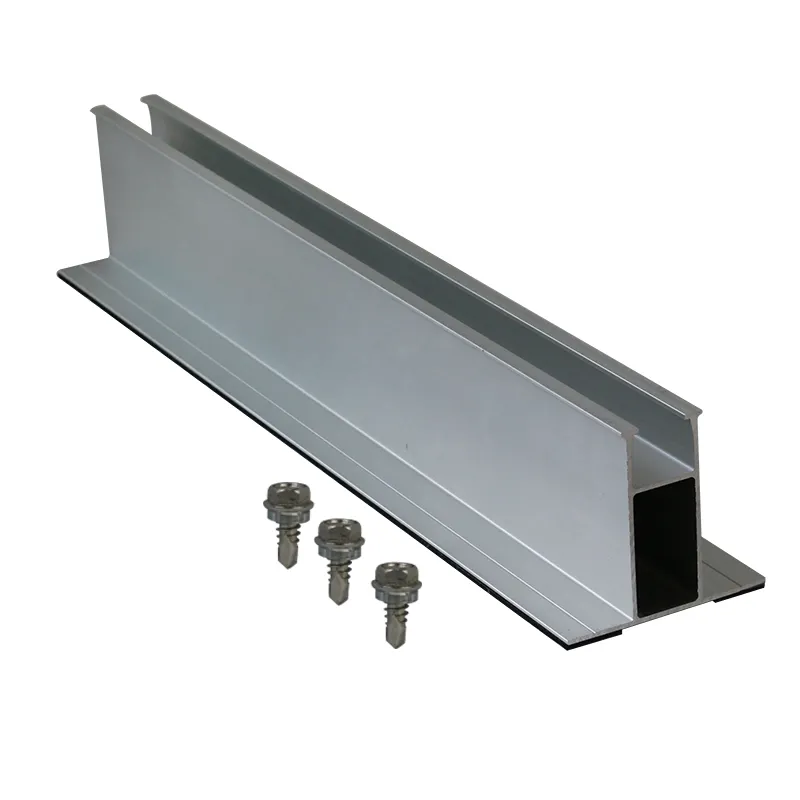
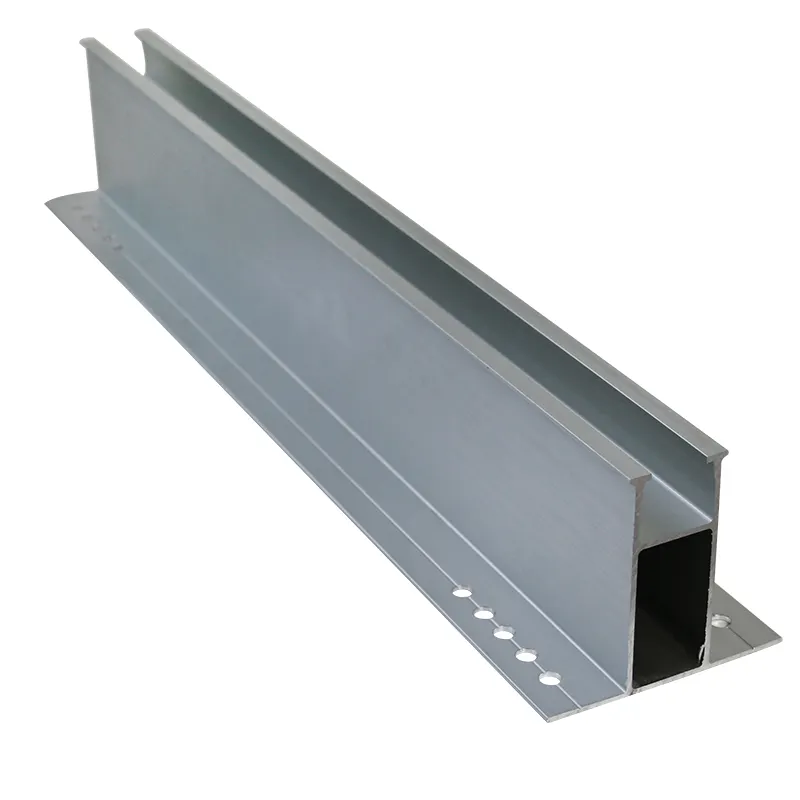
Um sistema de montagem solar para telhados planos é uma estrutura projetada para fixar painéis solares em telhados com pouca ou nenhuma inclinação.Como um telhado plano é nivelado como o solo, o sistema de montagem deve elevar os painéis e incliná-los em direção ao sol para maximizar a captação de energia. Telhados planos oferecem a vantagem de fácil instalação e manutenção, e você pode ajustar livremente a direção dos painéis para capturar o máximo de luz solar..
Principais tipos de sistemas de montagem para telhados planos
1. Sistemas de montagem com lastro
Os sistemas lastreados são a opção mais comum para telhados planos. Em vez de perfurar a membrana do telhado, eles utilizam o peso — geralmente blocos de concreto — para fixar os painéis e resistir à ação do vento..
Principais benefícios:
- Não é necessário perfurar o telhado.
- Protege a impermeabilização do telhado e evita vazamentos.
- Instalação mais rápida e licenciamento simplificado.
- Ideal para telhados planos de TPO, EPDM e multicamadas.
Os painéis são normalmente instalados em um Inclinação de 10° a 15° maximizar a captação de energia durante todo o ano, minimizando a carga eólica.A maioria dos telhados planos comerciais precisa de 5 a 10 psf de lastro em zonas interiores e 10 a 20 psf nas bordas e cantos.
2. Sistemas de Fixação Mecânica
Esses sistemas utilizam aberturas no telhado para fixar a estrutura de montagem diretamente à laje estrutural do edifício.Embora ofereçam máxima segurança, exigem impermeabilização cuidadosa em cada ponto de penetração..
3. Sistemas Híbridos
As soluções híbridas combinam penetrações limitadas com lastro em zonas críticas, reduzindo os pontos de ancoragem em até 60%, ao mesmo tempo que atendem aos padrões de resistência ao vento.
Principais vantagens dos sistemas solares para telhados planos
Flexibilidade de design – Os telhados planos permitem posicionar os painéis no ângulo ideal para máxima exposição solar, melhorando significativamente a eficiência do sistema..
Não é necessário andaime – As equipes de instalação podem trabalhar com segurança e se movimentar livremente na superfície do telhado, reduzindo os custos de mão de obra..
Maior densidade de painéis – Com ângulos de inclinação menores, os painéis podem ser instalados mais próximos uns dos outros, aumentando a capacidade instalada total..
Impacto visual mínimo – Os painéis geralmente não são visíveis do nível da rua..
Considerações importantes sobre a instalação
1. Capacidade de Carga do Telhado
Antes da instalação, a integridade estrutural e a capacidade de carga do telhado devem ser verificadas por um engenheiro..
2. Impermeabilização
A camada impermeabilizante é o componente mais caro de ser danificado. Em um telhado plano, a água se acumula em vez de escoar, portanto, uma única infiltração pode saturar o isolamento e corroer a estrutura.
3. Elevação pelo vento
Telhados planos são particularmente vulneráveis à ação do vento. Os sistemas de lastro devem ser cuidadosamente projetados com a distribuição de peso adequada..
4. Drenagem
Os painéis e sistemas de montagem nunca devem impedir o fluxo de água, pois isso pode causar danos ao telhado com o tempo..
Conclusão
Os sistemas de montagem solar para telhados planos oferecem uma solução confiável e não invasiva para instalações solares em edifícios comerciais e residenciais. Seja qual for a sua escolha — sistema com lastro, sistema de fixação mecânica ou sistema híbrido —, o projeto adequado e a instalação profissional são essenciais para o desempenho a longo prazo e a proteção do telhado.
Perguntas frequentes – Sistemas de montagem de painéis solares para telhados planos
P1: As instalações solares em telhados planos exigem perfurações no telhado?
A: Não necessariamente. Os sistemas de montagem com lastro utilizam blocos de concreto como peso e não exigem perfurações no telhado, sendo a opção preferida para telhados planos..
Q2: Qual é o ângulo de inclinação ideal para painéis solares em telhados planos?
A: Os painéis em telhados planos são normalmente instalados em Inclinação de 10° a 15° para equilibrar a captura de energia e a resistência à carga eólica.
Q3: Qual o peso de lastro necessário para um sistema de telhado plano?
A: A maioria dos telhados planos comerciais precisa 5 a 10 libras por pé quadrado em zonas interiores e 10 a 20 libras por pé quadrado Nas bordas e cantos, dependendo das condições do vento.
Q4: Posso instalar painéis solares em um telhado plano antigo?
A: Sim, mas o telhado deve ser inspecionado primeiro. Telhados mais antigos podem apresentar rachaduras ou membranas impermeabilizantes degradadas que precisam de reparo antes da instalação..
Q5: Qual é a vantagem de custo das instalações de telhados planos?
A: As instalações em telhados planos costumam ser mais econômicas do que as em telhados inclinados devido ao acesso mais fácil, à dispensa de andaimes e à mão de obra mais rápida.