

Como escolher o sistema de montagem solar certo para o seu projeto em 2026

Última atualização: August 3rd,2026
Autor: Devi Huang | Equipe de Vendas Internacionais, ALV
Devi Huang faz parte da equipe de vendas internacionais da ALV, fabricante de sistemas de montagem solar e perfis de alumínio. Ela trabalha com empreiteiras EPC, distribuidores e desenvolvedores de projetos em todo o mundo, ajudando os clientes a escolher as soluções de montagem mais adequadas com base nos requisitos do projeto, nas normas locais e no orçamento.
Como escolher o sistema de montagem solar certo para o seu projeto em 2026
Choosing the right solar mounting system depends on your project type, roof structure, environmental conditions, and local engineering standards—not simply on price. A properly designed mounting system improves structural safety, reduces installation time, and helps ensure your solar power plant operates reliably for more than 25 years.
As the global solar industry continues to expand, selecting the right mounting solution has become increasingly important. According to the Agência Internacional de Energia (IEA), global renewable energy capacity additions reached a record 800 GW em 2025, with solar PV accounting for more than three-quarters of all new renewable capacity additions. The IEA also forecasts that solar PV will contribute nearly 80% of global renewable capacity growth through 2030. These trends make long-lasting, reliable mounting systems more important than ever for project success.
Whether you are planning a residential rooftop installation, a commercial solar project, or a utility-scale solar farm, understanding the key selection criteria will help you reduce lifecycle costs and maximize system performance.
Why Is Choosing the Right Solar Mounting System Important?
Solar modules typically carry performance warranties of 25–30 years, meaning the mounting structure is expected to perform for the same period. An improperly designed mounting system may lead to corrosion, excessive structural movement, installation delays, or higher maintenance costs.
A high-quality mounting system should provide:
- Reliable structural support
- Long-term corrosion resistance
- Fast and efficient installation
- Compatibility with different PV modules
- Compliance with local building codes
Rather than treating mounting systems as simple accessories, project owners should view them as critical structural components that directly influence the safety and longevity of the entire PV system.
Six Factors to Consider When Choosing a Solar Mounting System
1. Project Type
The first step is identifying the type of solar project.
| Project Type | Recommended Mounting Solution |
| Residential Rooftop | Roof mounting system |
| Commercial Rooftop | Aluminum rooftop system |
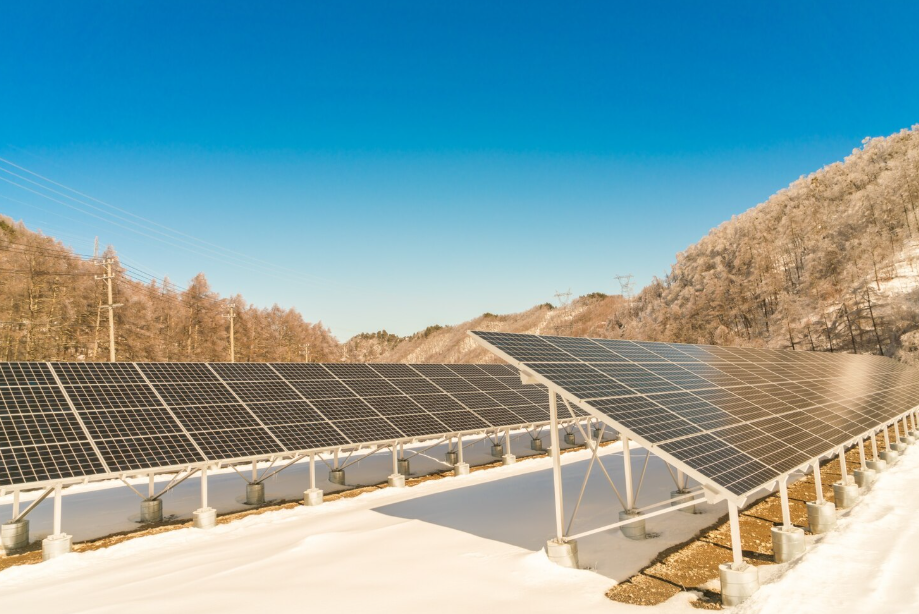
| Utility-scale Solar Farm | Steel ground mounting system |
| Solar Carport | Customized steel or aluminum structure |
| Agrivoltaics | Elevated ground mounting system |
Each application has different structural requirements, making project type the foundation of every mounting system design.
2. Roof Type or Ground Conditions
The installation surface determines both the mounting accessories and installation method.
| Installation Surface | Common Mounting Solution |
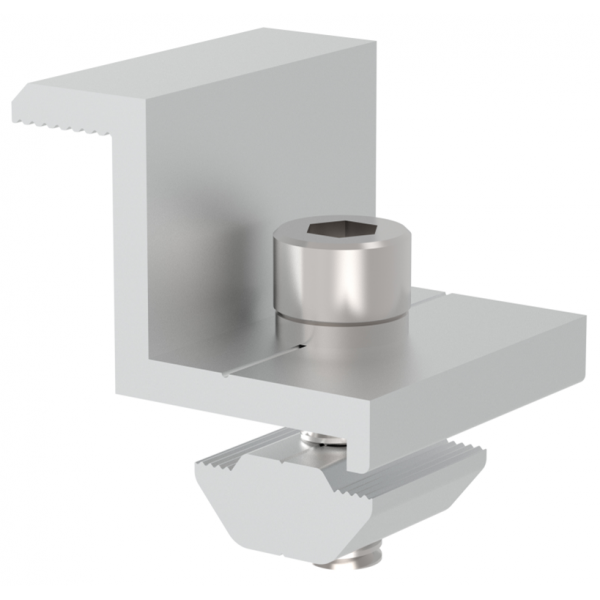
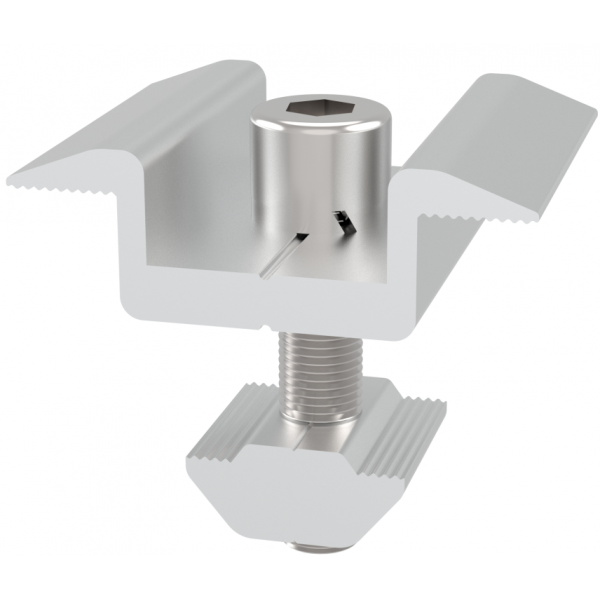
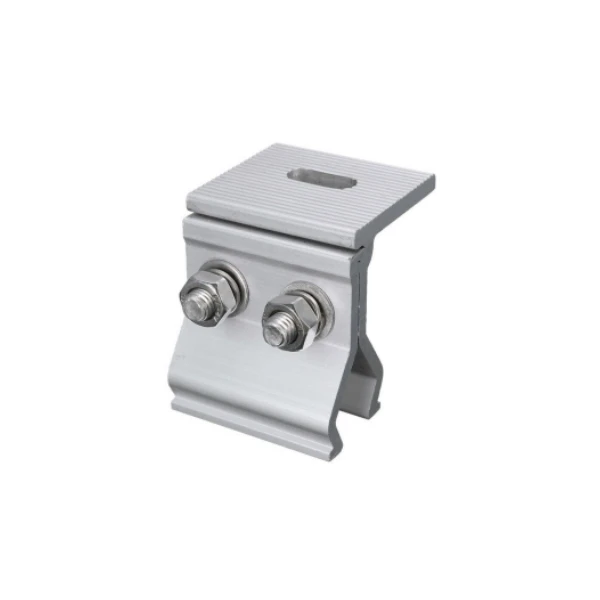
| Metal Roof | Rail system with roof clamps |
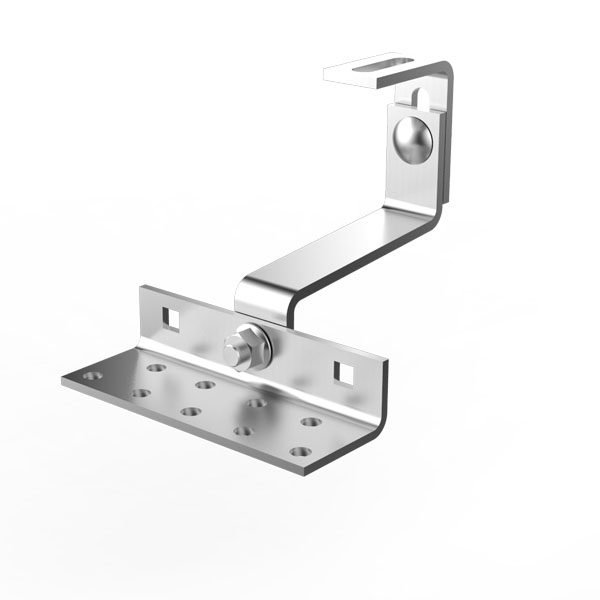
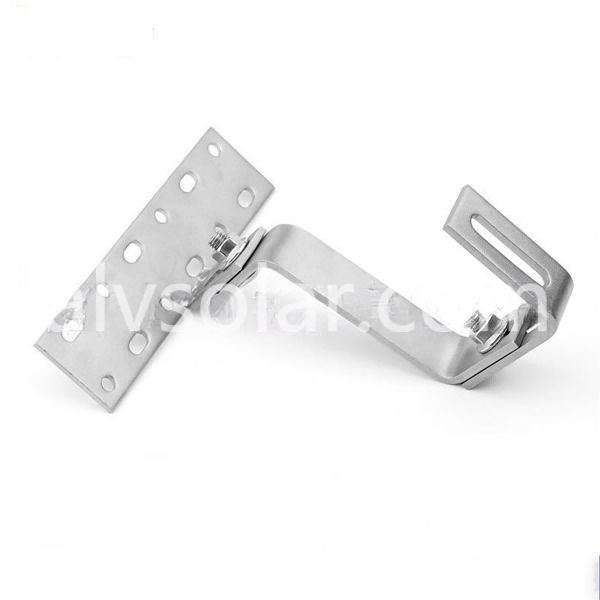
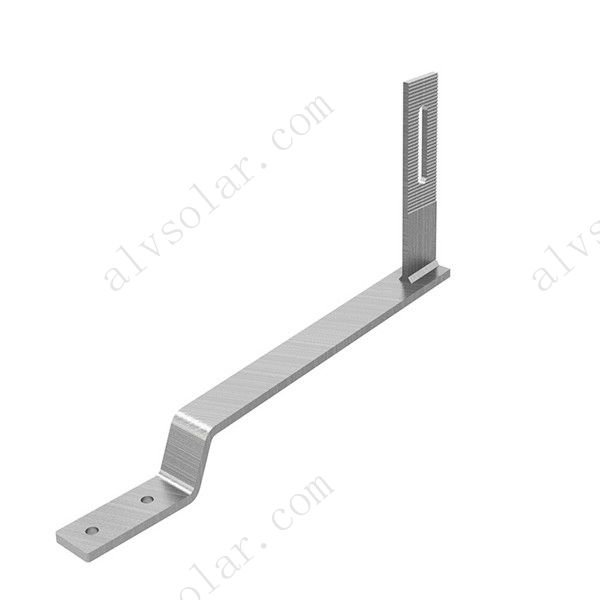
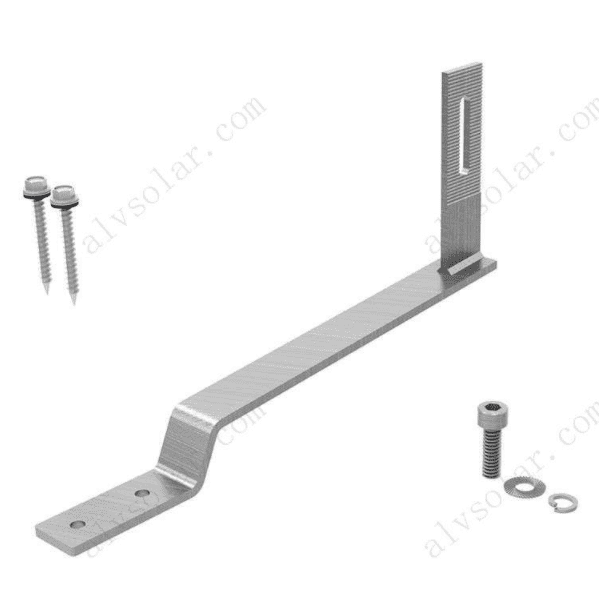
| Tile Roof | Roof hooks and aluminum rails |
| Flat Concrete Roof | Ballasted or anchored system |
| Open Ground | Pile-driven or concrete foundation |
Choosing a mounting system that matches the installation surface reduces installation complexity while improving long-term reliability.
3. Wind and Snow Loads
Environmental conditions have a significant impact on structural design.
Projects located in coastal regions, mountainous areas, or heavy snow zones require stronger mounting structures and additional reinforcement.
Professional manufacturers design mounting systems according to internationally recognized engineering standards, including:
- ASCE 7 — Wind, snow, and seismic load requirements (United States)
- EN 1991 (Eurocódigo 1) — Structural loading standards in Europe
- IBC (International Building Code) where applicable
Ignoring local environmental loads may increase the risk of structural failure during extreme weather conditions.
4. Mounting Material
The two most common materials are aluminum and hot-dip galvanized steel.
| Feature | Alumínio | Aço galvanizado a quente |
| Peso | Light | Pesado |
| Resistência à corrosão | Excelente | Muito bom |
| Resistência estrutural | Alto | Muito alto |
| Installation Speed | Faster | Moderate |
| Best Application | Rooftops | Ground-mounted projects |
Aluminum is generally preferred for rooftop projects because of its lightweight design and natural corrosion resistance.
Steel remains the preferred option for utility-scale solar farms where maximum structural strength and lower material costs are the primary priorities.
5. Corrosion Environment
Not every project requires the same level of corrosion protection.
For installations located near coastlines or in chemical industrial zones, corrosion-resistant materials become essential.
Manufacturers typically provide:
- Hot-dip galvanized steel
- Zinc-aluminum-magnesium steel
- Anodized aluminum
Many products are tested according to ISO 9227 Salt Spray Testing, helping verify long-term corrosion resistance under aggressive environmental conditions.
6. Engineering Support
Many buyers focus only on product price, but engineering services often determine whether a project is installed successfully.
Professional suppliers should provide:
- Structural calculations
- Layout optimization
- Foundation recommendations
- Installation drawings
- Bill of Materials (BOM)
- Technical support
These engineering services can reduce installation errors while improving project efficiency.
Why Engineering Matters More Than Price
The lowest quotation is not always the most economical choice.
A poorly designed mounting system may require additional materials during installation, increasing labor costs and delaying project completion.
No ALV, every project begins with an engineering evaluation rather than a standard price list. Our engineers analyze wind and snow loads, roof structure, project location, and module specifications before recommending the most suitable mounting solution.
This engineering-first approach helps customers improve installation efficiency while reducing long-term maintenance costs and structural risks.
Common Mistakes When Choosing a Solar Mounting System
Even experienced buyers sometimes focus on price alone when comparing suppliers. However, the lowest quotation does not always deliver the lowest lifecycle cost. Avoid these common mistakes when selecting a solar mounting system.
1. Choosing Based Only on Price
A lower-priced mounting system may use thinner materials, lower-quality fasteners, or simplified structural designs. While the upfront investment may be lower, poor-quality components can increase maintenance costs and shorten the service life of the entire PV system.
Instead of comparing prices alone, evaluate the total value of the solution, including engineering support, material quality, warranty, and installation efficiency.
2. Ignoring Local Environmental Conditions
Wind speed, snow load, corrosion level, and seismic requirements vary significantly from one location to another.
For example:
- Coastal projects require higher corrosion resistance.
- High-altitude regions require stronger snow-load capacity.
- Hurricane-prone areas require reinforced structural designs.
Selecting a standard mounting system without considering local conditions may result in unnecessary project risks.
3. Overlooking Engineering Services
Engineering is often as important as the product itself.
Professional suppliers should provide structural calculations, layout optimization, installation drawings, and technical recommendations that comply with local regulations.
These services help reduce installation errors and improve construction efficiency.
How to Evaluate a Solar Mounting System Supplier
When comparing suppliers, consider more than manufacturing capability.
The following checklist can help buyers make a more informed decision.
| Evaluation Item | Por que isso importa |
| Engineering Capability | Ensures structural safety and optimized designs |
| Material Quality | Improves durability and reliability |
| Manufacturing Experience | Reduces production risks |
| Quality Control | Ensures consistent product performance |
| International Standards | Supports global project compliance |
| Delivery Capacity | Helps avoid project delays |
| Technical Support | Solves installation issues quickly |
| Garantia | Protects long-term investment |
A reliable supplier should be able to provide both high-quality products and comprehensive engineering support throughout the project lifecycle.
Why More EPC Contractors Choose ALV
Choosing the right supplier is just as important as choosing the right mounting system.
No ALV, we work closely with EPC contractors, distributors, and project developers worldwide to deliver customized solar mounting solutions for residential, commercial, and utility-scale projects.
Nossos serviços incluem:
- Customized mounting system design
- Structural calculations
- Análise de cargas de vento e neve
- Layout optimization
- Product selection recommendations
- Installation guidance
- Technical support throughout the project
Instead of offering one-size-fits-all products, ALV develops solutions tailored to each project’s structural requirements and environmental conditions.
Perguntas frequentes (FAQ)
1. What is the most important factor when choosing a solar mounting system?
The most important factor is matching the mounting system to your project conditions, including roof type, installation location, environmental loads, and local building standards.
2. Is aluminum always better than steel?
No. Aluminum is generally preferred for rooftop installations because it is lightweight and corrosion-resistant, while steel is usually the better choice for utility-scale ground-mounted projects that require higher structural strength.
3. How long should a solar mounting system last?
A high-quality solar mounting system should have a design life of 25 a 30 anos ou mais, matching the expected lifespan of modern photovoltaic modules.
4. Which engineering standards should a mounting system comply with?
Depending on the project location, manufacturers commonly design mounting systems according to:
- ASCE7
- EN 1991 (Eurocódigo 1)
- ISO 9227
- Applicable local building regulations
5. Does a higher price always mean better quality?
Não necessariamente.
Higher prices may reflect better materials, additional engineering services, or stronger quality control. Buyers should compare the overall value rather than focusing only on the purchase price.
6. What information should I prepare before requesting a quotation?
Para receber um orçamento preciso, prepare as seguintes informações:
- Localização do projeto
- Tipo de telhado ou condições do solo
- Dimensões do painel solar
- Ângulo de instalação
- Requisitos de carga de vento e neve
- Capacidade total do projeto
- Normas de projeto locais aplicáveis
7. Can one mounting system fit every project?
No.
Different projects require different structural designs, materials, and installation methods. A customized solution is usually the best choice for maximizing safety and cost efficiency.
8. Does ALV provide customized mounting solutions?
Sim.
ALV provides customized solar mounting systems based on project requirements, local environmental conditions, and international engineering standards. Our engineering team supports customers from design through installation.
Conclusão
There is no universal solar mounting system that suits every project. The right choice depends on multiple factors, including project type, installation environment, structural requirements, and long-term operating costs.
Rather than selecting a mounting system based only on price, buyers should evaluate the complete solution—including engineering support, material quality, compliance with international standards, and supplier experience. A well-designed mounting system can improve installation efficiency, reduce maintenance costs, and enhance the long-term reliability of the entire PV system.
As the global solar industry continues to expand, investing in a reliable mounting solution is an investment in the long-term success of your project.
Talk to ALV’s Engineering Team
Every solar project is different.
Instead of choosing a mounting system based only on price, let our engineers evaluate your project requirements and recommend the most suitable solution.
We provide:
- Free technical consultation
- Customized mounting design
- Structural calculations
- Fast quotations
- Global project support
Contato ALV hoje to discuss your next solar project.