

What Is a Solar Mounting System? A Complete Guide for Homeowners, EPCs, and Solar Developers

Última atualização: July 29th, 2026
Autor: Devi Huang | Equipe de Vendas Internacionais, ALV
Devi Huang faz parte da equipe de vendas internacionais da ALV, fabricante de sistemas de montagem solar e perfis de alumínio. Ela trabalha com empreiteiras EPC, distribuidores e desenvolvedores de projetos em todo o mundo, ajudando os clientes a escolher as soluções de montagem mais adequadas com base nos requisitos do projeto, nas normas locais e no orçamento.
Quick Answer
UM solar mounting system is the structural framework that securely supports solar panels on rooftops, the ground, carports, or other structures. It keeps photovoltaic (PV) modules at the correct angle, transfers wind and snow loads safely to the building or foundation, and ensures long-term system stability. A high-quality mounting system is designed to last 25–40 years, matching or even exceeding the lifespan of modern solar panels.
Table of Contents
What Is a Solar Mounting System?
How Does a Solar Mounting System Work?
Why Is a Solar Mounting System Important?
Main Components of a Solar Mounting System
Types of Solar Mounting Systems
Common Materials Used
How to Choose the Right Mounting System
Engineering Insight from ALV
International Standards
Why Choose ALV?
Perguntas frequentes
Key Takeaways
A solar mounting system securely supports and protects PV modules.
Most mounting systems are designed to last 25–40 years.
Aluminum and galvanized steel are the two most common materials.
Proper structural design is just as important as panel efficiency.
International standards such as ASCE 7, EN 1991, e ISO 9227 help ensure safety and durability.
Choosing the right mounting system improves installation efficiency, reduces maintenance, and maximizes long-term return on investment.
What Is a Solar Mounting System?
A solar mounting system, also known as a PV mounting system ou solar racking system, is the structural support that holds photovoltaic panels securely in place. It connects the solar modules to a roof, ground foundation, carport, or other supporting structure while maintaining the correct tilt angle and orientation for maximum energy production.
Although solar panels generate electricity, the mounting system provides the structural stability that allows the entire PV system to operate safely for decades.
According to the U.S. Department of Energy (DOE), most modern photovoltaic systems are designed to operate for 25–35 years. Therefore, the mounting system should provide equal or greater durability to protect the long-term investment.
How Does a Solar Mounting System Work?
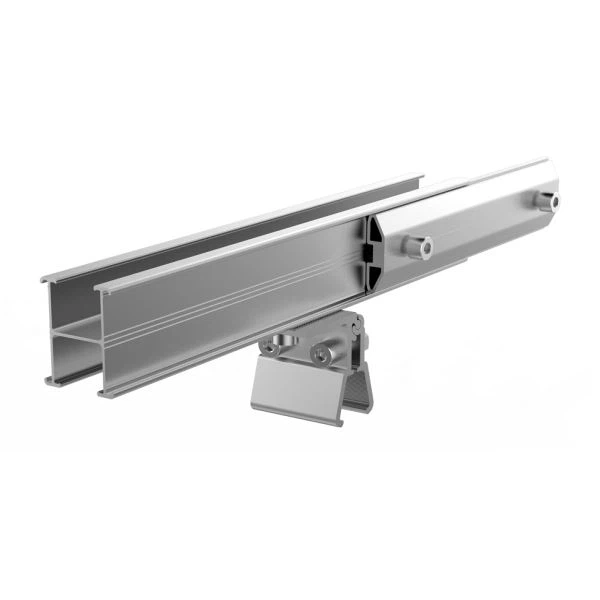
- Brackets are fixed to the roof or foundation.
- Rails are installed.
- Solar panels are secured with clamps.
- The structure transfers wind and snow loads safely to the building.
Why Is a Solar Mounting System Important?
A solar mounting system does much more than simply hold solar panels.
Its primary functions include:
- Supporting the weight of PV modules.
- Resisting wind, snow, and seismic loads.
- Maintaining the optimal tilt angle for energy production.
- Protecting roof waterproofing and structural integrity.
- Improving installation efficiency and long-term reliability.
Without a properly engineered mounting structure, even the highest-efficiency solar panels cannot perform safely or reliably.
Main Components of a Solar Mounting System
| Component | Function |
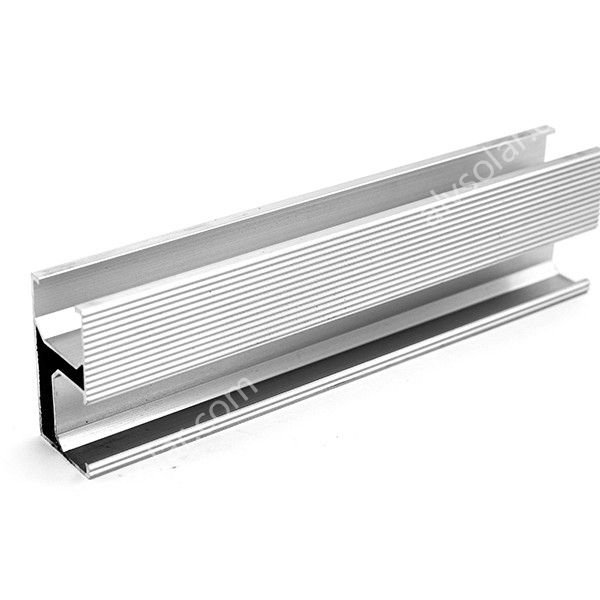
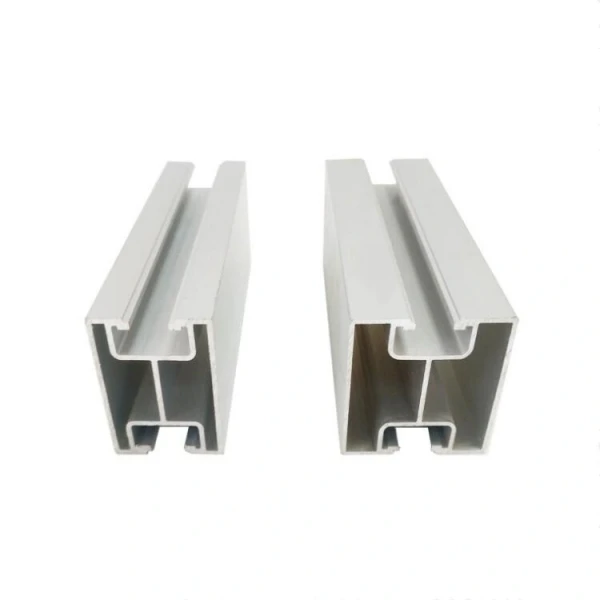
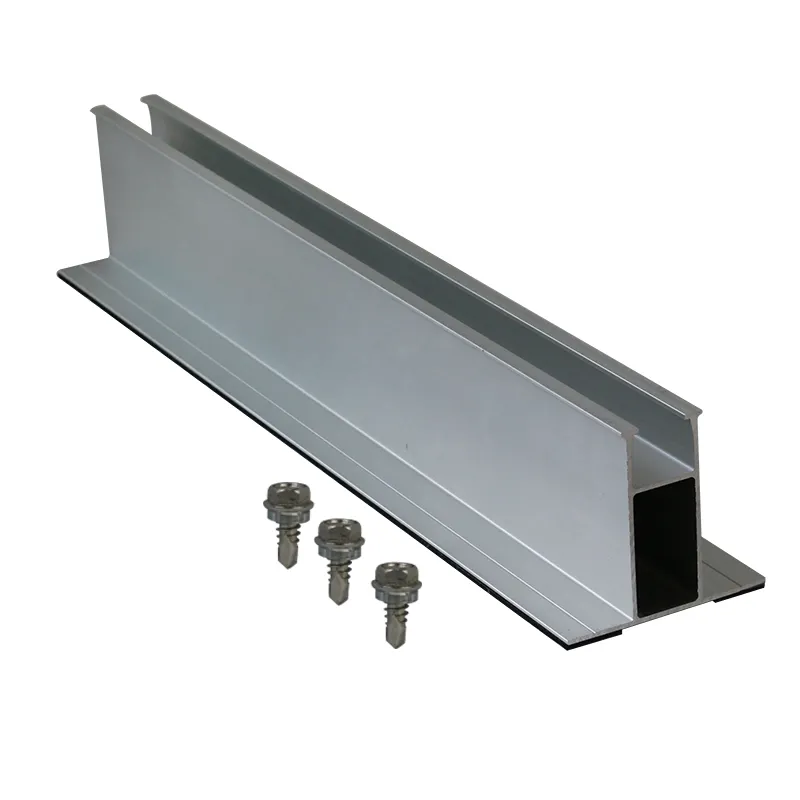
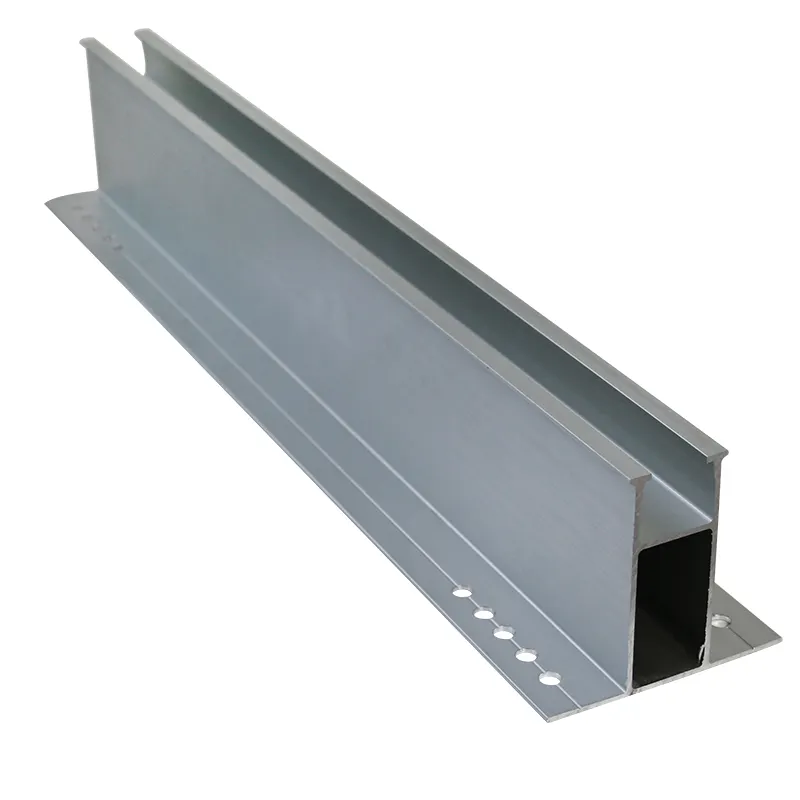
| Trilhos | Support and align solar panels |
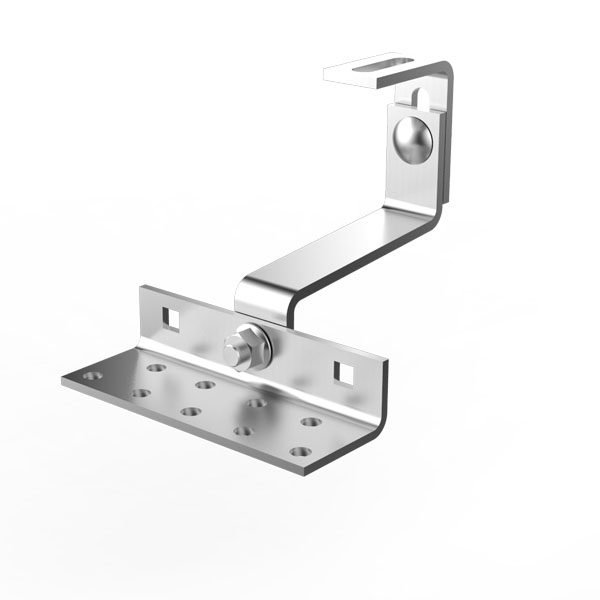
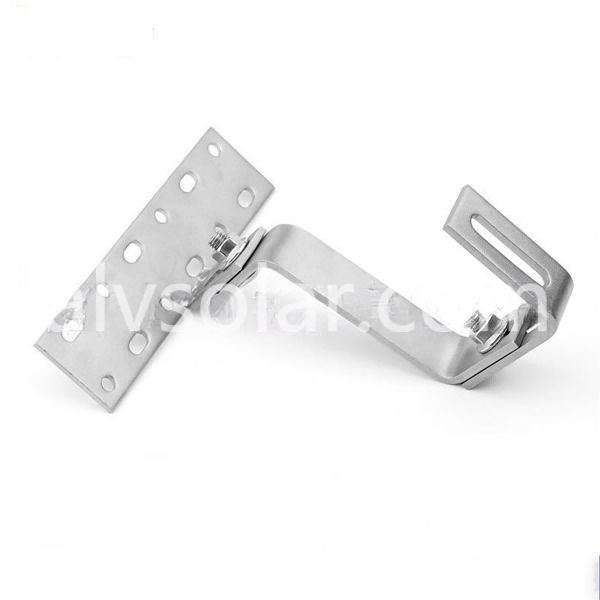
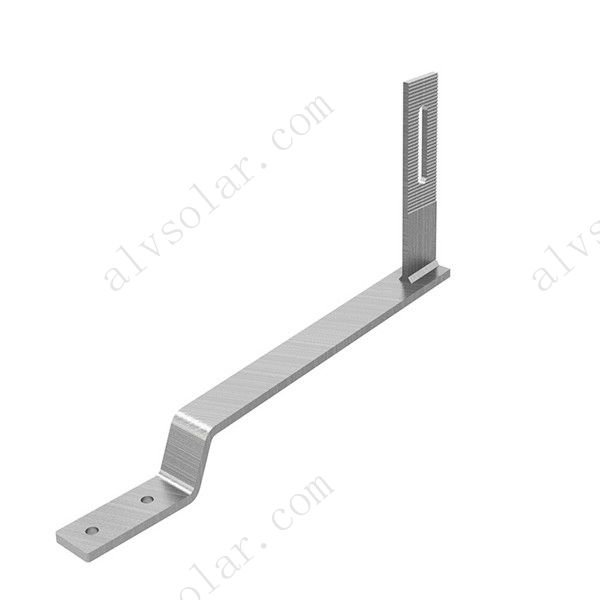
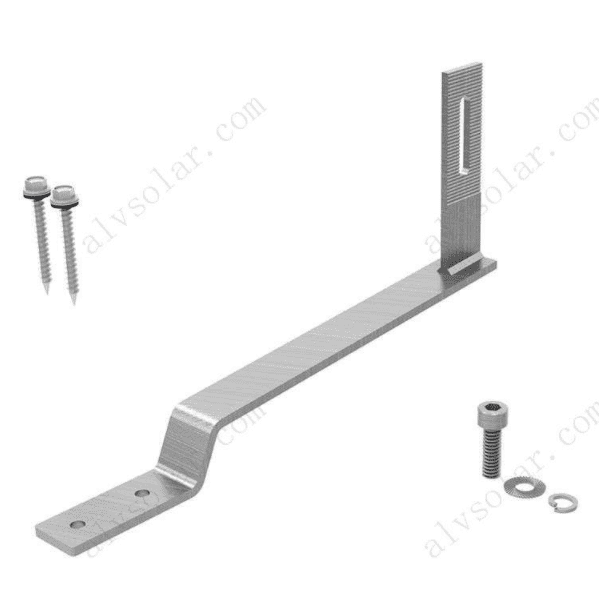
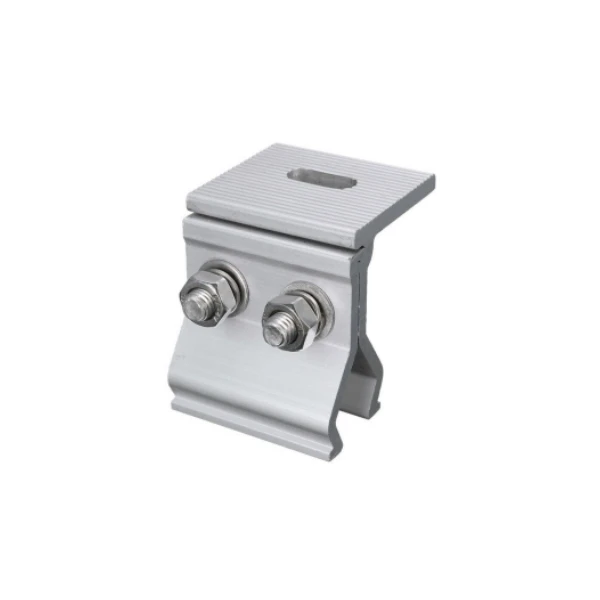
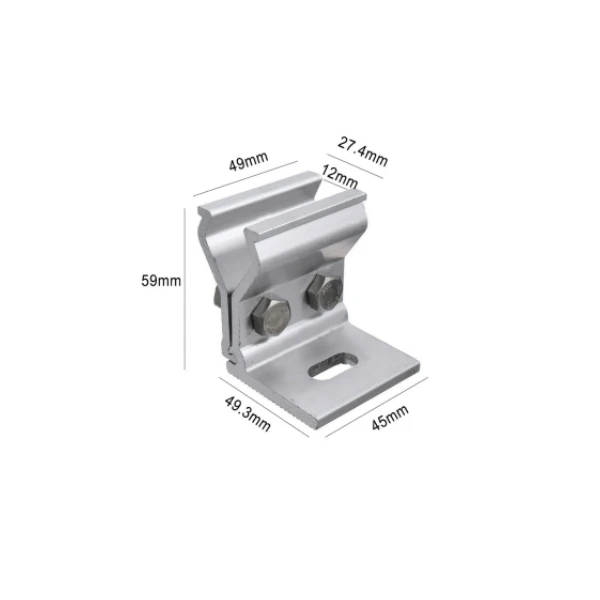
| Roof Hooks / Brackets | Connect the mounting system to the roof structure |
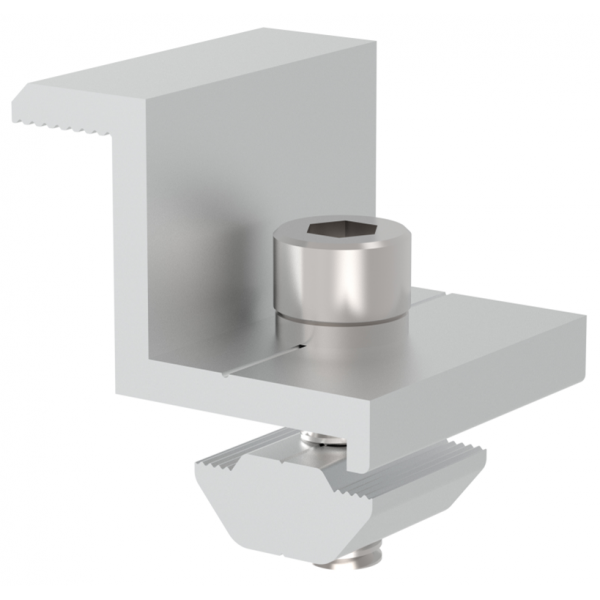
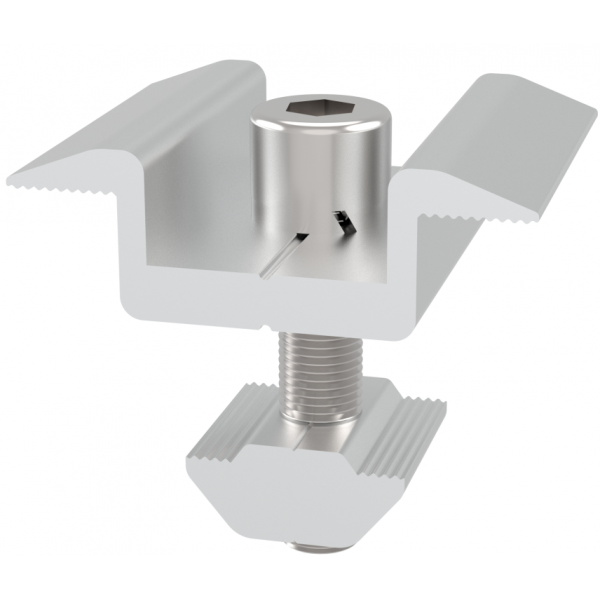
| Clamps | Secure solar modules to the rails |
| Fasteners | Connect structural components |
| Grounding Components | Improve electrical safety |
| Foundations (Ground Mounts) | Transfer loads safely into the ground |
Each component must work together to create a durable, stable, and easy-to-install solar support structure.
Types of Solar Mounting Systems
Different projects require different mounting solutions.
| Mounting Type | Typical Application | Advantages |
| Roof Mount | Residential & Commercial Buildings | Lower installation cost, space-saving |
| Ground Mount | Utility-scale Solar Farms | Easy maintenance and flexible orientation |
| Solar Carport | Parking Areas | Generates electricity while providing shade |
| Agricultural (Agri-PV) | Farmland | Dual land use for farming and power generation |
| Floating Solar | Reservoirs & Lakes | Reduces water evaporation and saves land |
At ALV, customized mounting solutions are available for all of these applications, ensuring each project meets local environmental and structural requirements.
Common Materials Used in Solar Mounting Systems
The choice of material directly affects durability, installation efficiency, and maintenance requirements.
| Material | Advantages | Typical Lifespan | Best Applications |
| Aluminum Alloy (6063-T5/T6) | Lightweight, corrosion-resistant | 30–40+ years | Rooftops & Coastal Areas |
| Aço galvanizado a quente | High strength, cost-effective | 25–35 years | Ground-mounted Projects |
| Stainless Steel (304/316) | Excellent corrosion resistance | 30–50 years | Fasteners & Coastal Environments |
High-quality aluminum offers an excellent strength-to-weight ratio, while galvanized steel provides outstanding structural strength for large-scale installations.
How to Choose the Right Solar Mounting System
The best mounting system depends on the project’s structural requirements rather than a single product type.
| Project Condition | Recommended Solution |
| Telhado residencial | Aluminum Roof Mount |
| Cobertura Comercial | Aluminum or Hybrid System |
| Utility-scale Solar Farm | Galvanized Steel Ground Mount |
| Coastal Area | Aluminum + Stainless Steel Fasteners |
| Heavy Snow Region | High-strength Steel Structure |
| Agricultural PV | Elevated Agri-PV Mounting System |
Professional manufacturers evaluate roof type, module layout, wind speed, snow load, soil conditions, and local building codes before recommending a mounting solution.
At ALV, our engineering team performs project-specific structural calculations to ensure every mounting system delivers optimal safety, performance, and cost efficiency.
Structural Engineering Standards
A solar mounting system must safely withstand decades of environmental exposure.
Professional manufacturers typically design mounting structures according to internationally recognized standards, including:
- ASCE 7 – Minimum Design Loads and Associated Criteria for Buildings and Other Structures (United States)
- EN 1991 (Eurocódigo 1) – Actions on Structures (Europe)
- EN 1993 (Eurocode 3) – Design of Steel Structures
- EN 1999 (Eurocode 9) – Design of Aluminium Structures
- AS/NZS 1170 – Structural Design Actions (Australia & New Zealand)
- ISO 9227 – Salt Spray Testing for corrosion resistance
Compliance with these standards helps ensure structural safety, product reliability, and long-term durability under different climate conditions.
Visão técnica da ALV
A escolha entre alumínio e aço galvanizado não se resume apenas ao preço. Cada projeto possui requisitos estruturais, condições ambientais e restrições orçamentárias diferentes.
Na experiência em engenharia da ALV, muitos clientes inicialmente solicitam aço galvanizado devido ao seu menor custo inicial de material. No entanto, após avaliar a capacidade de carga do telhado, o risco de corrosão e os custos de manutenção a longo prazo, o alumínio geralmente se mostra a solução mais econômica ao longo de todo o ciclo de vida do projeto — especialmente para telhados residenciais, regiões costeiras e ambientes com alta umidade.
Para grandes projetos de infraestrutura de grande porte instalados no solo, o aço galvanizado a quente é frequentemente a opção preferida devido à sua excelente resistência estrutural e custo-benefício. Nossa equipe de engenharia realiza cálculos específicos para cada projeto, considerando a velocidade do vento local, a carga de neve, o tipo de telhado e as normas de construção aplicáveis, antes de recomendar o sistema de montagem mais adequado.
Perspectiva da Indústria
A indústria global de energia solar continua a expandir-se rapidamente.
According to the Agência Internacional de Energia (IEA), energia solar fotovoltaica representada mais de 751 TP3T de adições de capacidade global de eletricidade renovável em 2025, tornando-a a tecnologia de energia renovável de crescimento mais rápido do mundo.
Como se espera que os sistemas fotovoltaicos operem por décadas, estruturas de montagem duráveis tornaram-se cada vez mais importantes para reduzir os custos de manutenção e proteger a produção de energia a longo prazo.
Por que escolher ALV?
Escolher o fabricante certo é tão importante quanto escolher o sistema de montagem certo.
A ALV fornece soluções completas de montagem de painéis solares para projetos residenciais, comerciais e de grande escala em todo o mundo.
Nossos serviços incluem:
- Projeto estrutural personalizado
- Cálculos de carga de vento e neve
- Suporte de engenharia específico para o projeto
- Fabricação OEM e ODM
- Sistemas de montagem de alumínio e aço de alta qualidade
- Entrega rápida e suporte técnico global.
Seja qual for o seu projeto — telhado de metal, telhado de telha, telhado plano, parque solar, garagem ou instalação agrícola —, a ALV pode fornecer uma solução de montagem confiável e personalizada para atender às suas necessidades.
Perguntas frequentes
1. Qual é a finalidade de um sistema de montagem solar?
Ele suporta com segurança os painéis solares, ao mesmo tempo que transfere a energia eólica, da neve e outras cargas ambientais para o edifício ou fundação.
2. Qual a vida útil de um sistema de montagem solar?
A maioria dos sistemas de montagem de alta qualidade dura entre 25 e 40 anos, dependendo dos materiais, das condições ambientais e da manutenção.
3. Qual material é melhor, alumínio ou aço?
O alumínio é mais leve e mais resistente à corrosão, enquanto o aço galvanizado oferece maior resistência estrutural e custos de material mais baixos para grandes projetos.
4. Um sistema de montagem pode ser reutilizado ao substituir painéis solares?
Sim. Se a estrutura permanecer em boas condições e for compatível com os novos módulos, muitas vezes pode ser reutilizada após uma inspeção profissional.
5. Todos os projetos exigem cálculos estruturais?
Sim. Cargas de vento, cargas de neve, tipo de telhado e normas de construção locais devem sempre ser considerados durante o projeto do sistema.
6. Quais são as normas mais comuns para sistemas de montagem de painéis solares?
Os padrões comuns incluem ASCE 7, EN 1991, EN 1993, EN 1999, AS/NZS 1170, e ISO 9227.
7. Faz ALV Oferecemos soluções de montagem personalizadas?
Sim. A ALV oferece soluções personalizadas de engenharia, cálculos estruturais e montagem para projetos fotovoltaicos em telhados, solo, estacionamentos e áreas agrícolas em todo o mundo.
Considerações finais
Um sistema de montagem solar é muito mais do que uma estrutura de suporte — é a base estrutural de toda instalação fotovoltaica. Escolher o sistema certo melhora a segurança, a eficiência da instalação, a produção de energia e a confiabilidade do projeto a longo prazo.
Quer esteja a construir uma instalação residencial num telhado ou uma central solar de grande escala, a escolha de um sistema de montagem projetado profissionalmente garante que o seu investimento terá um desempenho fiável durante décadas.
Pronto para encontrar o sistema de montagem solar ideal?
Planejando um novo projeto de energia solar?
Contato ALV hoje Para soluções de montagem personalizadas, consultoria de engenharia gratuita, cálculos estruturais e um orçamento competitivo adaptado às necessidades do seu projeto.