

What Is a Solar Mounting System? A Complete Guide for Homeowners, EPCs, and Solar Developers

Son Güncelleme: July 29th, 2026
Yazar: Devi Huang Uluslararası Satış Ekibi | ALV
Devi Huang, güneş paneli montaj sistemleri ve alüminyum profiller üreticisi ALV'nin uluslararası satış ekibinde yer almaktadır. Dünya çapındaki EPC yüklenicileri, distribütörler ve proje geliştiricileriyle çalışarak müşterilerin proje gereksinimlerine, yerel standartlara ve bütçeye göre doğru montaj çözümlerini seçmelerine yardımcı olmaktadır.
Quick Answer
A güneş paneli montaj sistemi is the structural framework that securely supports solar panels on rooftops, the ground, carports, or other structures. It keeps photovoltaic (PV) modules at the correct angle, transfers wind and snow loads safely to the building or foundation, and ensures long-term system stability. A high-quality mounting system is designed to last 25–40 years, matching or even exceeding the lifespan of modern solar panels.
Table of Contents
What Is a Solar Mounting System?
How Does a Solar Mounting System Work?
Why Is a Solar Mounting System Important?
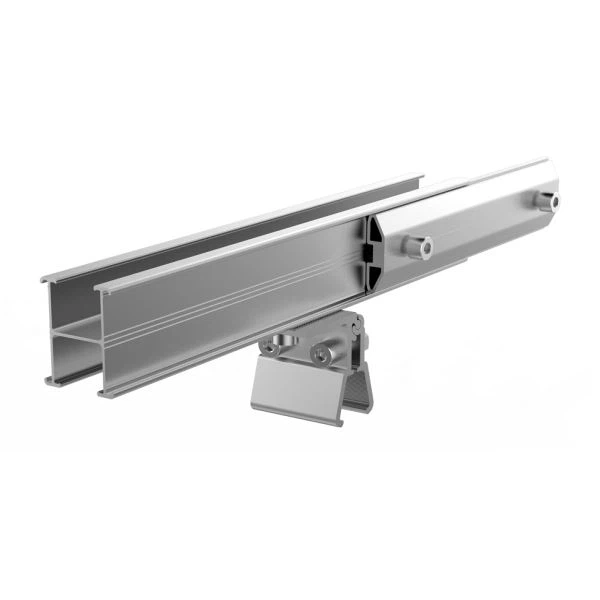
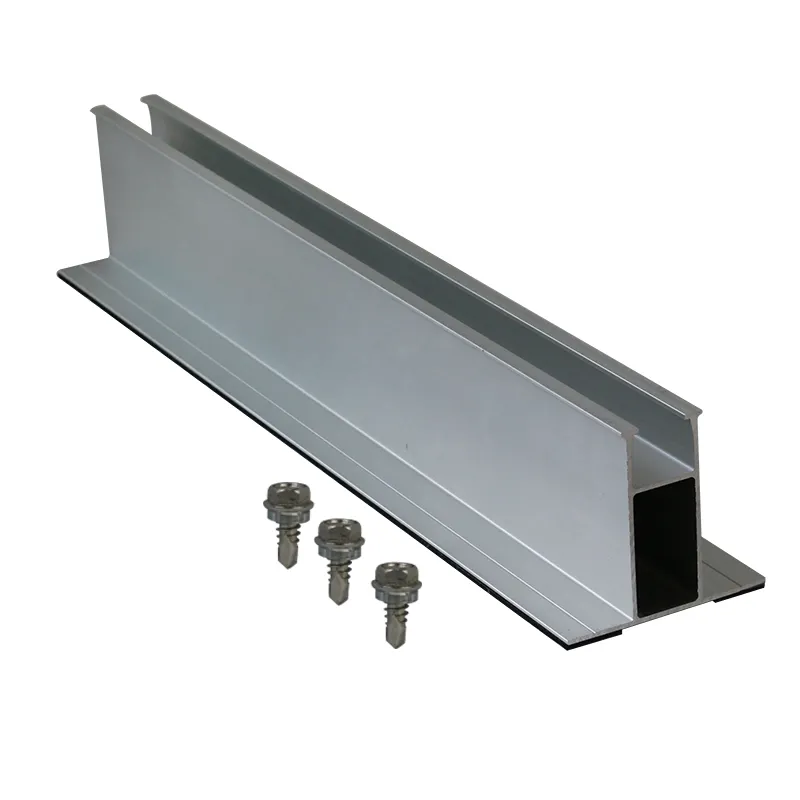
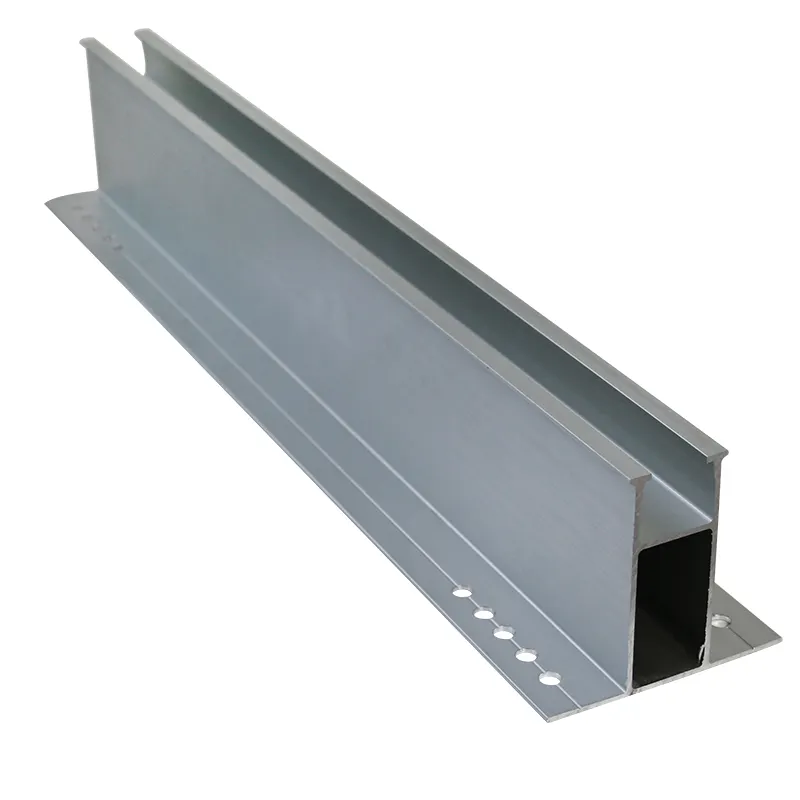
Main Components of a Solar Mounting System
Types of Solar Mounting Systems
Common Materials Used
How to Choose the Right Mounting System
Engineering Insight from ALV
International Standards
Why Choose ALV?
Sıkça Sorulan Sorular
Key Takeaways
A solar mounting system securely supports and protects PV modules.
Most mounting systems are designed to last 25–40 years.
Aluminum and galvanized steel are the two most common materials.
Proper structural design is just as important as panel efficiency.
International standards such as ASCE 7, EN 1991, Ve ISO 9227 help ensure safety and durability.
Choosing the right mounting system improves installation efficiency, reduces maintenance, and maximizes long-term return on investment.
What Is a Solar Mounting System?
A solar mounting system, also known as a PV mounting system or solar racking system, is the structural support that holds photovoltaic panels securely in place. It connects the solar modules to a roof, ground foundation, carport, or other supporting structure while maintaining the correct tilt angle and orientation for maximum energy production.
Although solar panels generate electricity, the mounting system provides the structural stability that allows the entire PV system to operate safely for decades.
Buna göre U.S. Department of Energy (DOE), most modern photovoltaic systems are designed to operate for 25–35 years. Therefore, the mounting system should provide equal or greater durability to protect the long-term investment.
How Does a Solar Mounting System Work?
- Brackets are fixed to the roof or foundation.
- Rails are installed.
- Solar panels are secured with clamps.
- The structure transfers wind and snow loads safely to the building.
Why Is a Solar Mounting System Important?
A solar mounting system does much more than simply hold solar panels.
Its primary functions include:
- Supporting the weight of PV modules.
- Resisting wind, snow, and seismic loads.
- Maintaining the optimal tilt angle for energy production.
- Protecting roof waterproofing and structural integrity.
- Improving installation efficiency and long-term reliability.
Without a properly engineered mounting structure, even the highest-efficiency solar panels cannot perform safely or reliably.
Main Components of a Solar Mounting System
| Component | Function |
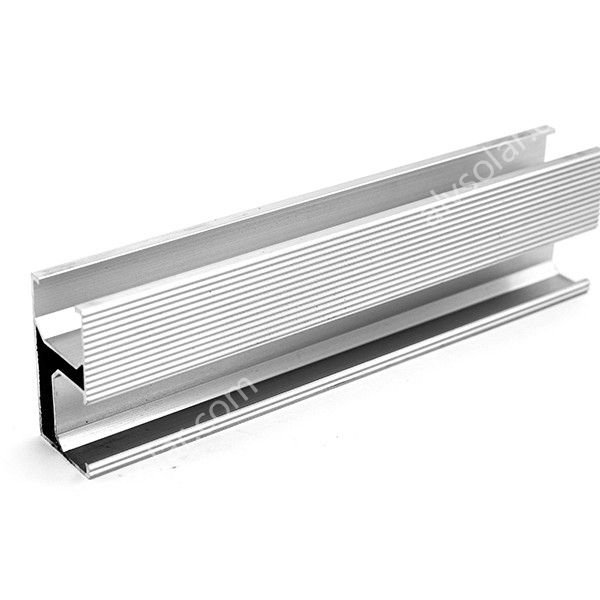
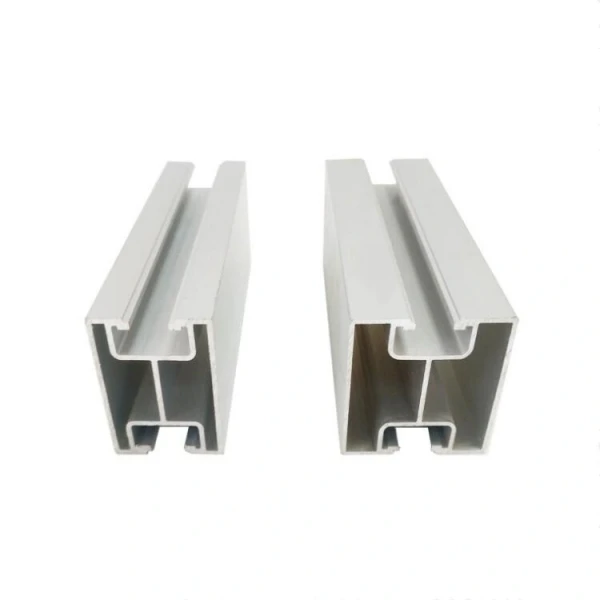
| Raylar | Support and align solar panels |
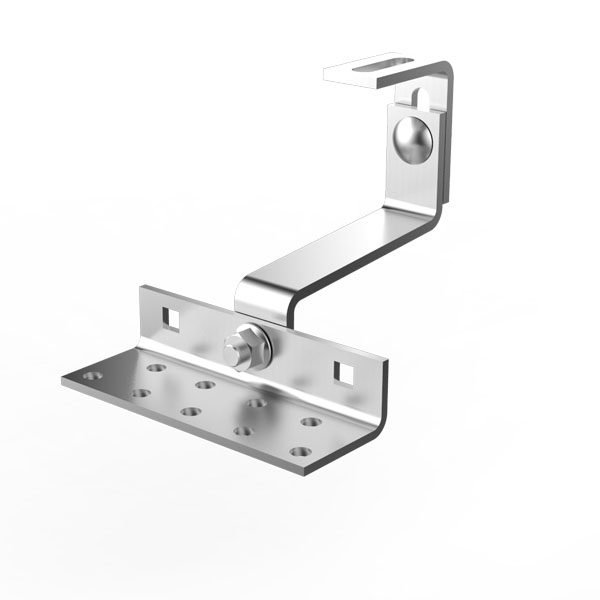
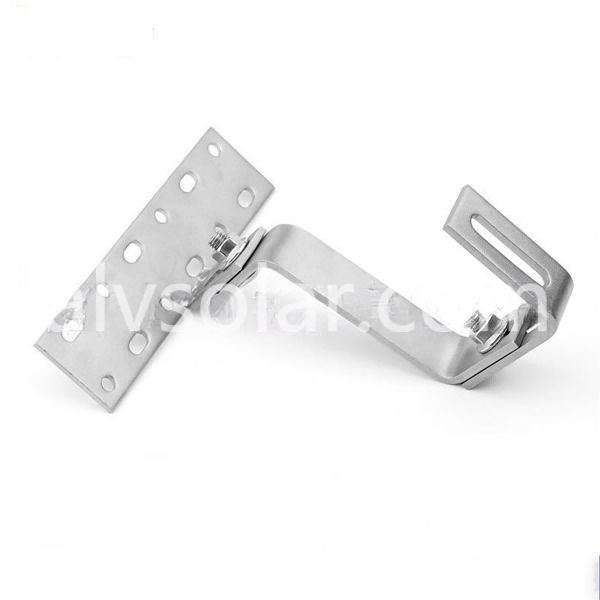
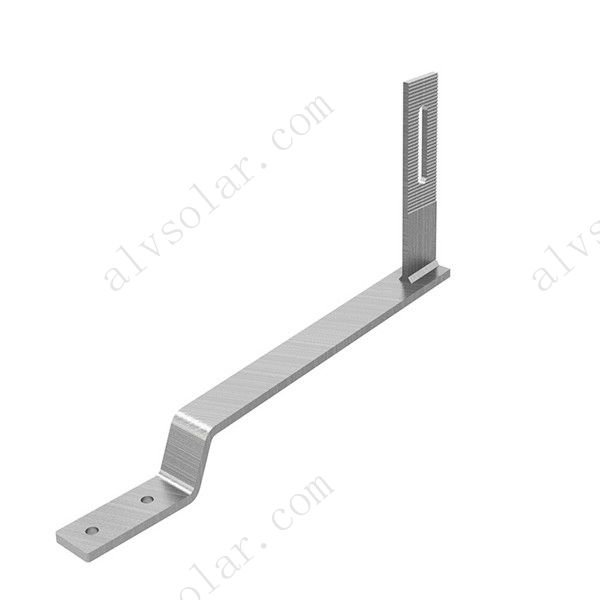
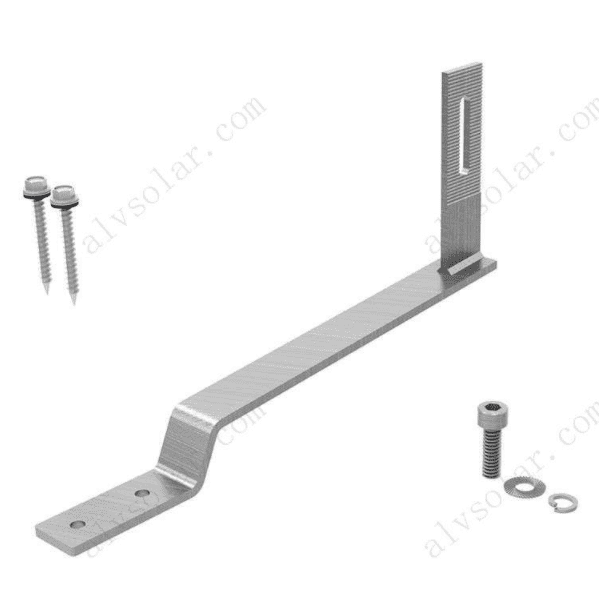
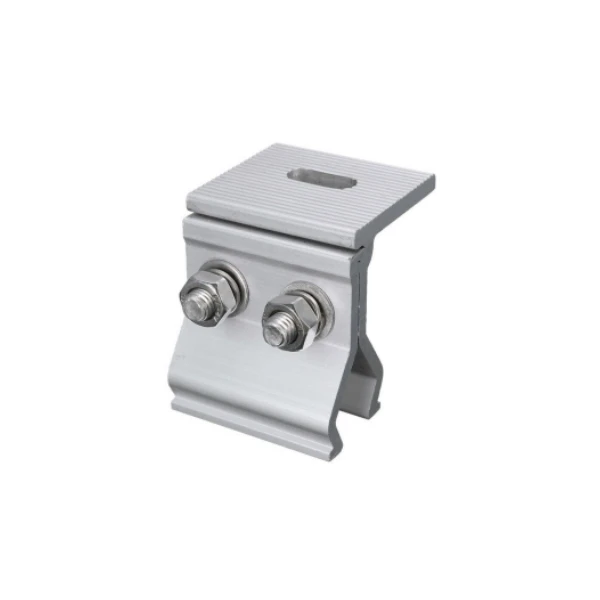
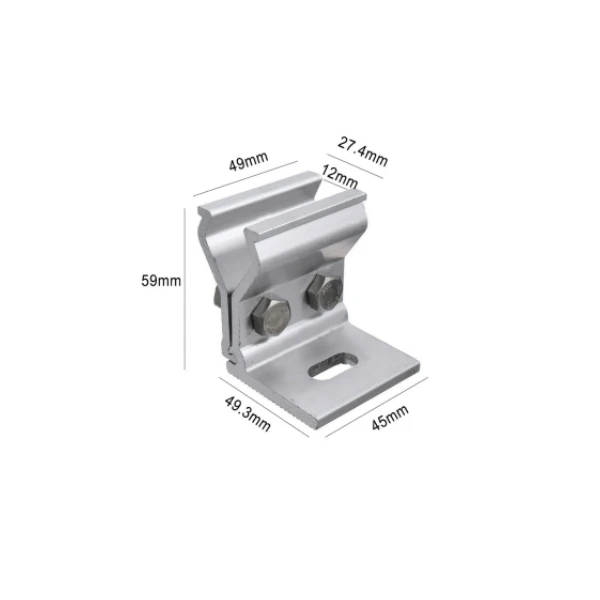
| Roof Hooks / Brackets | Connect the mounting system to the roof structure |
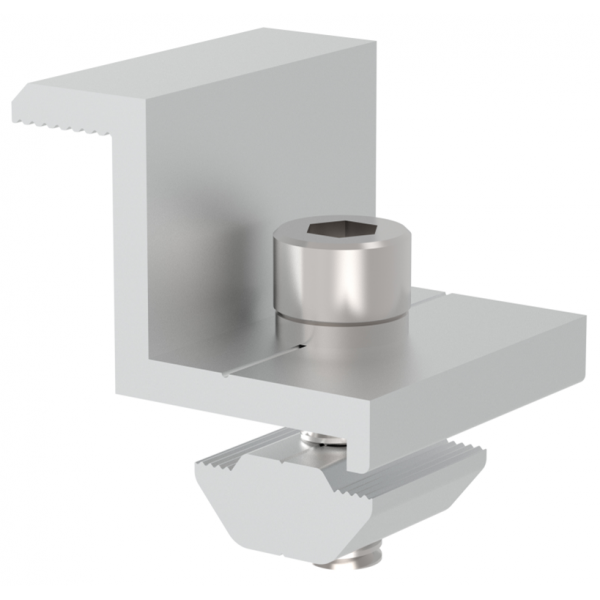
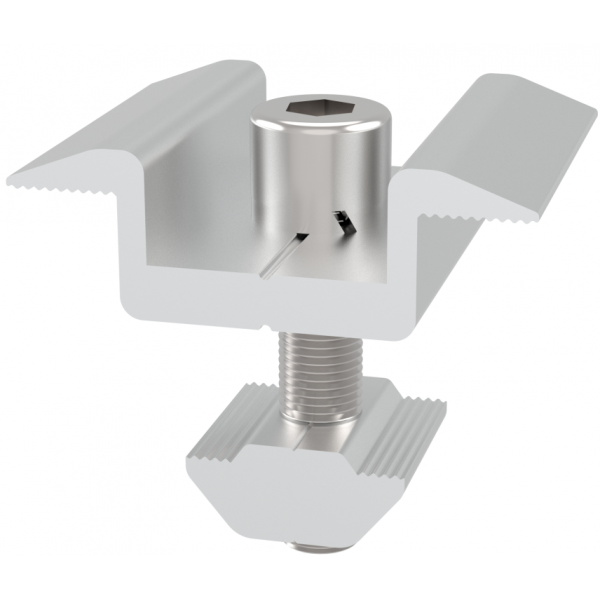
| Clamps | Secure solar modules to the rails |
| Bağlantı Elemanları | Connect structural components |
| Grounding Components | Improve electrical safety |
| Foundations (Ground Mounts) | Transfer loads safely into the ground |
Each component must work together to create a durable, stable, and easy-to-install solar support structure.
Types of Solar Mounting Systems
Different projects require different mounting solutions.
| Mounting Type | Tipik Uygulama | Avantajlar |
| Çatıya Montaj | Residential & Commercial Buildings | Lower installation cost, space-saving |
| Yere Monte Edilebilir | Utility-scale Solar Farms | Easy maintenance and flexible orientation |
| Solar Carport | Parking Areas | Generates electricity while providing shade |
| Agricultural (Agri-PV) | Farmland | Dual land use for farming and power generation |
| Floating Solar | Reservoirs & Lakes | Reduces water evaporation and saves land |
At ALV, customized mounting solutions are available for all of these applications, ensuring each project meets local environmental and structural requirements.
Common Materials Used in Solar Mounting Systems
The choice of material directly affects durability, installation efficiency, and maintenance requirements.
| Malzeme | Avantajlar | Tipik Yaşam Süresi | Best Applications |
| Aluminum Alloy (6063-T5/T6) | Lightweight, corrosion-resistant | 30–40+ years | Rooftops & Coastal Areas |
| Sıcak Daldırma Galvanizli Çelik | Yüksek mukavemetli, uygun fiyatlı | 25–35 years | Ground-mounted Projects |
| Stainless Steel (304/316) | Excellent corrosion resistance | 30–50 years | Fasteners & Coastal Environments |
High-quality aluminum offers an excellent strength-to-weight ratio, while galvanized steel provides outstanding structural strength for large-scale installations.
How to Choose the Right Solar Mounting System
The best mounting system depends on the project’s structural requirements rather than a single product type.
| Project Condition | Recommended Solution |
| Konut Çatısı | Aluminum Roof Mount |
| Ticari Çatı | Aluminum or Hybrid System |
| Utility-scale Solar Farm | Galvanized Steel Ground Mount |
| Coastal Area | Aluminum + Stainless Steel Fasteners |
| Heavy Snow Region | High-strength Steel Structure |
| Agricultural PV | Elevated Agri-PV Mounting System |
Professional manufacturers evaluate roof type, module layout, wind speed, snow load, soil conditions, and local building codes before recommending a mounting solution.
At ALV, our engineering team performs project-specific structural calculations to ensure every mounting system delivers optimal safety, performance, and cost efficiency.
Structural Engineering Standards
A solar mounting system must safely withstand decades of environmental exposure.
Professional manufacturers typically design mounting structures according to internationally recognized standards, including:
- ASCE 7 – Minimum Design Loads and Associated Criteria for Buildings and Other Structures (United States)
- EN 1991 (Eurocode 1) – Actions on Structures (Europe)
- EN 1993 (Eurocode 3) – Design of Steel Structures
- EN 1999 (Eurocode 9) – Design of Aluminium Structures
- AS/NZS 1170 – Structural Design Actions (Australia & New Zealand)
- ISO 9227 – Salt Spray Testing for corrosion resistance
Compliance with these standards helps ensure structural safety, product reliability, and long-term durability under different climate conditions.
Engineering Insight from ALV
Choosing between aluminum and galvanized steel is not simply a matter of price. Every project has different structural requirements, environmental conditions, and budget considerations.
In ALV’s engineering experience, many customers initially request galvanized steel because of its lower upfront material cost. However, after evaluating roof load capacity, corrosion risk, and long-term maintenance costs, aluminum often proves to be the more economical solution over the entire project lifecycle—especially for residential rooftops, coastal regions, and high-humidity environments.
For large utility-scale ground-mounted projects, hot-dip galvanized steel is frequently the preferred option because of its excellent structural strength and cost efficiency. Our engineering team performs project-specific calculations based on local wind speed, snow load, roof type, and applicable building codes before recommending the most suitable mounting system.
Industry Perspective
The global solar industry continues to expand rapidly.
Buna göre Uluslararası Enerji Ajansı (IEA), solar PV represented more than 75% of global renewable electricity capacity additions in 2025, making it the world’s fastest-growing renewable energy technology.
Fotovoltaik sistemlerin on yıllarca çalışması beklendiğinden, bakım maliyetlerini azaltmak ve uzun vadeli enerji üretimini korumak için dayanıklı montaj yapıları giderek daha önemli hale gelmektedir.
Neden Seçmelisiniz? ALV?
Doğru üreticiyi seçmek, doğru montaj sistemini seçmek kadar önemlidir.
ALV, dünya çapında konut, ticari ve kamu hizmeti projeleri için eksiksiz güneş paneli montaj çözümleri sunmaktadır.
Hizmetlerimiz şunları içerir:
- Özelleştirilmiş yapısal tasarım
- Rüzgar ve kar yükü hesaplamaları
- Projeye özel mühendislik desteği
- OEM ve ODM üretimi
- Yüksek kaliteli alüminyum ve çelik montaj sistemleri
- Hızlı teslimat ve küresel teknik destek
Projeniz metal çatı, kiremit çatı, düz çatı, güneş enerjisi santrali, garaj veya tarımsal tesis olsun, ALV ihtiyaçlarınıza özel, güvenilir bir montaj çözümü sunabilir.
Sıkça Sorulan Sorular
1. Güneş paneli montaj sisteminin amacı nedir?
Güneş panellerini güvenli bir şekilde desteklerken, rüzgar, kar ve diğer çevresel yükleri binaya veya temele aktarır.
2. Güneş paneli montaj sistemi ne kadar süre dayanır?
Çoğu yüksek kaliteli montaj sisteminin ömrü şu aralıktadır: 25 ve 40 yaşMalzemelere, çevresel koşullara ve bakıma bağlı olarak değişir.
3. Alüminyum mu yoksa çelik mi daha iyi bir malzemedir?
Alüminyum daha hafif ve korozyona karşı daha dayanıklıdır, galvanizli çelik ise büyük projeler için daha yüksek yapısal mukavemet ve daha düşük malzeme maliyeti sağlar.
4. Güneş panelleri değiştirilirken montaj sistemi yeniden kullanılabilir mi?
Evet. Yapı iyi durumda kalırsa ve yeni modüllerle uyumluysa, profesyonel bir incelemeden sonra genellikle yeniden kullanılabilir.
5. Tüm projeler yapısal hesaplamalar gerektirir mi?
Evet. Sistem tasarımı sırasında rüzgar yükleri, kar yükleri, çatı tipi ve yerel yapı yönetmelikleri her zaman dikkate alınmalıdır.
6. Güneş paneli montaj sistemlerinde yaygın olarak hangi standartlar kullanılmaktadır?
Ortak standartlar şunları içerir: ASCE 7, EN 1991, EN 1993, EN 1999, AS/NZS 1170, Ve ISO 9227.
7. Yapar mı? ALV Özelleştirilmiş montaj çözümleri sunuyor musunuz?
Evet. ALV, dünya çapında çatı üstü, yere monte, otopark ve tarımsal güneş enerjisi projeleri için özelleştirilmiş mühendislik, yapısal hesaplamalar ve montaj çözümleri sunmaktadır.
Son Düşünceler
Güneş paneli montaj sistemi, sadece destekleyici bir çerçeveden çok daha fazlasıdır; her fotovoltaik kurulumun yapısal temelidir. Doğru sistemi seçmek, güvenliği, kurulum verimliliğini, enerji üretimini ve uzun vadeli proje güvenilirliğini artırır.
İster konut çatısına kurulum yapın, ister büyük ölçekli bir güneş enerjisi santrali kurun, profesyonelce tasarlanmış bir montaj sistemi seçmek, yatırımınızın onlarca yıl boyunca güvenilir bir şekilde çalışmasını sağlar.
Doğru güneş paneli montaj sistemini bulmaya hazır mısınız?
Yeni bir güneş enerjisi projesi mi planlıyorsunuz?
Temas etmek ALV Bugün Özelleştirilmiş montaj çözümleri, ücretsiz mühendislik danışmanlığı, yapısal hesaplamalar ve projenizin gereksinimlerine uygun rekabetçi bir fiyat teklifi için.