

New Ground-Mount Solar Racking System vs. Roof Mount in 2026-Which is Right for You?

The Benefits of a Ground Solar Racking System for Your Home
When space on your roof is limited, or if you simply want to avoid altering your roofline, a ground-mount solar racking system is an excellent alternative. These systems turn your yard or open land into an energy-producing asset.
Understanding the Components of a Ground Solar Mounting Systems
The Benefits of a Ground-Mount Solar Racking System for Your Home
Ground-mounted systems offer distinct advantages over rooftop installations. They are often easier to maintain, as they are at ground level, and they allow for greater flexibility in system design . A ground-mount solar racking system is particularly suitable when :
- Your roof isn’t positioned to get the most usable light.
- You have consistent shading on areas of your roof that can’t be removed.
- You have a complex roof layout requiring multiple small sub-arrays.
- You don’t like the look of solar panels on your roof.
Modern ground-mount technology has also addressed traditional obstacles. New earth anchor systems eliminate the need for extensive ground work and concrete curing, creating a 10-20% saving on residential projects compared to conventional ground-mount approaches
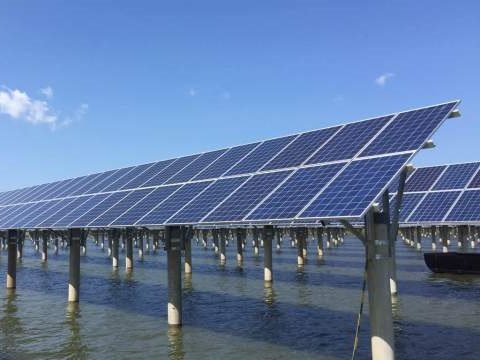
Whether you opt for a traditional rail-based system or an innovative rail-less solar mounting system, the key is to ensure the kit is certified for your region’s wind and snow loads. A solid mounting kit ensures your solar investment is safe, secure, and performs optimally for decades
Fixed-Tilt vs. Tracking Ground-Mount Solar Racking Systems
Ground mounts come in two main categories: fixed-tilt and tracking systems.
Fixed-Tilt Ground Mounts: This is the most common and cost-effective solution. The panels are mounted on a structure at a fixed angle optimized for your site’s latitude. It is durable and requires very little maintenance. For budget-conscious projects, using galvanized steel or aluminum components provides a strong and sturdy mounting structure suitable for high wind and snow load environments .
Solar Trackers: These systems use motors to rotate the panels, tracking the sun’s path across the sky to maximize energy production . Tracking brackets follow the sun’s angle movement, adjusting panel orientation to stay perpendicular to sunlight, thus avoiding the impact of shadows and maximizing power generation . However, the cost of tracking brackets is higher than traditional fixed brackets, and they have a certain failure rate that must be considered in the project economics.
For ground-mounted systems, the mounting structure fixes the panel tilt and azimuth. For fixed-tilt systems, the optimal tilt angle is usually close to the local latitude, and the azimuth should face the equator. A 10-degree tilt error can reduce annual yield by 2–4%, while a 30-degree azimuth error can reduce yield by 5–10% .
When selecting a ground-mount solar racking system, consider these factors :
Customization: Tilt angle, module layout (portrait or landscape), and component selection should match site-specific requirements.
Foundation type: Pile-driven posts (fast installation without concrete), concrete strip foundations, or ground screws.
Material selection: Hot-dip galvanized steel offers strong load-bearing performance for outdoor projects. Aluminum systems minimize installation processes.
What’s Included in a Ground-Mount Solar Racking System?
A standard solar mounting kit includes all the hardware required to secure your panels to a roof or the ground. While suppliers offer a wide range of complete systems, the core elements generally remain the same :
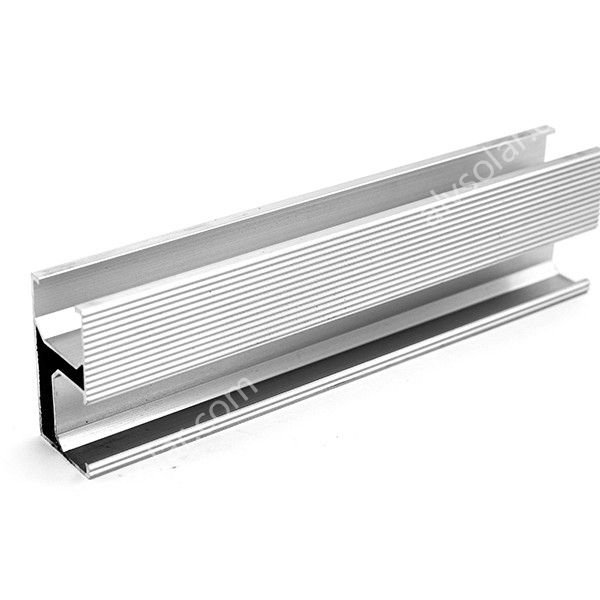
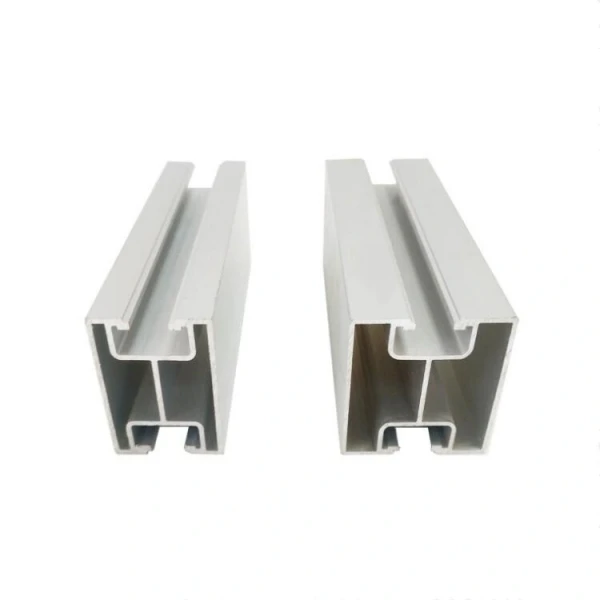
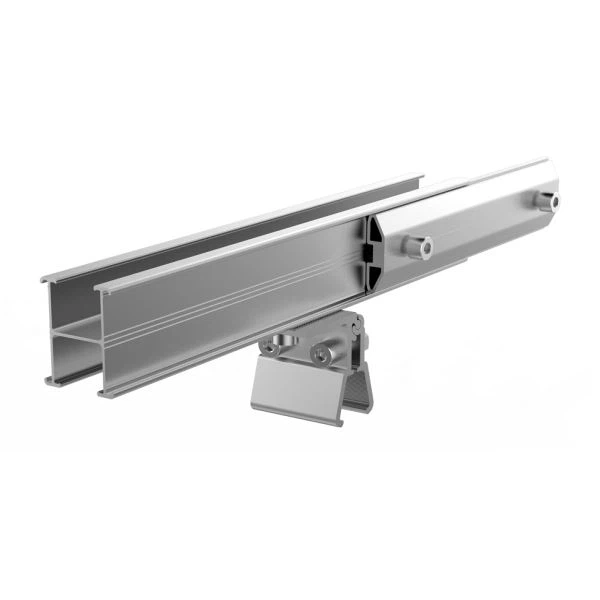
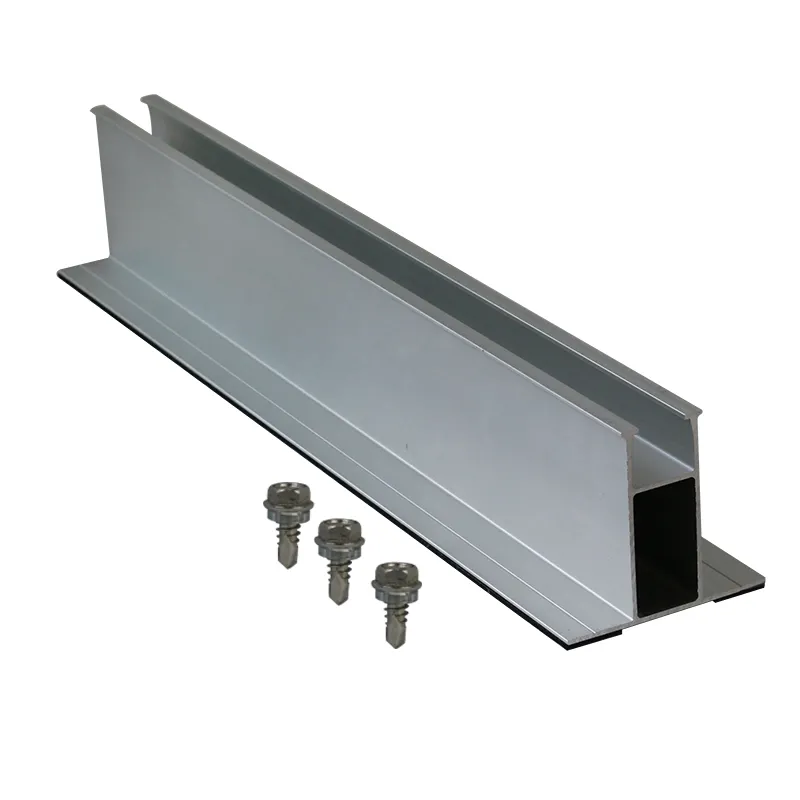
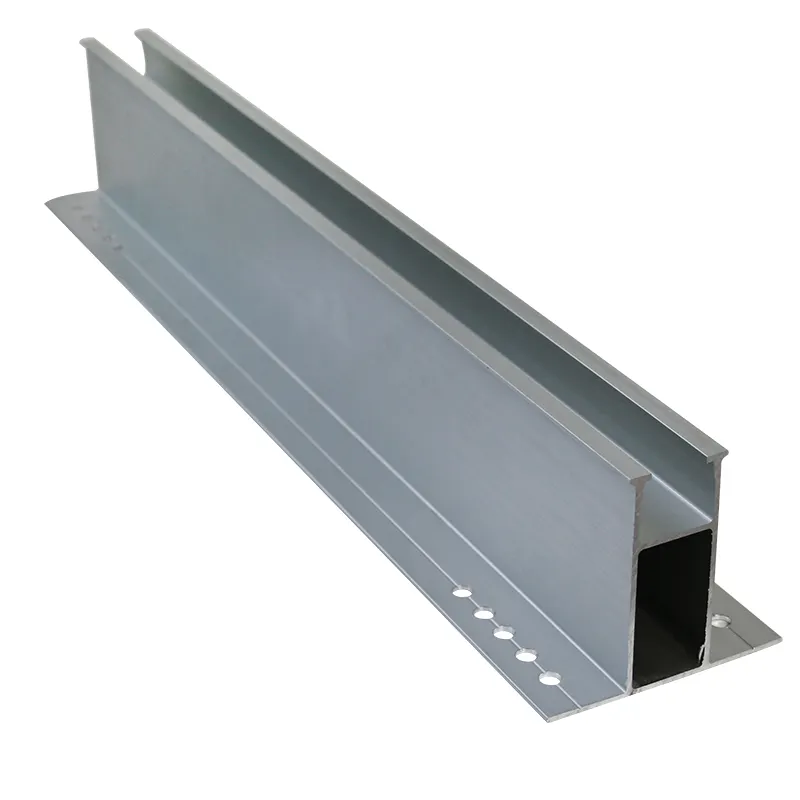
- Mounting Rails: Horizontal aluminum beams that form the main support structure for your panels.
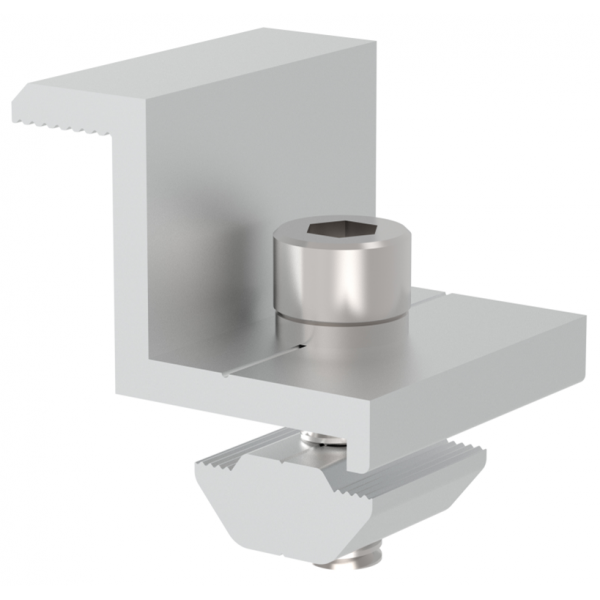
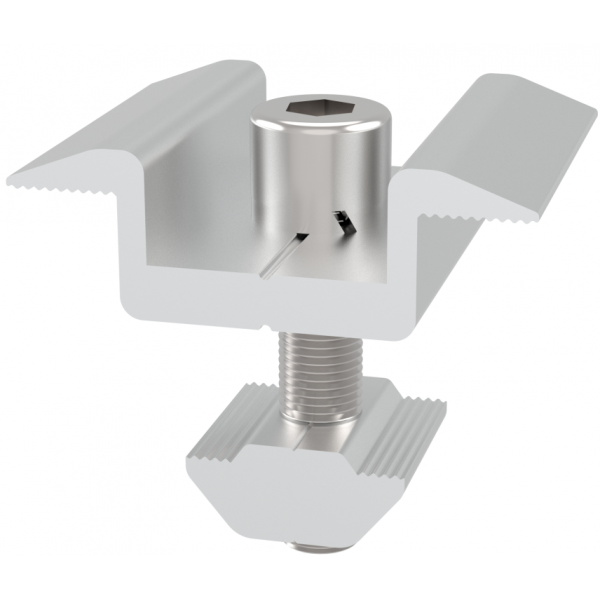
- Clamps: Mid-clamps and end-clamps secure the solar panels to the rails. It’s crucial to ensure these are compatible with your panel thickness to avoid stress points that could cause microcracks .
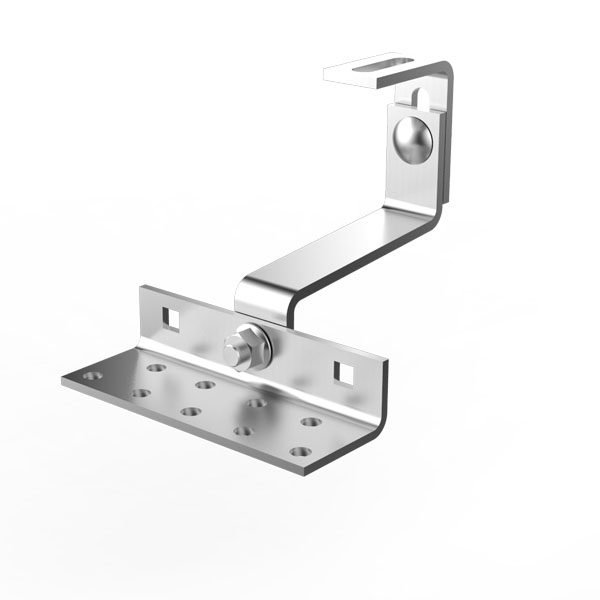
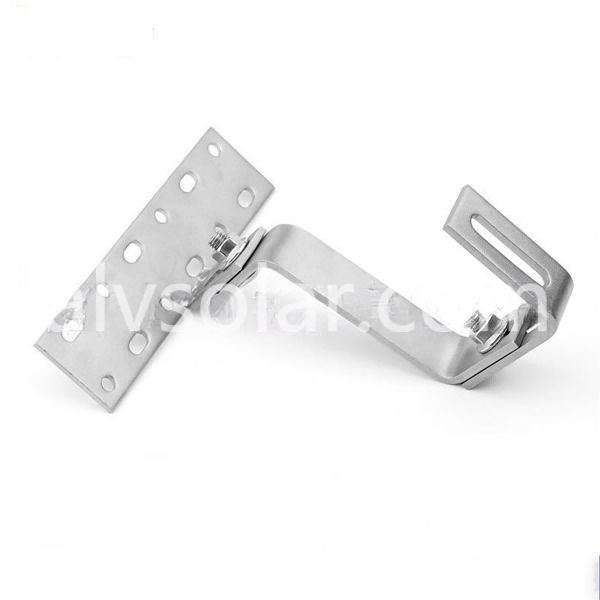
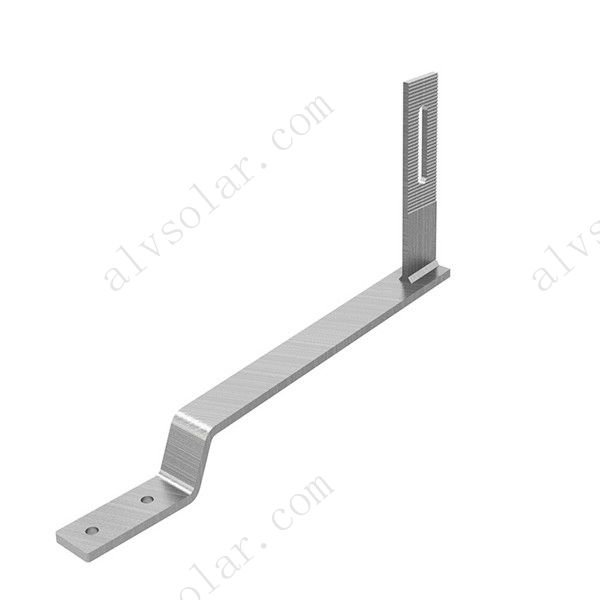
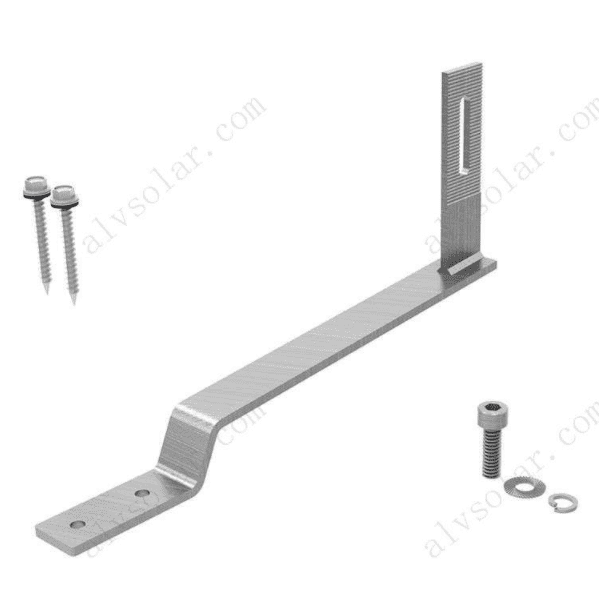
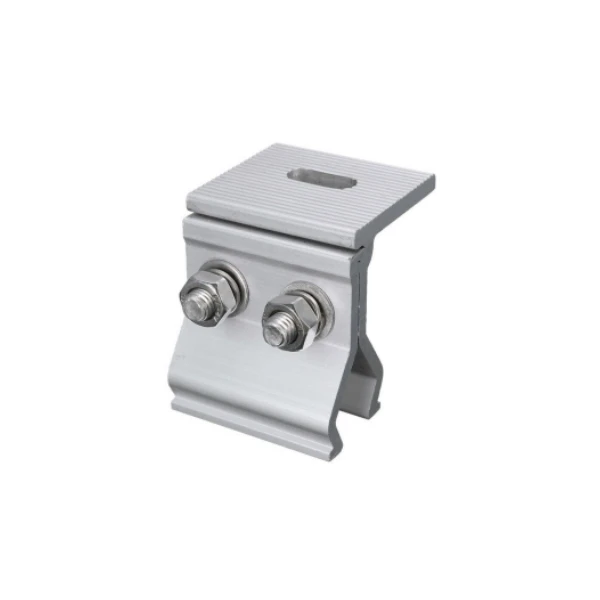
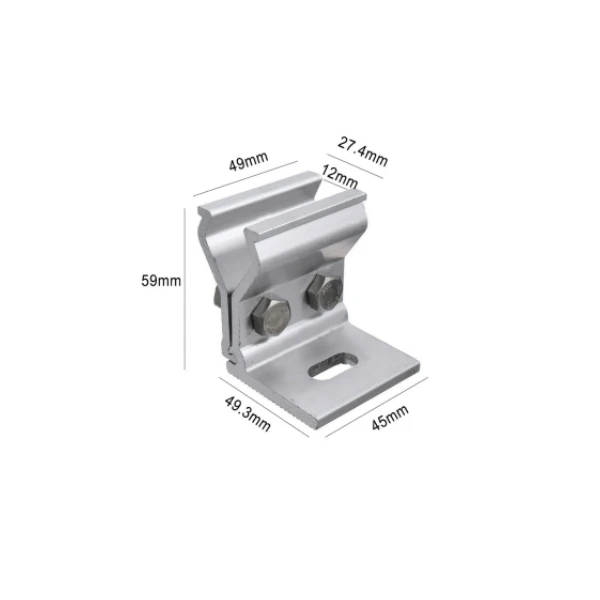
- Roof Attachments (L-Feet/Flashing): These anchor the rails to your roof structure and prevent water ingress around the fixing points.
- Grounding Hardware: Many modern kits include integrated grounding features that eliminate the need for separate bonding wires.
Critical Safety Note: Never mix aluminum and steel parts without dielectric spacers. Galvanic corrosion can compromise structural integrity within 2–3 years in humid environments
If you have the land, Ground-Mount Solar Racking System might be your best bet. It offers greater design flexibility and potentially higher energy yields without compromising your roof . If a ground mount isn’t feasible, a reliable roof-mounted solar structure with a respected solar panel bracket manufacturer is the way to go.Freely to contact us if you have any project requirements.