

Análise técnica completa: por que os pés em L de liga de alumínio são a espinha dorsal das modernas instalações fotovoltaicas em telhados metálicos.

The global solar PV mounting systems market is experiencing unprecedented growth, with projections indicating a leap from USD 44.5 billion in 2024 to USD 68.2 billion by 2034. As solar installations surge across residential rooftops and massive commercial warehouses, one component often overlooked yet absolutely critical is the mounting interface between the solar array and the metal roof — the Aluminum Alloy L Foot. This unassuming L-shaped bracket is the structural workhorse that determines whether your solar system withstands 30 years of harsh weather or fails prematurely.
In this technical deep dive, we’re dissecting everything that makes our Aluminum Alloy L Feet Solar Bracket the industry’s go-to choice for metal roof PV mounting systems, from material science and corrosion engineering to load performance and real-world application scenarios.
What Exactly Is an L Foot Solar Bracket?
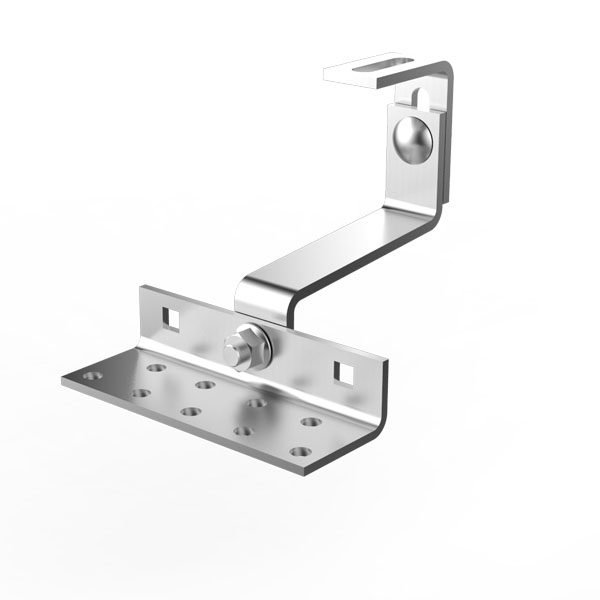
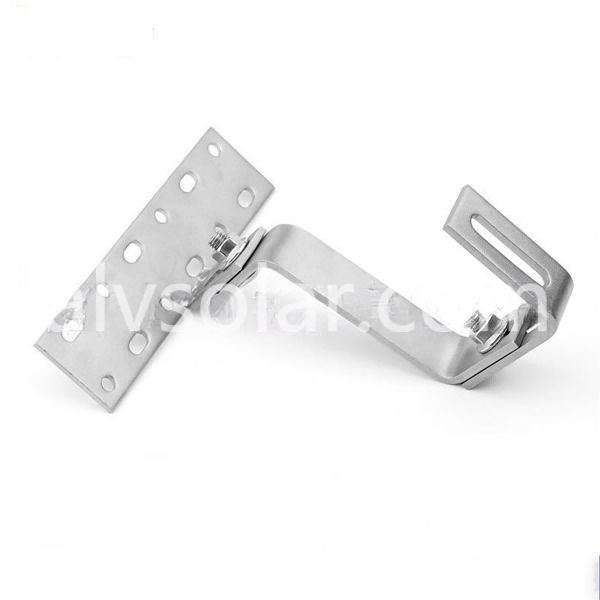
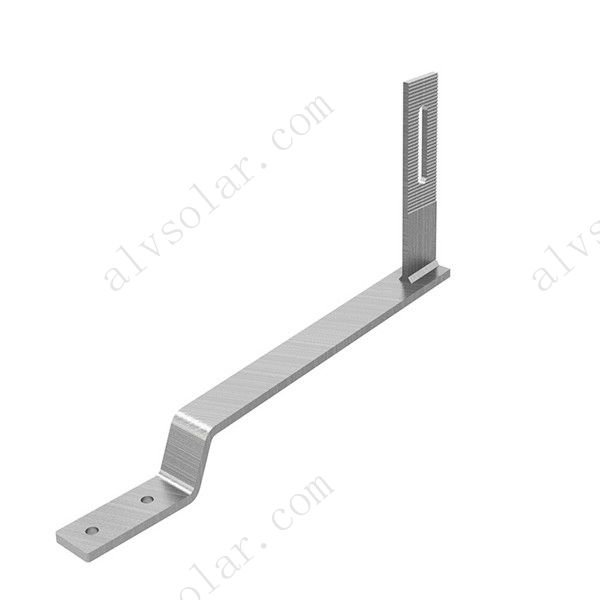
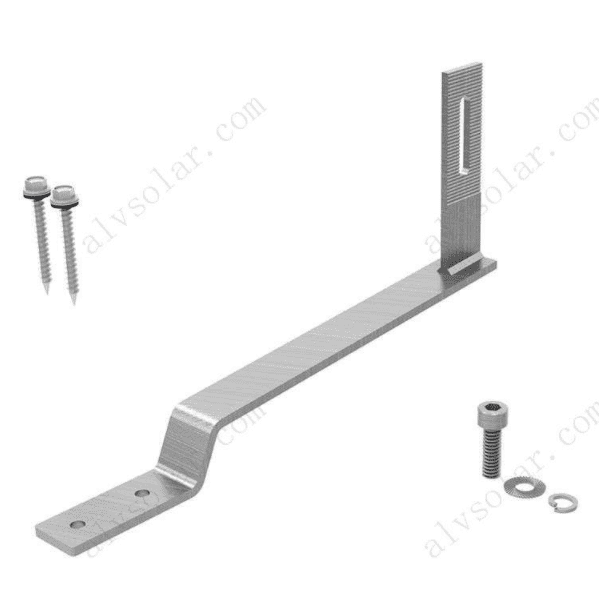
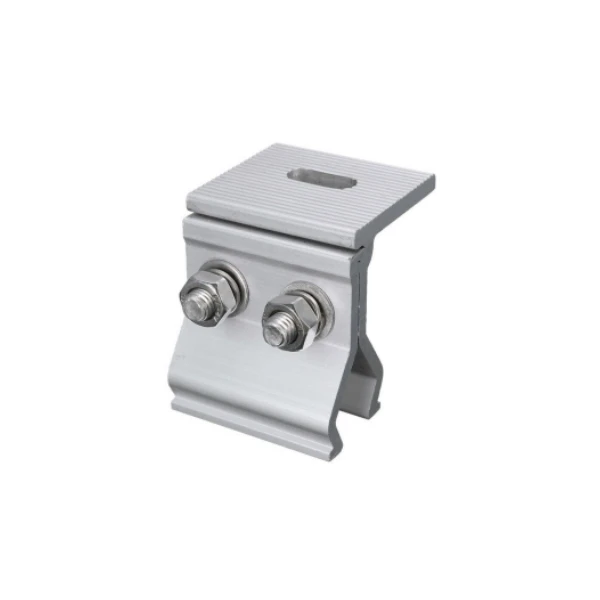
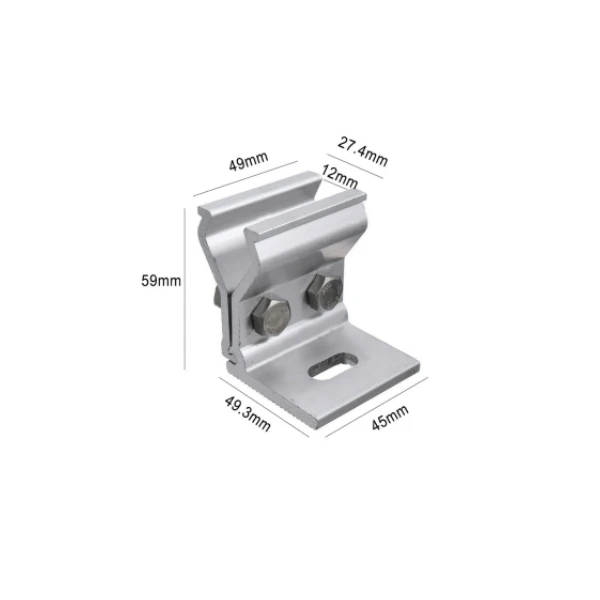
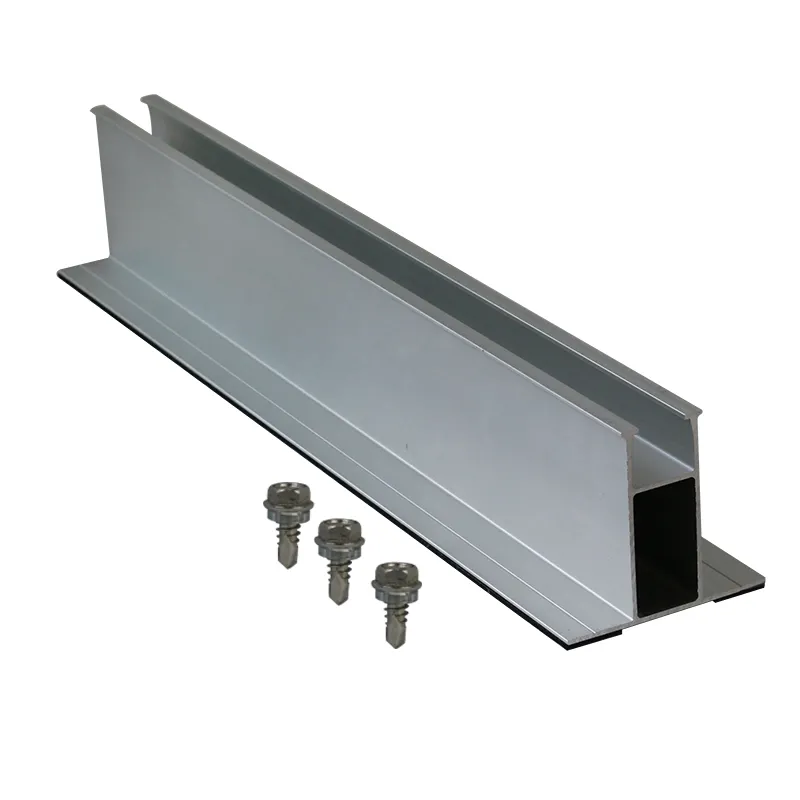
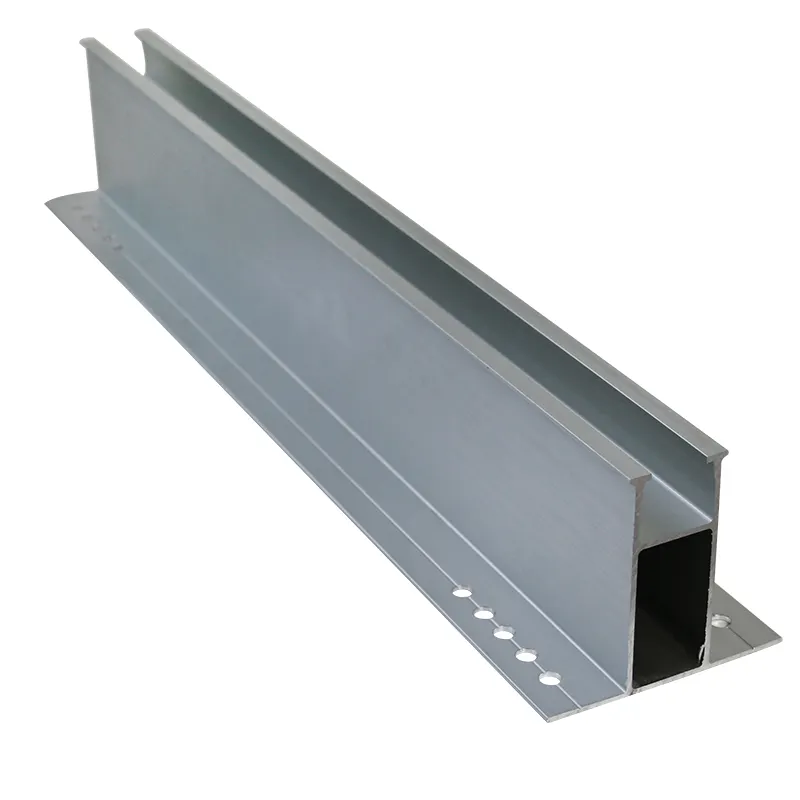
Let’s start with the basics. A Solar L Foot is a precisely engineered L-shaped metal bracket designed to connect solar mounting rails securely to the roof surface. Picture the skeleton of a solar installation: the L Foot anchors directly to your metal roof — whether trapezoidal, corrugated, or standing seam — and provides a stable base for the rails that ultimately hold your solar panels. This design creates a secure anchor point that keeps the entire solar array firmly in place, even under heavy wind, rain, and snow.
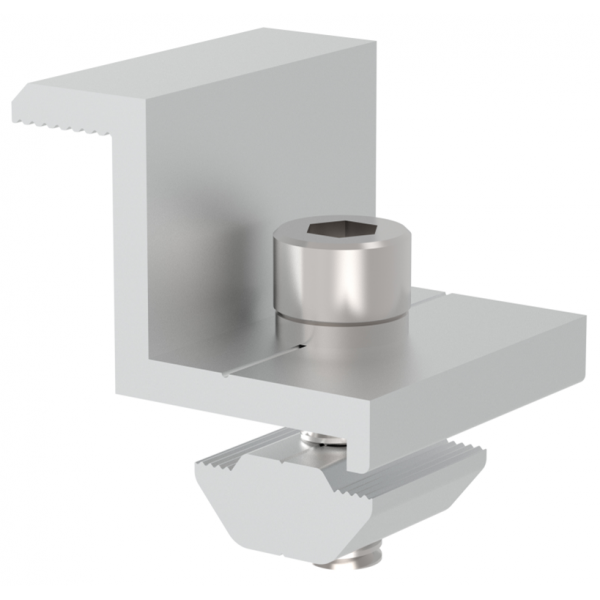
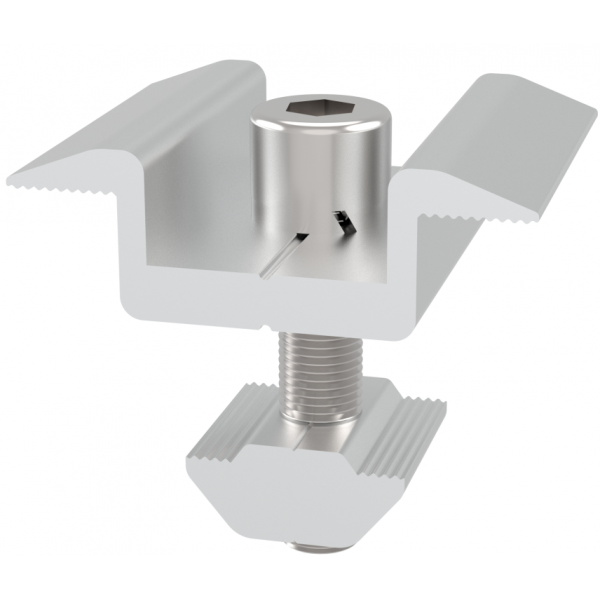
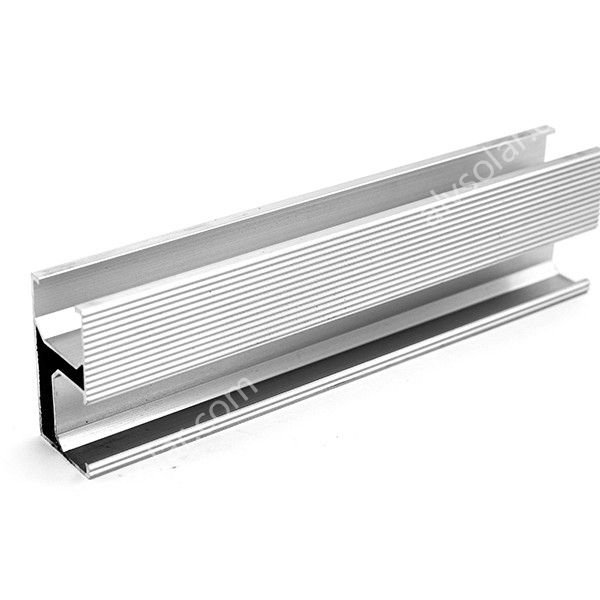
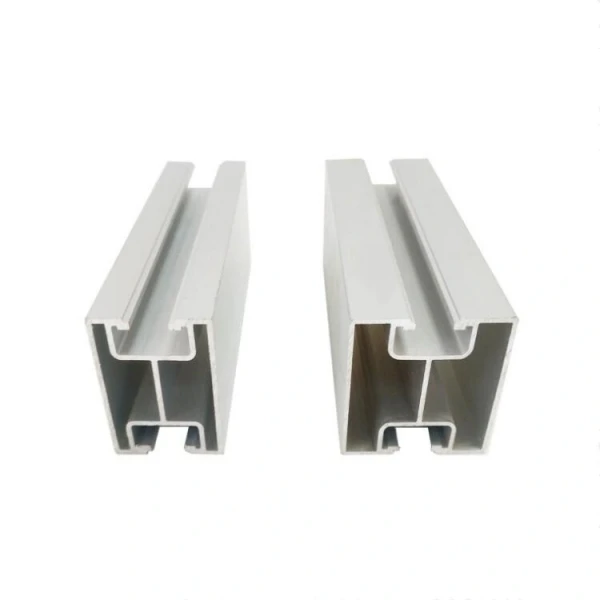
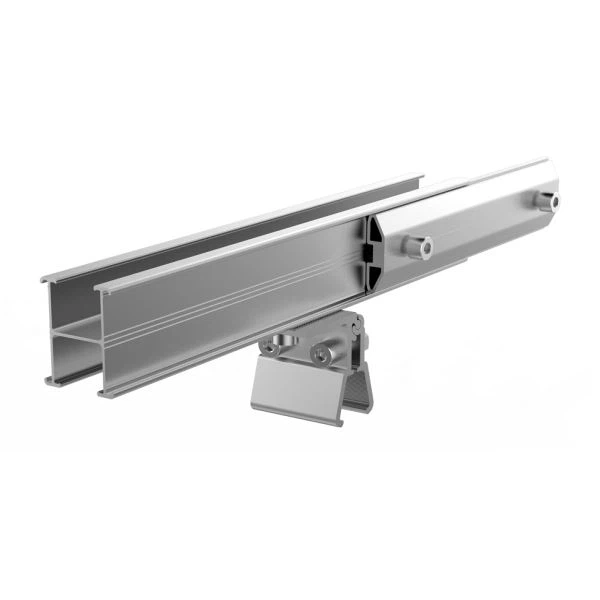
Our Aluminum Alloy L Feet are part of a complete metal roof PV mounting system that includes L-feet, aluminum rails, rail splices, end clamps, mid clamps, and grounding clips. The L Foot serves as the foundational connector, bridging the roof structure and the rail system while ensuring optimal alignment and load distribution.
Performance Under Pressure: Wind, Snow, and Extreme Loads
Unexpected weather events are becoming more frequent and severe across global markets. Your L Feet need to perform when conditions turn extreme.
Wind Loading: Our Aluminum Alloy L Feet are engineered to withstand wind speeds up to 60 m/s (approximately 130 mph). This corresponds to the upper range of hurricane-force winds and exceeds code requirements for most residential and commercial markets worldwide. The L-shaped ergonomic design distributes load evenly to the roof surface, improving overall bearing capacity while resisting wind uplift forces.
Snow Loading: Supporting up to 1.4 kN/m² of snow load, our L Feet have the structural margin to handle heavy winter conditions without compromising system integrity. For EPC contractors operating in regions with significant snowfall, this margin of safety translates into confidence — and lower liability.
Thermal Expansion Accommodation: Metal roofs expand and contract significantly with temperature fluctuations. A mounting system that cannot accommodate this movement will induce stress on both the roof panels and the solar array. Our L Foot system is designed to allow for controlled movement along the rail interface, reducing tension on fastening points and preserving waterproofing integrity through temperature cycles from -30°C to +80°C.
Installation Essentials: Getting It Right
While detailed installation guides are available separately, here are the non-negotiable principles for correct L Foot installation:
- Purlin alignment — Attach L Feet to the purlins beneath the metal roof sheeting, not to the sheet metal alone. The L Foot’s load must transfer directly to the roof’s structural members. Attachment to sheet metal alone guarantees failure under wind load.
- Matching corrugation peaks — Mount fasteners on the peaks of corrugated roofing, not the valleys. Valleys are drainage channels; penetrations in valleys are almost impossible to waterproof reliably.
- Torque specification — Follow specified torque settings precisely. Overtightening can distort the L Foot or compress gaskets beyond design specifications. Undertightening permits movement that accelerates wear and compromises the seal.
- Perpendicular mounting — Ensure L Feet are mounted perpendicular to the roof surface before rail attachment. Misalignment transmits stresses through the entire array.
- Seal integrity — Verify EPDM gaskets are correctly positioned and not pinched during fastening. A pinched gasket will not seal properly.
Why Choose Our Aluminum Alloy L Feet?
Certified Quality: ISO 9001, CE, TUV, SGS, and AS/NZS 1170 certifications provide independent validation of our manufacturing processes and product performance.
Engineering Documentation: Pre-sales, we provide customized structural calculation reports and load analysis to support project permitting. No guesswork — just engineering-grade documentation.
Complete System Compatibility: Our L Feet pair seamlessly with all brand-compatible solar mounting accessories — aluminum rails, rail connectors, mid clamps, end clamps, conductive sheets, and grounding kits — ensuring system integration consistency across your entire installation sourcing.
Customization Available: For specialized projects, we offer adjustable dimensions, custom hole patterns, and OEM/ODM support. Need a unique height or width? We can build it.
10 to 20 Year Warranties: Depending on your chosen model and application, we back our products with warranties ranging from 10 to 20 years — not because we have to, but because we know our L Feet will perform.