

Solar Mounting Selection Guide – A Full Comparison of Roof, Ground, and Tracker Systems

Introduction
Selecting the right solar mounting system is one of the most critical decisions in PV project design. Choose correctly, and the system runs safely and efficiently for 25 years. Choose poorly, and you may face reduced energy yield or even safety hazards. With so many options on the market – roof mounts, ground fixed mounts, and trackers – what are the characteristics of each? This article provides a full comparative analysis across four dimensions: application scenarios, cost, energy yield, and maintenance difficulty.
1. Roof Mount Systems
Приложения
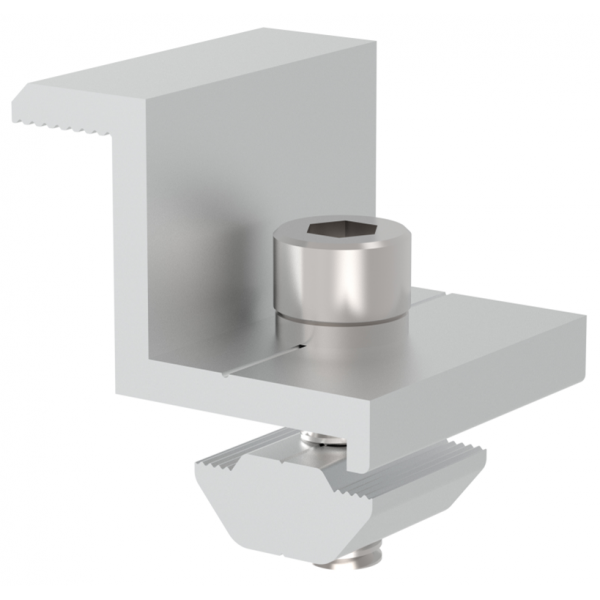
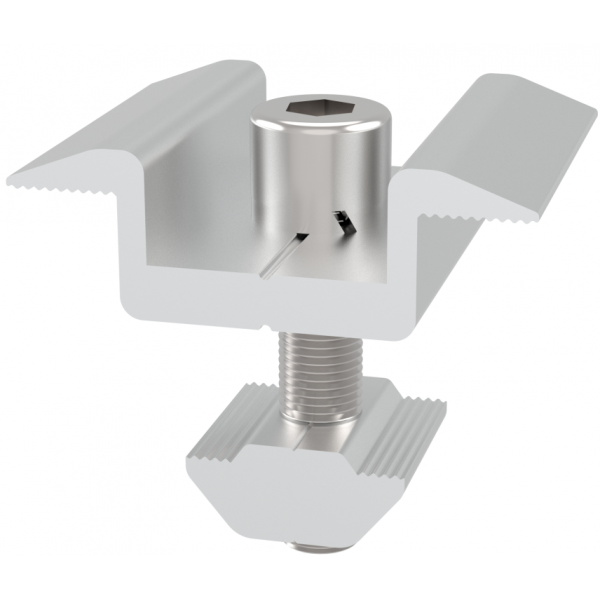
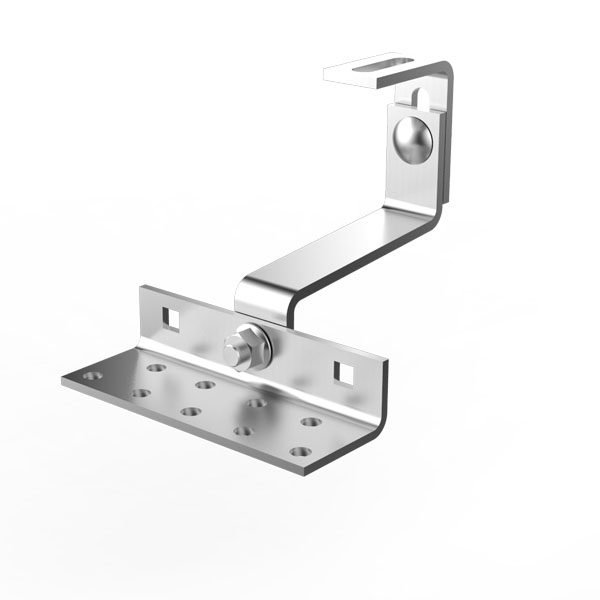
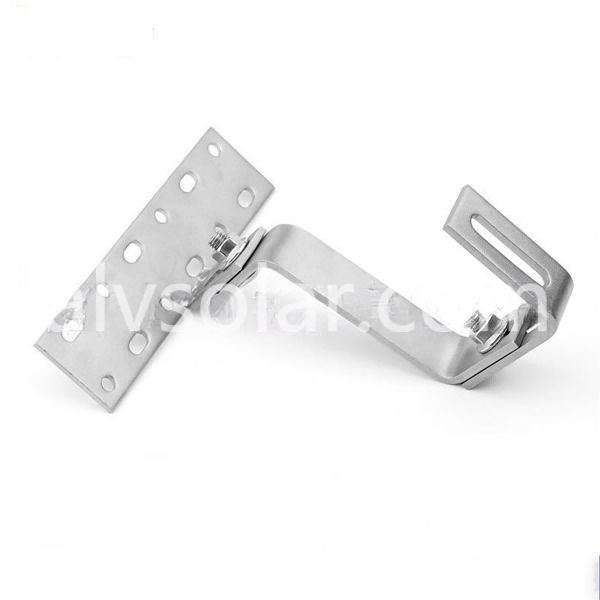
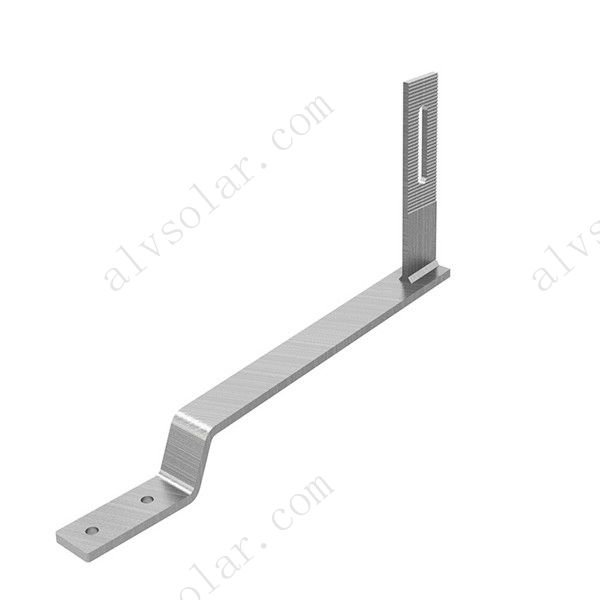
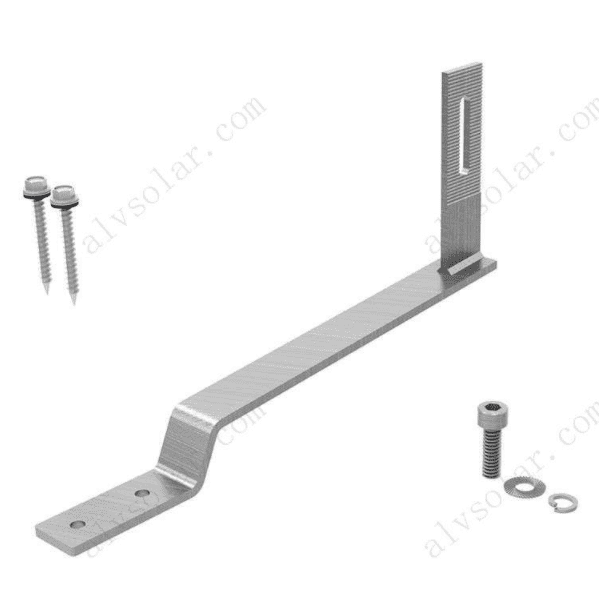
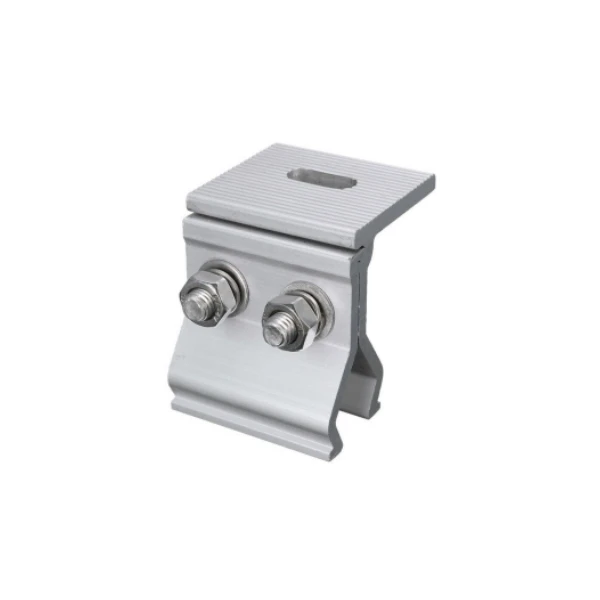
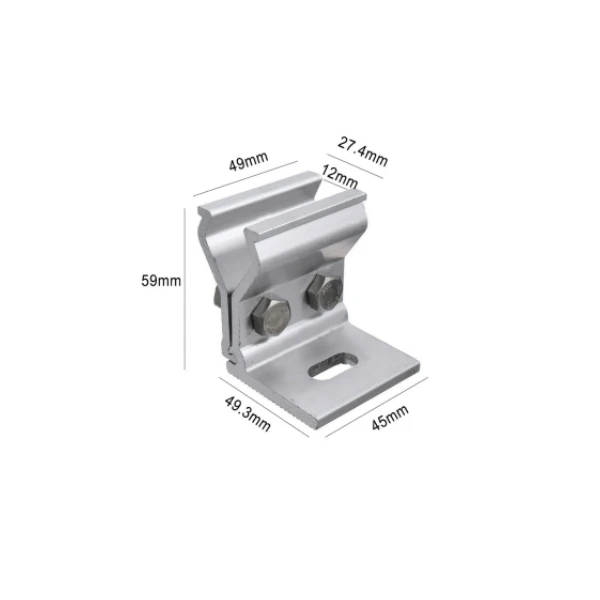
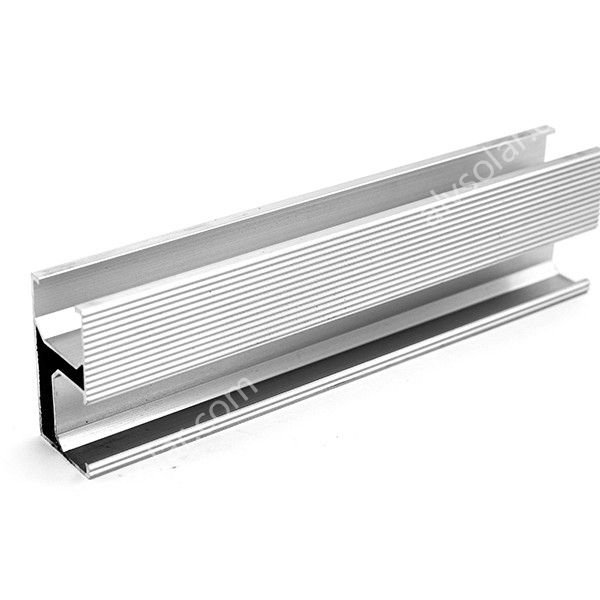
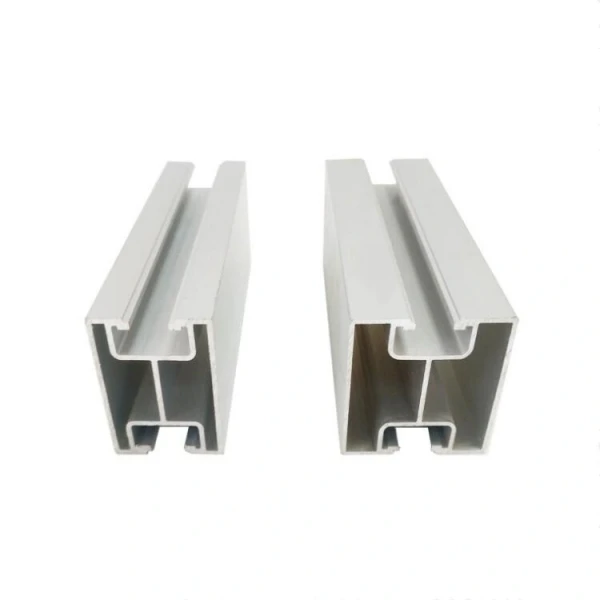
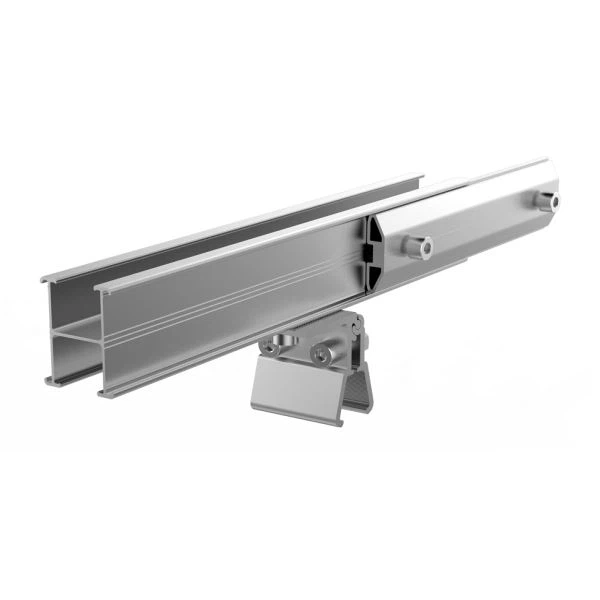
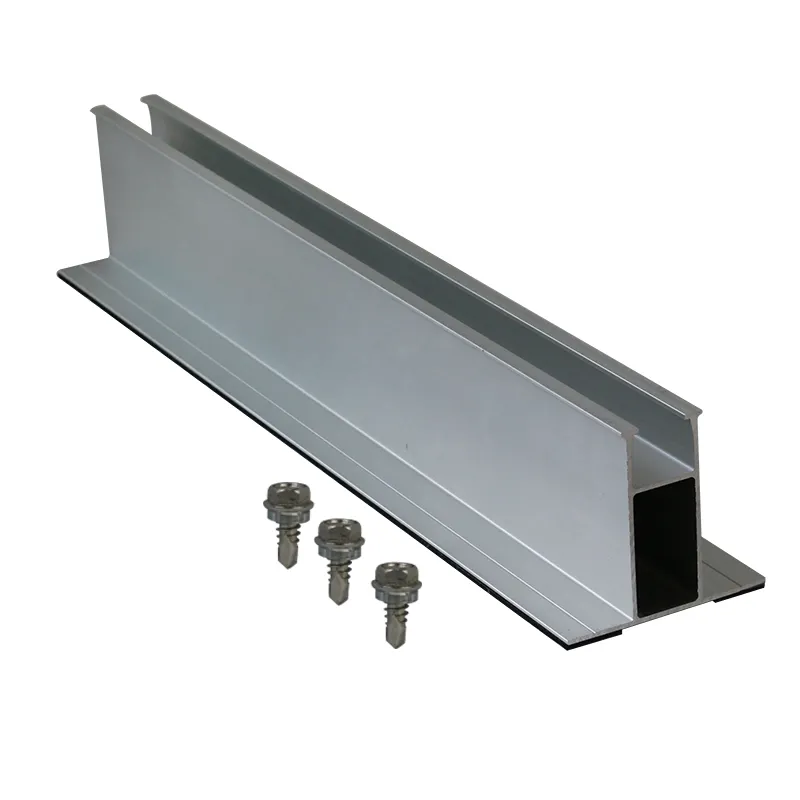
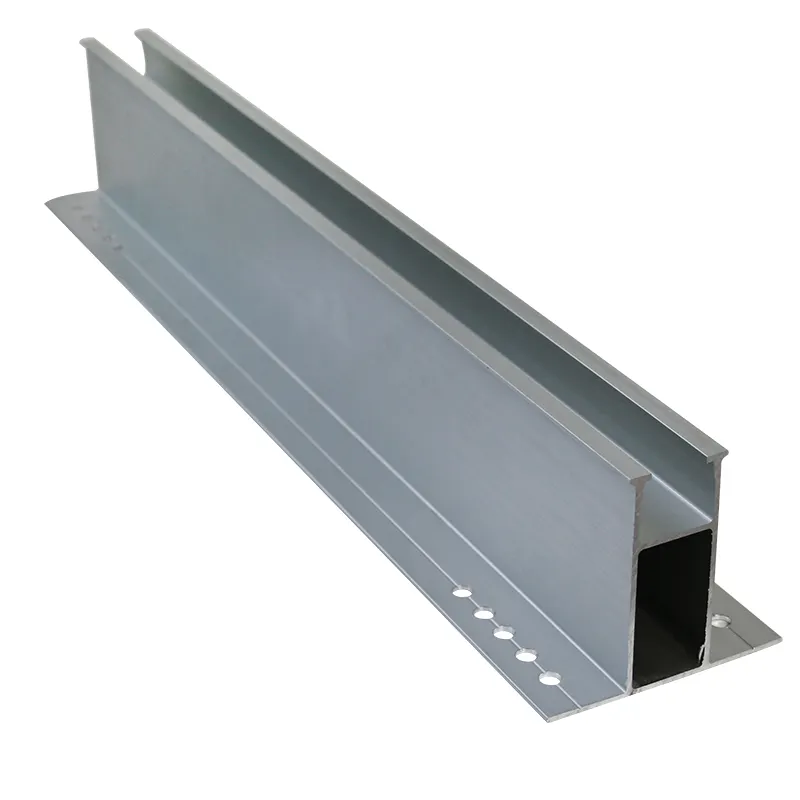
Roof mounts are installed on building rooftops, suitable for residential homes, factories, commercial buildings, and public facilities with usable roof space.
Key Characteristics
- No land occupation – uses otherwise idle rooftop space, ideal for urban areas
- Higher installation difficulty – work at height requires strict safety measures
- Limited tilt angle – constrained by roof pitch, may not achieve optimal tilt
Cost Reference
- Aluminum system: $0.14–0.19/W
- Galvanized steel system: $0.10–0.15/W
- Installation labor: $0.05–0.11/W
Maintenance Considerations
Roof mount maintenance is relatively challenging – cleaning panels requires working at height, so reserving maintenance walkways is essential. It is recommended to check bolt tightness and waterproof seals every six months.
2. Ground Fixed Mount Systems
Приложения
Ground mounts are installed on open land, suitable for rural homes, farms, industrial park open areas, and large‑scale solar farms.
Key Characteristics
- Freely optimizable tilt – can be set to the best angle based on local latitude for maximum energy yield
- Easy maintenance – ground‑level access makes cleaning and inspection convenient
- Diverse foundation options – driven piles, screw piles, or concrete foundations
Cost Reference
- Fixed‑tilt mount: $0.08–0.12/W
- Foundation construction: $0.03–0.07/W
- Total installed cost: $0.12–0.19/W
Site Requirements
Ground mounts require flat land with no shading and soil conditions suitable for piling or concrete pouring. If land is available, ground mounts are the preferred choice for maximizing energy yield.
3. Tracker Systems
Приложения
Trackers are primarily used in large utility‑scale solar farms, especially commercial projects aiming for maximum energy output.
Key Characteristics
- Significant yield increase – single‑axis: +15%–25%, dual‑axis: +25%–35%
- Higher cost – both initial investment and O&M costs are higher than fixed mounts
- Mechanical failure risk – moving parts increase the likelihood of breakdowns
Cost Reference
- Horizontal single‑axis tracker: $0.19–0.27/W
- Dual‑axis tracker: $0.41–0.68/W
- Annual O&M cost: approx $0.005–0.011/W
Suitability
Trackers are best suited to regions with abundant solar resources, high electricity prices, and low land costs. The decision should weigh whether the incremental energy gain justifies the additional upfront investment.
4. Comparison Summary Table
| Comparison Dimension | Roof Mount | Ground Fixed Mount | Tracker System |
|---|---|---|---|
| Приложение | Urban / commercial rooftops | Projects with available land | Large solar farms |
| Land occupation | None | Required | Required |
| Tilt optimization | Limited | Free | Dynamic tracking |
| Energy yield (baseline) | 100% | 105%–110% | 115%–135% |
| Initial cost | Medium | Low | High |
| Maintenance difficulty | More difficult | Easy | Complex |
| Failure risk | Low | Low | Medium‑high |
| 25‑year overall value | Excellent | Excellent | Depends on electricity price |
5. Selection Recommendations
By project type:
| Project Type | First Choice | Alternative | Reason |
|---|---|---|---|
| Urban residential | Roof aluminum mount | Roof galvanized steel mount | Lightweight, attractive, no land use |
| Rural residential | Ground fixed mount | Roof mount | Land available, easy maintenance |
| Commercial/industrial roof | Roof galvanized steel mount | Roof aluminum mount | Long spans, cost‑effective |
| Large ground‑mount farm | Ground fixed mount | Single‑axis tracker | Cost‑controllable, reliable |
| High‑electricity‑price region | Single‑axis tracker | Ground fixed mount | High incremental revenue |
Summary
There is no single “best” mount – only the “most suitable” mount for your specific project. Selection requires balancing available space, budget, energy yield goals, maintenance capability, and local climate conditions. It is recommended to involve professional mount suppliers early in the design phase to ensure a solution that is both safe and economical.