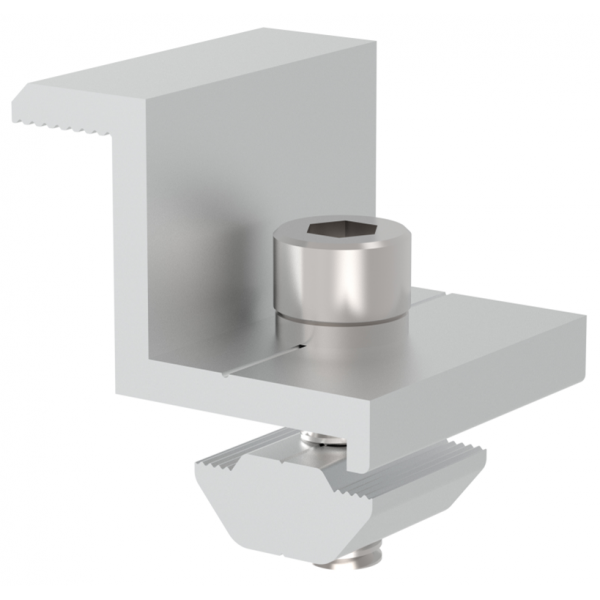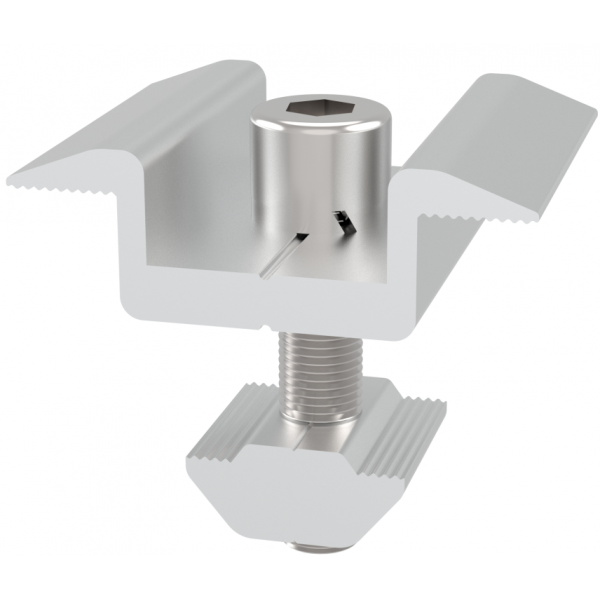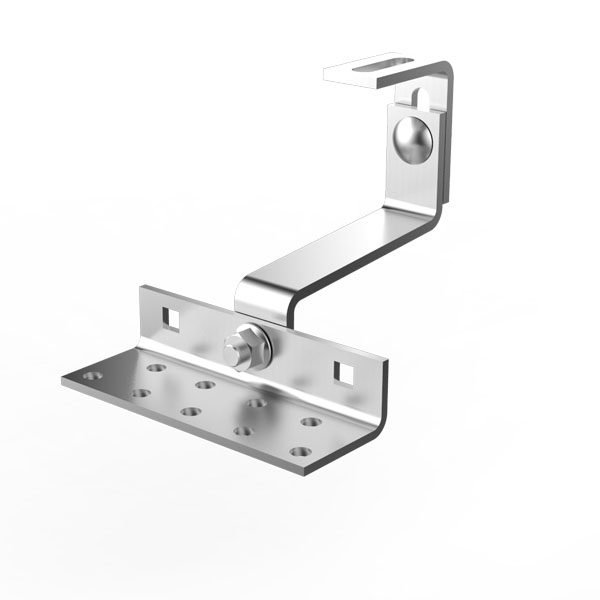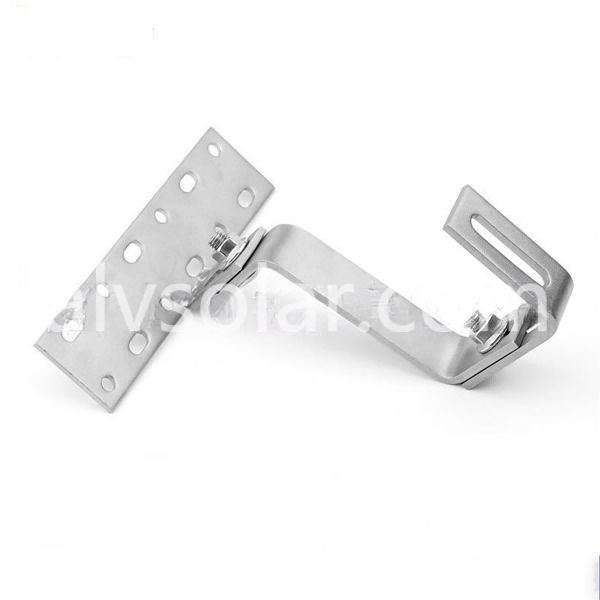


Основы установки солнечных батарей – 5 ключевых моментов, которые должен знать каждый новичок.

Введение
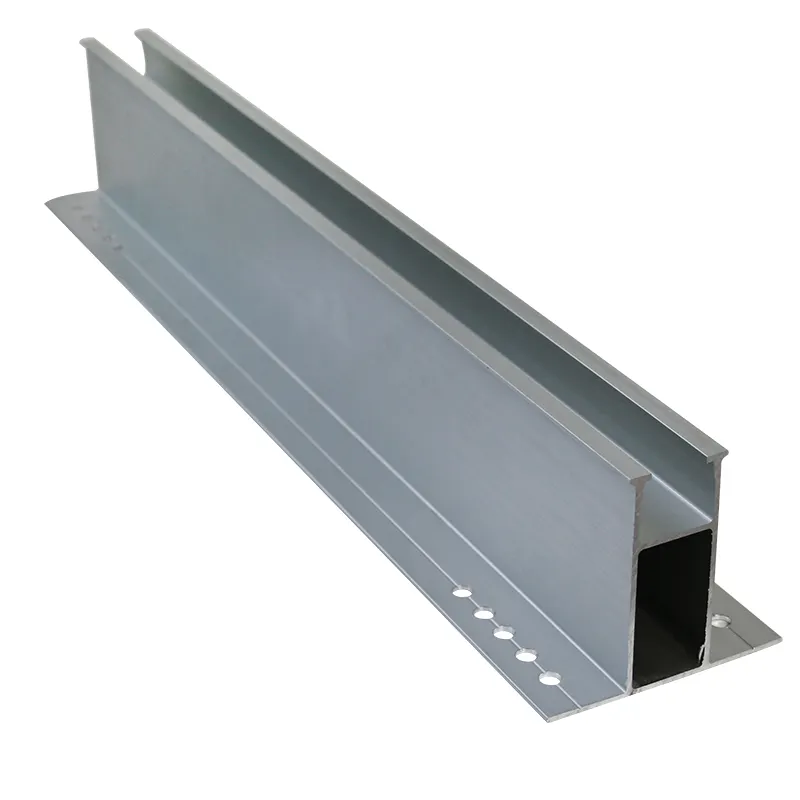
A solar mounting system is the “foundation” of any photovoltaic installation. It determines whether the entire system can operate safely for 25 years or more. For beginners new to solar, the variety of mount types and materials can be overwhelming. This article presents the 5 core knowledge points about solar mounts in the simplest way possible, helping you get started quickly.
Point 1: The Main Functions of a Solar Mount
A solar mounting system does much more than just “hold the panels in place.” It must perform the following functions:
- Structural support – resist wind loads, snow loads, and seismic forces
- Angle optimization – adjust panel tilt to maximize sunlight capture
- Safety protection – ensure the system remains secure and stable in severe weather
- Durability assurance – remain rust‑free and fully functional outdoors for 25 years
In simple terms, the mounting system is the “skeleton” of the PV system. If the skeleton is weak, the entire system is at risk.
Point 2: The Two Main Types
Solar mounting systems fall into two main categories:
| Type | Installation Location | Suitable Applications |
|---|---|---|
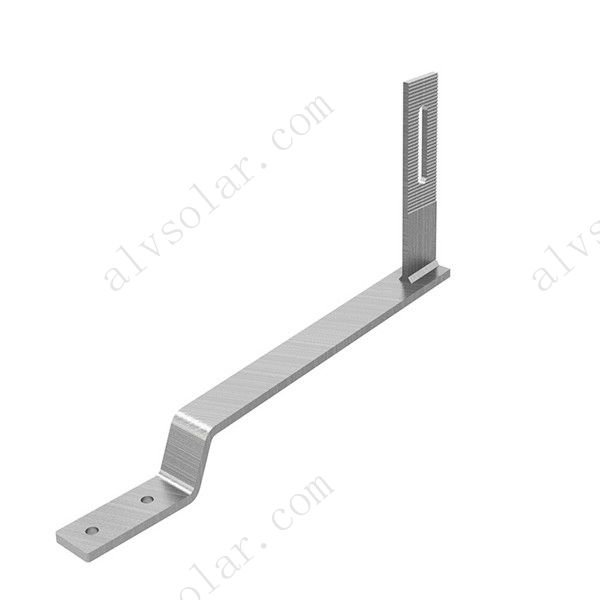
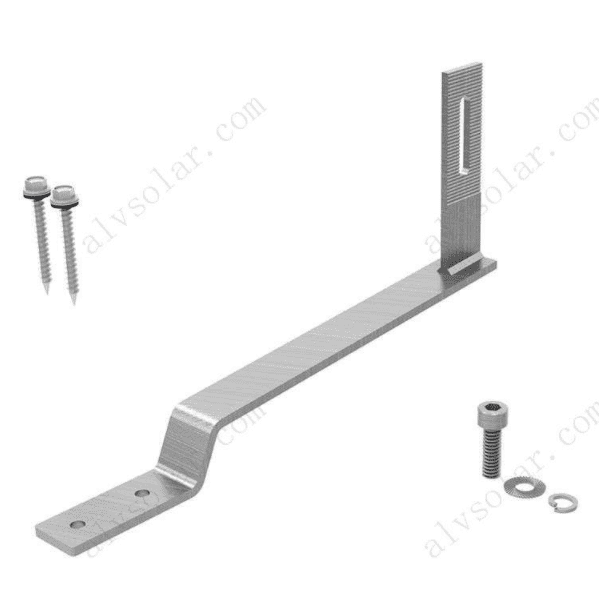
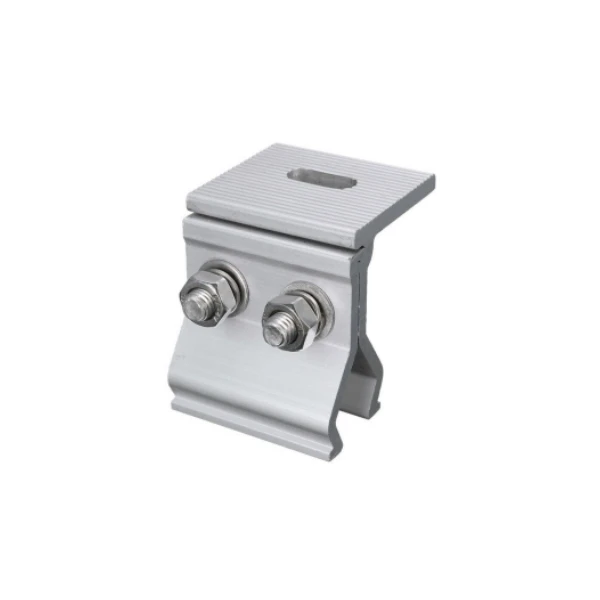
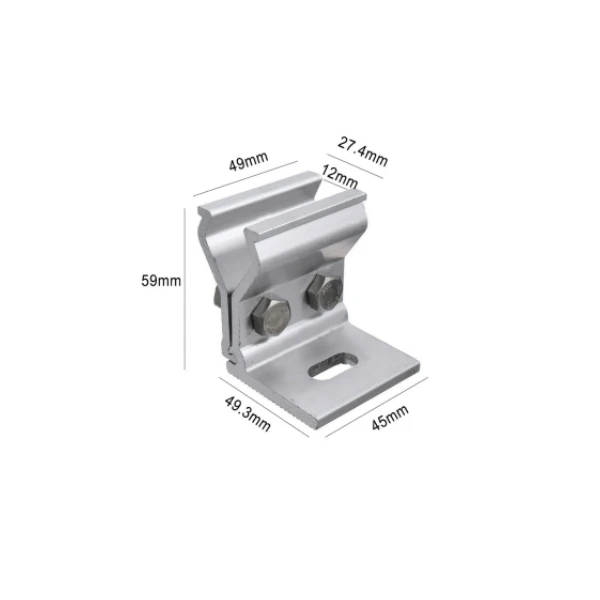
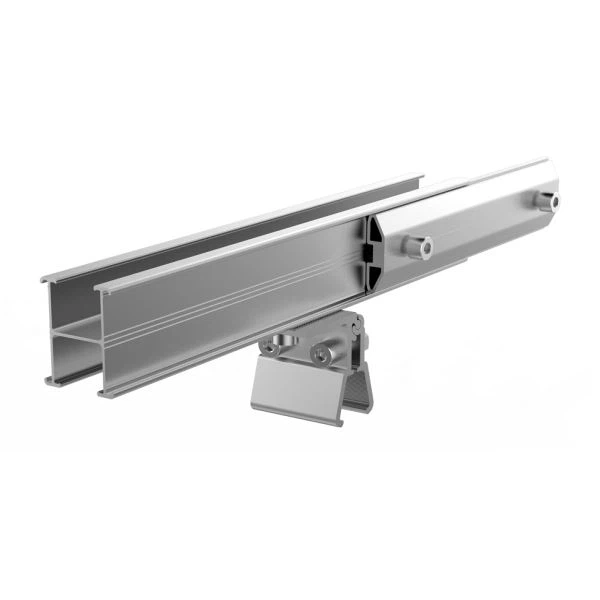
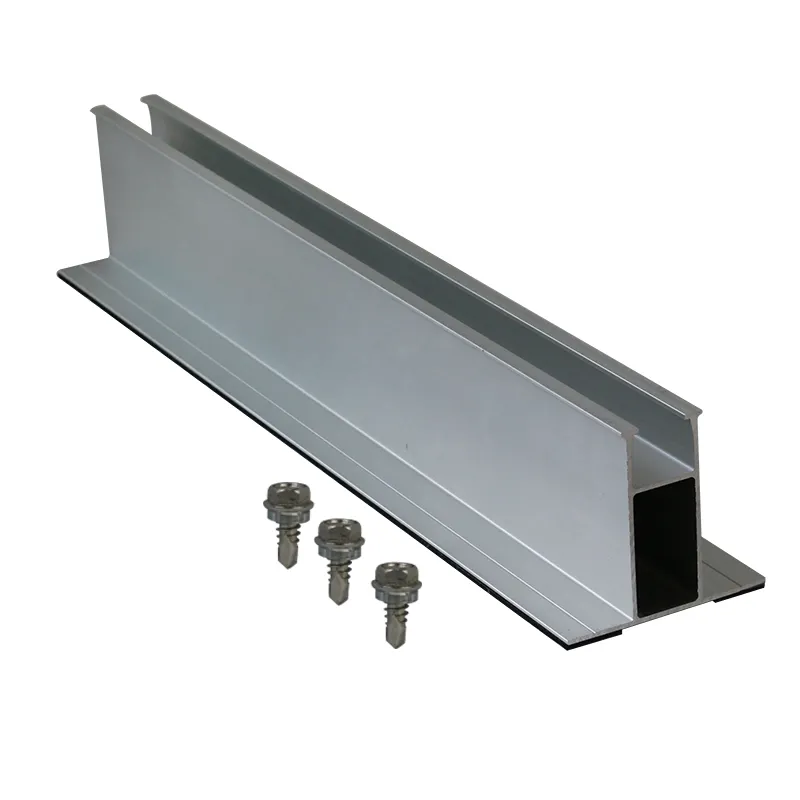
| Roof mount | Residential / industrial / commercial rooftops | Limited space, no land occupation |
| Ground mount | Open land, farms, vacant plots | Available land, higher energy yield |
Roof mounts make use of otherwise unused rooftop space, making them ideal for urban homes and commercial/industrial users. Ground mounts allow free tilt adjustment for higher efficiency and are suitable for rural areas, farms, and large‑scale solar farms.
Point 3: Three Common Materials
| Материал | Advantages | Disadvantages | Suitable Applications |
|---|---|---|---|
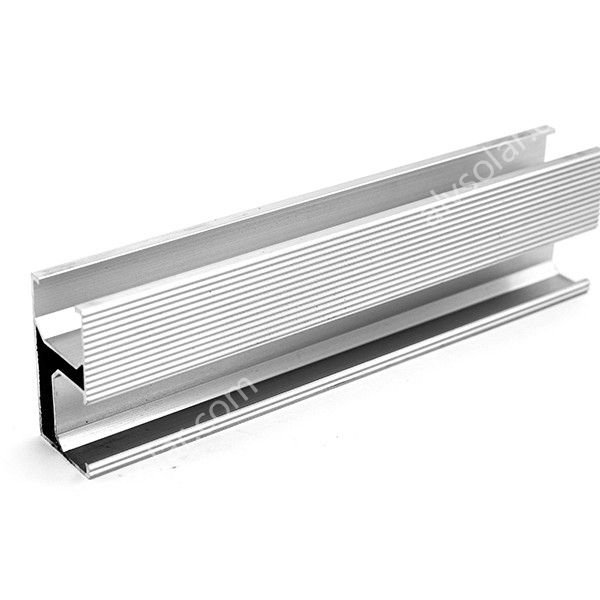
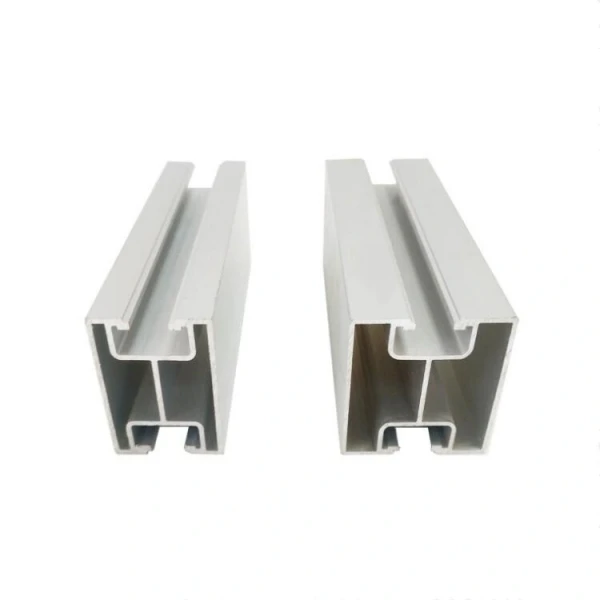
| Алюминий | Lightweight, corrosion‑resistant, attractive | Lower strength, higher cost | Roofs, coastal areas |
| Горячеоцинкованная сталь | High strength, cost‑effective | Heavy, cut edges need repair | Ground‑mount farms, large projects |
| Stainless steel | Extremely corrosion‑resistant, maintenance‑free | Most expensive, hard to work | Coastal areas, near chemical plants |
Most residential users choose aluminum, large projects choose galvanized steel, and stainless steel is used only in highly corrosive environments.
Point 4: Critical Installation Details
Mounting installation may seem simple, but these details determine success or failure:
- Bolt torque – always use a torque wrench; never tighten by feel
- Waterproofing – roof mounts require an additional waterproof layer at attachment points
- Corrosion repair – all cut edges on galvanized parts must be touched up with zinc‑rich paint
- Grounding – the entire metal mounting structure must be properly grounded
Neglecting any of these details can lead to serious problems within a few years.
Point 5: Cost Reference
Mounting costs account for about 10%–15% of the total PV system investment:
- Roof aluminum mount: approx $0.14–0.19/W
- Roof galvanized steel mount: approx $0.10–0.15/W
- Ground fixed mount: approx $0.08–0.12/W
- Tracker system: approx $0.19–0.27/W
Advice for beginners – For residential rooftops, prioritize aluminum mounts. Although slightly more expensive, they are lightweight and durable, giving you 25 years of peace of mind. For ground‑mount farms, choose hot‑dip galvanized steel – it offers the best cost‑performance.
Summary
Choosing a solar mounting system is not complicated. Remember five key words: function, type, material, installation, and cost. Compare these five dimensions one by one, and you will find the right mounting system for your project. If you have further questions, feel free to leave a comment below.