

Can My Roof Hold the Weight of Solar Panels?(2026)

Last Updated: September 21st, 2026
Author: Деви Хуанг | International Sales Team, АЛВ (E-mail address:sales@xmalv.com)
Devi Huang is part of the international sales team at ALV, a manufacturer of solar mounting systems and aluminum profiles. She works with EPC contractors, distributors, and project developers worldwide, helping customers choose the right mounting solutions based on project requirements, local standards, and budget.
How Much Weight Do Solar Panels Add to a Roof?
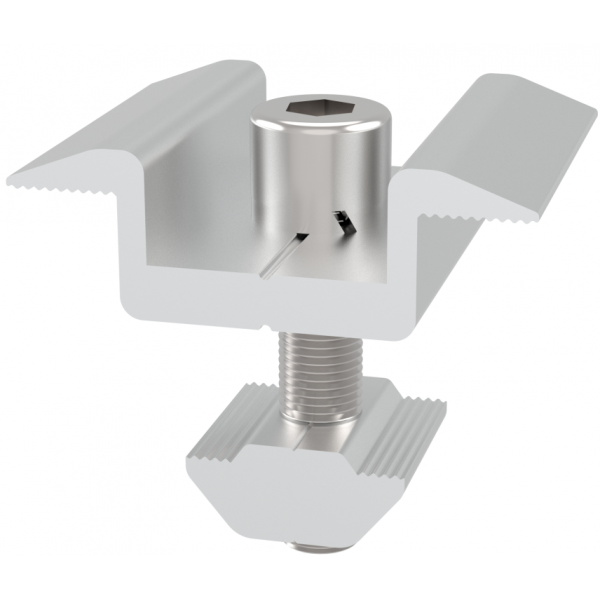
Solar panels are relatively lightweight, but the complete PV system weighs more than the modules alone. The total load includes solar panels, rails, brackets, clamps, fasteners, and, for some flat-roof systems, ballast.
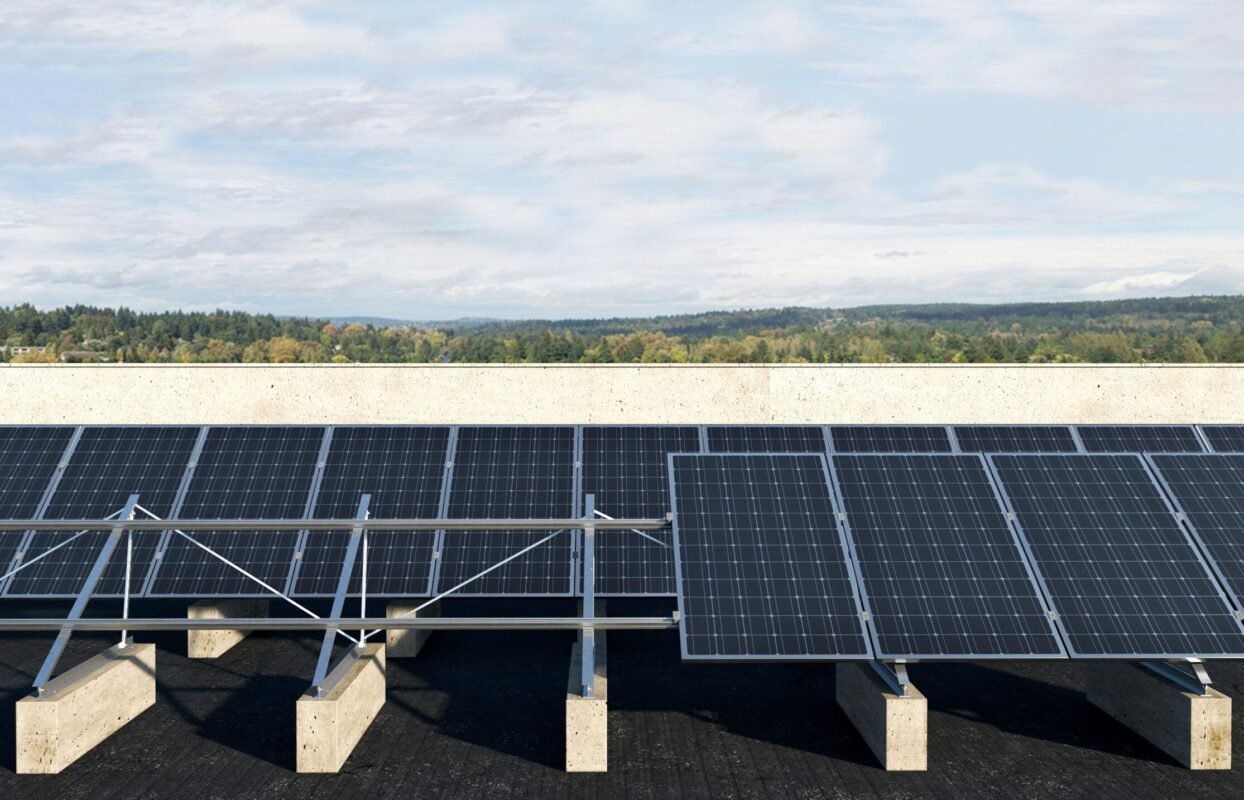
The National Renewable Energy Laboratory (NREL) estimates that a typical rooftop PV system on a pitched roof adds approximately 3 lb/ft² (14.6 kg/m²). Ballasted systems on flat roofs typically add approximately 4–6 lb/ft² (19.5–29.3 kg/m²), although the actual load varies according to the mounting design and site conditions.
| Rooftop PV Configuration | Typical Additional Load | Approx. Metric Equivalent |
| Pitched roof PV system | ~3 lb/ft² | ~14.6 kg/m² |
| Ballasted flat roof | ~4–6 lb/ft² | ~19.5–29.3 kg/m² |
| Heavy ballast design | Project-specific | Project-specific |
These figures are useful reference values, not universal roof capacity limits. Whether a particular roof can safely support solar depends on its structural system, existing loads, local weather conditions, and how the mounting system transfers forces into the building.
What Determines Whether Your Roof Can Support Solar Panels?
1. Roof Structure
The most important factor is the roof’s structural capacity.
Residential roofs may use wood rafters or trusses, while commercial buildings can use steel purlins, metal decking, concrete decks, or other structural systems. The same solar array can have very different structural implications depending on the building.
A roof should therefore be evaluated based on its actual framing rather than simply comparing the weight of the panels with an assumed roof capacity.
NREL recommends evaluating rooftop PV installations in relation to the existing roof structure and considering additional PV loads together with other applicable structural loads.
2. Existing Roof Condition
A structurally adequate roof may still be unsuitable for solar if it is already deteriorated.
Look for signs such as water damage, rot, corrosion, cracked structural members, sagging, loose fasteners, or deterioration around previous penetrations. A roof nearing the end of its service life may also be a poor candidate for immediate PV installation.
NREL identifies roof age and condition as important considerations when evaluating rooftop PV projects.
Because a solar PV system is commonly expected to operate for decades, ALV recommends evaluating the remaining roof life before finalizing the mounting system. Replacing a roof after solar installation can require temporary removal and reinstallation of the PV array.
3. Snow Load
In cold or snowy regions, snow can impose a much greater structural load than the solar equipment itself.
The actual design snow load depends on location, elevation, roof geometry, exposure, thermal conditions, and local building requirements. Solar panels can also affect how snow accumulates and slides across the roof.
In the United States, ASCE/SEI 7-22 provides requirements and procedures for determining structural loads, including dead, live, snow, wind, and other environmental loads.
Therefore, a roof that appears capable of supporting the PV system under normal conditions may require additional analysis in a region with significant snow loads.
4. Wind and Uplift
Solar mounting design is not only about weight.
A solar array can change the aerodynamic behavior of a roof and experience wind uplift. These forces are transferred from the PV modules through clamps, rails, brackets, fasteners, and ultimately into the building structure.
ASCE/SEI 7-22 includes provisions relevant to rooftop solar panel wind loading and structural design.
For this reason, the mounting system should be designed according to the project’s design wind speed, roof height, roof geometry, array location, panel orientation, attachment method, and edge distances.
Does Roof Type Affect Solar Mounting Requirements?
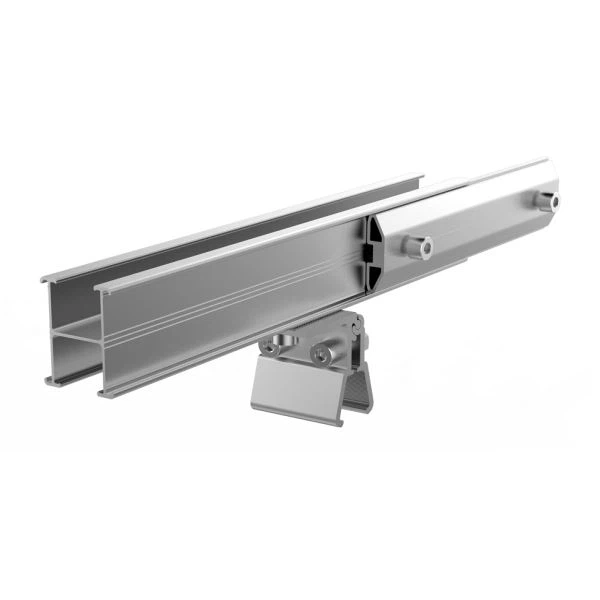
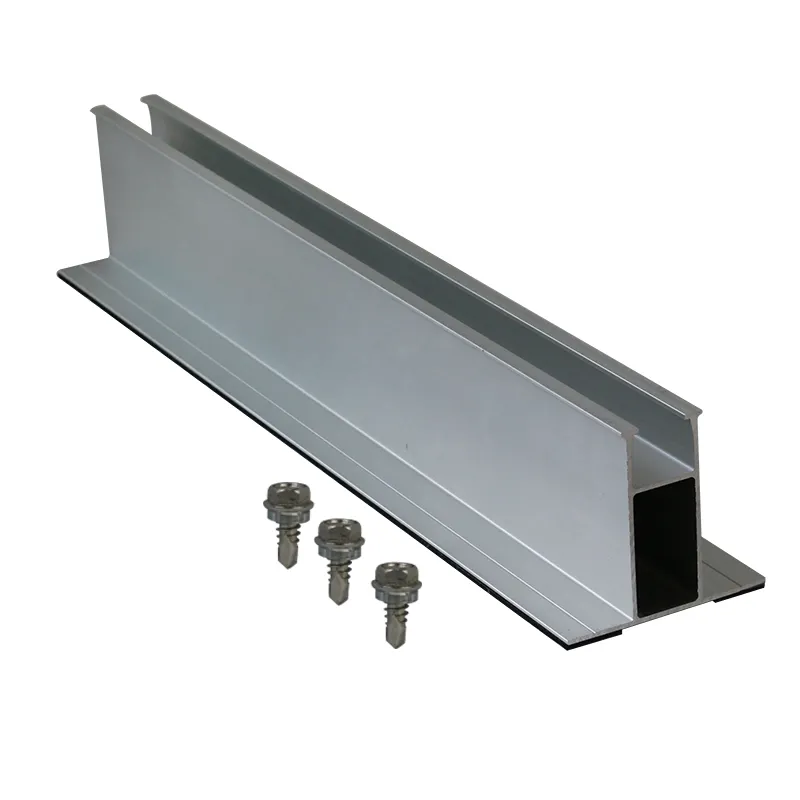
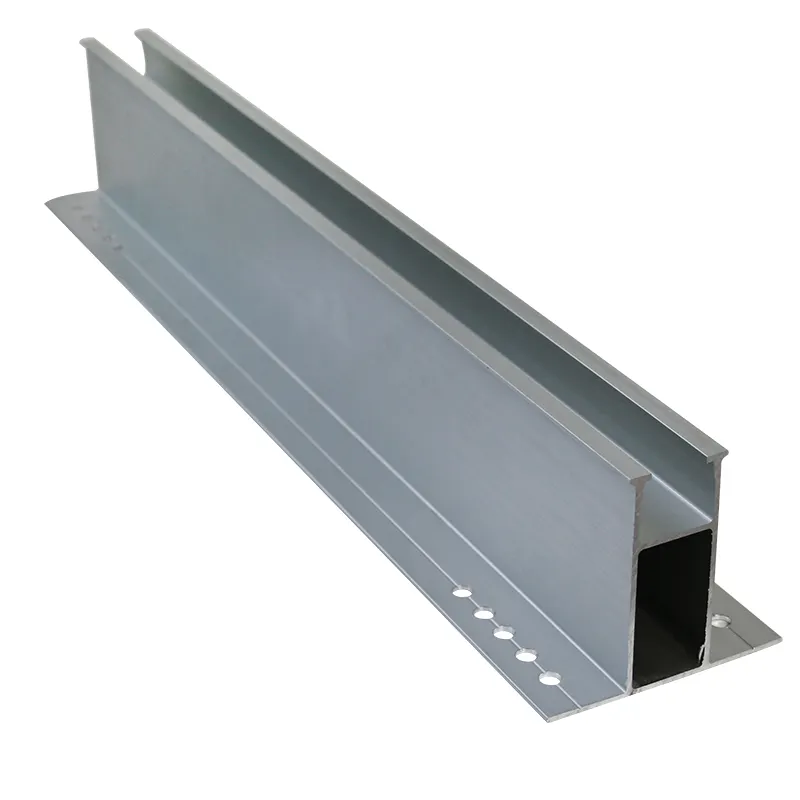
Yes. The roof type determines how the PV mounting system connects to the building and how loads are transferred.
| Roof Type | Common Solar Mounting Approach | Key Consideration |
| Asphalt shingle | Rail + roof attachments | Rafter/truss connection |
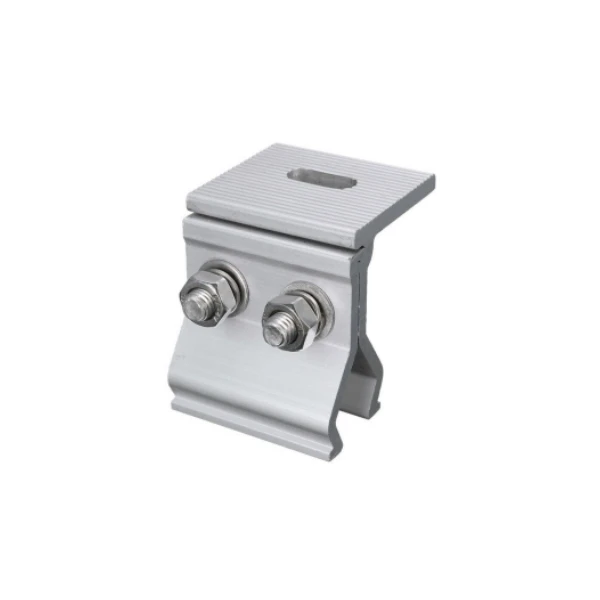
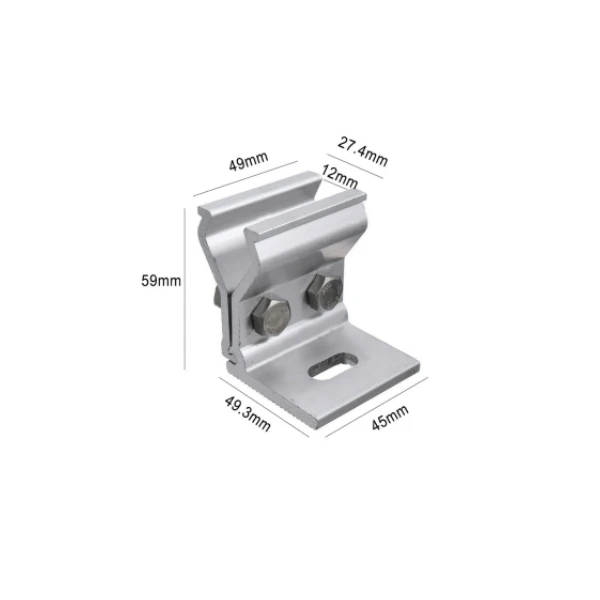
| Standing seam metal | Seam clamps | Seam and clamp capacity |
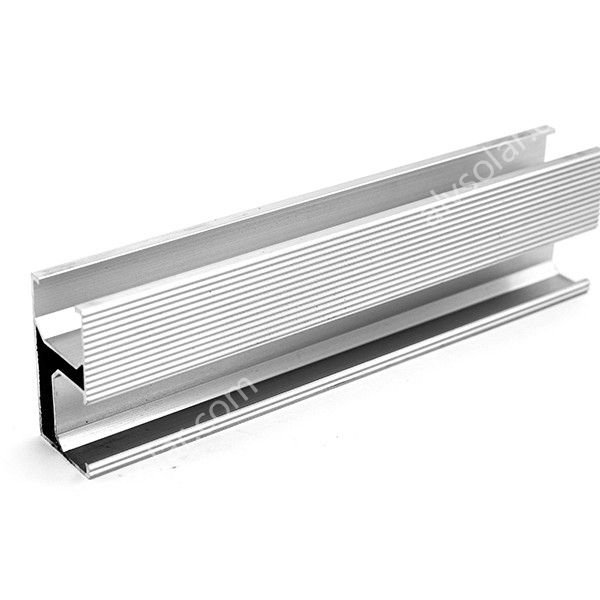
| Corrugated metal | Rails + structural fasteners | Purlin/deck connection |
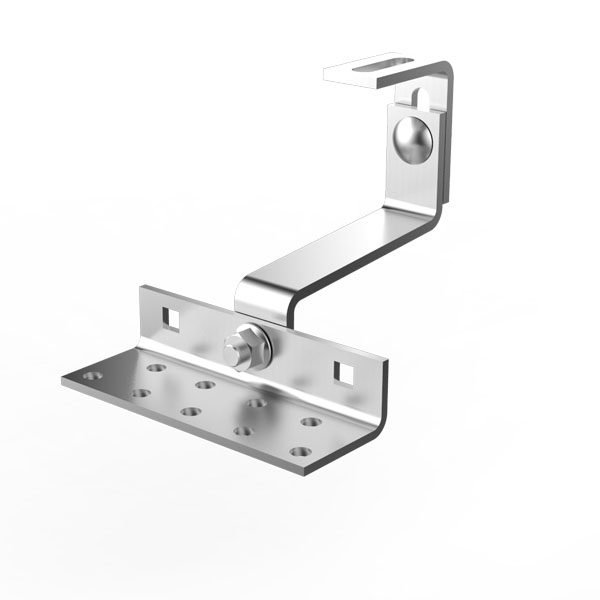
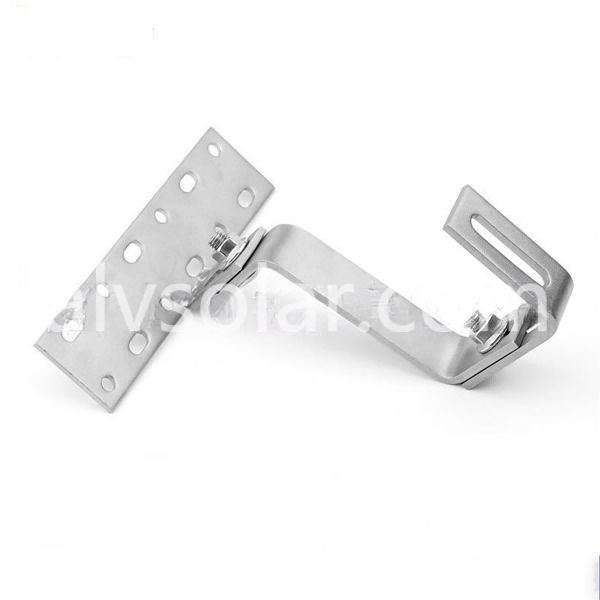
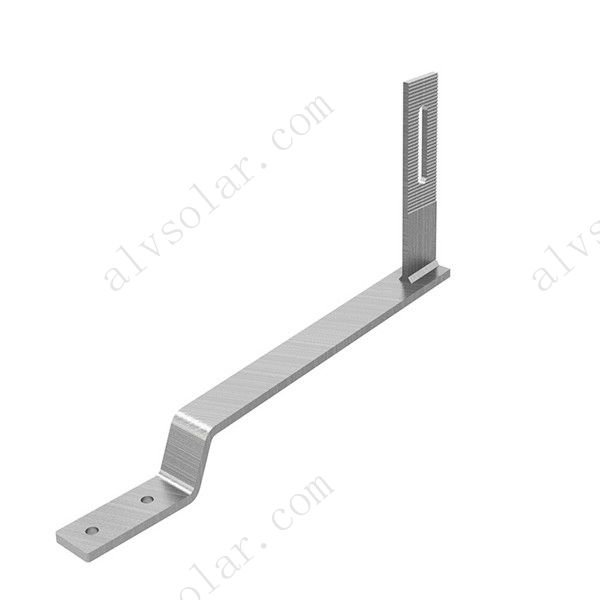
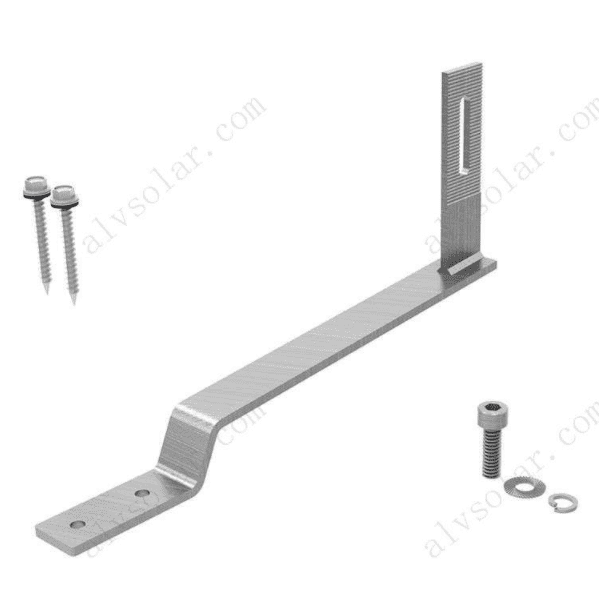
| Tile roof | Tile hooks + rails | Rafter location and tile protection |
| Flat membrane | Ballasted or mechanically attached | Ballast and uplift |
| Concrete roof | Anchored or ballast-based | Deck/concrete capacity |
The important issue is not simply the average weight per square meter. Load concentration and load-transfer paths matter.
For example, a mounting bracket may transfer forces to a relatively small section of a rafter or purlin. A roof may therefore have adequate overall capacity while requiring attention to localized loads at individual attachment points.
This is why ALV designs mounting solutions around the actual roof structure and attachment method, rather than treating every rooftop as the same.
Is Aluminum or Steel Better for Rooftop Solar?
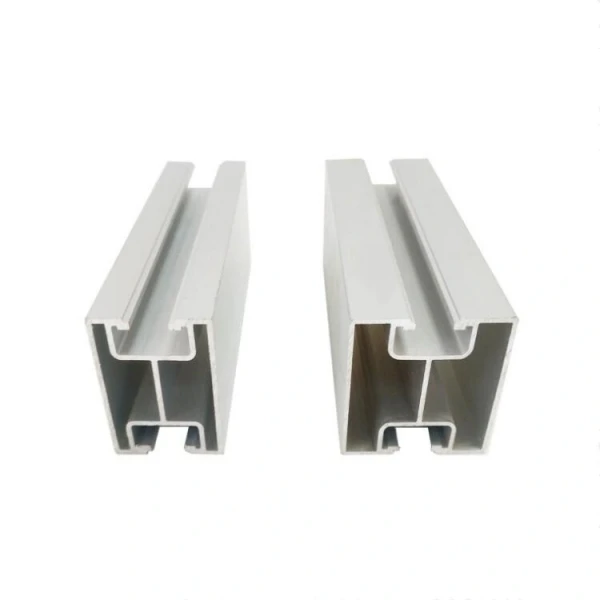
Both aluminum and steel can be suitable for solar mounting. The better material depends on the roof structure, required span, environmental conditions, structural loads, and installation method.
| Factor | Aluminum Mounting | Steel Mounting |
| Масса | Lightweight | Generally heavier |
| Коррозионная стойкость | Naturally corrosion-resistant | Requires appropriate protection |
| Installation handling | Easier in many rooftop applications | Generally heavier to handle |
| Structural applications | Suitable with engineered profiles | Suitable for high-load applications |
| Coastal environments | Often advantageous | Requires suitable corrosion protection |
| Typical rooftop use | Residential and commercial | Heavy-duty and structural applications |
A lighter system does not automatically mean a weaker system. Structural performance depends on material grade, profile geometry, span, connection design, fasteners, and applied loads.
ALV offers aluminum and steel mounting solutions so the material can be selected according to the project’s technical requirements rather than simply choosing the lightest option.
How Can I Check if My Roof Is Strong Enough?
Before ordering a solar mounting system, collect the following information:
| Information | Why It Matters |
| Roof type | Determines mounting method |
| Roof structure | Identifies load-bearing members |
| Roof age | Helps evaluate remaining service life |
| Roof condition | Identifies potential structural problems |
| Roof slope | Affects mounting configuration |
| Project location | Determines environmental loads |
| Design wind speed | Determines uplift requirements |
| Snow load | Determines additional structural loading |
| Solar module model | Provides module dimensions and weight |
| Module quantity | Determines total PV system size |
| Panel layout | Determines attachment locations |
| Roof drawings/photos | Helps develop the mounting solution |
For larger commercial projects, older buildings, high-wind locations, heavy-snow regions, or roofs with uncertain structural capacity, a qualified structural engineer should review the roof.
Он International Building Code (IBC) also addresses structural requirements for rooftop photovoltaic systems, including PV equipment, ballast, concentrated loads, and applicable roof loads.
Can Solar Panels Damage My Roof?
Solar panels do not inherently damage a properly designed roof. Most problems result from incorrect installation, unsuitable attachments, poor waterproofing, excessive concentrated loads, incompatible fasteners, or installing on a roof that is already deteriorated.
The mounting system should be compatible with the roofing material and building structure. Flashing, waterproofing, attachment locations, and fastener selection are particularly important for penetrative systems.
NREL recommends considering the condition and characteristics of the roof when installing PV and evaluating the interaction between the PV system and roofing system.
At АЛВ, the goal is not simply to supply rails and clamps. The complete mounting solution should provide an appropriate load path from the solar modules to the building structure while meeting the project’s environmental and installation requirements.
What Should You Do Before Installing Solar Panels?
If you are asking, “Can my roof hold the weight of solar panels?”, do not make the decision based only on panel weight.
Start by identifying the roof structure, condition, existing loads, local wind conditions, and snow requirements. Then determine how the proposed mounting system will transfer both vertical and horizontal forces into the building.
For reference, NREL reports approximately 3 lb/ft² (14.6 kg/m²) for a typical pitched-roof PV system and approximately 4–6 lb/ft² (19.5–29.3 kg/m²) for many ballasted flat-roof systems. The final design, however, must be based on project-specific conditions.
If you are sourcing a mounting system, provide your supplier with the project location, roof drawings or photos, roof type, module model, module quantity, roof slope, design wind speed, and snow load.
With this information, ALV can help evaluate the appropriate mounting configuration and prepare a project-specific quotation.
Часто задаваемые вопросы
1. How much weight do solar panels add to a roof?
A typical pitched-roof PV system adds approximately 3 lb/ft² (14.6 kg/m²), while ballasted flat-roof systems can add approximately 4–6 lb/ft² (19.5–29.3 kg/m²) or more depending on the design.
2. Can an old roof support solar panels?
Yes, an older roof may still support solar panels if its structure and condition are adequate. However, roof age, deterioration, existing loads, and remaining service life should be evaluated before installation.
3. Do I need a structural engineer for rooftop solar?
Not every project requires the same level of structural review. However, professional structural evaluation is strongly recommended for commercial buildings, older roofs, high-wind locations, heavy-snow regions, or projects where structural capacity is uncertain.
4. Are aluminum solar mounts lighter than steel?
Generally, aluminum components are lighter than comparable steel components. However, the strength and suitability of a mounting system depend on material properties, profile design, span, connections, and project loads.
5. Does snow affect rooftop solar mounting?
Yes. Snow can create significant additional roof loads. The applicable design snow load should be determined according to the local building code and project location. ASCE/SEI 7 provides procedures for determining snow loads in the United States.
6. Can solar mounting damage my roof?
A properly designed and installed mounting system should not inherently damage a sound roof. Correct attachment, flashing, waterproofing, fasteners, and installation practices are essential.
7. What is the best mounting system for my roof?
There is no single mounting system that is best for every roof. The correct solution depends on roof type, structural configuration, module specifications, wind and snow loads, and the desired installation method.
8. What information does АЛВ need for a quotation?
ALV can prepare a more accurate preliminary solution and quotation if you provide roof drawings or photos, project location, roof type, solar panel model and dimensions, panel quantity, roof slope, design wind speed, snow load, and panel layout.
Need Help Checking Your Solar Mounting Requirements?
Not sure whether your roof can safely accommodate a solar array?
Send your roof drawings or photos, project location, panel specifications, and estimated quantity to ALV. Our solar mounting team can help you identify a suitable mounting configuration and prepare a project-specific quotation.
АЛВ — Solar Mounting Solutions for Rooftop, Ground-Mount and Commercial PV Projects.
Can My Roof Hold the Weight of Solar Panels?(2026)
E-mail address:sales@xmalv.com