

Защита от коррозии и долговечность креплений для солнечных батарей – как обеспечить 25 лет надежной работы.

Introduction
Solar mounting systems must operate outdoors for 25 years or more, enduring wind, rain, sun, salt spray, acid rain, and various corrosive challenges. The quality of corrosion protection directly determines the system’s service life and safety. This article provides an in‑depth analysis of corrosion protection principles, common problems, and key purchasing considerations to help you select truly durable mounting products.
1. Main Causes of Corrosion in Solar Mounts
Corrosion is a gradual process, influenced by the following factors:
1. Atmospheric Corrosion
Oxygen and moisture in the air create electrochemical corrosion on metal surfaces. This is the most common form of corrosion, especially severe in humid environments.
2. Salt Spray Corrosion
In coastal areas, salt carried by sea winds deposits on mount surfaces. Chloride ions break down the metal’s passive film, accelerating corrosion. The closer to the shoreline, the faster the corrosion rate.
3. Industrial Pollution
Acidic gases such as sulfur dioxide and nitrogen oxides in industrial areas form acidic deposits that chemically corrode metal mounts.
4. Galvanic Corrosion
When dissimilar metals (e.g., aluminum and steel) are in direct contact in the presence of an electrolyte, a galvanic cell is formed, accelerating corrosion of the more active metal.
5. Mechanical Damage
Scratches and impact damage during transport and installation break the protective coating, creating corrosion initiation points.
2. Comparison of Main Corrosion Protection Methods
| Protection Method | Principle | Служба жизни | Cost | Suitable Applications |
|---|---|---|---|---|
| Hot‑dip galvanizing | Zinc‑iron alloy layer formed by dipping steel in molten zinc | 25–40 years | Medium | General steel mounts |
| Electro‑galvanizing (cold) | Thin zinc layer electrodeposited | 3–5 years | Low | Not recommended for outdoor use |
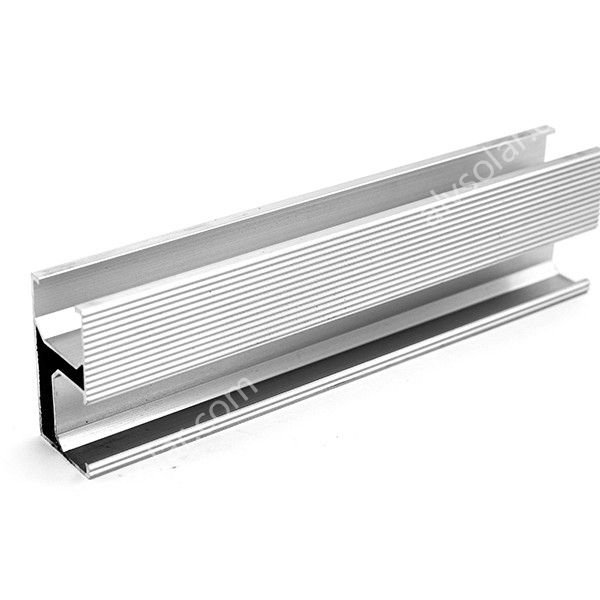
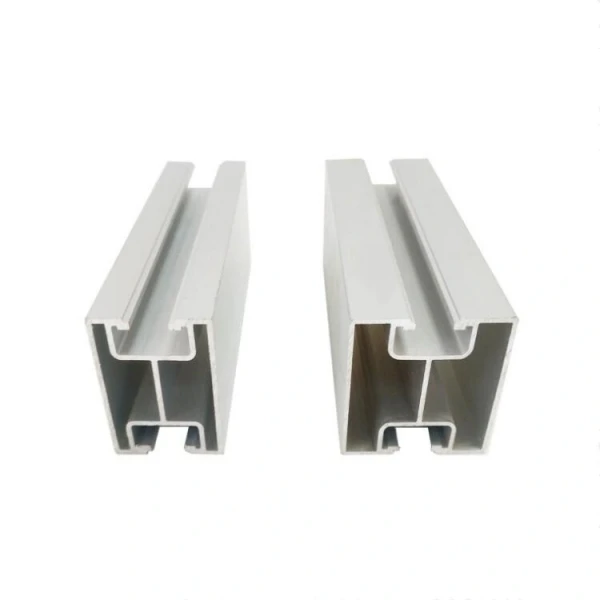
| Aluminum natural oxidation | Aluminum oxide film forms on surface | 25–30 years | Higher | Aluminum mounts |
| Anodizing | Artificially thickened oxide film | 30+ years | Higher | High‑corrosion environments |
| Powder coating | Organic coating applied over metal | 10–15 years | Medium | Supplementary protection |
| Stainless steel | Chromium forms passive film | 50+ years | High | Extreme corrosive environments |
3. Hot‑Dip Galvanizing in Detail
Hot‑dip galvanizing is the most common corrosion protection for steel mounts. Its quality depends on three key parameters:
1. Zinc Coating Thickness
- Chinese national standard (GB/T 13912) : ≥65μm (for PV mounts)
- Premium standard: ≥85μm (coastal or industrial areas)
- Inspection method: spot check with a coating thickness gauge, at least 10 measurement points per batch
2. Coating Adhesion
- A qualified coating should not flake off in bend tests
- Cross‑cut test should achieve Grade 1
3. Surface Quality
- Surface should be smooth, with no uncoated areas or zinc nodules
- Color should be uniformly silver‑gray or dark gray
4. Critical Details in Corrosion‑Resistant Design
1. Avoid Direct Contact Between Dissimilar Metals
Insulating gaskets (nylon or EPDM rubber) must be used between aluminum and steel. Otherwise, galvanic corrosion will accelerate aluminum consumption.
2. All Cut Edges Must Be Repaired
Any field‑cut galvanized surfaces must be touched up with zinc‑rich paint, with the coating extending at least 20mm beyond the cut edge.
3. Corrosion Protection for Bolts and Washers
Fasteners should be hot‑dip galvanized or stainless steel. Ordinary zinc‑plated bolts should be avoided as they rust quickly.
4. Sealing at Joints
Gaps at mount connections should be filled with weather‑resistant sealant to prevent moisture ingress and crevice corrosion.
5. How to Evaluate Corrosion Protection Quality When Purchasing
When buying mounts, request and review the following documents:
| Document | Key Content |
|---|---|
| Material certificate | Steel grade, chemical composition |
| Galvanizing test report | Coating thickness, adhesion test results |
| Salt spray test report | Test duration and rating |
| Warranty certificate | Corrosion warranty period (≥10 years) |
6. Corrosion Protection During Installation and Maintenance
Installation Phase
- Handle carefully to avoid mechanical damage to the galvanized coating
- Repair all cut edges promptly
- Use insulating gaskets at dissimilar metal contact points
Maintenance Phase
- Inspect for rust every six months
- Remove rust and touch up paint as soon as spots are found
- Keep mounts free of dust and debris (accumulated dust absorbs moisture and accelerates corrosion)
7. Corrosion Protection Recommendations by Environment
| Environment Type | Recommended Solution | Expected Life |
|---|---|---|
| Inland dry area | Hot‑dip galvanized 65μm | 30+ years |
| Inland humid area | Hot‑dip galvanized 75μm | 25–30 years |
| Industrial pollution area | Hot‑dip galvanized 85μm + powder coating | 25+ years |
| Coastal 1–5km | Hot‑dip galvanized 85μm + epoxy coating | 25+ years |
| Coastal <1km | Aluminum or 316L stainless steel | 25–30 years |
| Near chemical plants | 316L stainless steel | 30+ years |
Summary
Corrosion protection for solar mounts is a systematic process – every step matters, from material selection and galvanizing quality to design details and installation practices. Don’t focus solely on price when purchasing; pay close attention to corrosion protection quality. Remember this: money saved on the mounting system will come back many times over in repair costs. Choosing properly protected mounts is the real guarantee of a 25‑year service life for your PV system.