

Будущее коммерческих солнечных электростанций на крышах: почему передовые системы крепления солнечных панелей важны в 2026 году

What’s the solar panel mounting systems Matter?
As the global transition toward renewable energy accelerates, commercial and industrial (C&I) property owners are increasingly looking at photovoltaic investments to reduce operational expenditures and achieve corporate sustainability goals. However, the success of any commercial PV project relies heavily on a component that is often overlooked until installation begins: solar panel mounting systems. Moving into 2026, industry standards have shifted from mere installation volume to long-term structural reliability, lifecycle performance, and optimized balance-of-system (BOS) costs.
The Evolution of Commercial Mounting Technology for Solar Panel Mounting Systems Matter
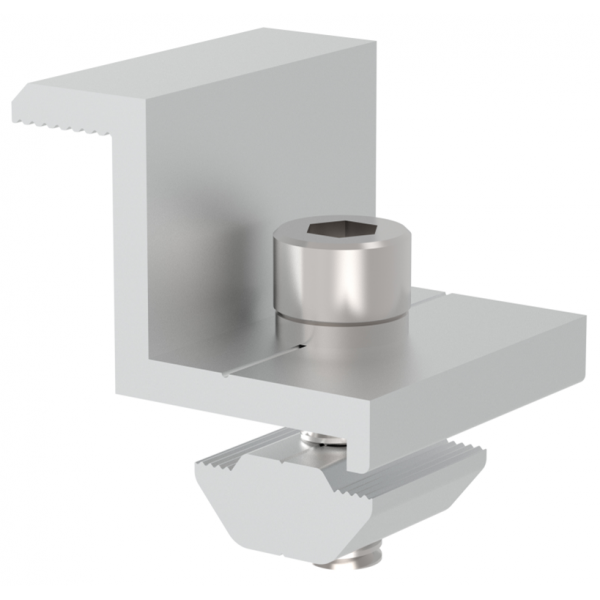
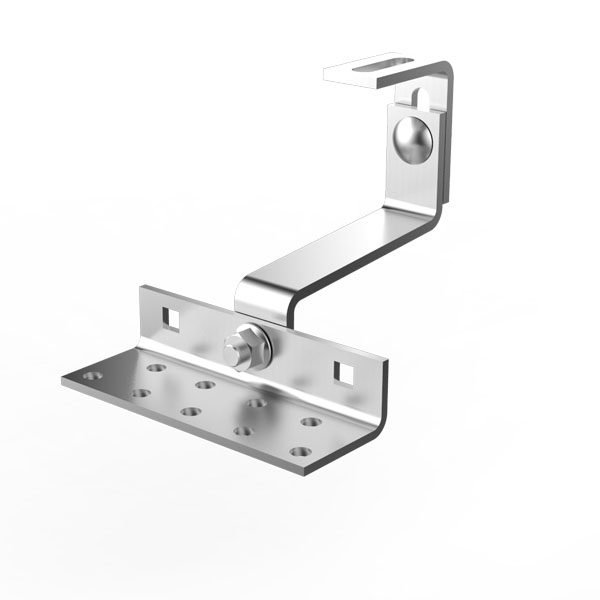
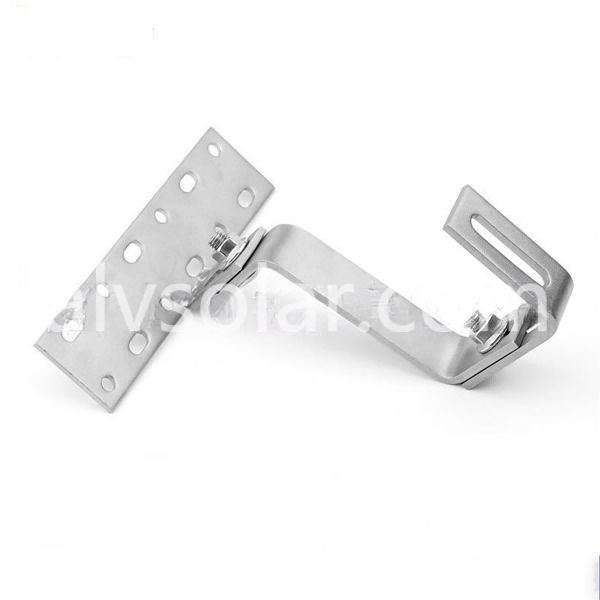
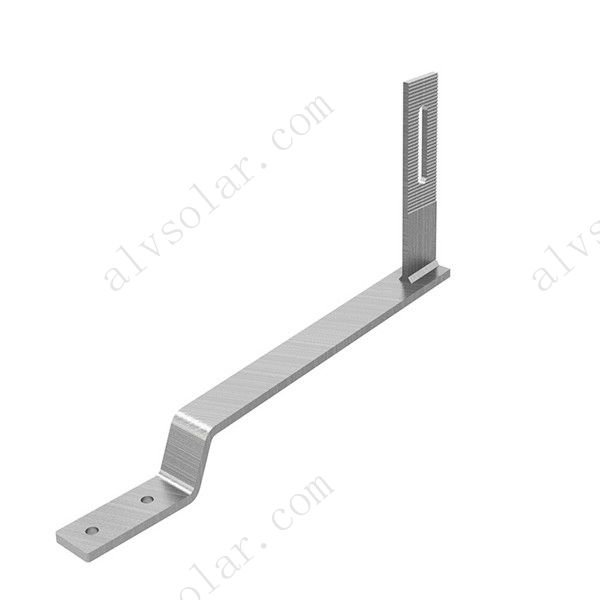
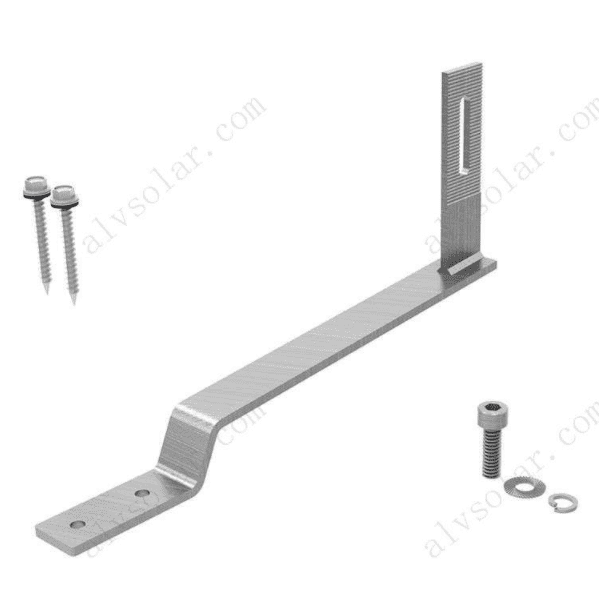
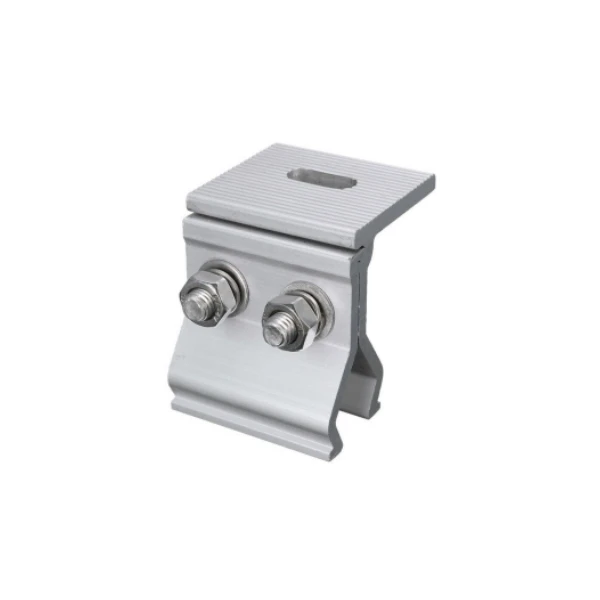
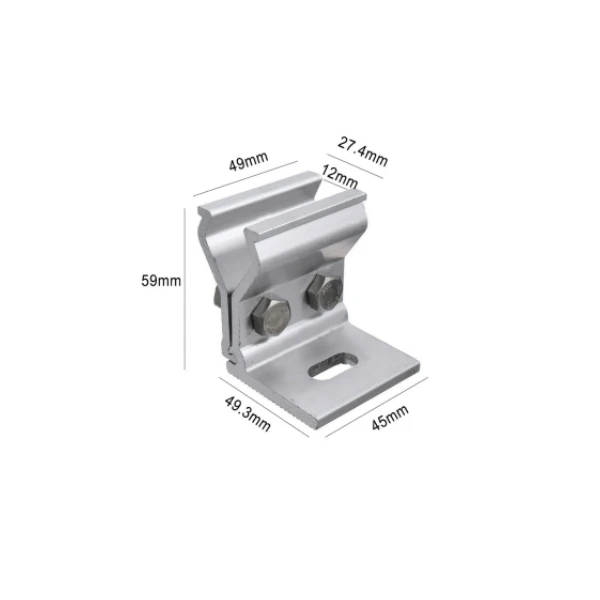
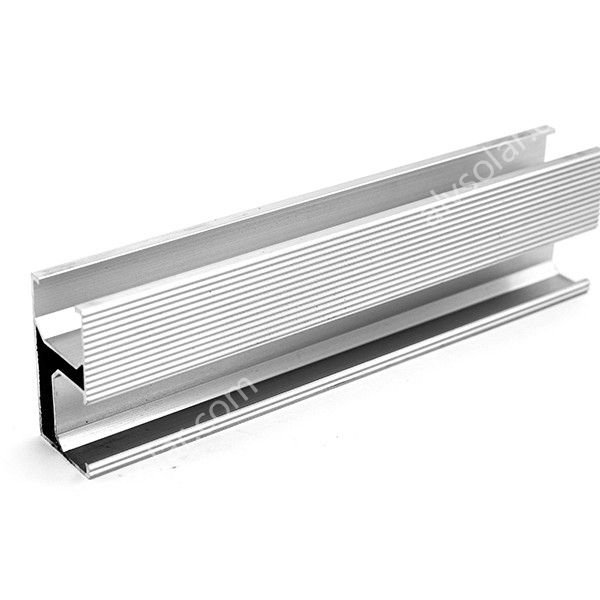
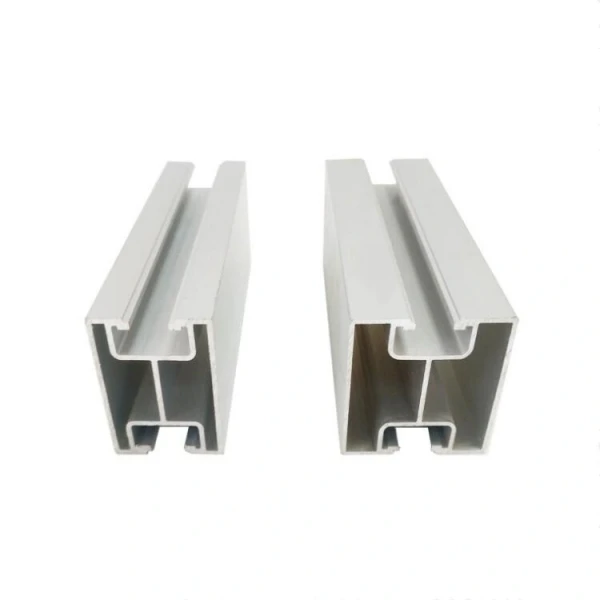
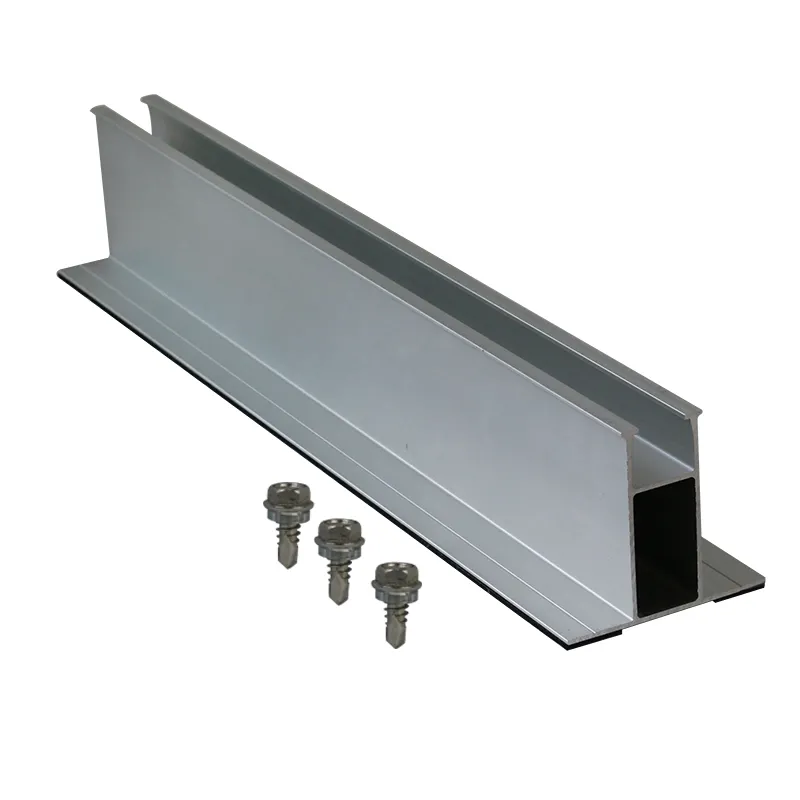
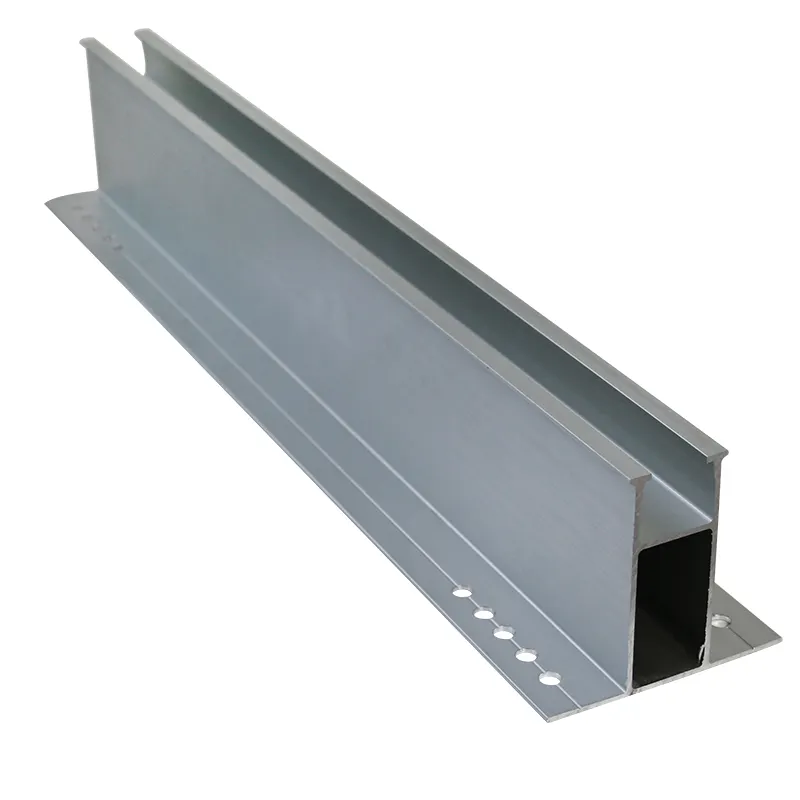
Modern commercial rooftops present diverse structural challenges. Whether dealing with flat concrete roofs, standing seam metal roofs, or corrugated surfaces, modern rooftop solar mounting brackets must provide exceptional adaptability without compromising the integrity of the building’s waterproofing layer.
In 2026, the rise of ultra-large photovoltaic modules has transformed engineering requirements. Larger modules mean increased wind-uplift pressures and heavier dead loads. Consequently, leading manufacturers of solar mounting structures have introduced high-strength anodized aluminum alloys and zinc-aluminum-magnesium coated steels. These advanced materials offer superior corrosion resistance, ensuring that commercial installations withstand harsh coastal environments, heavy snow loads, and extreme temperature fluctuations.
Key Benefits of Modular Solar Panel Mounting Systems
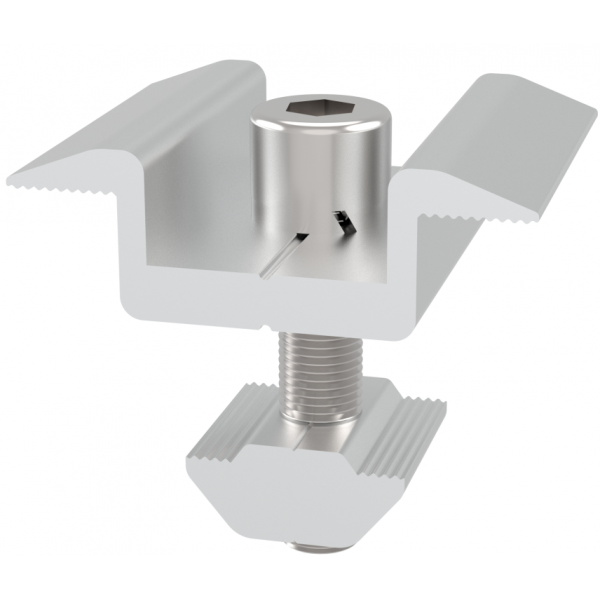
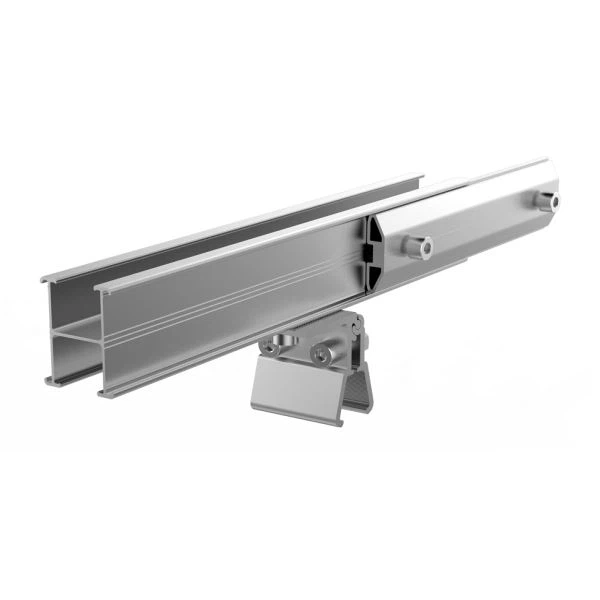
Project developers and EPC contractors operate under tight construction schedules. To minimize labor costs and on-site delays, the market heavily favors modular solar panel mounting systems featuring pre-assembled components and quick-lock clamps.
- Сокращенное время установки: Pre-configured components and fewer loose bolts can cut on-site installation labor hours by up to 40%.
- Enhanced Structural Safety: Rigorous wind-tunnel testing and compliance with international standards (such as AS/NZS 1170 and IBC) guarantee long-term asset protection.
- Optimized Tilt Angles: Customized tilt configurations maximize annual solar energy yield, translating to a faster return on investment (ROI).
Making the Right Choice for Your C&I Project
When selecting solar mounting structures for commercial facilities, asset owners must evaluate lifecycle performance over upfront material costs. Partnering with a professional manufacturer that provides tailored engineering support, precise wind-load analysis, and custom-designed solar panel mounting systems ensures project bankability and enduring energy generation.