

Systemic Integration of High-Efficiency N-Type Modules and Customized Rooftop Racking: The New Leap for Distributed Solar in 2026

As global demands for grid parity and Levelized Cost of Electricity (LCOE) reduction become increasingly stringent, a distinct interconnected trend is emerging in the 2026 distributed solar market: the industry is no longer merely satisfied with a standalone power breakthrough in PV modules. Instead, it now demands a “systemic integration” and overall structural safety between PV modules and rooftop mounting systems.
In distributed solar projects—particularly commercial, industrial, and premium residential rooftops—the PV modules are regarded as the “heart” of the system, while the mounting structure acts as the “skeleton” supporting it all. In recent years, with the popularization of large-format, high-power solar cells such as N-type TOPCon and Heterojunction (HJT), both the surface area and weight per module have increased. When these high-efficiency modules are exposed to the outdoors, they face more complex environmental factors, introducing exceptionally rigid challenges to traditional rooftop load capacities, wind resistance, and waterproofing integrity.
Past industry case studies frequently reveal a common blind spot: “overemphasizing the modules while neglecting the racks.” Projects utilizing substandard or non-standardized steel structures have suffered catastrophic financial losses when hit by extreme typhoons, heavy rain, or severe snowfalls, causing modules to detach or roofs to collapse.
To thoroughly solve this industry pain point, ALV Solar introduces its matrix-style integrated solution: “High-Efficiency Modules + High-Strength Aluminum Racking.” On the module side, ALV utilizes state-of-the-art automated production lines. Both our All-Black series and high-power modules undergo double EL (Electroluminescence) testing to guarantee zero micro-cracks and zero defects upon leaving the factory, maintaining a first-year degradation rate strictly under 1%.
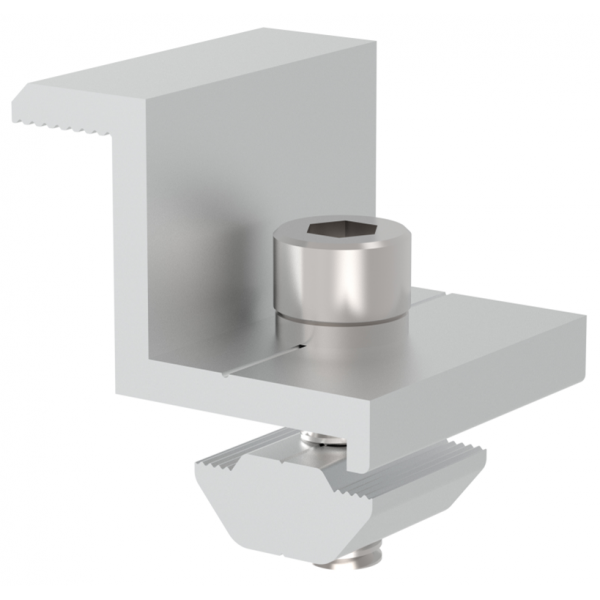
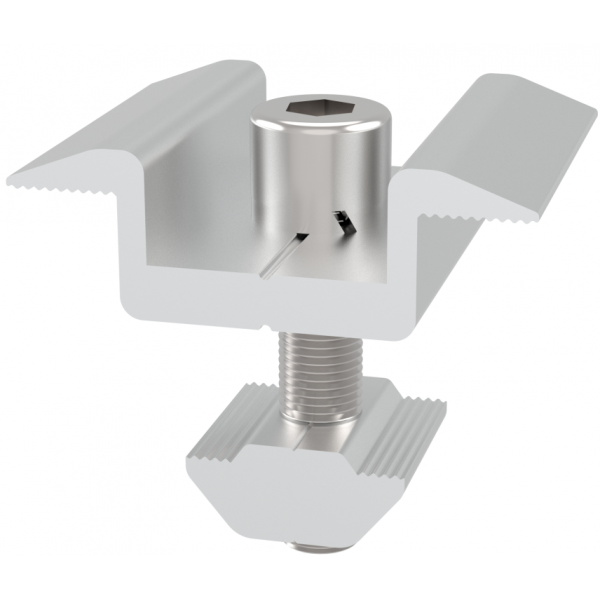
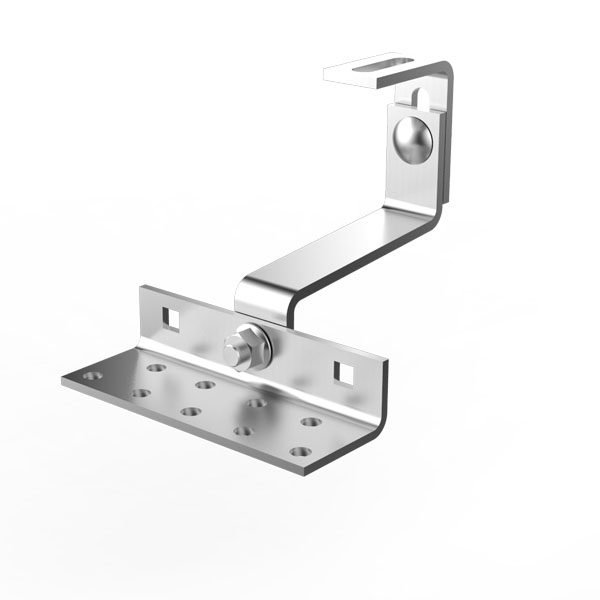
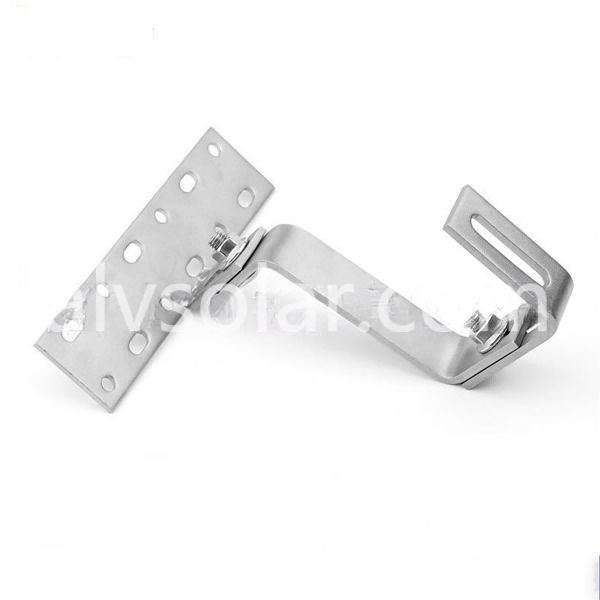
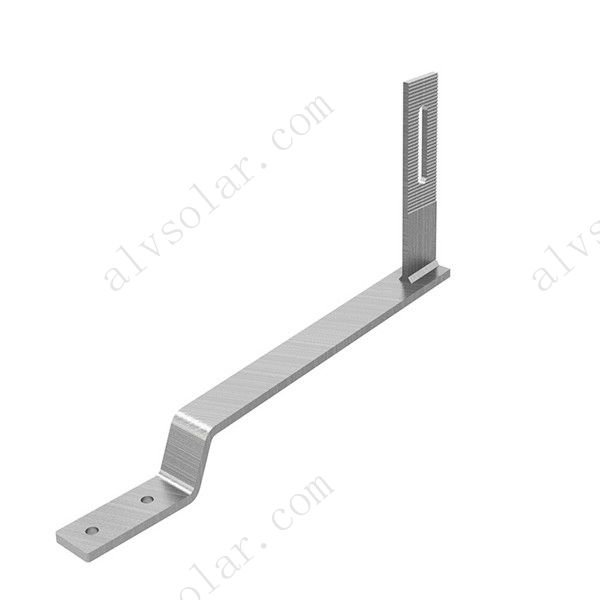
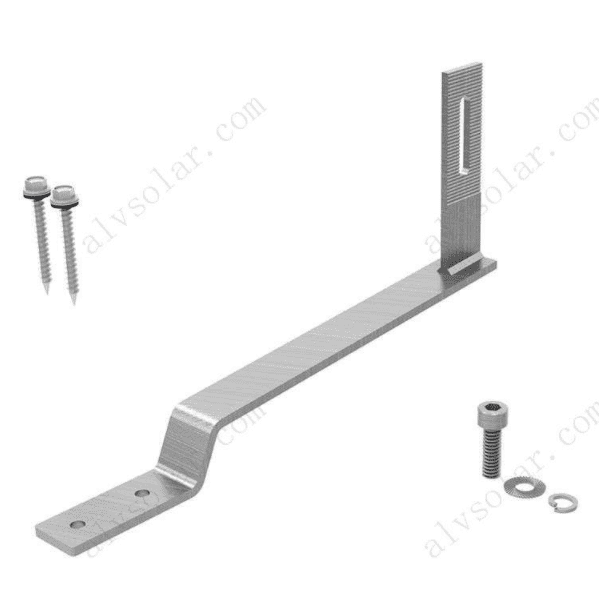
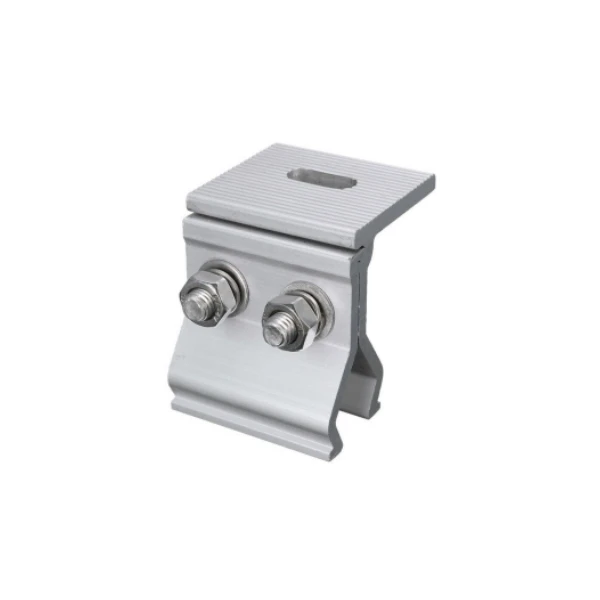
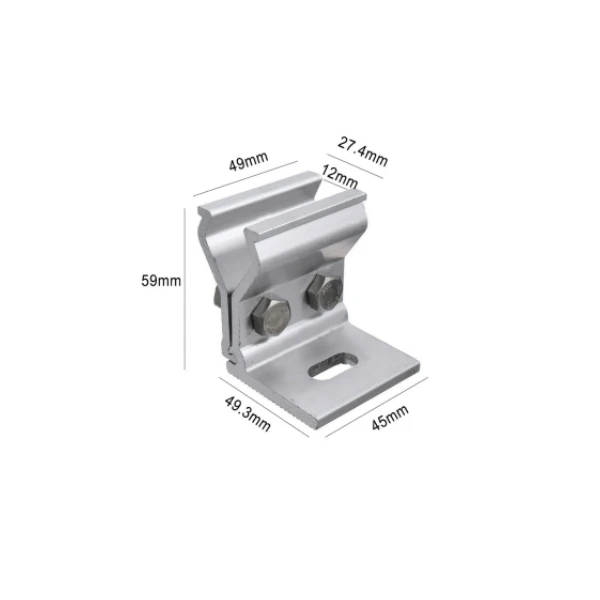
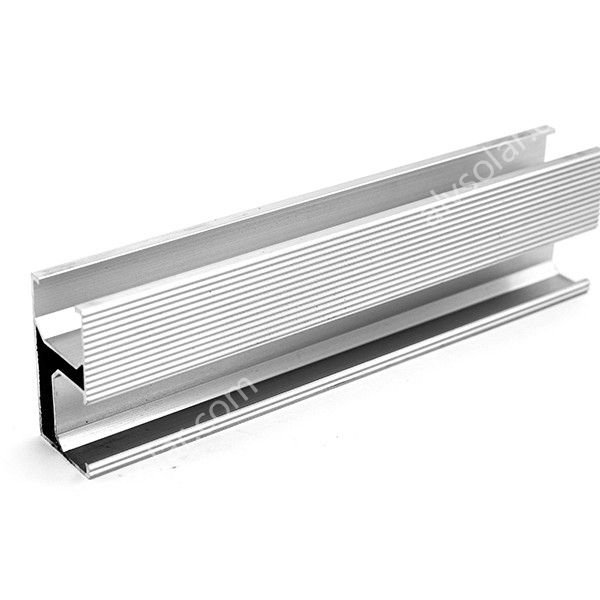
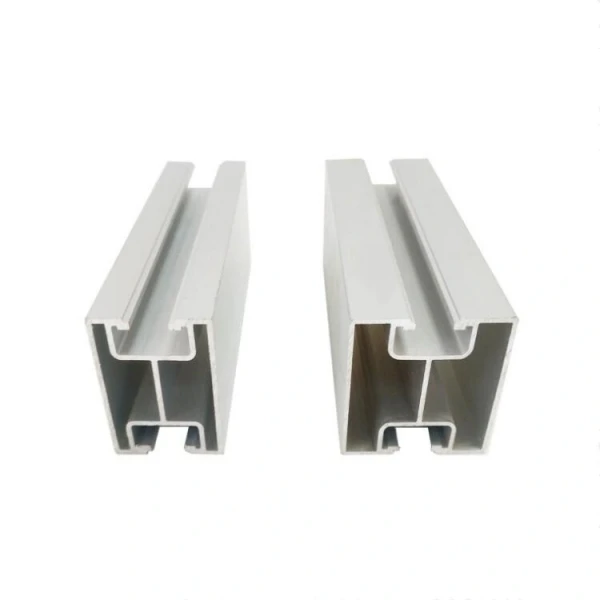
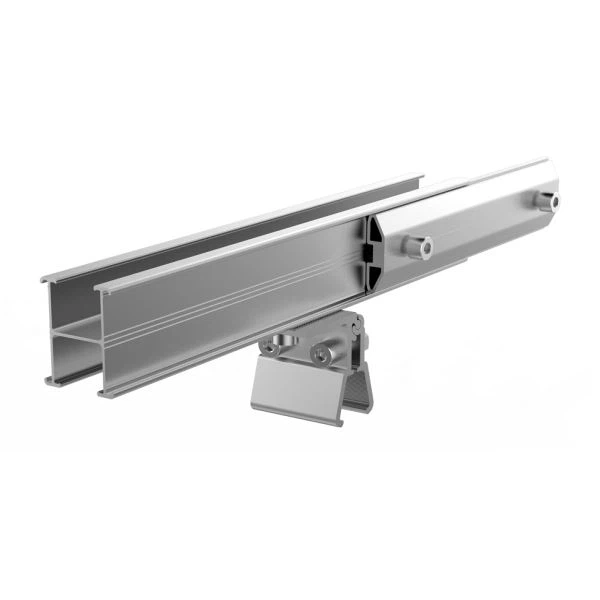
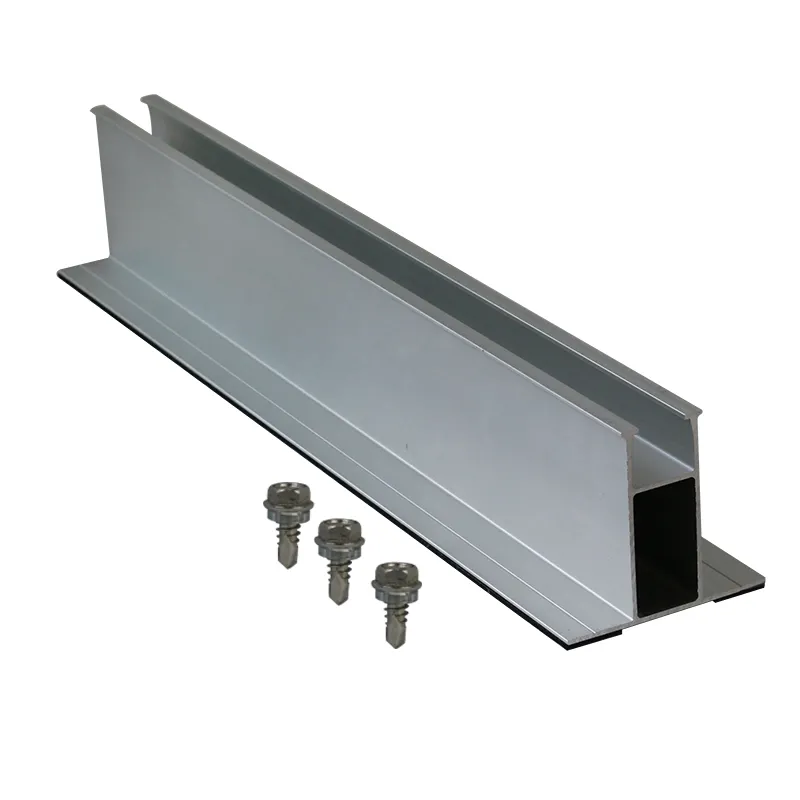
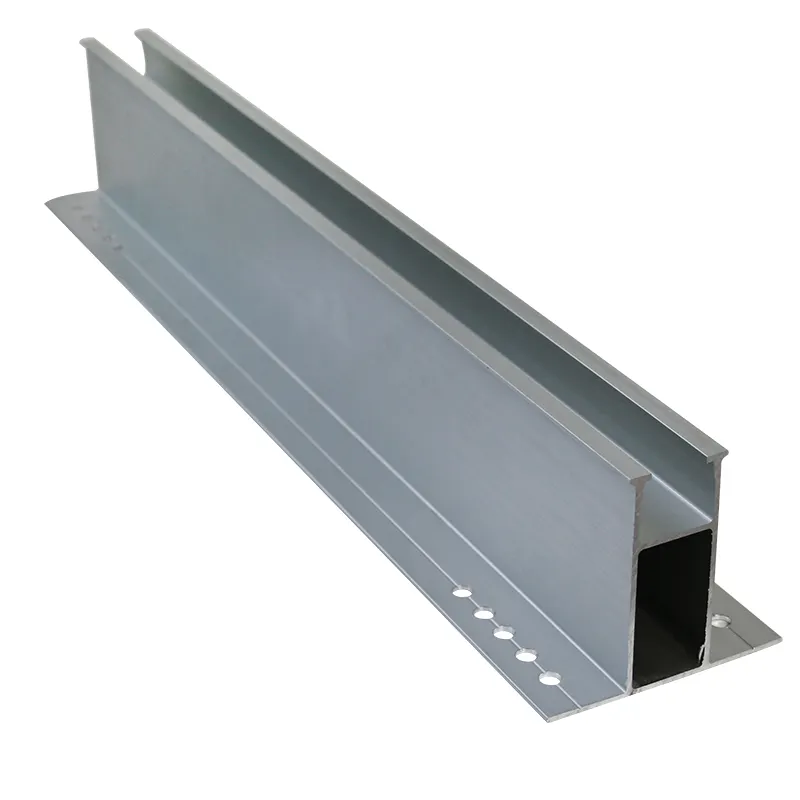
On the racking side—which directly determines the lifespan of the entire project—ALV Solar insists on using premium high-strength aluminum alloy AL6005-T5. Its surface undergoes deep anodization treatment, granting it superb salt spray and weather resistance designed to last over 25 years. To perfectly match distinct roof structures including trapezoidal metal sheets, flat concrete, and traditional ceramic tiles, ALV’s engineering team utilizes precise mechanical simulations to develop a comprehensive suite of customized solutions. For instance, featuring proprietary non-penetrative clamp systems paired with anti-aging EPDM rubber gaskets on metal rooftops, this design guarantees a 2400Pa wind load capability while completely eliminating leakage risks.
Moreover, to combat today’s rising manual labor costs, ALV Solar’s mounting systems integrate a “modular pre-assembled” philosophy right from the design phase. Field operators can complete large-scale installations with minimal standard tools, effectively cutting down on-site installation time by over 30%. In the future of the distributed solar sector, ALV Solar remains committed to being customer-centric, utilizing hardcore manufacturing techniques and tailored services to safeguard every rooftop with a rock-solid green foundation.