

Ground Mount vs Roof Mount Solar Mounting Systems: Which One Is Better for Your Solar Project?(2026)

Last Updated: August 10th,2026
Author: Devi Huang | International Sales Team, ALV
Devi Huang is part of the international sales team at ALV, a manufacturer of solar mounting systems and aluminum profiles. She works with EPC contractors, distributors, and project developers worldwide, helping customers choose the right mounting solutions based on project requirements, local standards, and budget.
Ground Mount vs Roof Mount: Which Solar Mounting System Should You Choose?
The best choice between ground mount and roof mount solar mounting systems depends on your project conditions, including available space, roof structure, energy goals, installation cost, and long-term maintenance requirements. Ground-mounted systems provide higher design flexibility and easier maintenance, while roof-mounted systems usually offer lower installation costs by using existing building structures.
For EPC contractors, developers, and commercial solar installers, choosing the right mounting structure at the beginning can significantly affect project cost, energy production, and system reliability over the next 25–30 years.
ALV provides customized solar mounting solutions for both ground-mounted and rooftop PV projects, including aluminum systems, galvanized steel structures, and engineering support based on regional wind, snow, and corrosion requirements.
What Is the Difference Between Ground Mount and Roof Mount Solar Systems?
The main difference is where the solar panels are installed. Ground-mounted systems are fixed directly onto foundations on open land, while roof-mounted systems attach solar modules to existing building roofs.
Ground mounting systems are commonly used for utility-scale solar farms, agricultural PV projects, and large commercial installations. Roof-mount systems are mainly used for residential, industrial, warehouse, and commercial buildings where unused roof space is available.
According to the International Energy Agency (IEA), solar PV has become the largest source of new renewable power capacity additions globally, with solar accounting for more than 75% of renewable capacity growth in recent years.
Ground Mount vs Roof Mount Solar Mounting: Key Differences
| Comparison | Ground Mount Solar System | Roof Mount Solar System |
| Kurulum Yeri | Open land, fields, solar farms | Residential, commercial, industrial roofs |
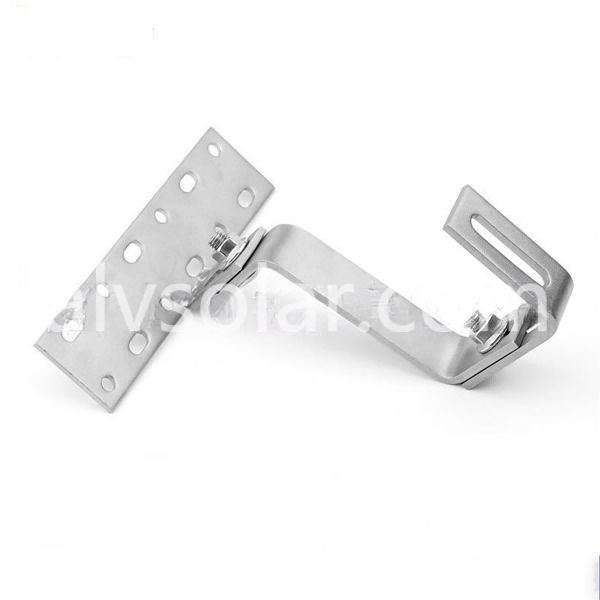
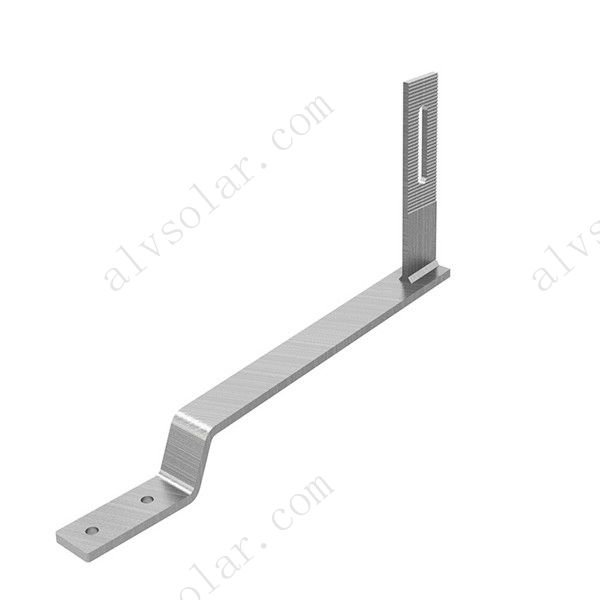
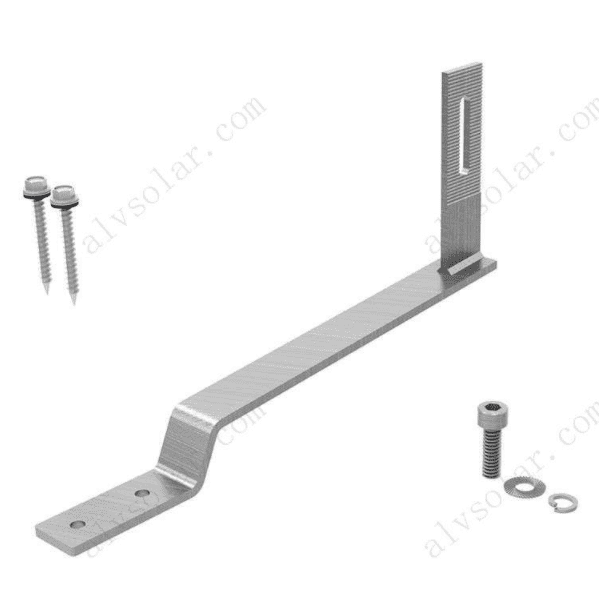
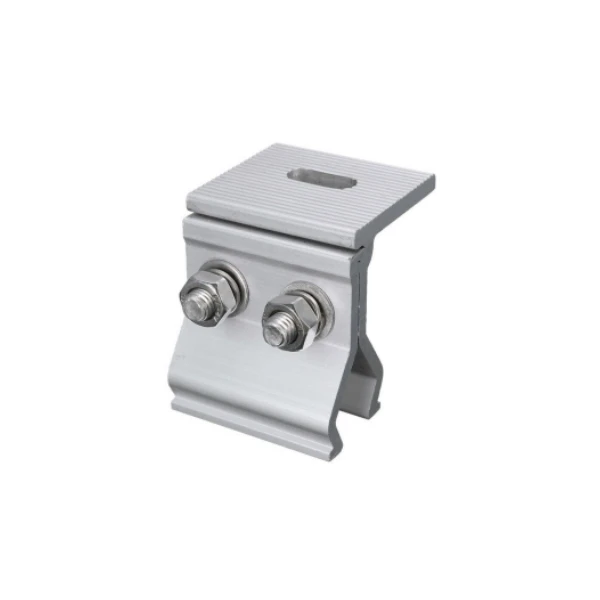
| Main Structure | Steel piles, aluminum rails, brackets | Roof hooks, clamps, rails |
| Design Flexibility | High flexibility for tilt angle and layout | Limited by existing roof design |
| Installation Difficulty | Requires foundation and land preparation | Faster installation with existing structure |
| Maintenance Access | Easier access | More difficult depending on roof type |
| Typical Applications | Utility-scale, agriculture, large projects | Homes, factories, warehouses |
| Lifespan | 25–30+ years | 25–30+ years |
Ground Mount Solar Systems: Advantages and Limitations
Ground-mounted solar systems offer maximum flexibility because designers can optimize panel orientation, tilt angle, row spacing, and maintenance access.
For large-scale PV projects, ground mounting allows engineers to design structures according to local wind and snow conditions. ALV ground mounting solutions are engineered according to international structural requirements, including wind load calculations based on ASCE 7 in North America and EN 1991-1-4 in Europe.
Ground systems are especially suitable for areas with sufficient land availability. They can also be combined with tracking systems to increase energy generation.
However, ground mounting usually requires higher upfront costs because projects need land preparation, foundations, piles, and additional construction work.
According to the National Renewable Energy Laboratory (NREL), utility-scale solar projects require careful consideration of land use, site conditions, and balance-of-system costs, where mounting structures represent an important part of non-module system expenses.
Roof Mount Solar Systems: Advantages and Limitations
Roof-mounted solar systems use existing building surfaces, reducing the need for additional land and foundation work.
For commercial buildings such as warehouses and factories, rooftop solar can transform unused space into electricity-generating assets. ALV supplies rooftop mounting systems compatible with various roof types, including standing seam metal roofs, trapezoidal roofs, and flat concrete roofs.
The main limitation of roof mounting is that system design depends heavily on roof conditions. Engineers must evaluate roof load capacity, waterproofing requirements, wind exposure, and module layout before installation.
For example, rooftop projects should consider structural verification according to standards such as ASCE 7 wind load requirements and relevant local building codes.
Ground Mount vs Roof Mount: Material Comparison
Solar mounting systems are usually manufactured from aluminum alloy, galvanized steel, or zinc-aluminum-magnesium coated steel.
| Malzeme | Advantages | Disadvantages | Best Application |
| Aluminum Alloy | Lightweight, corrosion resistant, easy installation | Higher material cost | Rooftop, coastal areas |
| Galvanized Steel | High strength, cost effective | Heavier, requires corrosion protection | Ground solar farms |
| Zinc-Aluminum-Magnesium Steel | Excellent corrosion resistance, long service life | Higher cost than traditional steel | Harsh environments |
ALV selects materials based on project requirements rather than using one material for every application. Coastal projects with high humidity and salt exposure often benefit from aluminum or advanced coated steel solutions.
The corrosion resistance evaluation of PV mounting materials is commonly tested according to standards such as ISO 9227 salt spray testing, which evaluates metal corrosion performance under controlled conditions.
Ground Mount vs Roof Mount: Cost Comparison
| Cost Factor | Ground Mount | Roof Mount |
| Structure Cost | Medium to High | Low to Medium |
| Labor Cost | Higher | Lower |
| Engineering Cost | Higher for large projects | Lower for standard roofs |
| Land Cost | Required | Not required |
The total cost depends on project size, location, material selection, and installation complexity.
In general, rooftop systems can have lower total installation costs because they use existing structures. However, ground-mounted systems may provide better long-term performance and easier maintenance for large-scale projects.
According to NREL research, solar balance-of-system costs, including mounting, labor, permitting, and installation factors, have a significant impact on total project economics.
Which Solar Mounting System Has Better Performance?
Neither ground mount nor roof mount is universally better. The optimal solution depends on project conditions.
Choose ground mount solar systems when:
- Large land areas are available
- Maximum design flexibility is required
- Easy maintenance access is important
- Utility-scale deployment is planned
Choose roof mount solar systems when:
- Roof space is available
- Land availability is limited
- Lower installation time is preferred
- Commercial buildings need onsite energy generation
At ALV, our engineering team evaluates project location, module specifications, wind speed, snow load, roof structure, and installation requirements before recommending a mounting solution.
Solar Mounting Standards You Should Consider
Reliable PV mounting systems should comply with recognized engineering standards.
| Standard | Başvuru |
| ASCE 7 | Wind, snow, and structural load calculation in North America |
| EN 1991 | Structural loading requirements in Europe |
| IEC 61215 | PV module mechanical reliability testing |
| ISO 9227 | Corrosion resistance testing |
Following these standards helps ensure solar mounting systems can withstand environmental conditions throughout their expected 25–30 year service life.
FAQ: Ground Mount vs Roof Mount Solar Mounting Systems
1. Is ground mount solar better than roof mount solar?
Ground mount solar is better for large projects requiring flexible design and easy maintenance, while roof mount solar is better when available building space needs to be utilized.
2. Which solar mounting system is cheaper?
Roof-mounted systems are usually cheaper because they do not require land preparation or foundations. Ground systems may have higher upfront costs but provide easier maintenance.
3. How long do ground and roof solar mounting systems last?
Most high-quality solar mounting systems are designed for 25–30 years or longer when properly engineered and maintained.
4. What material is best for solar mounting systems?
Aluminum is often preferred for rooftops and coastal environments, while steel is commonly used for large ground-mounted projects because of its strength and cost efficiency.
5. Do roof solar systems damage roofs?
Properly designed rooftop mounting systems should not damage roofs. Professional installation requires waterproofing considerations and structural assessment.
6. What information is needed for solar mounting system design?
Engineers typically need project location, module dimensions, roof type, wind speed, snow load, tilt angle, and layout drawings.
Need a Custom Solar Mounting Solution?
Choosing between ground mount and roof mount systems requires professional engineering evaluation.
ALV provides customized solar mounting solutions for residential, commercial, and utility-scale PV projects worldwide. Contact ALV today to receive a project assessment, mounting recommendation, or customized quotation.