

Are Solar Trackers Worth the Investment for Your Solar Mounting Systems?

When planning a solar project, one of the most common questions is whether solar trackers justify their added cost compared to fixed-tilt solar mounting systems. The answer depends heavily on your project scale, location, and energy goals. While trackers can significantly boost production, they are not a universal solution.
How Solar Trackers Compare to Fixed-Tilt Mounting Systems
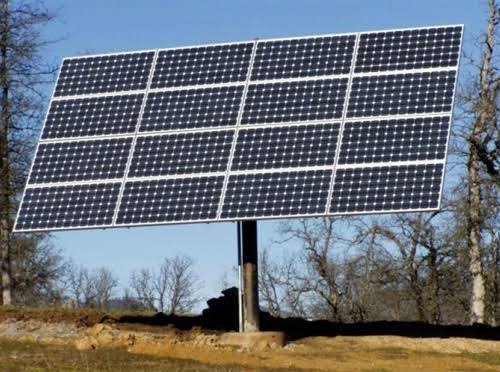
Solar trackers are mechanical structures that rotate panels to follow the sun‘s path across the sky, maximizing direct exposure. In contrast, standard fixed-tilt solar mounting systems remain at a static angle. The performance gap is substantial. Single-axis trackers typically increase energy yield by 15–25% compared to fixed-tilt systems . Dual-axis trackers can achieve even higher gains but come with greater mechanical complexity and cost.
However, this yield boost isn’t free. Trackers add significant upfront costs for motors, controllers, and more robust foundations. They also introduce moving parts that require periodic maintenance and inspection. For many residential rooftop installations, the added expense and complexity simply do not pencil out, making fixed-tilt solar mounting systems the more practical and reliable choice .
When Do Solar Trackers Make Financial Sense?
Industry data indicates that solar trackers are cost-justified only when three specific conditions are met. First, the site must have high Direct Normal Irradiance (DNI), typically exceeding 1,800 kWh/m²/year. Second, land costs must be relatively low compared to the overall system cost. Third, the project must be large enough—usually above 500 kWp—to spread the cost of tracker controllers across many rows .
For utility-scale projects in sunny, land-rich regions like the Middle East or parts of the U.S. Southwest, trackers are a proven investment. For a typical homeowner or a commercial rooftop in a moderate climate, the economics of solar mounting systems favor simplicity. Choosing the right solar mounting systems is about matching the technology to the site, not chasing maximum theoretical yield.
The Reliability Factor in Solar Mounting Systems
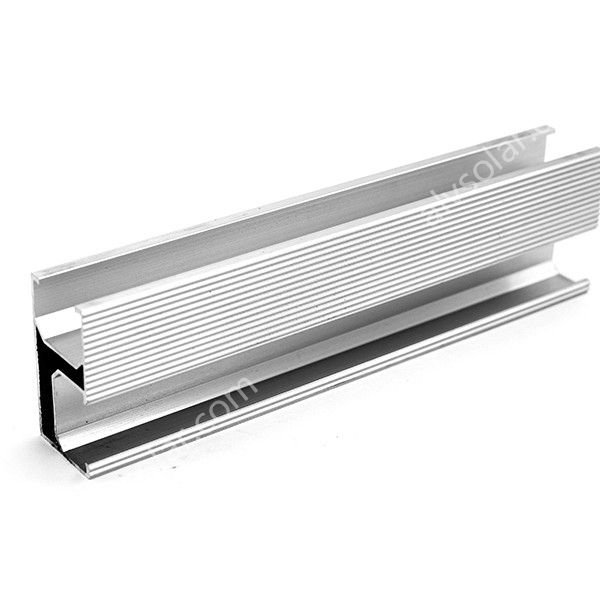
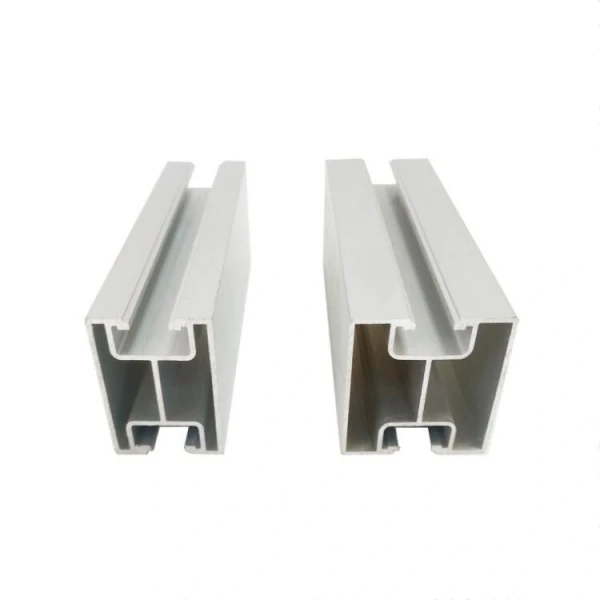
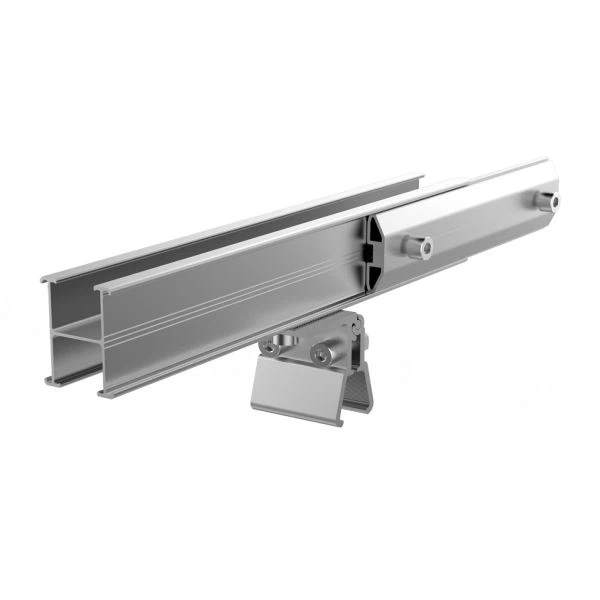
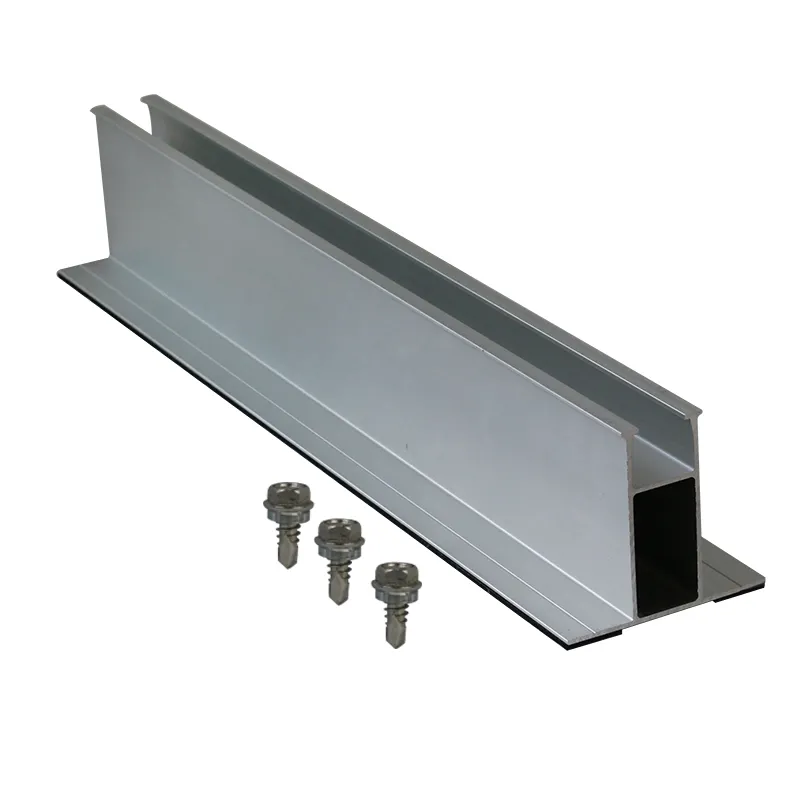
It‘s important to consider long-term reliability. Solar mounting systems with no moving parts—like fixed-tilt ground mounts or rooftop rails—have a proven track record of lasting 25 years or more with minimal intervention. Solar trackers, while reliable, introduce wear points. Bearings, gears, and motors can fail, and repairs can be costly and time-consuming.
For projects where uptime and low maintenance are critical, a well-engineered fixed system is often the safer bet. If you do choose trackers, ensure the manufacturer offers robust warranties and that local service support is available .
Why ALV Solar Delivers Reliable Solar Mounting Systems
Selecting the right solar mounting systems partner is critical whether you are building a tracker farm or a rooftop array. ALV Güneş Enerjisi provides robust, certified solutions designed to withstand the toughest conditions. Our fixed-tilt and ground-mount systems are engineered for wind loads up to 60 m/s and snow loads up to 4 kN/m², backed by a 25-year service life and 12-year warranty.
We understand that every project has unique constraints. Our team provides custom CAD design Ve structural calculations tailored to your specific site, ensuring compliance with local codes. For clients evaluating solar trackers versus fixed systems, we offer unbiased engineering support to help you select the configuration that maximizes your return on investment. Contact ALV Solar to discuss the best solar mounting systems for your energy goals.
Sıkça Sorulan Sorular
1. What are the main types of solar mounting systems?
The main types are roof-mounted (pitched rail, rail-less, flat ballasted), ground-mounted (driven pile, ground screw, ballasted), and tracking (single-axis, dual-axis). Specialty types include carport and floating systems .
2. Which solar mounting systems are best for residential roofs?
For pitched roofs, rail-based solar mounting systems are the industry standard for cost and reliability. Rail-less systems are gaining popularity for faster installation and fewer penetrations. Flat roofs often use ballasted tilt-up systems .
3. Do solar trackers require more maintenance?
Yes, solar trackers have moving parts like motors and bearings that require periodic inspection and maintenance. Fixed-tilt solar mounting systems have no moving parts and require minimal upkeep over their lifespan.
4. Can I add solar trackers to an existing array?
Retrofitting solar trackers to an existing fixed array is generally not practical or cost-effective. Trackers are typically designed into a project from the start due to different foundation and structural requirements.
5. How do I choose between roof mount and ground mount?
Choose roof mount when the roof has adequate capacity and orientation. Choose ground mount when the roof is unsuitable or when optimal tilt and larger system size are priorities. Ground mounts cost more per watt due to foundations and land use