

Hệ thống giá đỡ năng lượng mặt trời mới: Các loại, vật liệu và cải tiến định hình năm 2026

The solar energy industry has grown exponentially over the past decade, and while solar panels and inverters often dominate the conversation, solar mounting systems — the structural framework that holds everything together — are equally critical to project success. Often overlooked, mounting structures directly influence the performance, longevity, and cost-effectiveness of any solar installation. In this article, we explore the types, materials, innovations, and practical considerations defining solar mounting technology in 2026, along with answers to the most common questions from project developers and homeowners alike.
Why Mounting Systems Matter
A mounting system does far more than secure panels to a surface. It determines the angle of sunlight incidence, affects the system’s resistance to wind and snow loads, influences installation speed and labor costs, and ultimately impacts energy yield over a 25-to-30-year lifespan. As projects scale from residential rooftops to utility farms spanning hundreds of acres, the engineering demands on mounting structures grow accordingly. Poorly designed mounting can lead to micro-cracks in panels, corrosion failures, and even catastrophic structural collapse under extreme weather. The global solar mounting structure market is projected to grow at a CAGR of over 7% through 2030, driven by expanding solar capacity, government incentives, and the worldwide push for energy independence.
Key Types of Solar Mounting Systems
Rooftop Mounting Systems
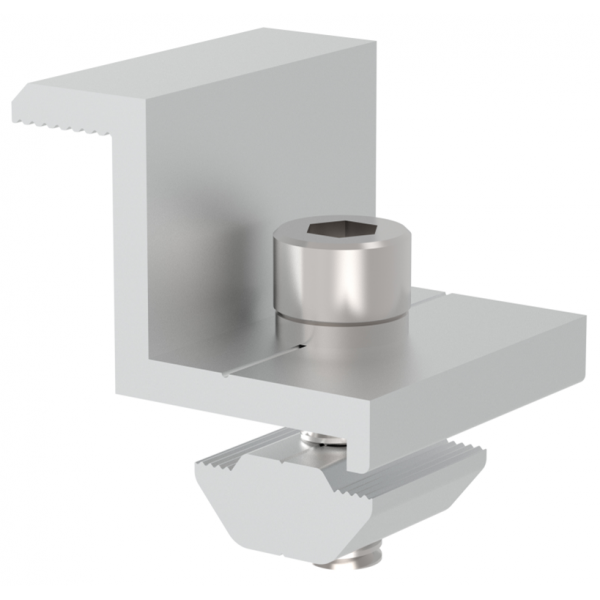
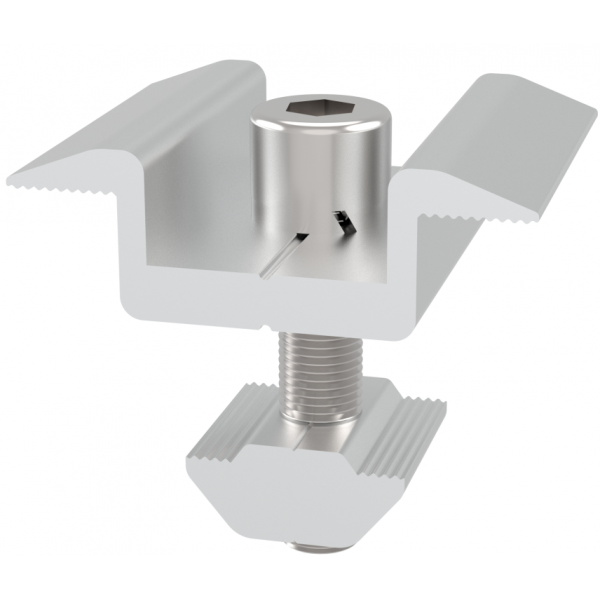
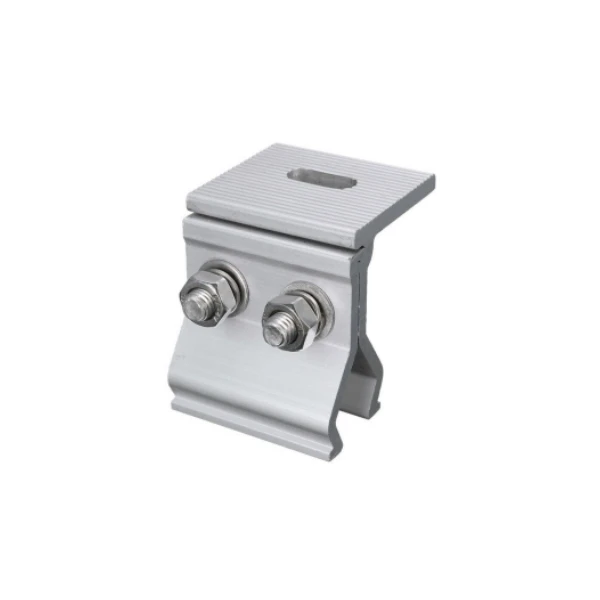
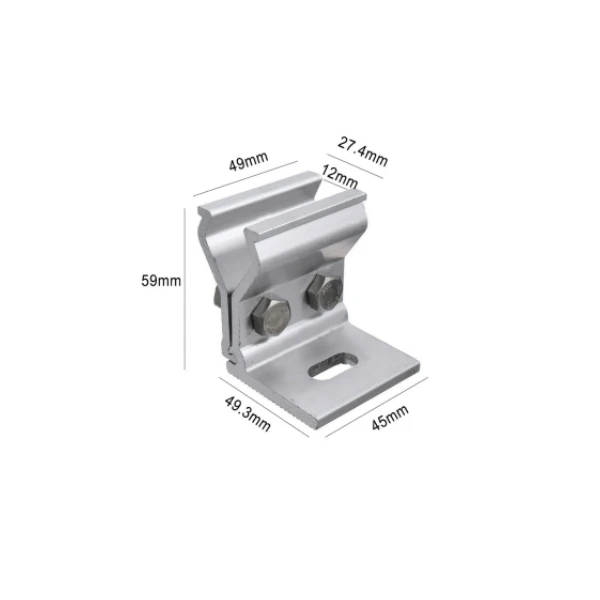
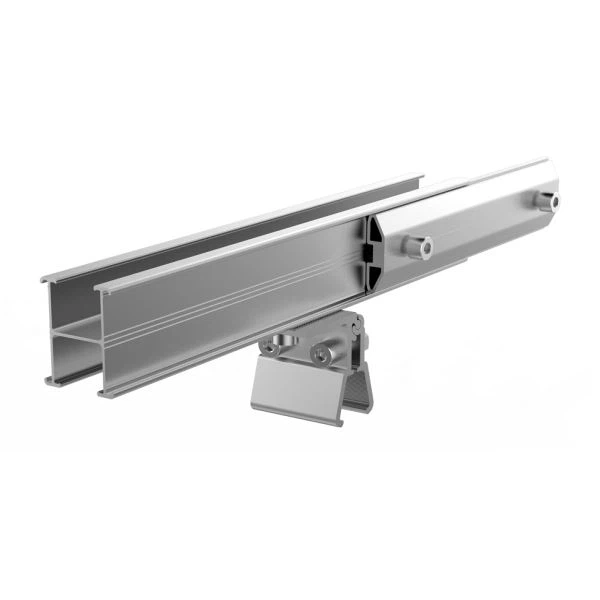
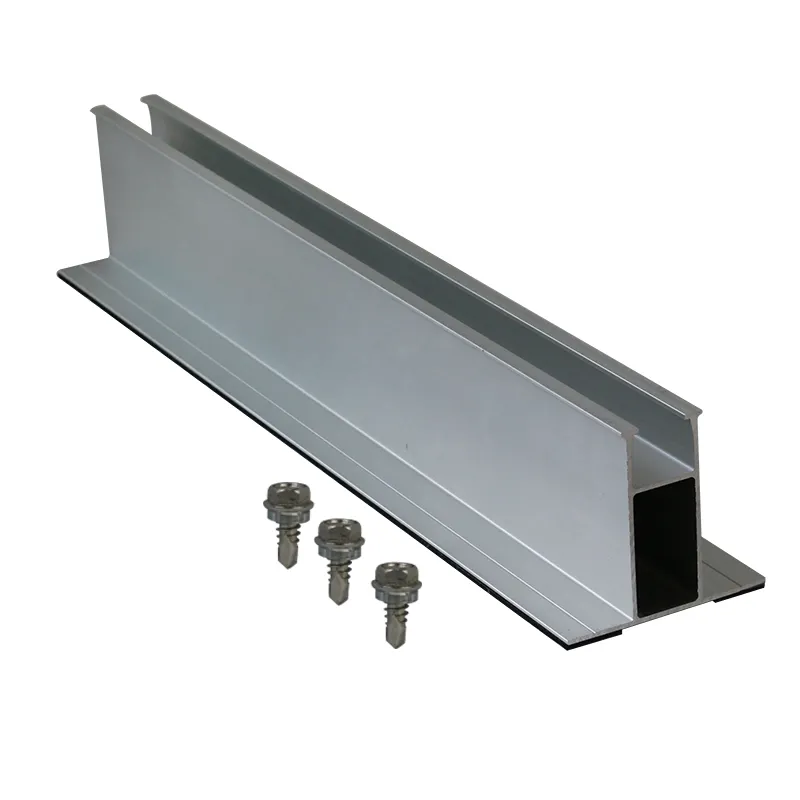
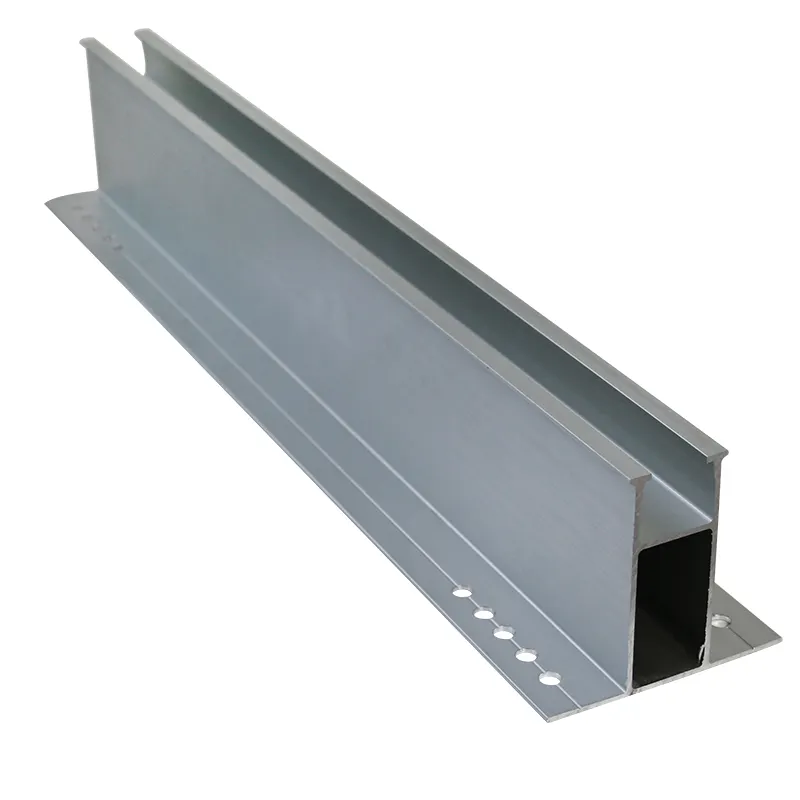
Rooftop mounts are the most common solution for residential and commercial buildings. Rail-based systems use aluminum rails to secure panels with proven reliability and versatility across various roof types. Rail-free systems eliminate rails entirely, reducing material weight and installation time by using mounting feet that attach directly to roof rafters, with panels locking into place via integrated clamps. Ballasted systems, used primarily on flat commercial roofs, rely on weighted concrete blocks instead of roof penetrations, preserving roof warranties and simplifying permitting.
Ground-Mount Systems
For utility-scale projects and large commercial installations, ground mounts offer optimal tilt and orientation. Single-axis trackers rotate panels along one axis to follow the sun throughout the day, boosting energy production by 15–25% compared to fixed-tilt systems. Dual-axis trackers follow the sun in both azimuth and elevation for maximum yield, though at higher cost and maintenance complexity. Fixed-tilt structures remain the simplest and most durable option, ideal for remote or harsh-environment sites where minimal maintenance is a priority.
Carport and Floating Solar Mounts
Solar carports transform parking areas into power generators, serving dual purposes in urban and commercial settings while providing shade for vehicles. Floating solar mounting systems are gaining rapid traction on reservoirs and lakes, reducing water evaporation while keeping panels cool for improved efficiency — water cooling can boost panel output by 5–10%. The World Bank estimates global floating solar potential at over 400 GW, representing one of the most exciting growth frontiers for mounting technology.
Material Innovations
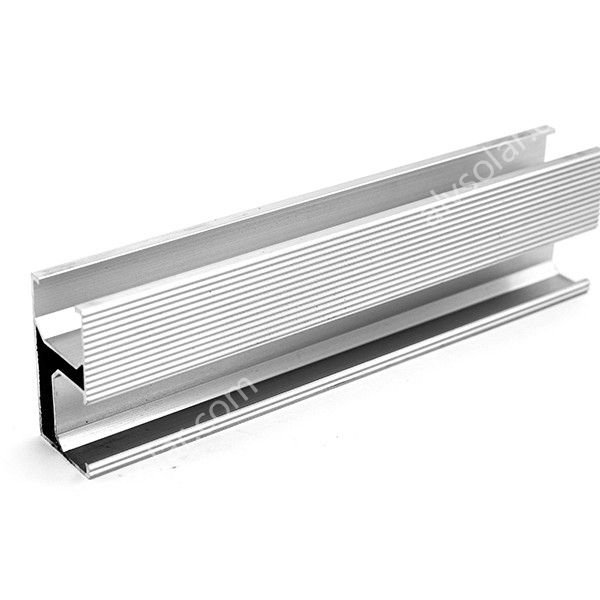
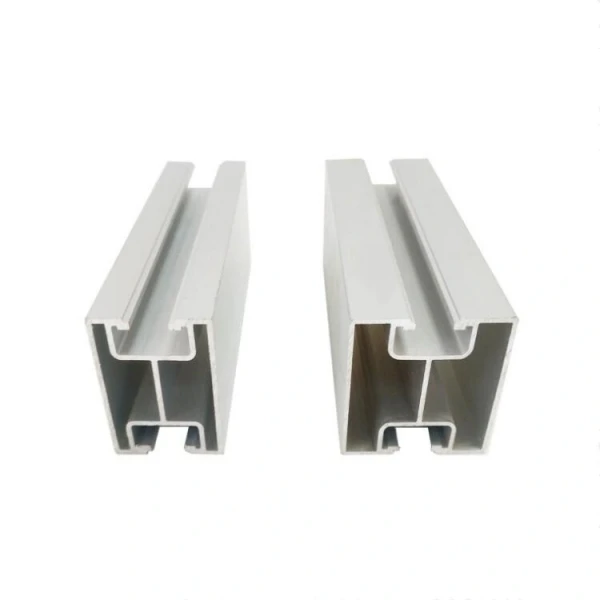
Aluminum (6005-T5 alloy) remains the industry standard due to its excellent strength-to-weight ratio, natural corrosion resistance, and full recyclability. Extruded profiles allow precision engineering and tool-free on-site assembly without welding, making aluminum ideal for rooftop applications across diverse climates.
Hot-dip galvanized steel and zinc-aluminum-magnesium (Zn-Al-Mg) coated steel are preferred for ground-mount systems with higher structural loads. Zn-Al-Mg coatings offer corrosion resistance up to three times better than traditional galvanizing, with unique self-healing properties at cut edges that extend service life significantly in coastal and high-humidity environments.
Fiber-reinforced polymer (FRP) composites are an emerging material for floating and coastal installations, offering exceptional saltwater corrosion resistance and electrical insulation. While still a small market segment, composites are expected to grow rapidly as production costs decline and floating solar deployments increase.
What’s New for Solar Mounting Systems in 2026
Smart mounting systems now integrate IoT sensors for real-time monitoring of structural health, wind loads, and panel positioning, enabling predictive maintenance and remote diagnostics. AI-driven tracker algorithms optimize panel angles based on weather forecasts, energy prices, and grid demand rather than simply following sun position. Mounting structures are being engineered to higher standards for extreme weather resilience, with new designs capable of withstanding wind speeds up to 200 km/h and snow loads exceeding 2.4 kPa. Modular, tool-less assembly systems reduce installation time by 30–50%, dramatically improving project economics. Meanwhile, manufacturers are adopting low-carbon production processes using recycled aluminum and designing for end-of-life disassembly and material recovery.
Những câu hỏi thường gặp
Q: How long do solar mounting systems last?
A: Quality mounting systems are designed to last the full 25-to-30-year lifespan of a solar PV system. Aluminum systems can last even longer due to natural corrosion resistance, with minimal maintenance required. Regular visual inspections are recommended to check for loose fasteners or corrosion at connection points.
Q: Which mounting type is best for my roof?
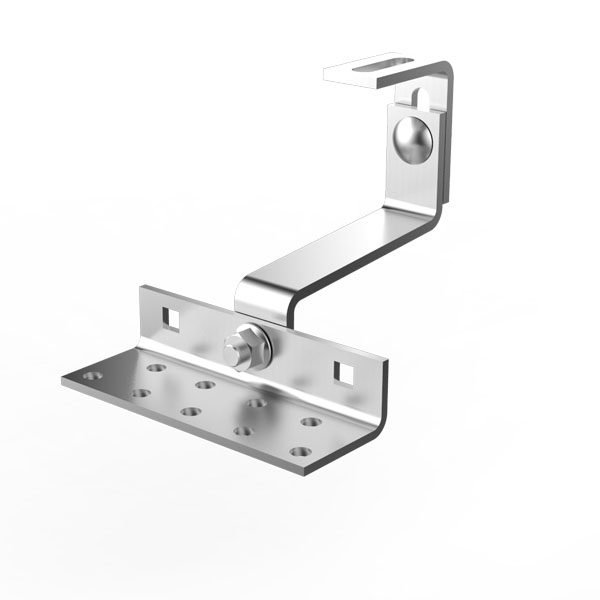
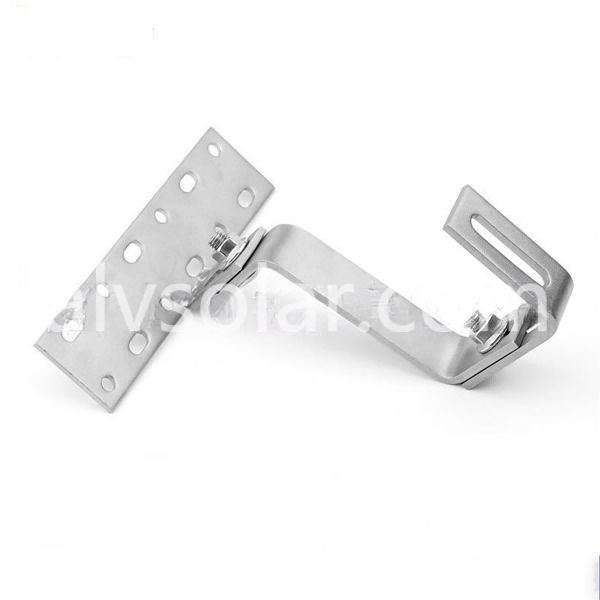
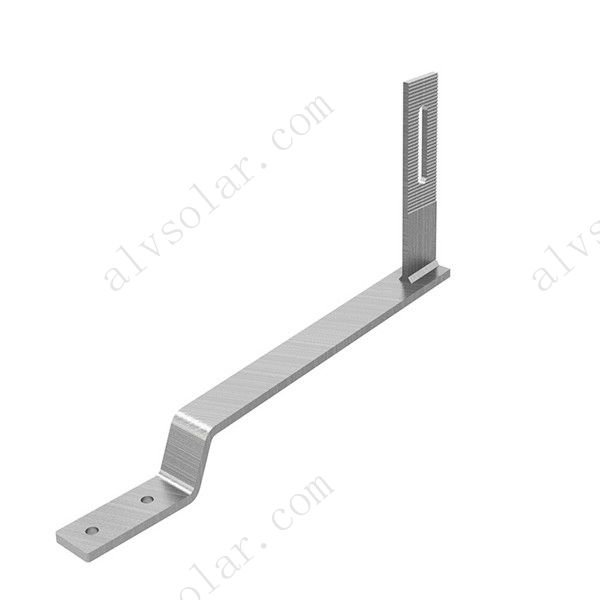
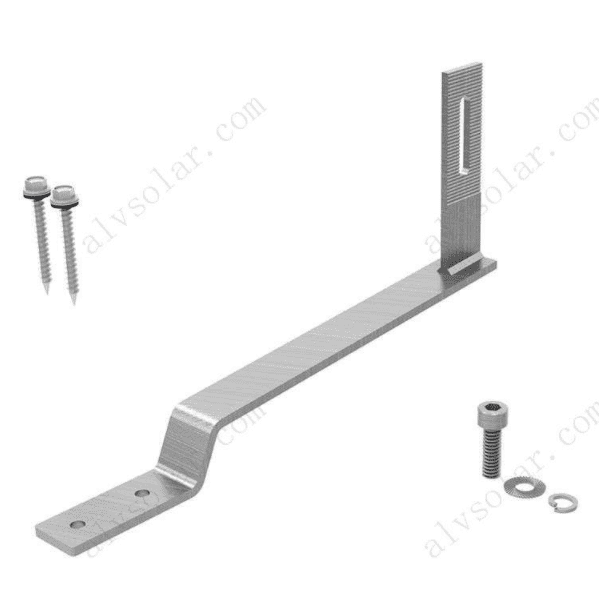
A: For pitched asphalt shingle roofs, rail-based or rail-free systems work well depending on roof type and budget. For flat commercial roofs, ballasted systems avoid penetrations and preserve roof warranties. For tile roofs, specialized hooks and flashing components are used to accommodate the tile profile. A professional site assessment is always recommended.
Q: Are solar trackers worth the investment?
A: Single-axis trackers typically increase energy yield by 15–25% compared to fixed-tilt systems. For utility-scale projects in sunny regions, the return on investment is generally favorable within 3–5 years. For smaller residential installations, fixed-tilt systems are usually more cost-effective due to lower upfront costs and reduced maintenance.
Q: Can mounting systems withstand extreme weather?
A: Modern systems are engineered to withstand wind speeds up to 200 km/h and snow loads exceeding 2.4 kPa. Reinforced connection points and aerodynamic profiles are becoming standard. Always verify that your chosen system meets local building code requirements and is certified for your specific wind and snow zone.
Q: What is the difference between aluminum and steel mounting structures?
A: Aluminum is lighter, naturally corrosion-resistant, and ideal for rooftop applications where weight is a concern. Steel offers higher load-bearing capacity for ground-mount systems but requires protective coatings. The choice depends on project scale, location, environmental conditions, and budget considerations.
Phần kết luận
Solar mounting systems are fundamental to the success and scalability of solar energy. As the industry evolves toward smarter, more resilient, and more sustainable solutions, the mounting sector plays an increasingly pivotal role in making solar energy cheaper, more reliable, and more widely accessible. At ALV Solar, we deliver mounting solutions meeting the highest standards of quality, durability, and performance. Whether for residential, commercial, or utility-scale projects, the right mounting system is the foundation upon which solar success is built. Contact our team today to learn more about our range of solar mounting solutions tailored to your project requirements.