

ما هو نظام تركيب الألواح الشمسية؟ دليل شامل لأصحاب المنازل، وشركات الهندسة والمشتريات والإنشاء، ومطوري مشاريع الطاقة الشمسية

Last Updated: July 29th, 2026
مؤلف: ديفي هوانغ | فريق المبيعات الدولية، ALV
ديفي هوانغ عضو في فريق المبيعات الدولية في شركة ALV، وهي شركة مصنعة لأنظمة تركيب الألواح الشمسية وقطاعات الألمنيوم. وهي تعمل مع مقاولي الهندسة والمشتريات والإنشاءات، والموزعين، ومطوري المشاريع في جميع أنحاء العالم، لمساعدة العملاء على اختيار حلول التركيب المناسبة بناءً على متطلبات المشروع، والمعايير المحلية، والميزانية.
Quick Answer
A solar mounting system is the structural framework that securely supports solar panels on rooftops, the ground, carports, or other structures. It keeps photovoltaic (PV) modules at the correct angle, transfers wind and snow loads safely to the building or foundation, and ensures long-term system stability. A high-quality mounting system is designed to last 25–40 years, matching or even exceeding the lifespan of modern solar panels.
Table of Contents
What Is a Solar Mounting System?
How Does a Solar Mounting System Work?
Why Is a Solar Mounting System Important?
Main Components of a Solar Mounting System
Types of Solar Mounting Systems
Common Materials Used
How to Choose the Right Mounting System
Engineering Insight from ALV
International Standards
Why Choose ALV?
الأسئلة الشائعة
Key Takeaways
A solar mounting system securely supports and protects PV modules.
Most mounting systems are designed to last 25–40 years.
Aluminum and galvanized steel are the two most common materials.
Proper structural design is just as important as panel efficiency.
International standards such as ASCE 7, EN 1991، و ISO 9227 help ensure safety and durability.
Choosing the right mounting system improves installation efficiency, reduces maintenance, and maximizes long-term return on investment.
What Is a Solar Mounting System?
A solar mounting system, also known as a PV mounting system أو solar racking system, is the structural support that holds photovoltaic panels securely in place. It connects the solar modules to a roof, ground foundation, carport, or other supporting structure while maintaining the correct tilt angle and orientation for maximum energy production.
Although solar panels generate electricity, the mounting system provides the structural stability that allows the entire PV system to operate safely for decades.
بحسب U.S. Department of Energy (DOE), most modern photovoltaic systems are designed to operate for 25–35 years. Therefore, the mounting system should provide equal or greater durability to protect the long-term investment.
How Does a Solar Mounting System Work?
- Brackets are fixed to the roof or foundation.
- Rails are installed.
- Solar panels are secured with clamps.
- The structure transfers wind and snow loads safely to the building.
Why Is a Solar Mounting System Important?
A solar mounting system does much more than simply hold solar panels.
Its primary functions include:
- Supporting the weight of PV modules.
- Resisting wind, snow, and seismic loads.
- Maintaining the optimal tilt angle for energy production.
- Protecting roof waterproofing and structural integrity.
- Improving installation efficiency and long-term reliability.
Without a properly engineered mounting structure, even the highest-efficiency solar panels cannot perform safely or reliably.
Main Components of a Solar Mounting System
| Component | Function |
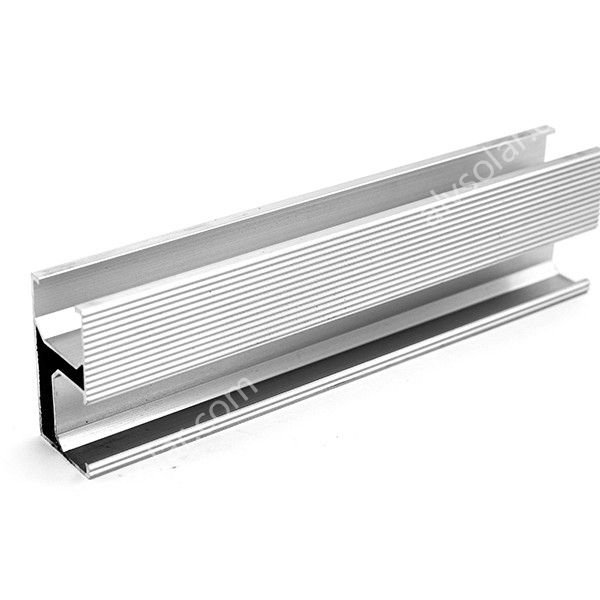
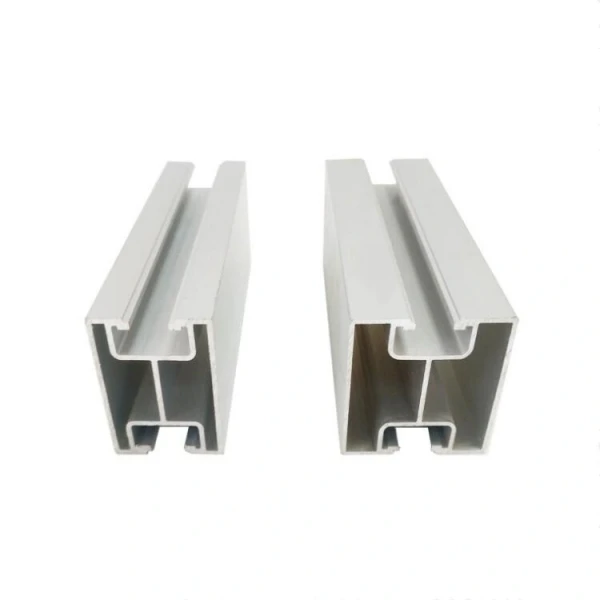
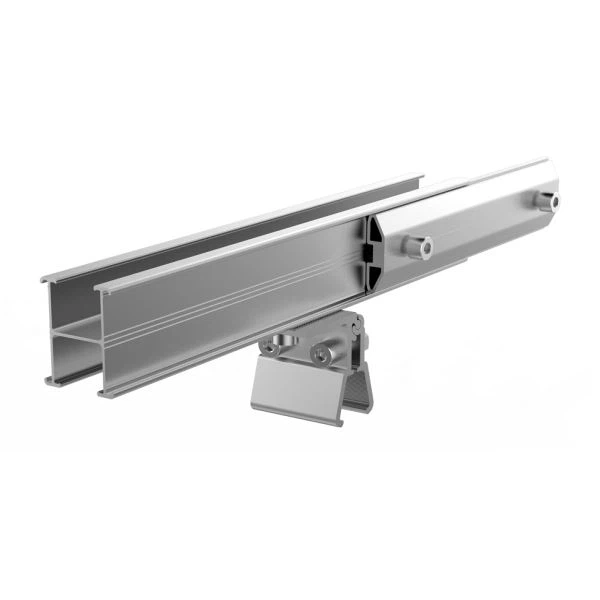
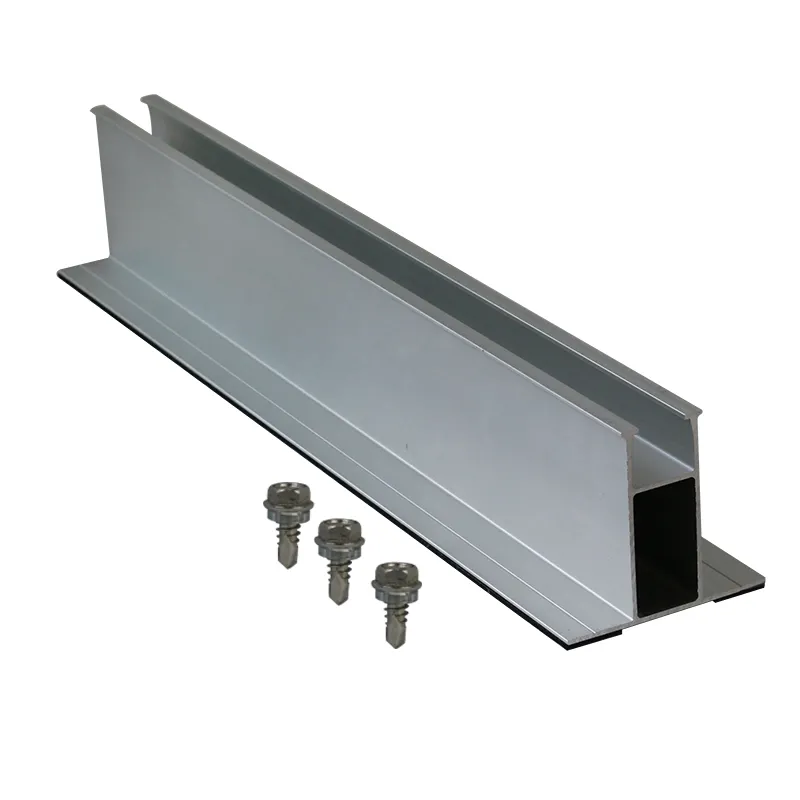
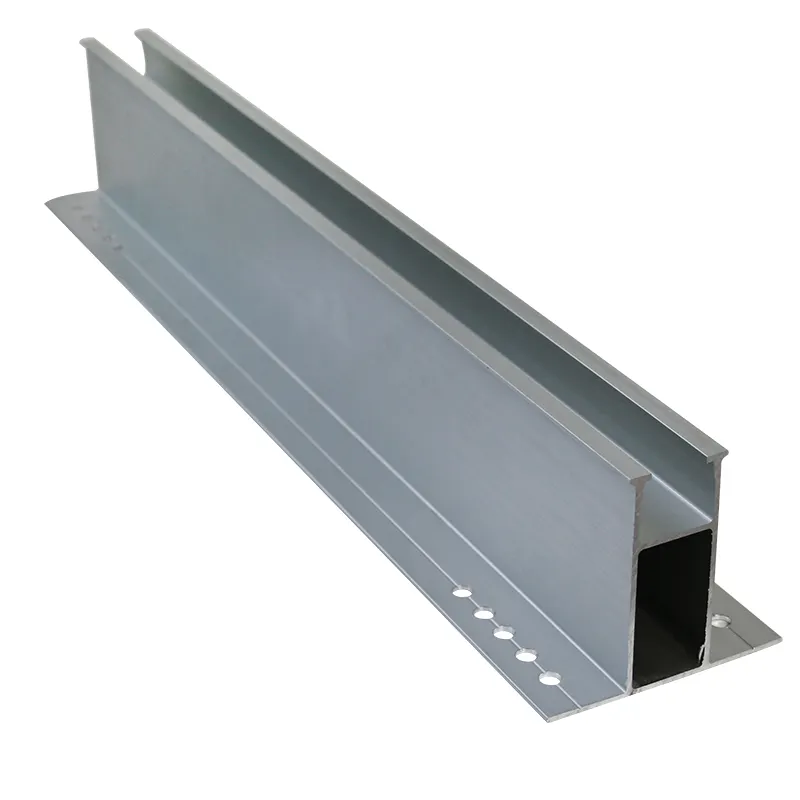
| القضبان | Support and align solar panels |
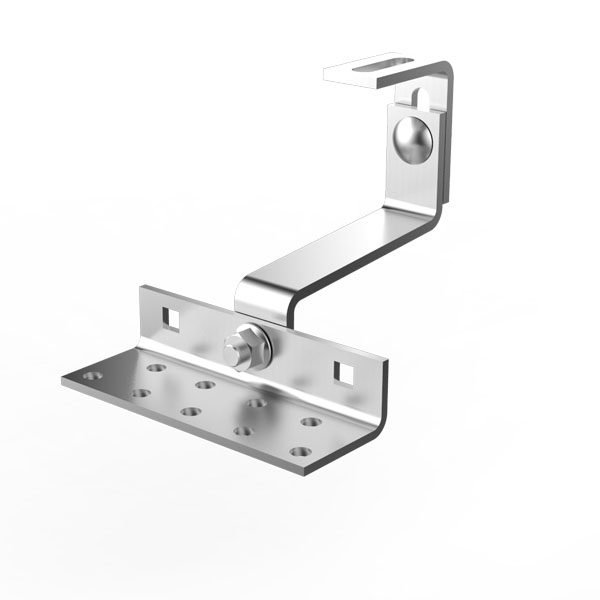
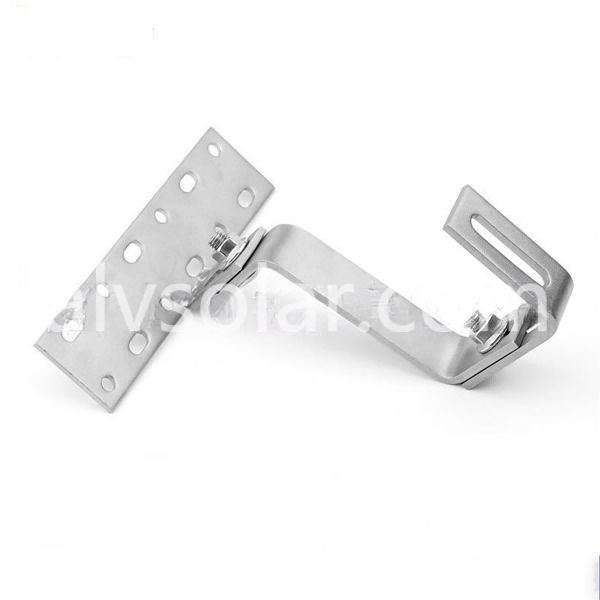
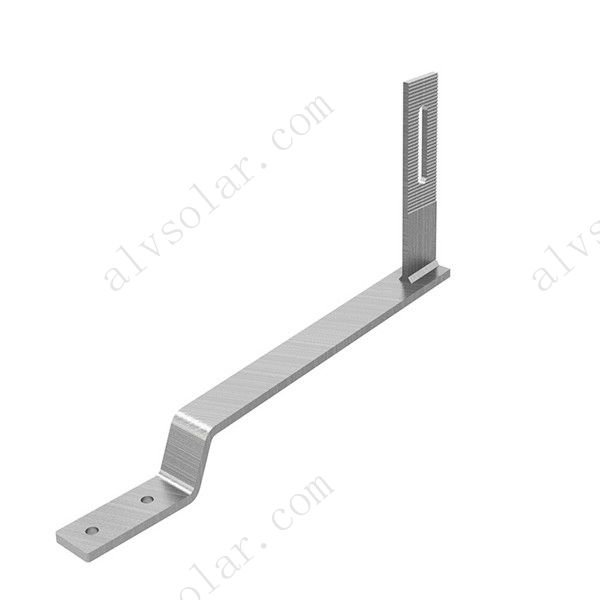
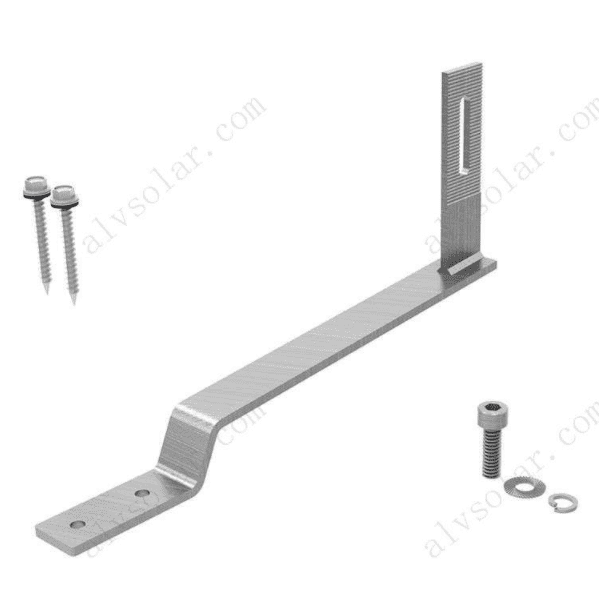
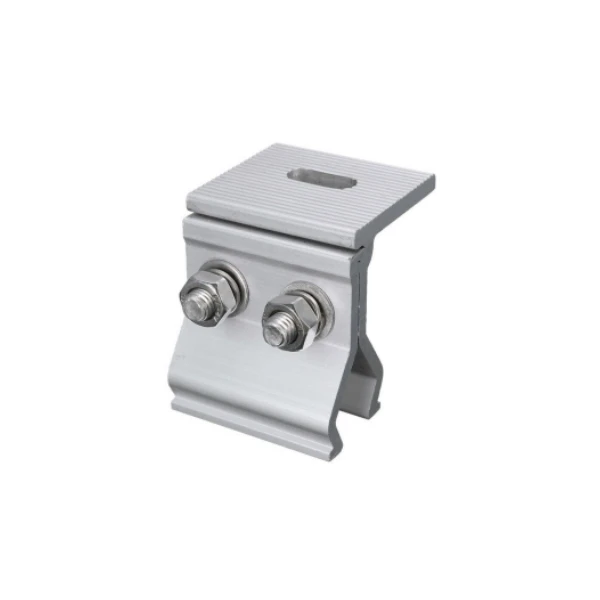
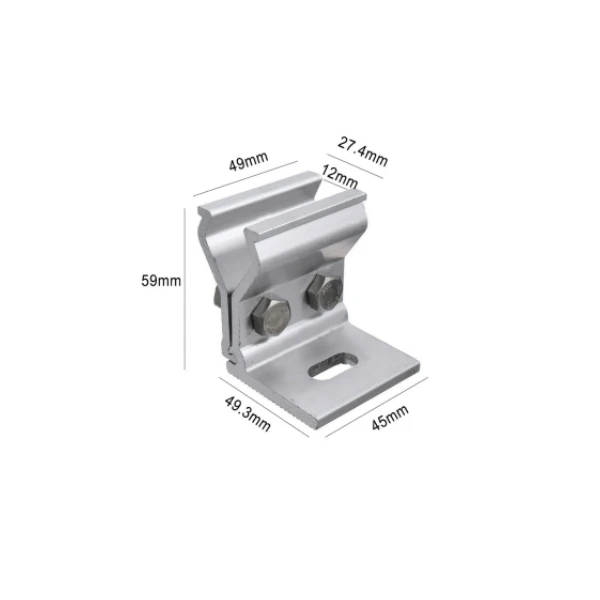
| Roof Hooks / Brackets | Connect the mounting system to the roof structure |
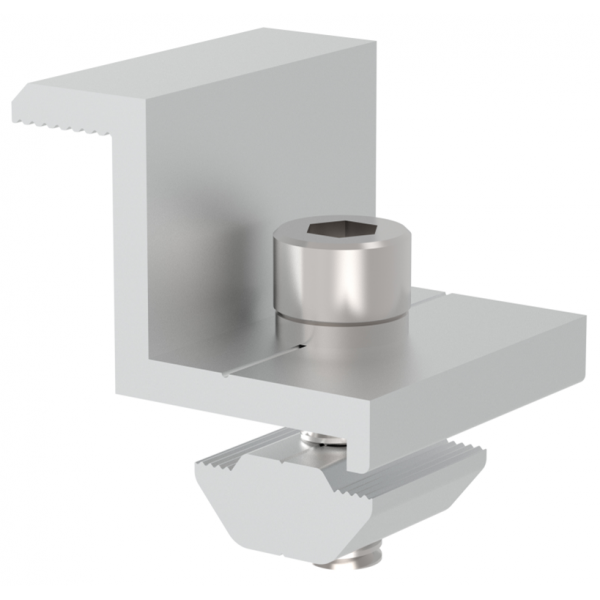
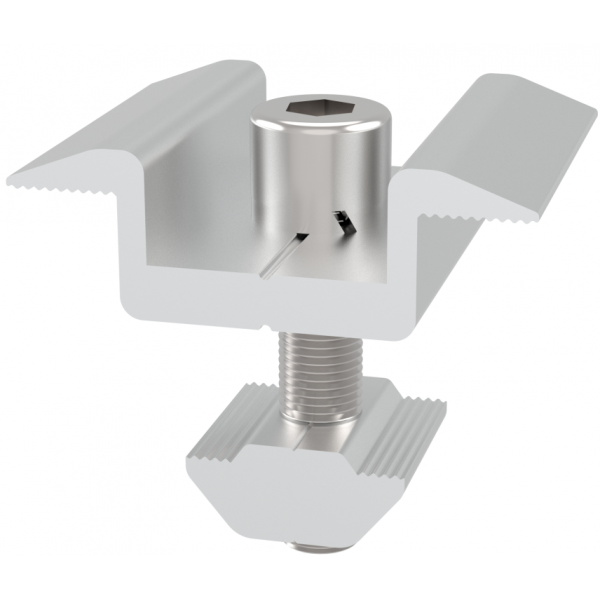
| Clamps | Secure solar modules to the rails |
| Fasteners | Connect structural components |
| Grounding Components | Improve electrical safety |
| Foundations (Ground Mounts) | Transfer loads safely into the ground |
Each component must work together to create a durable, stable, and easy-to-install solar support structure.
Types of Solar Mounting Systems
Different projects require different mounting solutions.
| Mounting Type | التطبيق النموذجي | Advantages |
| Roof Mount | Residential & Commercial Buildings | Lower installation cost, space-saving |
| Ground Mount | Utility-scale Solar Farms | Easy maintenance and flexible orientation |
| Solar Carport | Parking Areas | Generates electricity while providing shade |
| Agricultural (Agri-PV) | Farmland | Dual land use for farming and power generation |
| Floating Solar | Reservoirs & Lakes | Reduces water evaporation and saves land |
في ALV, customized mounting solutions are available for all of these applications, ensuring each project meets local environmental and structural requirements.
Common Materials Used in Solar Mounting Systems
The choice of material directly affects durability, installation efficiency, and maintenance requirements.
| مادة | Advantages | متوسط العمر المتوقع | Best Applications |
| Aluminum Alloy (6063-T5/T6) | Lightweight, corrosion-resistant | 30–40+ years | Rooftops & Coastal Areas |
| الفولاذ المجلفن بالغمس الساخن | High strength, cost-effective | 25–35 years | Ground-mounted Projects |
| Stainless Steel (304/316) | مقاومة ممتازة للتآكل | 30–50 years | Fasteners & Coastal Environments |
High-quality aluminum offers an excellent strength-to-weight ratio, while galvanized steel provides outstanding structural strength for large-scale installations.
How to Choose the Right Solar Mounting System
The best mounting system depends on the project’s structural requirements rather than a single product type.
| Project Condition | Recommended Solution |
| Residential Roof | Aluminum Roof Mount |
| Commercial Roof | Aluminum or Hybrid System |
| Utility-scale Solar Farm | Galvanized Steel Ground Mount |
| Coastal Area | Aluminum + Stainless Steel Fasteners |
| Heavy Snow Region | High-strength Steel Structure |
| Agricultural PV | Elevated Agri-PV Mounting System |
Professional manufacturers evaluate roof type, module layout, wind speed, snow load, soil conditions, and local building codes before recommending a mounting solution.
في ALV, our engineering team performs project-specific structural calculations to ensure every mounting system delivers optimal safety, performance, and cost efficiency.
Structural Engineering Standards
A solar mounting system must safely withstand decades of environmental exposure.
Professional manufacturers typically design mounting structures according to internationally recognized standards, including:
- ASCE 7 – Minimum Design Loads and Associated Criteria for Buildings and Other Structures (United States)
- EN 1991 (يورو كود 1) – Actions on Structures (Europe)
- EN 1993 (Eurocode 3) – Design of Steel Structures
- EN 1999 (Eurocode 9) – Design of Aluminium Structures
- AS/NZS 1170 – Structural Design Actions (Australia & New Zealand)
- ISO 9227 – Salt Spray Testing for corrosion resistance
Compliance with these standards helps ensure structural safety, product reliability, and long-term durability under different climate conditions.
Engineering Insight from ALV
إن اختيار الألمنيوم أو الفولاذ المجلفن ليس مجرد مسألة سعر. فلكل مشروع متطلبات هيكلية وظروف بيئية واعتبارات ميزانية مختلفة.
بحسب خبرة شركة ALV الهندسية، يطلب العديد من العملاء في البداية الفولاذ المجلفن لانخفاض تكلفته الأولية. مع ذلك، وبعد تقييم قدرة تحمل السقف، ومخاطر التآكل، وتكاليف الصيانة على المدى الطويل، غالباً ما يثبت الألومنيوم أنه الحل الأمثل من حيث التكلفة على مدار دورة حياة المشروع بأكملها، لا سيما بالنسبة لأسطح المنازل السكنية، والمناطق الساحلية، والبيئات ذات الرطوبة العالية.
في المشاريع الأرضية واسعة النطاق، يُعدّ الفولاذ المجلفن بالغمس الساخن الخيار الأمثل في كثير من الأحيان نظرًا لقوته الهيكلية الممتازة وكفاءته من حيث التكلفة. يقوم فريقنا الهندسي بإجراء حسابات خاصة بكل مشروع بناءً على سرعة الرياح المحلية، وحمل الثلوج، ونوع السقف، وقوانين البناء المعمول بها، قبل التوصية بنظام التركيب الأنسب.
منظور الصناعة
يستمر قطاع الطاقة الشمسية العالمي في التوسع بسرعة.
بحسب الوكالة الدولية للطاقة (IEA)، تمثل الطاقة الشمسية الكهروضوئية أكثر من 751 تريليون طن من القدرات العالمية لتوليد الكهرباء المتجددة في عام 2025مما يجعلها أسرع تقنيات الطاقة المتجددة نمواً في العالم.
نظراً لأنه من المتوقع أن تعمل أنظمة الطاقة الشمسية الكهروضوئية لعقود، فقد أصبحت هياكل التثبيت المتينة ذات أهمية متزايدة لتقليل تكاليف الصيانة وحماية إنتاج الطاقة على المدى الطويل.
لماذا تختار ALV?
إن اختيار الشركة المصنعة المناسبة لا يقل أهمية عن اختيار نظام التركيب المناسب.
توفر شركة ALV حلولاً متكاملة لتركيب الألواح الشمسية للمشاريع السكنية والتجارية ومشاريع المرافق العامة في جميع أنحاء العالم.
تشمل خدماتنا ما يلي:
- تصميم هيكلي مخصص
- حسابات أحمال الرياح والثلوج
- دعم هندسي خاص بالمشروع
- تصنيع المعدات الأصلية وتصنيع التصميم الأصلي
- أنظمة تثبيت عالية الجودة من الألومنيوم والفولاذ
- توصيل سريع ودعم فني عالمي
سواء كان مشروعك يتضمن سقفًا معدنيًا أو سقفًا من القرميد أو سقفًا مسطحًا أو مزرعة للطاقة الشمسية أو موقف سيارات أو منشأة زراعية، فإن ALV يمكنها توفير حل تركيب موثوق به مصمم خصيصًا لمتطلباتك.
الأسئلة الشائعة
1. ما هو الغرض من نظام تركيب الألواح الشمسية؟
فهو يدعم الألواح الشمسية بشكل آمن مع نقل الرياح والثلوج والأحمال البيئية الأخرى إلى المبنى أو الأساس.
2. ما هو العمر الافتراضي لنظام تركيب الألواح الشمسية؟
تدوم معظم أنظمة التثبيت عالية الجودة ما بين 25 و 40 سنة، وذلك تبعاً للمواد والظروف البيئية والصيانة.
3. أي المادتين أفضل، الألومنيوم أم الفولاذ؟
الألومنيوم أخف وزناً وأكثر مقاومة للتآكل، بينما يوفر الفولاذ المجلفن قوة هيكلية أكبر وتكاليف مواد أقل للمشاريع الكبيرة.
4. هل يمكن إعادة استخدام نظام التثبيت عند استبدال الألواح الشمسية؟
نعم. إذا ظل الهيكل في حالة جيدة وكان متوافقًا مع الوحدات الجديدة، فغالبًا ما يمكن إعادة استخدامه بعد فحص احترافي.
5. هل تتطلب جميع المشاريع حسابات هيكلية؟
نعم. يجب دائمًا مراعاة أحمال الرياح، وأحمال الثلوج، ونوع السقف، وقوانين البناء المحلية أثناء تصميم النظام.
6. ما هي المعايير الشائعة الاستخدام لأنظمة تركيب الألواح الشمسية؟
تشمل المعايير المشتركة ASCE 7, EN 1991, EN 1993, EN 1999, AS/NZS 1170، و ISO 9227.
7. هل ALV هل توفر حلول تركيب مخصصة؟
نعم. تقدم شركة ALV حلولاً هندسية مخصصة، وحسابات هيكلية، وحلول تركيب لمشاريع الطاقة الشمسية الكهروضوئية على أسطح المنازل، وعلى الأرض، وفي مواقف السيارات، وفي المشاريع الزراعية في جميع أنحاء العالم.
الخاتمة
نظام تركيب الألواح الشمسية ليس مجرد إطار داعم، بل هو الأساس الهيكلي لكل تركيب كهروضوئي. اختيار النظام المناسب يُحسّن السلامة، وكفاءة التركيب، وإنتاج الطاقة، وموثوقية المشروع على المدى الطويل.
سواء كنت تقوم ببناء تركيب على سطح منزل سكني أو مزرعة طاقة شمسية على نطاق المرافق، فإن اختيار نظام تركيب مصمم هندسيًا بشكل احترافي يضمن أداء استثمارك بشكل موثوق لعقود من الزمن.
هل أنت مستعد للعثور على نظام تركيب الطاقة الشمسية المناسب؟
هل تخطط لمشروع طاقة شمسية جديد؟
اتصال ALV اليوم للحصول على حلول تركيب مخصصة، واستشارات هندسية مجانية، وحسابات هيكلية، وعرض أسعار تنافسي مصمم خصيصًا لمتطلبات مشروعك.