

Qual o melhor material para montagem de painéis solares em áreas costeiras? (2026)

Last Updated: August 25th,2026
Autor: Devi Huang | International Sales Team, ALV
Devi Huang faz parte da equipe de vendas internacionais da ALV, fabricante de sistemas de montagem solar e perfis de alumínio. Ela trabalha com empreiteiras EPC, distribuidores e desenvolvedores de projetos em todo o mundo, ajudando os clientes a escolher as soluções de montagem mais adequadas com base nos requisitos do projeto, nas normas locais e no orçamento.
Aluminum alloy combined with stainless steel fasteners is generally the best material choice for solar mounting systems in coastal areas because it offers excellent corrosion resistance, long service life, and low maintenance.
Coastal environments expose solar mounting structures to salt spray, high humidity, strong winds, and ultraviolet radiation. Selecting corrosion-resistant materials helps protect structural integrity, reduce maintenance costs, and maximize the lifespan of photovoltaic systems.
According to the International Energy Agency (IEA)(https://www.iea.org/reports/renewables-2025), coastal regions continue to play an important role in global renewable energy deployment, particularly in countries expanding distributed solar and utility-scale PV projects near population centers. As more installations are built in harsh marine environments, durable mounting materials have become increasingly important for long-term system reliability.
Why Coastal Environments Are More Challenging
Solar mounting systems installed near the ocean experience conditions that are significantly more aggressive than inland locations.
Salt-laden air accelerates corrosion, while high humidity and frequent temperature fluctuations can shorten the lifespan of unprotected metal components. In many coastal regions, strong winds also place greater structural demands on mounting systems.
For these reasons, material selection should consider not only initial cost but also corrosion resistance, structural strength, maintenance requirements, and expected service life.
What Makes a Good Coastal Solar Mounting Material?
The ideal material should provide:
- Excellent corrosion resistance
- High structural strength
- Lightweight design for easier installation
- Long service life
- Low maintenance requirements
- Compliance with international testing standards
Research published by Fraunhofer ISEhighlights that material durability is one of the key factors affecting the long-term performance of rooftop photovoltaic systems, especially in environments exposed to moisture and atmospheric corrosion.
Material Comparison
| Material | Resistência à corrosão | Força | Peso | Typical Lifespan | Best Application |
| Aluminum Alloy 6005-T5 | Excelente | Alto | Leve | 30+ Years | Rooftop & Coastal Projects |
| Stainless Steel SUS304 | Excelente | Muito alto | Médio | 30+ Years | Roof Hooks & Fasteners |
| Stainless Steel SUS316 | Fora do comum | Muito alto | Médio | 30+ Years | Marine & Offshore Areas |
| Aço galvanizado a quente | Bom | Excelente | Pesado | 20–30 Years* | Ground Mount (Non-Coastal Preferred) |
Actual service life depends on coating thickness, environmental conditions, and maintenance.
Aluminum Alloy: The Preferred Choice for Most Coastal Projects
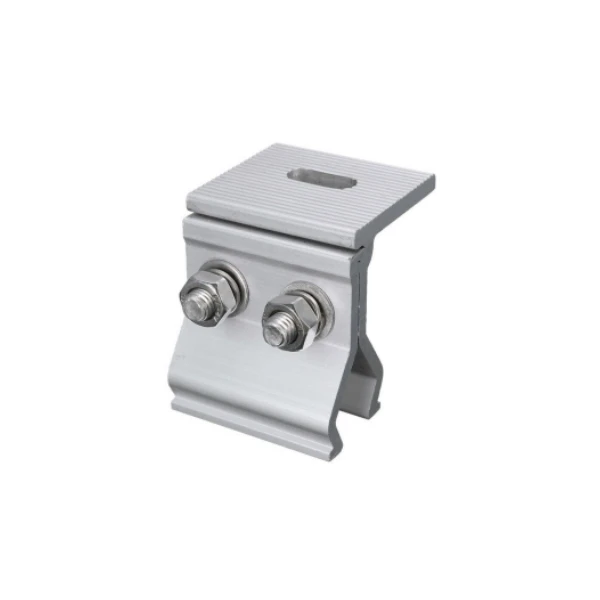
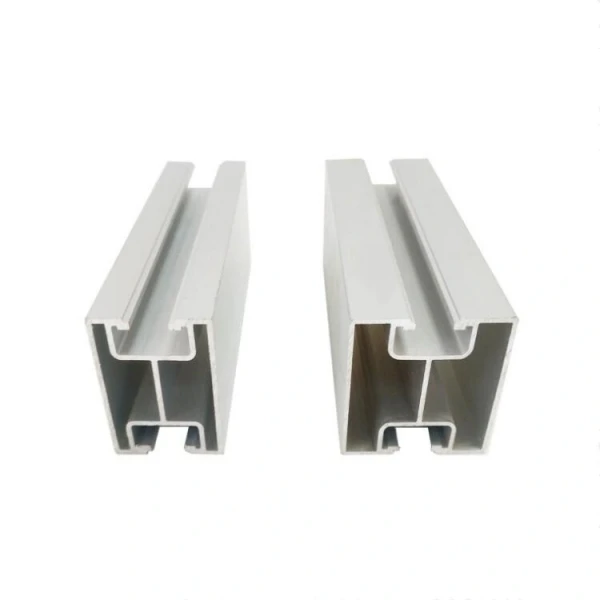
High-strength aluminum alloys such as 6005-T5 e 6063-T6 have become the preferred materials for rooftop solar mounting systems in coastal regions.
Their naturally formed oxide layer provides excellent protection against corrosion, while their low weight reduces transportation costs and simplifies installation.
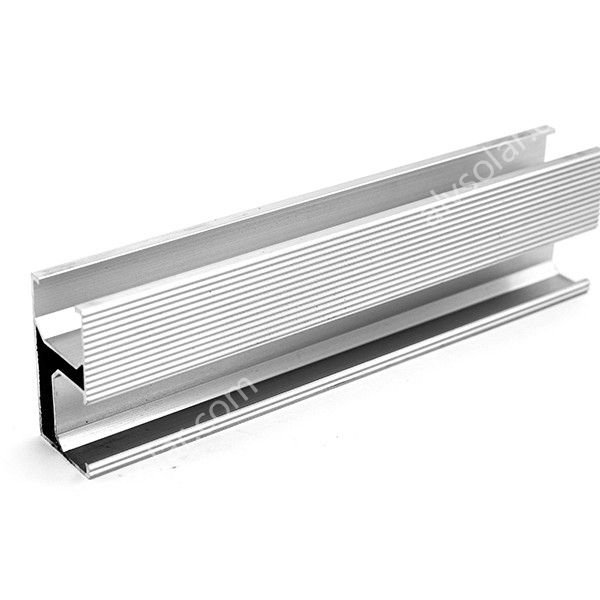
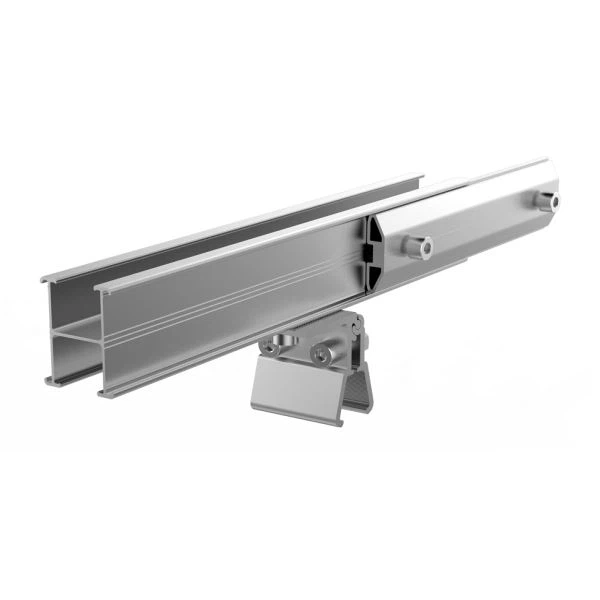
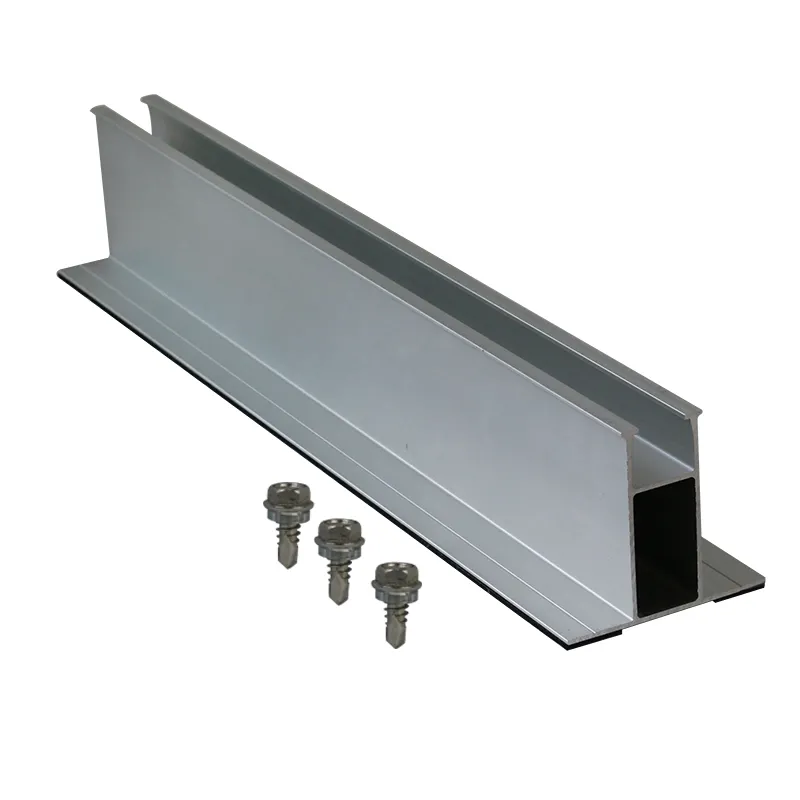
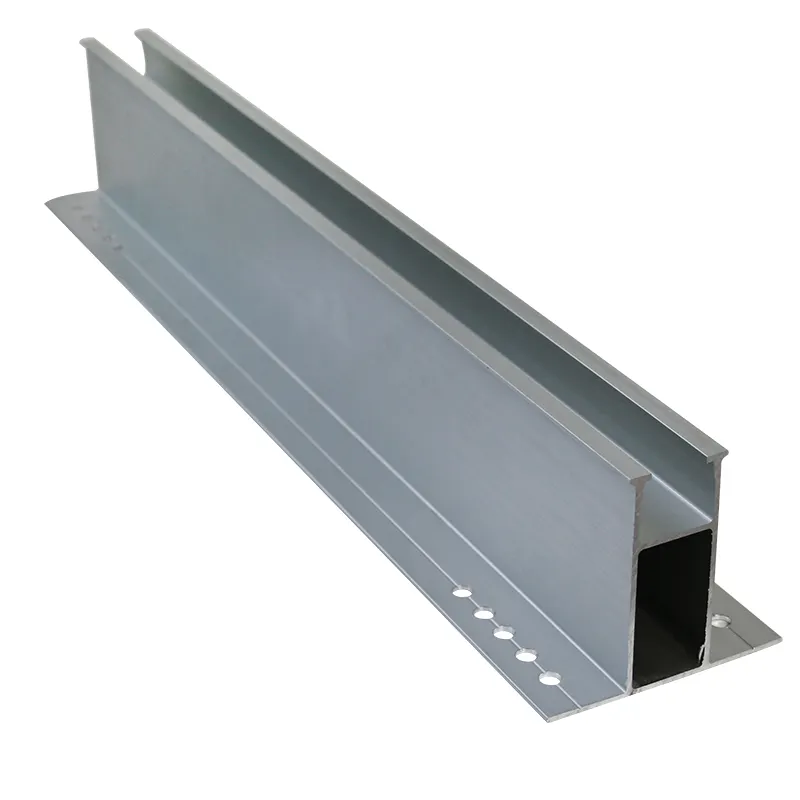
Most premium rooftop mounting systems supplied by ALV use anodized aluminum rails designed to deliver long-term structural stability in humid and salt-rich environments.
Compared with heavier steel structures, aluminum also allows installers to reduce roof loads while maintaining excellent mechanical performance.
Stainless Steel: Essential for Critical Components
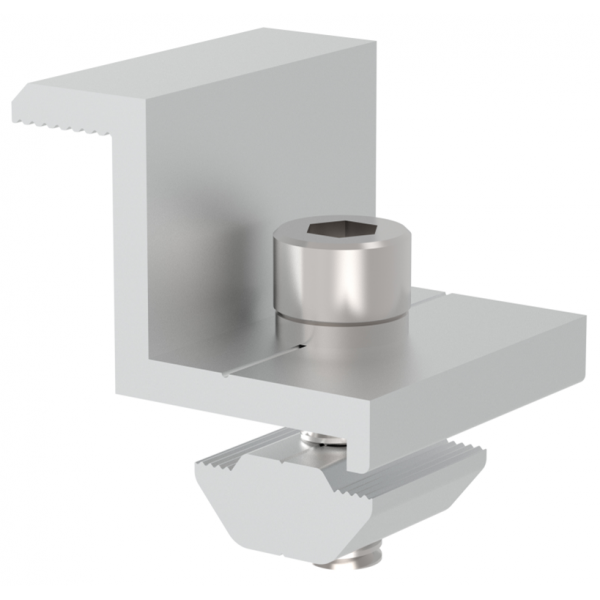
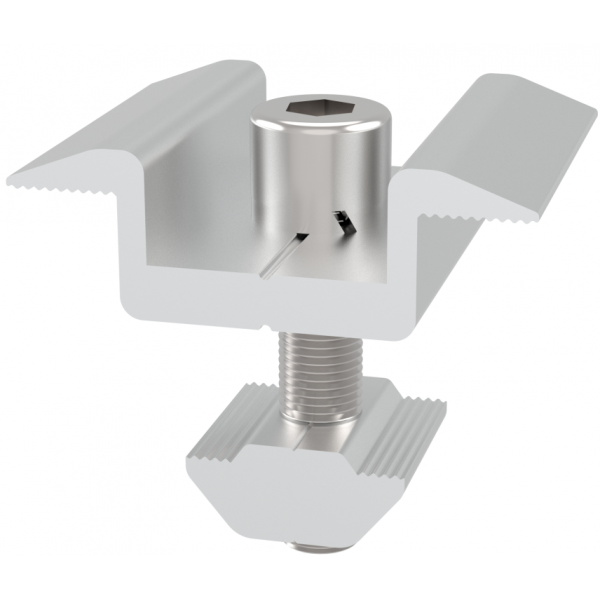
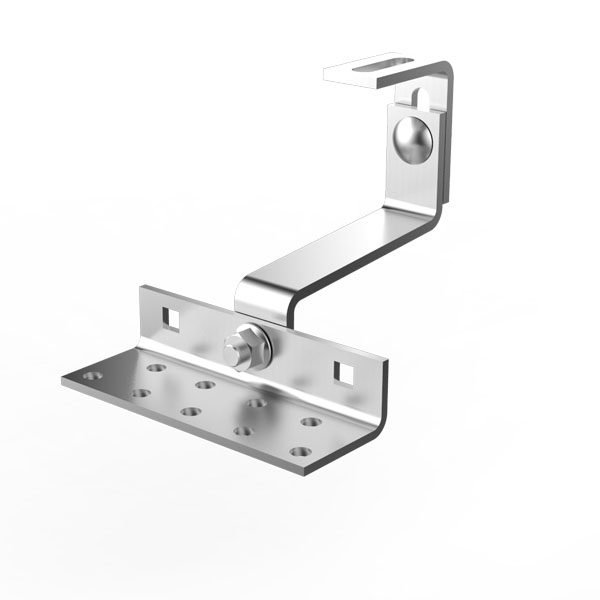
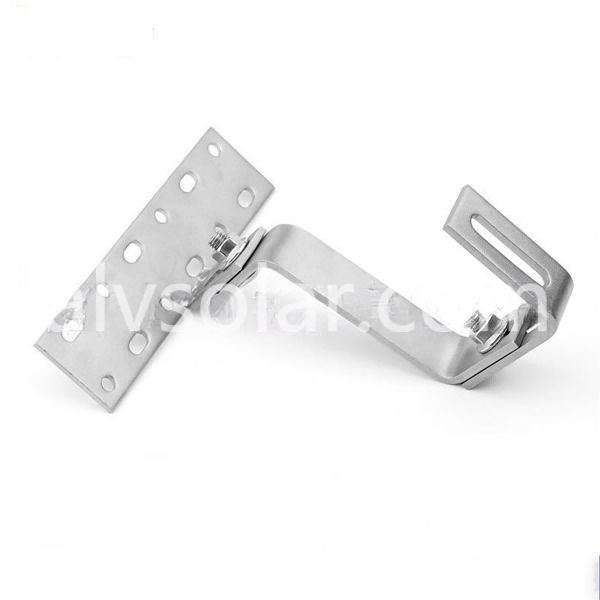
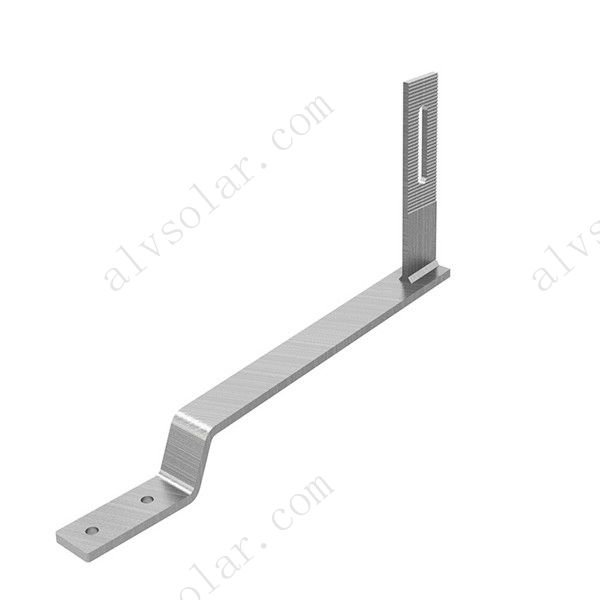
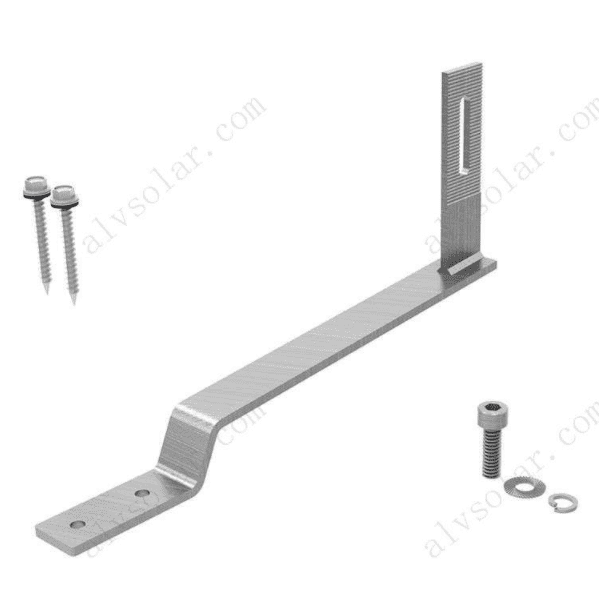
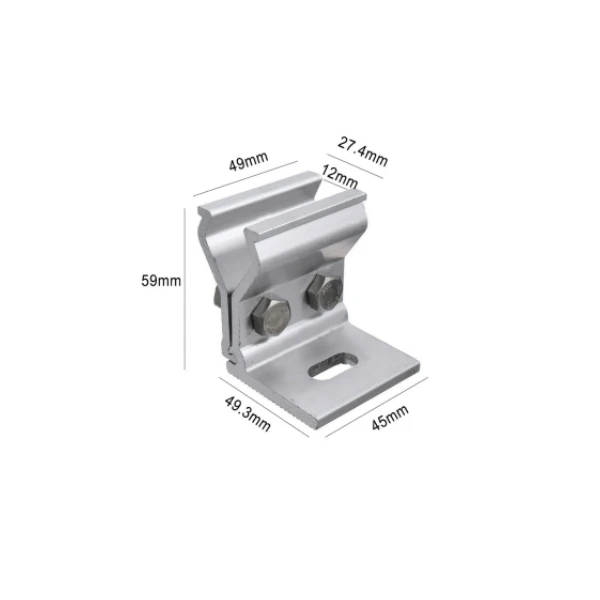
While aluminum is ideal for rails and structural profiles, stainless steel remains the preferred material for roof hooks, bolts, clamps, and fasteners.
SUS304
SUS304 offers excellent corrosion resistance for most coastal projects and is widely used in residential and commercial rooftop systems.
SUS316
For installations located within a few kilometers of the coastline or in highly corrosive marine environments, SUS316 provides even greater resistance to chloride-induced corrosion because of its molybdenum content.
Many ALV coastal mounting systems combine anodized aluminum rails with SUS316 fasteners to maximize durability while controlling overall project costs.
Is Hot-Dip Galvanized Steel Still Suitable?
Hot-dip galvanized (HDG) steel remains an excellent choice for many large ground-mounted solar projects because of its outstanding structural strength and competitive cost.
However, in coastal areas, galvanized coatings can deteriorate more quickly when exposed to continuous salt spray, especially if the coating is damaged during transportation or installation.
Where HDG steel is used near the coast, designers should carefully evaluate coating thickness, environmental conditions, and maintenance requirements in accordance with project specifications.
Corrosion Resistance Comparison
| Property | Alumínio | SUS304 | SUS316 | HDG Steel |
| Salt Spray Resistance | Excelente | Excelente | Fora do comum | Bom |
| Maintenance | Very Low | Low | Very Low | Moderate |
| Coastal Suitability | ★★★★★ | ★★★★☆ | ★★★★★ | ★★☆☆☆ |
| Peso | Light | Médio | Médio | Pesado |
| Relative Cost | $$ | $$$ | $$$$ | $ |
International Standards to Consider
When selecting mounting materials for coastal solar projects, compliance with recognized international standards is essential.
| Standard | Purpose |
| ISO 9227 | Teste de corrosão por névoa salina |
| ASCE 7-22 | Wind load calculations |
| EN 1991 | Wind and snow load design |
| ISO 12944 | Corrosion protection for steel structures |
ISO 9227 is widely used to evaluate corrosion resistance through neutral salt spray testing, making it one of the most relevant standards when comparing materials for coastal solar mounting applications.
Why Material Selection Affects Total Project Cost
Choosing the cheapest material does not always result in the lowest lifecycle cost.
A corrosion-resistant mounting system can reduce maintenance, minimize replacement needs, and improve long-term system reliability.
According to the National Renewable Energy Laboratory (NREL), balance-of-system components—including mounting structures—play an important role in ensuring long-term photovoltaic system performance and reducing lifetime operating costs.
For projects located near coastlines, investing in higher-grade materials often delivers better long-term value than focusing solely on initial purchase price.
Por que escolher ALV for Coastal Solar Projects?
At ALV, we understand that coastal solar installations require more than standard mounting systems.
Our engineering team evaluates environmental conditions, wind loads, corrosion risks, and project requirements before recommending suitable material combinations.
ALV coastal mounting solutions feature:
- High-strength anodized aluminum rails
- SUS304 or SUS316 stainless steel fasteners
- Customized structural engineering
- Compliance with international standards
- Solutions for residential, commercial, and utility-scale projects
- Technical support for EPC contractors and distributors worldwide
By combining durable materials with project-specific engineering, ALV helps customers improve installation efficiency while extending the service life of their solar mounting systems.
Perguntas frequentes
1. What is the best material for solar mounting systems in coastal areas?
For most coastal projects, anodized aluminum alloy combined with SUS304 or SUS316 stainless steel fasteners is considered the best choice. Aluminum offers excellent corrosion resistance and lightweight performance, while stainless steel provides the strength and durability needed for critical components such as roof hooks, bolts, and clamps.
2. Is aluminum better than galvanized steel for coastal solar projects?
In many coastal environments, yes. Aluminum naturally forms a protective oxide layer that resists corrosion, whereas galvanized steel relies on a zinc coating that can degrade over time if exposed to continuous salt spray or physical damage. For rooftop systems near the ocean, aluminum is generally the preferred option.
3. When should SUS316 stainless steel be used instead of SUS304?
SUS316 is recommended for projects located very close to the coastline, on islands, or in highly corrosive marine environments. The addition of molybdenum improves resistance to chloride-induced corrosion, making SUS316 particularly suitable for harsh coastal conditions.
4. Can galvanized steel still be used near the coast?
Yes, but it depends on the environment and project requirements. Hot-dip galvanized steel can perform well when properly protected and maintained, especially in ground-mounted systems farther from direct marine exposure. However, aluminum and stainless steel are generally preferred for long-term durability in aggressive coastal climates.
5. What standards should coastal solar mounting materials comply with?
Look for products tested or designed in accordance with recognized standards such as:
- ISO 9227 – Salt spray corrosion testing
- ISO 12944 – Corrosion protection for steel structures
- ASCE 7-22 – Structural wind load calculations
- EN 1991 (Eurocódigo 1) – Wind and snow load design
These standards help verify material performance and structural reliability under demanding environmental conditions.
6. How long do solar mounting systems last in coastal areas?
The service life depends on the material, installation quality, and environmental conditions. High-quality anodized aluminum rails combined with stainless steel fasteners can typically provide 30 anos ou mais Apresentam desempenho confiável com manutenção mínima, tornando-os adequados para a vida útil dos modernos sistemas fotovoltaicos.
7. A corrosão afeta o desempenho do sistema de montagem solar?
Sim. A corrosão pode enfraquecer os componentes estruturais, reduzir a capacidade de carga e aumentar os custos de manutenção se não for controlada. A seleção de materiais resistentes à corrosão e a realização de inspeções regulares são essenciais para manter a segurança e a confiabilidade das instalações solares em ambientes costeiros.
8. Por que escolher ALV Para projetos de montagem de energia solar em áreas costeiras?
A ALV fornece soluções de montagem solar projetadas especificamente para ambientes com alta umidade, salinidade e ventos fortes. Combinando estruturas de alumínio anodizado, componentes de aço inoxidável SUS304 ou SUS316 e suporte de engenharia personalizado, a ALV ajuda empreiteiras EPC, distribuidores e instaladores a melhorar a confiabilidade do projeto a longo prazo, reduzindo as necessidades de manutenção.
Considerações finais
Não existe um material universal para todos os projetos de energia solar, mas para a maioria das aplicações costeiras, o alumínio anodizado combinado com aço inoxidável oferece o melhor equilíbrio entre resistência à corrosão, desempenho estrutural e valor ao longo do ciclo de vida. A seleção de materiais deve sempre levar em consideração as condições ambientais, os requisitos estruturais e a manutenção a longo prazo, e não apenas o custo inicial.
Escolher um parceiro de engenharia confiável é igualmente importante. Com vasta experiência em ambientes costeiros e de alta corrosão, ALV Fornece soluções confiáveis de montagem solar, projetadas para suportar condições marítimas adversas e décadas de geração de energia limpa.
Pronto para construir um projeto de energia solar resistente à corrosão?
Quer o seu projeto esteja localizado no litoral, numa ilha ou noutro ambiente de elevada corrosão, ALV Pode ajudá-lo a selecionar os materiais de montagem e a solução estrutural adequados.
Contato ALV hoje Solicite uma consulta de engenharia gratuita, recomendações de materiais personalizados ou orçamentos competitivos para o seu próximo projeto de energia solar costeira.