

Qual sistema de montagem solar funciona melhor para o seu tipo de telhado? (2026)

Last Updated: August 25th,2026
Autor: Devi Huang | International Sales Team, ALV
Devi Huang faz parte da equipe de vendas internacionais da ALV, fabricante de sistemas de montagem solar e perfis de alumínio. Ela trabalha com empreiteiras EPC, distribuidores e desenvolvedores de projetos em todo o mundo, ajudando os clientes a escolher as soluções de montagem mais adequadas com base nos requisitos do projeto, nas normas locais e no orçamento.
The best solar mounting system depends on your roof type, structural conditions, and local climate.
Tile roofs usually perform best with stainless steel roof hooks and aluminum rails, standing seam metal roofs benefit from non-penetrating clamp systems, while flat concrete roofs often require ballasted or anchored mounting. Choosing the right solution improves installation efficiency, waterproof performance, and long-term structural reliability.
According to the National Renewable Energy Laboratory (NREL), proper roof attachment design is one of the most important factors affecting the long-term safety and durability of rooftop photovoltaic systems.
Why Does Roof Type Matter?
Many homeowners assume that solar panels can be installed the same way on every roof. In reality, different roofing materials have unique structural characteristics that require different mounting methods.
A mounting system must safely transfer wind and snow loads into the building structure while protecting the roof from leaks and premature damage. The wrong attachment method can increase maintenance costs and reduce the lifespan of both the roof and the solar system.
The Agência Internacional de Energia (IEA) reports that rooftop photovoltaic systems continue to play a critical role in global renewable energy expansion, driven by falling installation costs and increasing demand for distributed solar generation. As rooftop installations grow worldwide, selecting the correct mounting system has become more important than ever.
Solar Mounting Systems for Different Roof Types
Choosing the right mounting system begins with identifying your roof structure. The table below summarizes the most common roof types and the recommended mounting solutions.
| Roof Type | Recommended Mounting System | Roof Penetration | Typical Service Life | Recommended Material |
| Clay / Concrete Tile | Roof Hook + Rail | Yes | 30+ Years | Alumínio + SUS304 |
| Standing Seam Metal | Clamp Mount | No | 30+ Years | Alumínio |
| Trapezoidal Metal | L Foot / Mini Rail | Yes | 25–30 Years | Alumínio |
| Asphalt Shingle | Flashing + Rail | Yes | 25–30 Years | Alumínio |
| Flat Concrete Roof | Ballasted or Anchored | Optional | 30+ Years | HDG Steel / Aluminum |
1. Tile Roofs: Roof Hook Systems Remain the Industry Standard
Tile roofs are widely used across Europe, Australia, and many residential markets because of their durability and appearance. However, roof tiles themselves are not designed to support structural loads.
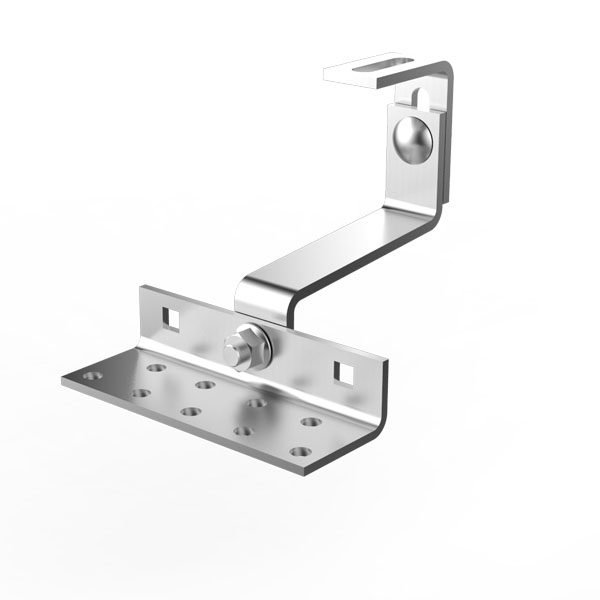
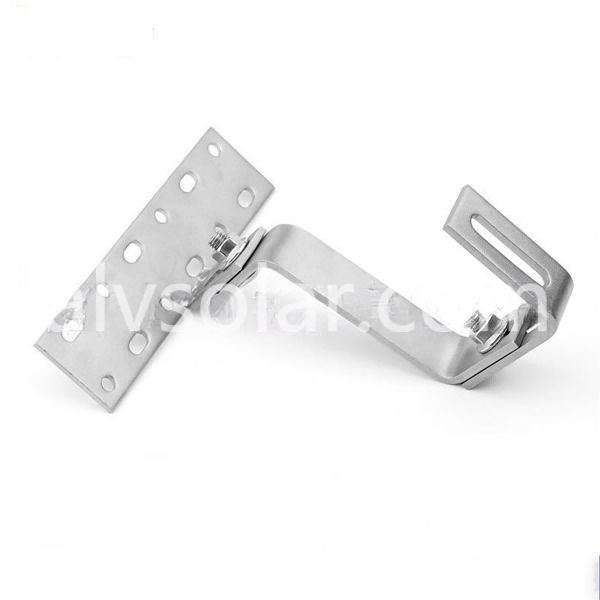
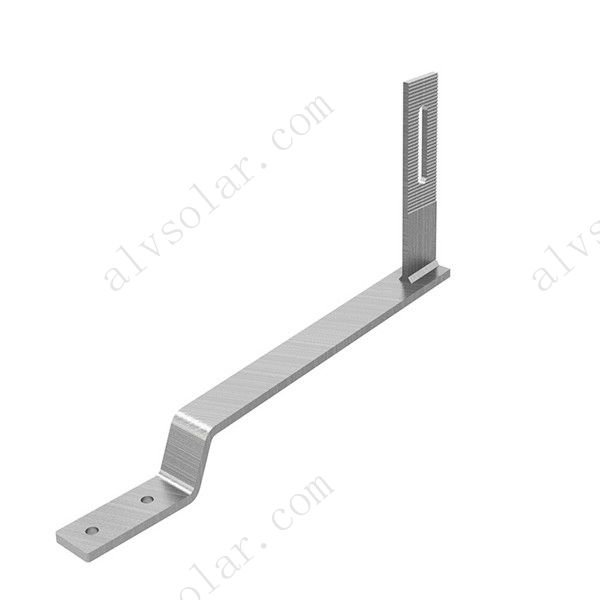
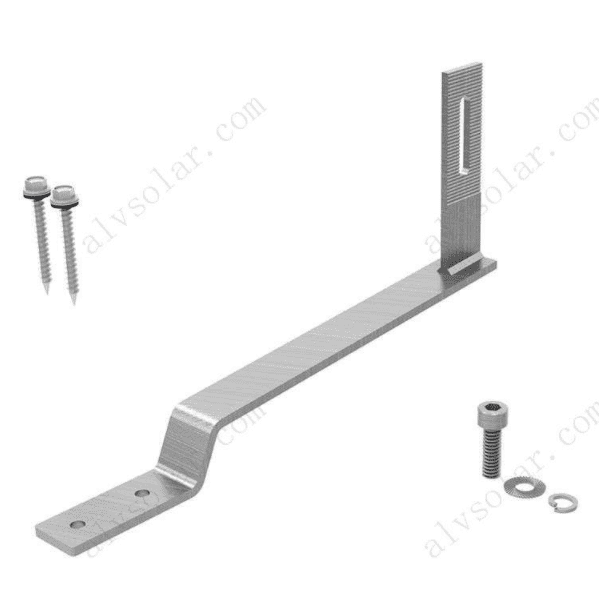
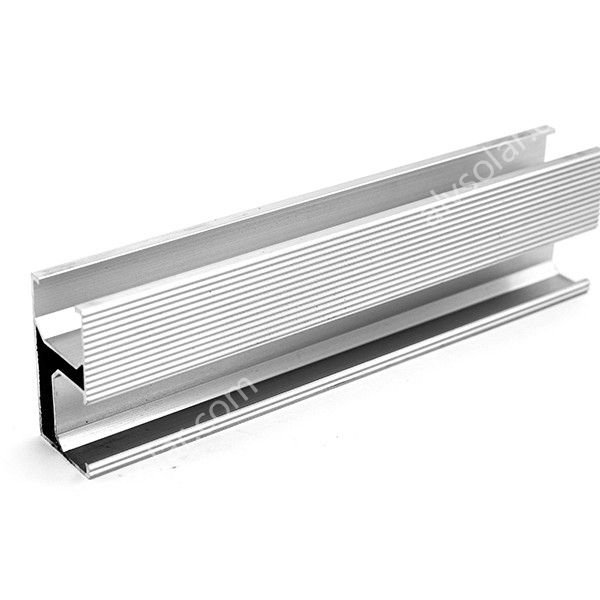
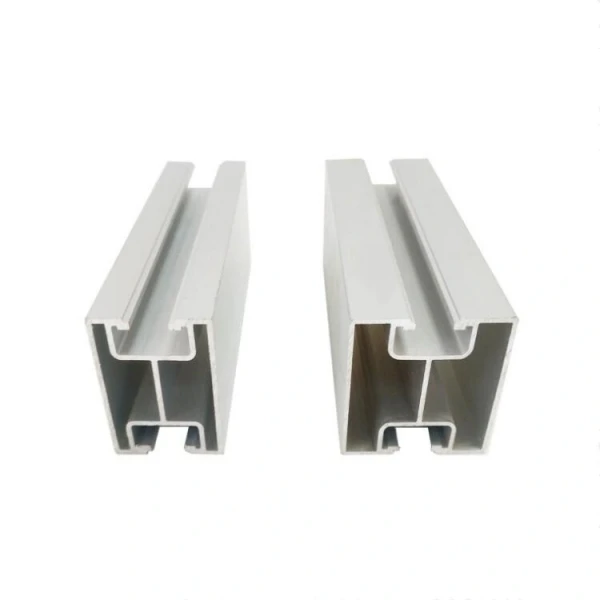
Instead, stainless steel roof hooks are fixed directly to the rafters beneath the tiles. Aluminum rails are then attached to these hooks, creating a strong and reliable support structure for the solar modules while preserving the roof’s waterproof performance.
At ALV, our tile roof mounting systems are engineered with adjustable roof hooks, anodized aluminum rails, and high-strength stainless steel fasteners. This combination allows installers to achieve precise alignment while minimizing tile modifications and installation time.
2. Standing Seam Metal Roofs: The Fastest Installation Option
Standing seam metal roofs are among the easiest roofing systems for solar installation.
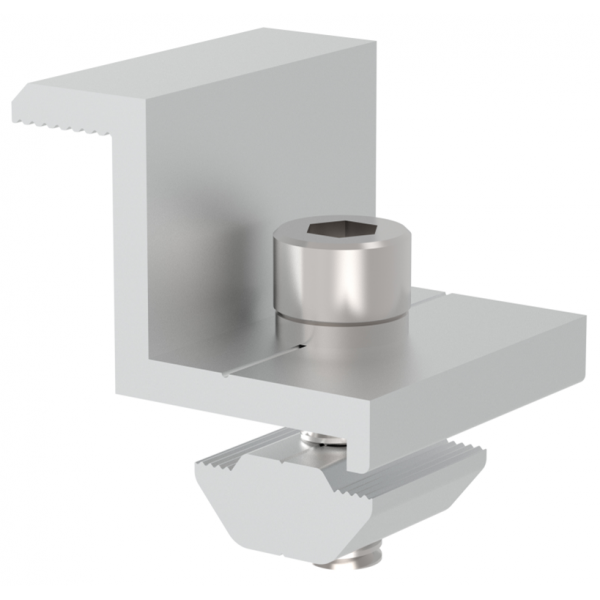
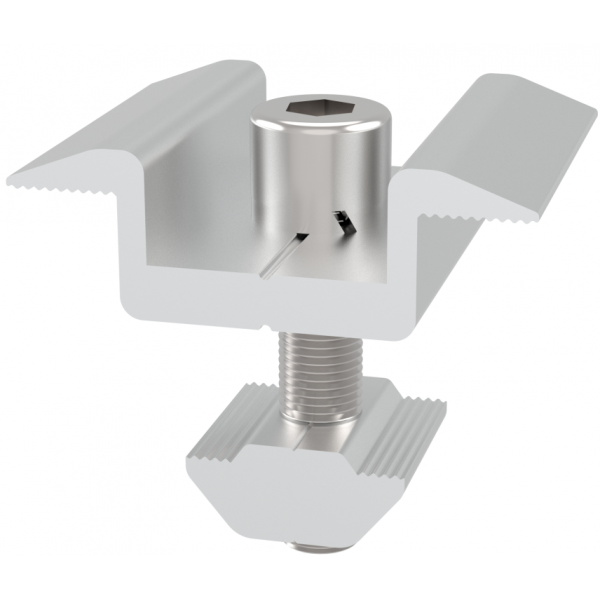
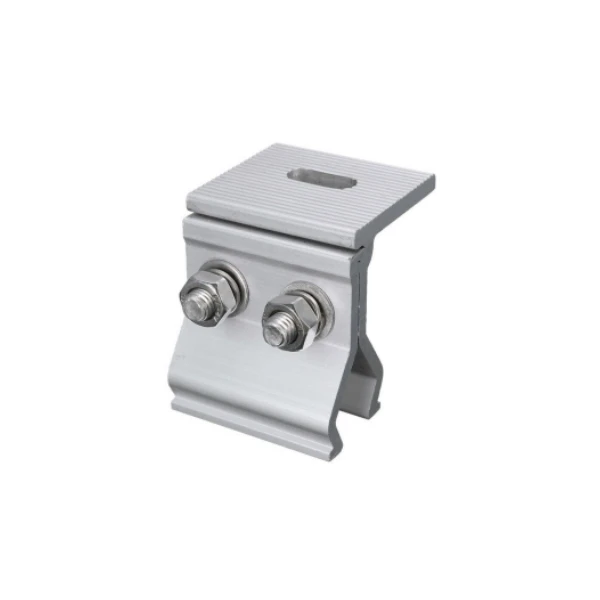
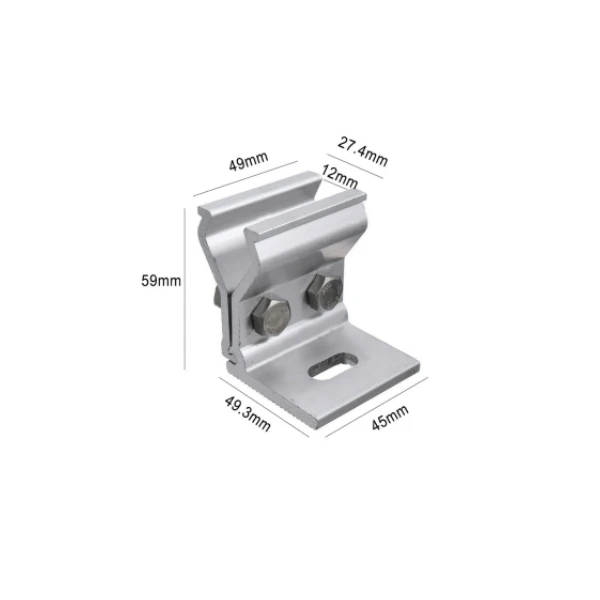
Instead of drilling through the roof, specialized aluminum clamps attach directly to the standing seams, eliminating roof penetrations and significantly reducing installation time.
Because waterproof layers remain untouched, clamp-based systems also lower the risk of future roof leaks.
For commercial and industrial projects, ALV offers a range of non-penetrating standing seam clamps compatible with major roofing profiles, helping EPC contractors complete installations more efficiently.
3. Trapezoidal Metal Roofs: Cost-Effective and Reliable
Trapezoidal metal roofs are commonly found on warehouses, factories, and commercial buildings.
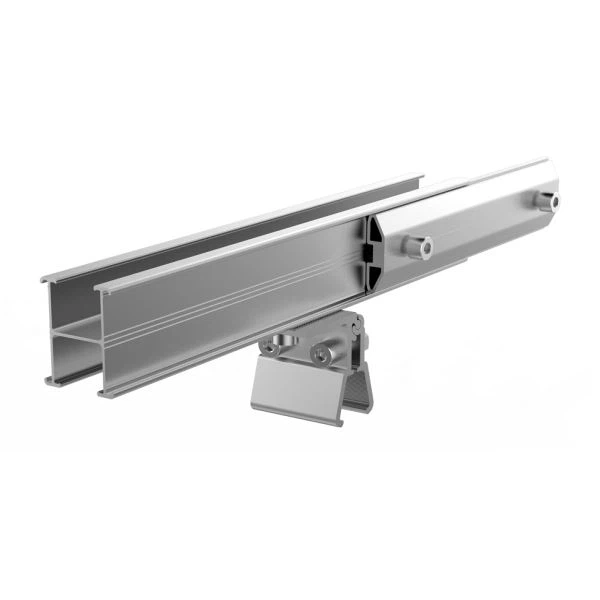
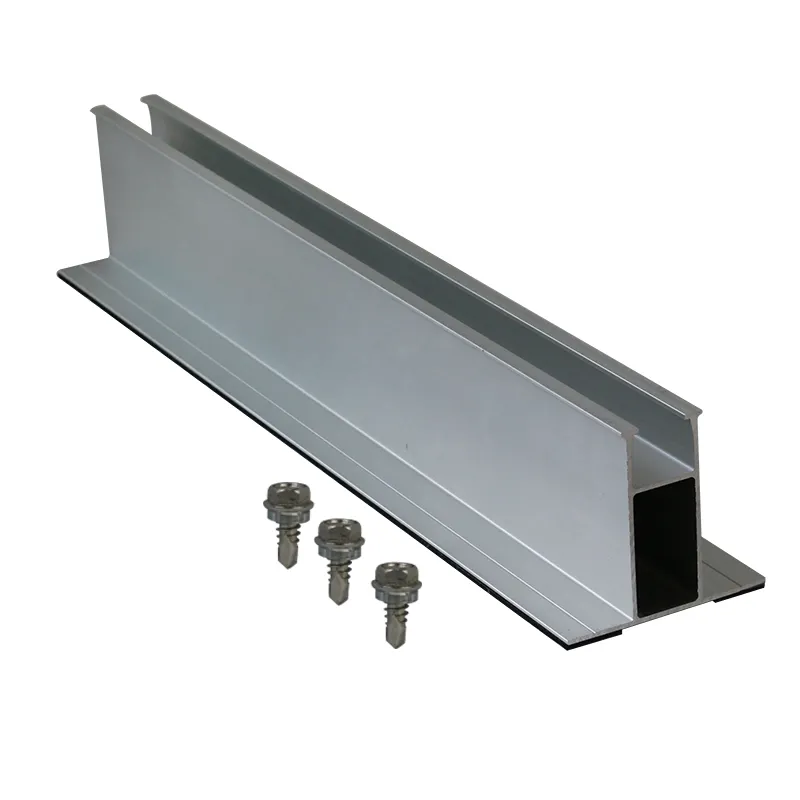
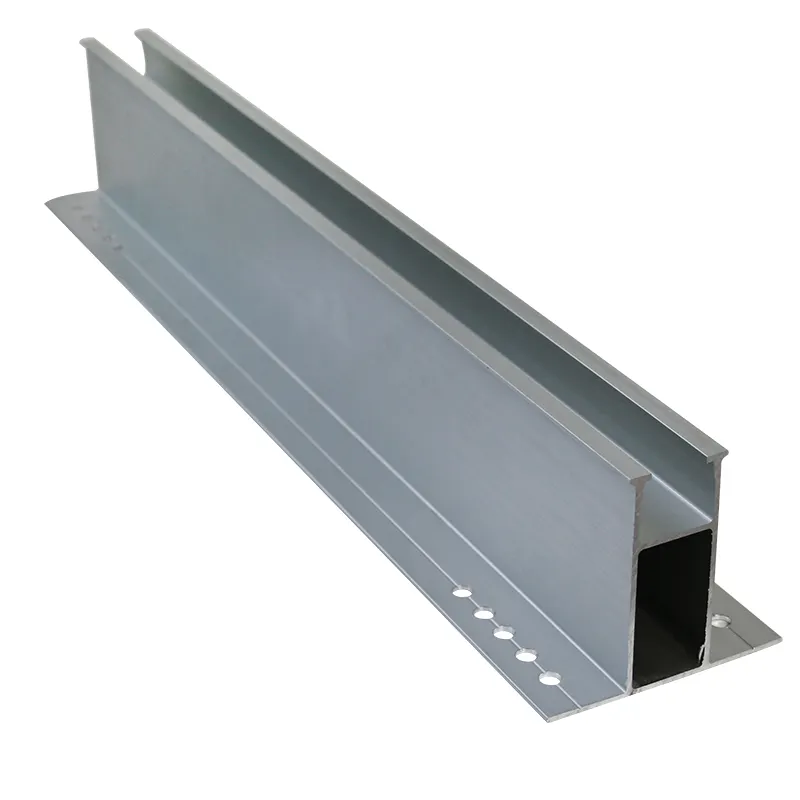
These roofs typically use either L-feet with aluminum rails or mini rail systems attached using self-drilling screws and EPDM sealing washers.
Mini rail systems have become increasingly popular because they reduce aluminum consumption while shortening installation time.
For projects focused on lowering logistics costs without compromising structural integrity, ALV’s mini rail systems provide an efficient solution suitable for a wide range of commercial rooftops.
4. Asphalt Shingle Roofs: Waterproofing Comes First
Asphalt shingle roofs dominate the residential solar market in North America.
Because shingles rely on overlapping layers for waterproofing, flashing components are essential whenever roof penetrations are required.
Properly installed flashing directs rainwater away from attachment points and helps prevent moisture intrusion over decades of service.
Industry best practices published by NREL recommend integrating flashing systems into rooftop photovoltaic installations to maintain long-term roof performance and reduce water-related failures.
Source: NREL – Best Practices for PV Roof Installations.
5. Flat Concrete Roofs: Ballasted or Anchored?
Flat roofs provide greater flexibility in module orientation and tilt angle, making them common for commercial buildings.
Most flat roof systems use either:
- Ballasted mounting (no roof penetration)
- Anchored mounting (mechanically fixed)
Ballasted systems reduce roof penetrations but require sufficient roof load capacity, while anchored systems provide greater resistance in regions with high wind speeds.
According to ASCE 7-22, wind loads should always be evaluated during structural design to ensure the safety and stability of rooftop photovoltaic systems, particularly for large commercial installations.
Material Comparison
The materials used in a mounting system directly affect its lifespan, corrosion resistance, and maintenance requirements.
| Material | Resistência à corrosão | Peso | Força | Typical Application |
| Alumínio 6005-T5 | Excelente | Leve | Alto | Rails & Structural Profiles |
| Stainless Steel SUS304 | Excelente | Médio | Muito alto | Roof Hooks & Fasteners |
| Stainless Steel SUS316 | Fora do comum | Médio | Muito alto | Coastal Projects |
| Aço galvanizado a quente | Bom | Pesado | Excelente | Ground & Flat Roof Systems |
Research published by Fraunhofer ISE highlights that aluminum remains one of the preferred structural materials for rooftop photovoltaic mounting because it combines lightweight properties with excellent corrosion resistance and long-term durability. These characteristics help reduce installation labor while supporting the expected service life of modern PV systems.
Which Mounting System Is Best?
There is no single “best” solar mounting system for every project.
The ideal solution depends on your roof type, local climate, structural requirements, and installation goals.
| Roof Type | Best Choice |
| Tile Roof | Roof Hook + Rail |
| Standing Seam Roof | Clamp System |
| Trapezoidal Roof | Mini Rail |
| Asphalt Roof | Flashing + Rail |
| Flat Roof | Ballasted / Anchored |
Instead of selecting a mounting system based only on price, consider the total lifecycle value, including installation efficiency, corrosion resistance, maintenance costs, and structural reliability.
With extensive experience supporting residential, commercial, and utility-scale projects worldwide, ALV helps installers and EPC contractors select mounting solutions tailored to specific roof structures and environmental conditions. Our engineering team provides project-specific design support to improve installation efficiency while ensuring compliance with internationally recognized standards.
Perguntas frequentes
1. Can solar panels be installed on any roof type?
Yes, solar panels can be installed on most roof types, including tile, standing seam metal, trapezoidal metal, asphalt shingle, and flat concrete roofs. However, each roof requires a different mounting system to ensure structural safety, waterproof performance, and long-term durability. Choosing the correct mounting solution also helps reduce installation time and maintenance costs.
2. Which roof type is easiest for solar installation?
Standing seam metal roofs are generally considered the easiest roof type for solar installations because clamp-based mounting systems attach directly to the roof seams without drilling. This reduces labor time, preserves the roof’s waterproof layer, and minimizes maintenance requirements over the system’s lifetime.
3. What is the most durable solar mounting material?
High-strength aluminum alloy (such as 6005-T5) combined with SUS304 or SUS316 stainless steel fasteners offers the best balance of durability, corrosion resistance, and lightweight performance. For coastal projects, SUS316 stainless steel provides superior resistance to salt spray corrosion.
4. Can installing solar panels damage my roof?
No. When installed using the appropriate mounting system and by qualified professionals, solar panels should not damage your roof. Proper flashing, waterproof seals, and structural attachment methods help protect the roof while maintaining long-term weather resistance.
5. What is the difference between ballasted and anchored mounting systems?
Ballasted systems use weighted blocks to secure the solar array without penetrating the roof, making them suitable for flat roofs with adequate load-bearing capacity. Anchored systems are mechanically fixed to the building structure and are often preferred in regions with high wind speeds or strict structural requirements.
6. How long do rooftop solar mounting systems last?
Premium solar mounting systems typically have a service life of 25 to 30 years or more, depending on the materials, environmental conditions, and maintenance practices. High-quality aluminum rails and stainless steel components are designed to match the lifespan of modern photovoltaic modules.
7. How do I choose the best solar mounting system?
The best choice depends on several factors, including roof type, wind and snow loads, local building codes, panel layout, and budget. Consulting with an experienced mounting manufacturer such as ALV can help ensure the system is optimized for safety, installation efficiency, and long-term performance.
8. Por que escolher ALV for solar mounting solutions?
ALV specializes in engineered solar mounting systems for residential, commercial, and utility-scale projects. Our solutions are designed with high-strength materials, customized engineering support, and international project experience to help installers complete projects more efficiently and reliably.
Por que escolher ALV?
Escolher o parceiro de montagem certo é tão importante quanto escolher o sistema de montagem certo.
At ALVNós projetamos e fabricamos soluções de montagem solar para uma ampla variedade de tipos de telhado e requisitos de projeto. Nossos produtos são construídos com ligas de alumínio de alta resistência e componentes de aço inoxidável, e cada projeto conta com o suporte de especialistas em engenharia focados em segurança estrutural, eficiência de instalação e durabilidade a longo prazo.
Quer esteja a trabalhar num telhado residencial, num armazém comercial ou numa instalação de grande escala, a ALV pode fornecer soluções de montagem personalizadas, apoiadas por suporte técnico e experiência global em projetos.
Pronto para encontrar a solução de montagem ideal?
Cada telhado é diferente, e selecionar o sistema de montagem correto pode melhorar a velocidade de instalação, reduzir a manutenção e maximizar a vida útil do seu investimento em energia solar.
Contato ALV hoje Para receber uma avaliação gratuita do seu projeto, recomendações de montagem personalizadas, suporte técnico ou um orçamento competitivo sob medida para o seu próximo projeto de energia solar, entre em contato conosco.