

What Is a Solar Mounting System? A Complete Guide for Homeowners, EPCs, and Solar Developers

Last Updated: July 29th, 2026
Author: Devi Huang | International Sales Team, АЛВ
Devi Huang is part of the international sales team at ALV, a manufacturer of solar mounting systems and aluminum profiles. She works with EPC contractors, distributors, and project developers worldwide, helping customers choose the right mounting solutions based on project requirements, local standards, and budget.
Quick Answer
А solar mounting system is the structural framework that securely supports solar panels on rooftops, the ground, carports, or other structures. It keeps photovoltaic (PV) modules at the correct angle, transfers wind and snow loads safely to the building or foundation, and ensures long-term system stability. A high-quality mounting system is designed to last 25–40 years, matching or even exceeding the lifespan of modern solar panels.
Table of Contents
What Is a Solar Mounting System?
How Does a Solar Mounting System Work?
Why Is a Solar Mounting System Important?
Main Components of a Solar Mounting System
Types of Solar Mounting Systems
Common Materials Used
How to Choose the Right Mounting System
Engineering Insight from ALV
International Standards
Why Choose ALV?
Часто задаваемые вопросы
Key Takeaways
A solar mounting system securely supports and protects PV modules.
Most mounting systems are designed to last 25–40 years.
Aluminum and galvanized steel are the two most common materials.
Proper structural design is just as important as panel efficiency.
International standards such as ASCE 7, EN 1991, и ISO 9227 help ensure safety and durability.
Choosing the right mounting system improves installation efficiency, reduces maintenance, and maximizes long-term return on investment.
What Is a Solar Mounting System?
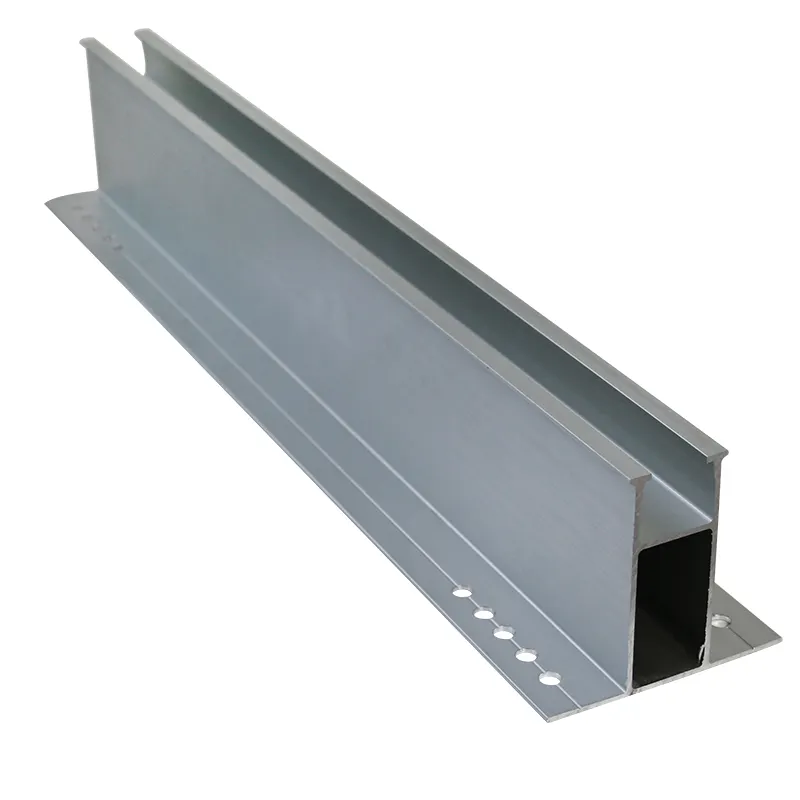
A solar mounting system, also known as a PV mounting system or solar racking system, is the structural support that holds photovoltaic panels securely in place. It connects the solar modules to a roof, ground foundation, carport, or other supporting structure while maintaining the correct tilt angle and orientation for maximum energy production.
Although solar panels generate electricity, the mounting system provides the structural stability that allows the entire PV system to operate safely for decades.
According to the U.S. Department of Energy (DOE), most modern photovoltaic systems are designed to operate for 25–35 years. Therefore, the mounting system should provide equal or greater durability to protect the long-term investment.
How Does a Solar Mounting System Work?
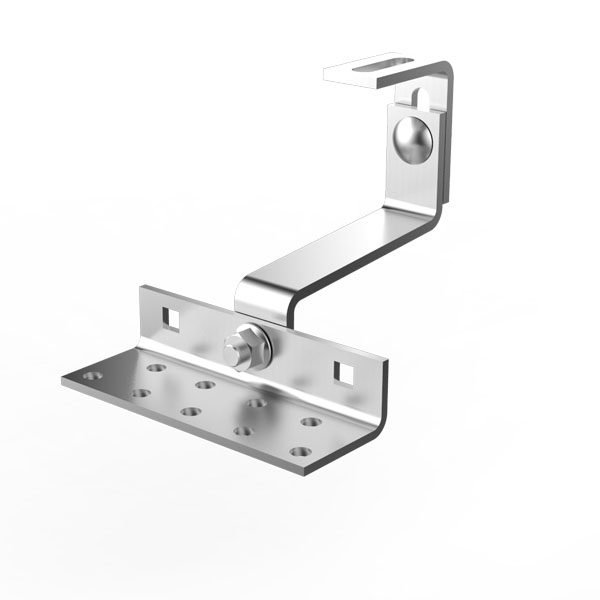
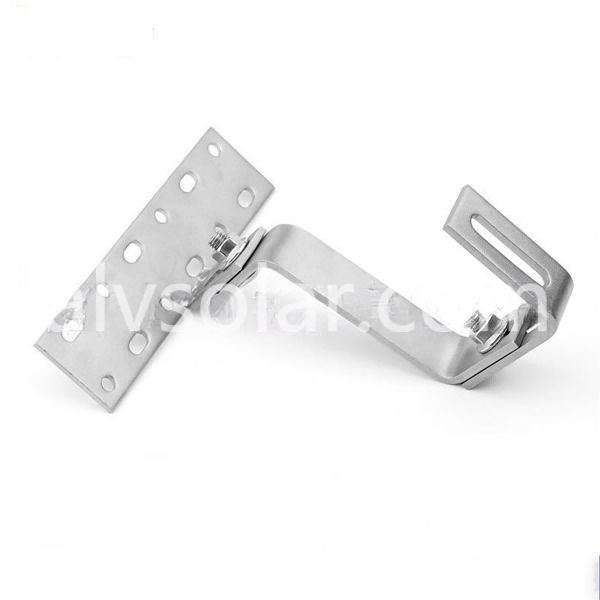
- Brackets are fixed to the roof or foundation.
- Rails are installed.
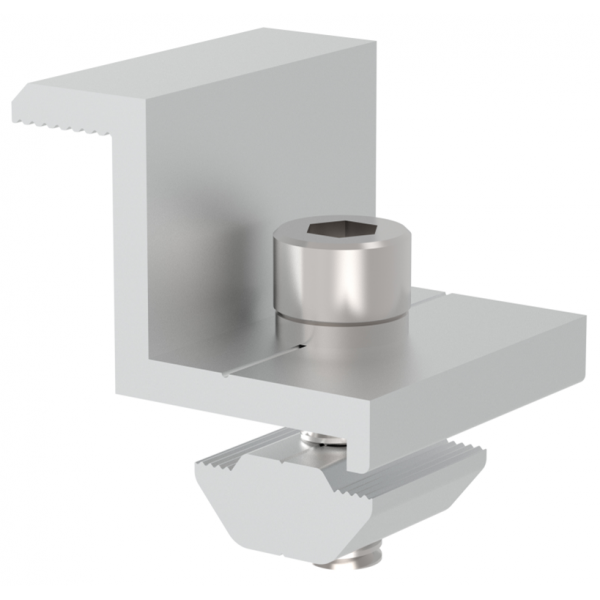
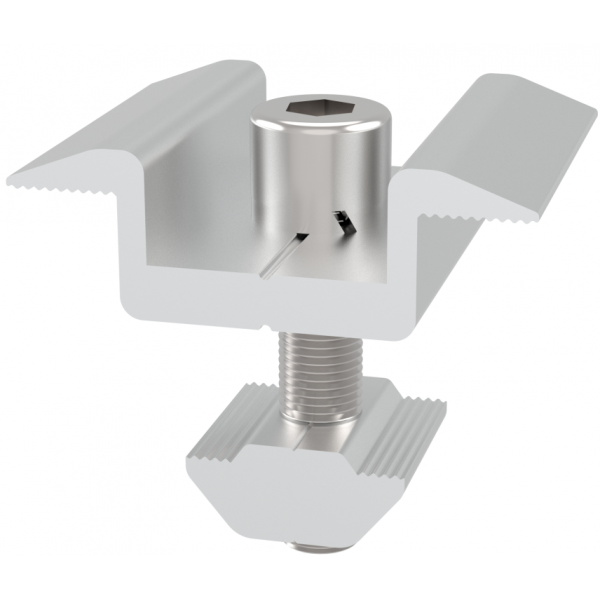
- Solar panels are secured with clamps.
- The structure transfers wind and snow loads safely to the building.
Why Is a Solar Mounting System Important?
A solar mounting system does much more than simply hold solar panels.
Its primary functions include:
- Supporting the weight of PV modules.
- Resisting wind, snow, and seismic loads.
- Maintaining the optimal tilt angle for energy production.
- Protecting roof waterproofing and structural integrity.
- Improving installation efficiency and long-term reliability.
Without a properly engineered mounting structure, even the highest-efficiency solar panels cannot perform safely or reliably.
Main Components of a Solar Mounting System
| Component | Function |
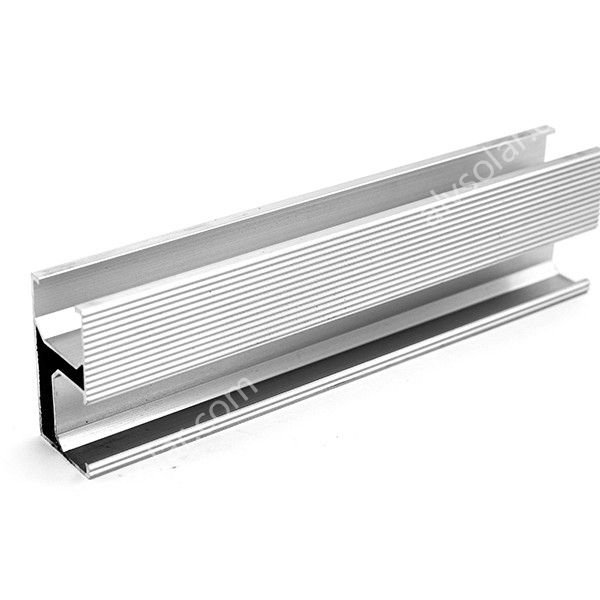
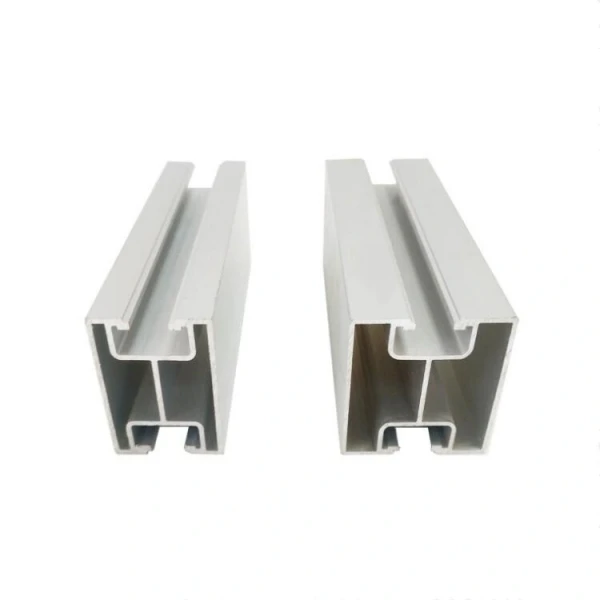
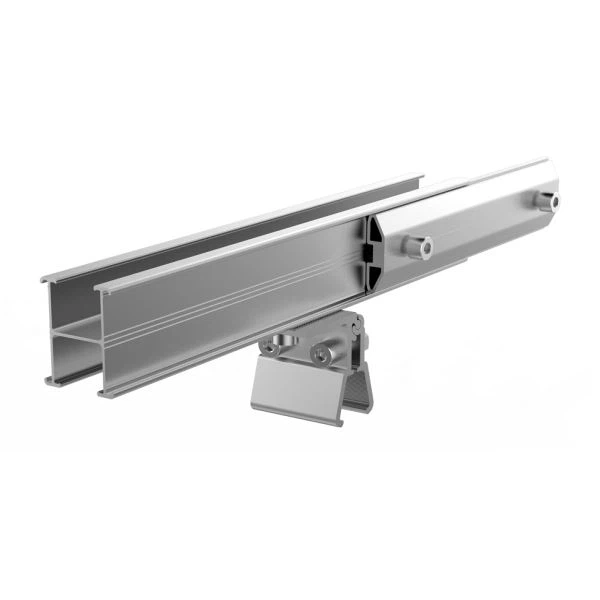
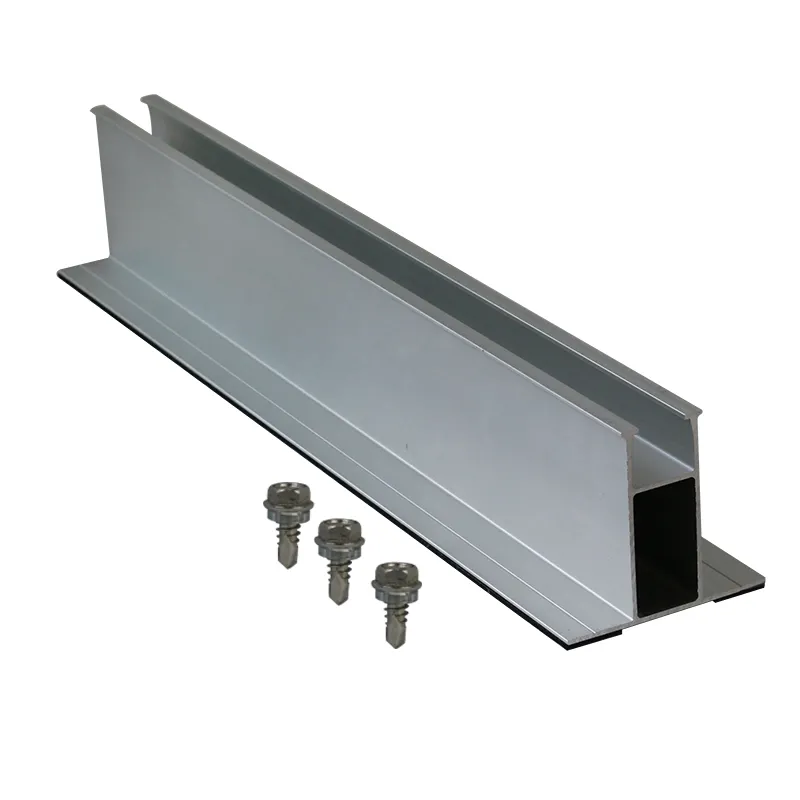
| Рельсы | Support and align solar panels |
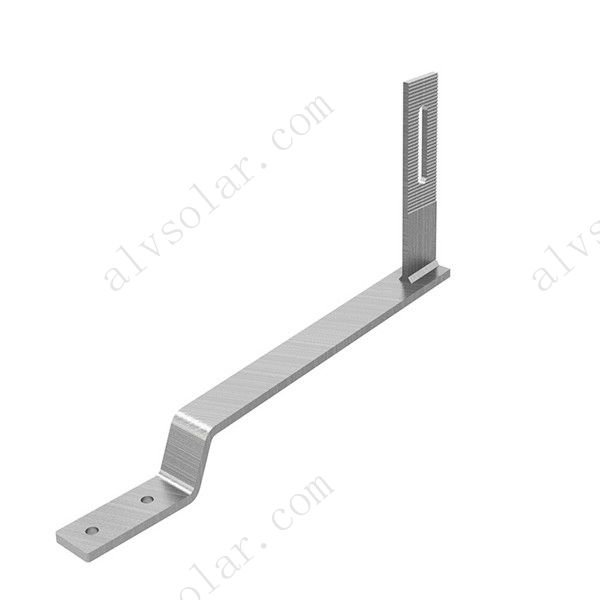
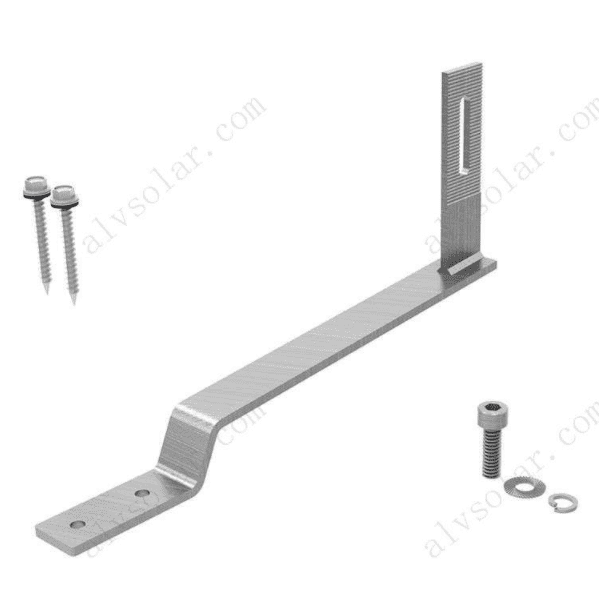
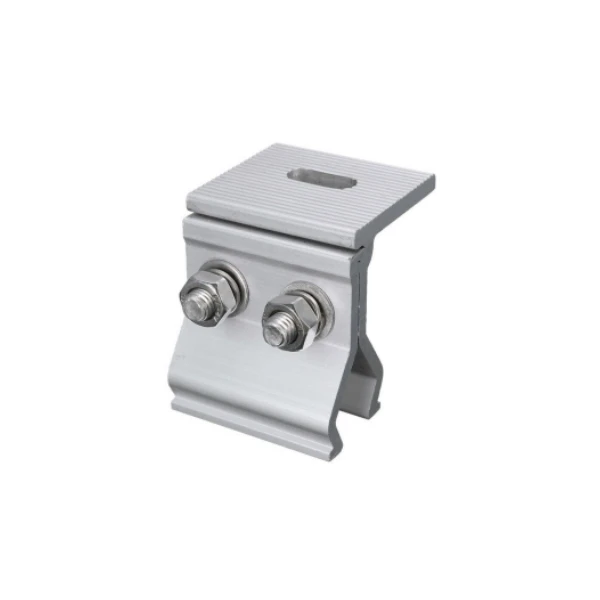
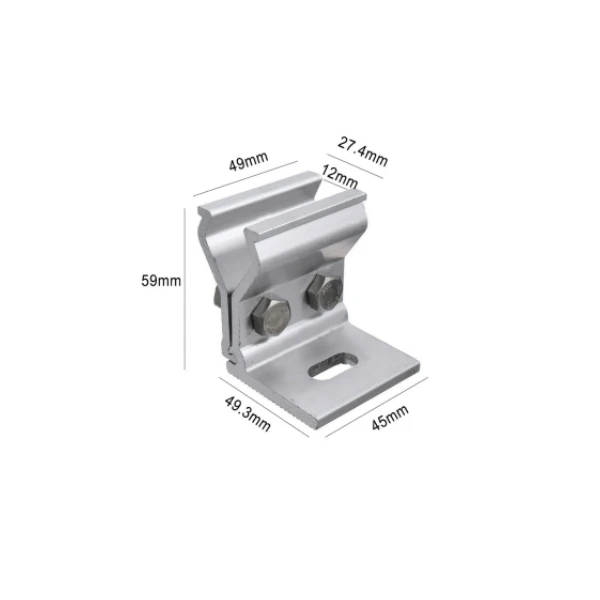
| Roof Hooks / Brackets | Connect the mounting system to the roof structure |
| Clamps | Secure solar modules to the rails |
| Fasteners | Connect structural components |
| Grounding Components | Improve electrical safety |
| Foundations (Ground Mounts) | Transfer loads safely into the ground |
Each component must work together to create a durable, stable, and easy-to-install solar support structure.
Types of Solar Mounting Systems
Different projects require different mounting solutions.
| Mounting Type | Typical Application | Advantages |
| Roof Mount | Residential & Commercial Buildings | Lower installation cost, space-saving |
| Ground Mount | Utility-scale Solar Farms | Easy maintenance and flexible orientation |
| Solar Carport | Parking Areas | Generates electricity while providing shade |
| Agricultural (Agri-PV) | Farmland | Dual land use for farming and power generation |
| Floating Solar | Reservoirs & Lakes | Reduces water evaporation and saves land |
At АЛВ, customized mounting solutions are available for all of these applications, ensuring each project meets local environmental and structural requirements.
Common Materials Used in Solar Mounting Systems
The choice of material directly affects durability, installation efficiency, and maintenance requirements.
| Материал | Advantages | Typical Lifespan | Best Applications |
| Aluminum Alloy (6063-T5/T6) | Lightweight, corrosion-resistant | 30–40+ years | Rooftops & Coastal Areas |
| Hot-Dip Galvanized Steel | High strength, cost-effective | 25–35 years | Ground-mounted Projects |
| Stainless Steel (304/316) | Excellent corrosion resistance | 30–50 years | Fasteners & Coastal Environments |
High-quality aluminum offers an excellent strength-to-weight ratio, while galvanized steel provides outstanding structural strength for large-scale installations.
How to Choose the Right Solar Mounting System
The best mounting system depends on the project’s structural requirements rather than a single product type.
| Project Condition | Recommended Solution |
| Residential Roof | Aluminum Roof Mount |
| Commercial Roof | Aluminum or Hybrid System |
| Utility-scale Solar Farm | Galvanized Steel Ground Mount |
| Coastal Area | Aluminum + Stainless Steel Fasteners |
| Heavy Snow Region | High-strength Steel Structure |
| Agricultural PV | Elevated Agri-PV Mounting System |
Professional manufacturers evaluate roof type, module layout, wind speed, snow load, soil conditions, and local building codes before recommending a mounting solution.
At АЛВ, our engineering team performs project-specific structural calculations to ensure every mounting system delivers optimal safety, performance, and cost efficiency.
Structural Engineering Standards
A solar mounting system must safely withstand decades of environmental exposure.
Professional manufacturers typically design mounting structures according to internationally recognized standards, including:
- ASCE 7 – Minimum Design Loads and Associated Criteria for Buildings and Other Structures (United States)
- EN 1991 (Eurocode 1) – Actions on Structures (Europe)
- EN 1993 (Eurocode 3) – Design of Steel Structures
- EN 1999 (Eurocode 9) – Design of Aluminium Structures
- AS/NZS 1170 – Structural Design Actions (Australia & New Zealand)
- ISO 9227 – Salt Spray Testing for corrosion resistance
Compliance with these standards helps ensure structural safety, product reliability, and long-term durability under different climate conditions.
Engineering Insight from АЛВ
Choosing between aluminum and galvanized steel is not simply a matter of price. Every project has different structural requirements, environmental conditions, and budget considerations.
In ALV’s engineering experience, many customers initially request galvanized steel because of its lower upfront material cost. However, after evaluating roof load capacity, corrosion risk, and long-term maintenance costs, aluminum often proves to be the more economical solution over the entire project lifecycle—especially for residential rooftops, coastal regions, and high-humidity environments.
For large utility-scale ground-mounted projects, hot-dip galvanized steel is frequently the preferred option because of its excellent structural strength and cost efficiency. Our engineering team performs project-specific calculations based on local wind speed, snow load, roof type, and applicable building codes before recommending the most suitable mounting system.
Industry Perspective
The global solar industry continues to expand rapidly.
According to the International Energy Agency (IEA), solar PV represented more than 75% of global renewable electricity capacity additions in 2025, making it the world’s fastest-growing renewable energy technology.
As PV systems are expected to operate for decades, durable mounting structures have become increasingly important for reducing maintenance costs and protecting long-term energy production.
Why Choose АЛВ?
Choosing the right manufacturer is just as important as choosing the right mounting system.
ALV provides complete solar mounting solutions for residential, commercial, and utility-scale projects worldwide.
Our services include:
- Customized structural design
- Wind and snow load calculations
- Project-specific engineering support
- OEM & ODM manufacturing
- High-quality aluminum and steel mounting systems
- Fast delivery and global technical support
Whether your project involves a metal roof, tile roof, flat roof, solar farm, carport, or agricultural installation, ALV can provide a reliable mounting solution tailored to your requirements.
Часто задаваемые вопросы
1. What is the purpose of a solar mounting system?
It securely supports solar panels while transferring wind, snow, and other environmental loads to the building or foundation.
2. How long does a solar mounting system last?
Most high-quality mounting systems last between 25 and 40 years, depending on materials, environmental conditions, and maintenance.
3. Which material is better, aluminum or steel?
Aluminum is lighter and more corrosion-resistant, while galvanized steel provides greater structural strength and lower material costs for large projects.
4. Can a mounting system be reused when replacing solar panels?
Yes. If the structure remains in good condition and is compatible with the new modules, it can often be reused after a professional inspection.
5. Do all projects require structural calculations?
Yes. Wind loads, snow loads, roof type, and local building codes should always be considered during system design.
6. What standards are commonly used for solar mounting systems?
Common standards include ASCE 7, EN 1991, EN 1993, EN 1999, AS/NZS 1170, и ISO 9227.
7. Does АЛВ provide customized mounting solutions?
Yes. ALV offers customized engineering, structural calculations, and mounting solutions for rooftop, ground-mounted, carport, and agricultural PV projects worldwide.
Final Thoughts
A solar mounting system is much more than a supporting frame—it is the structural foundation of every photovoltaic installation. Choosing the right system improves safety, installation efficiency, energy production, and long-term project reliability.
Whether you are building a residential rooftop installation or a utility-scale solar farm, selecting a professionally engineered mounting system ensures your investment performs reliably for decades.
Ready to Find the Right Solar Mounting System?
Planning a new solar project?
Contact АЛВ today for customized mounting solutions, free engineering consultation, structural calculations, and a competitive quotation tailored to your project requirements.