

Solar Tracker vs Fixed Tilt: 7 Best Decision Points for 2026

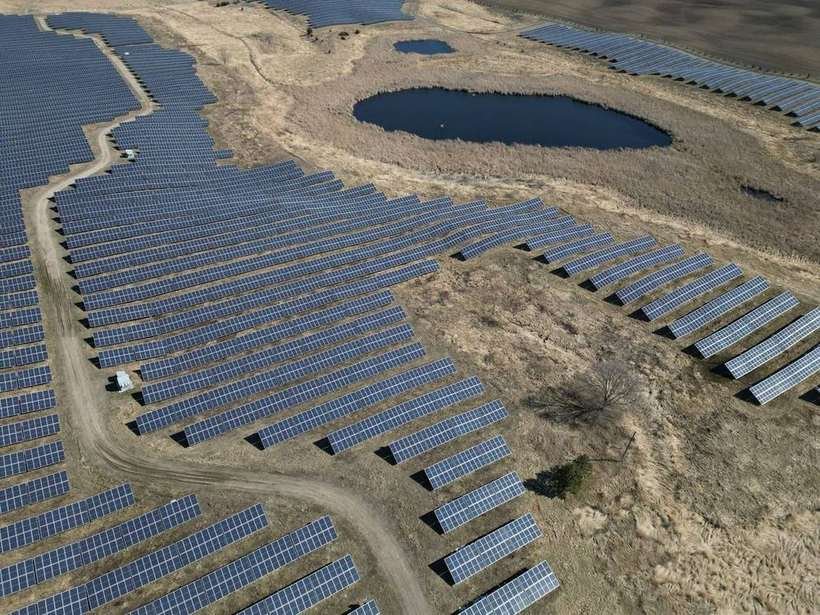
Almost every utility-scale PV project reaches the same fork in the road: keep the modules on a simple fixed structure, or add motors and controls so the array follows the sun. The solar tracker vs fixed tilt question looks like a yield comparison, but it is really a comparison of capital, land, wind exposure, maintenance capability and financing appetite — all at once.
This guide breaks the decision into seven points that actually change the answer, and gives a practical framework you can apply to a real site.
Point 1: How the two systems work
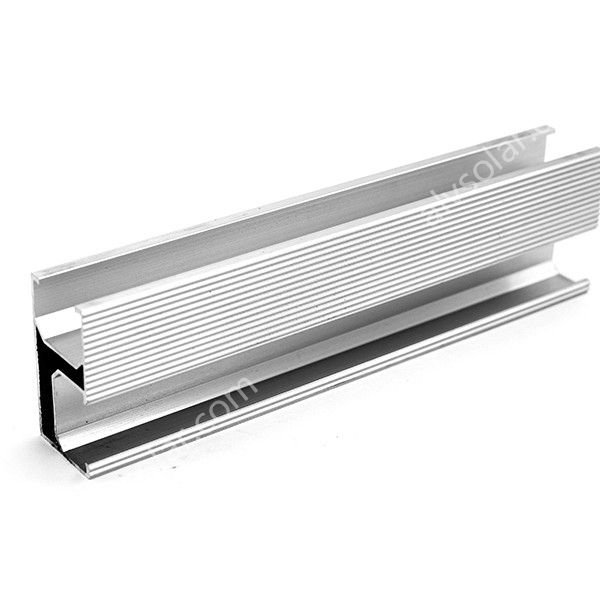
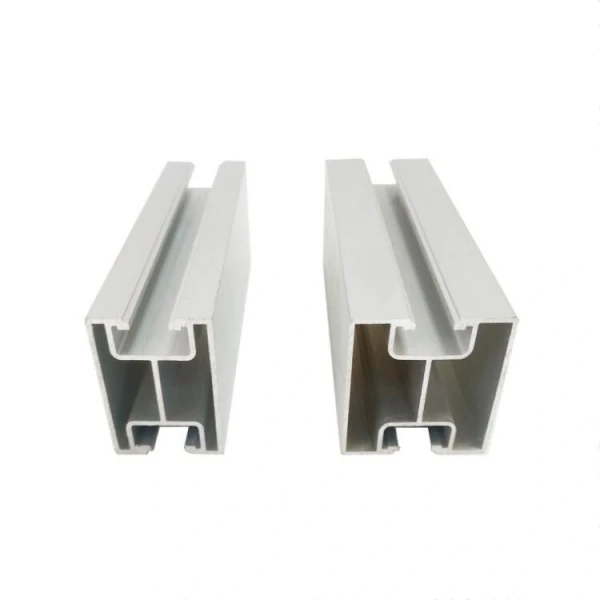
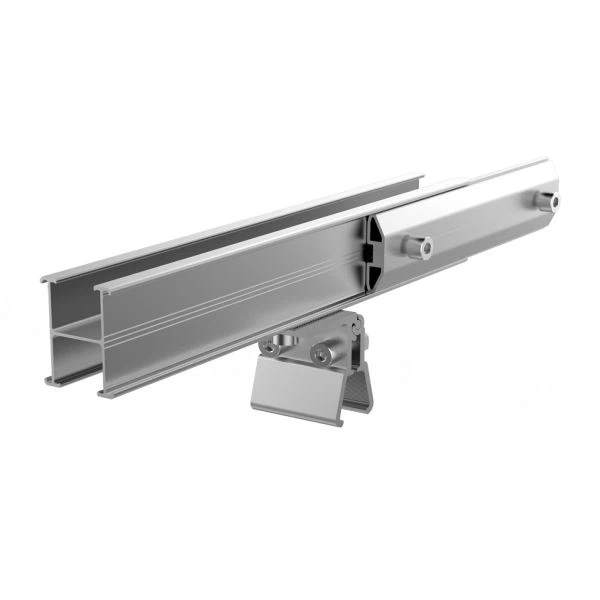
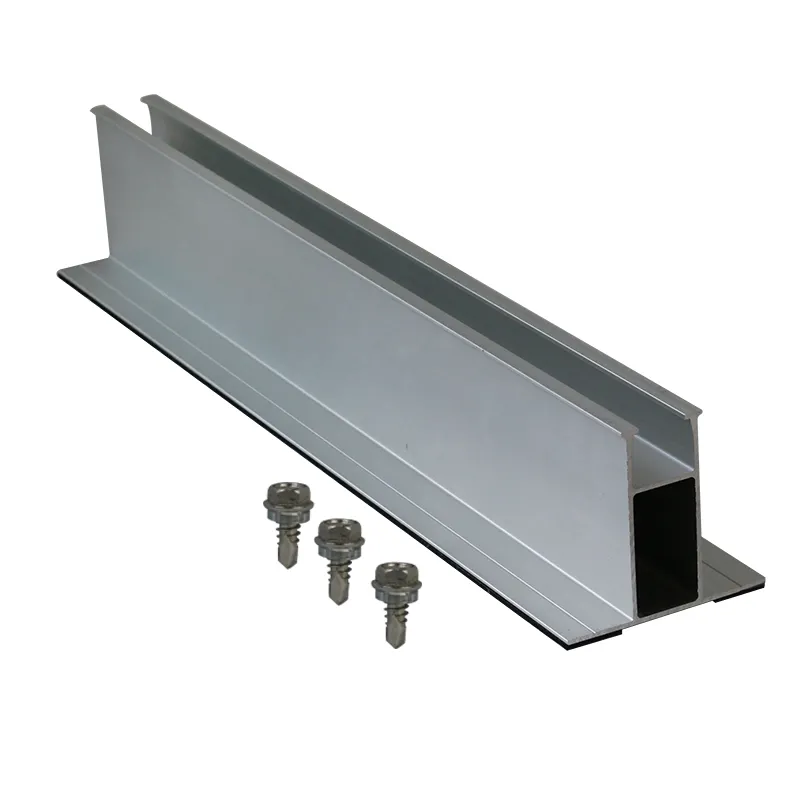
A sabit eğimli structure holds the modules at one angle, chosen for the site latitude and the priority season. Steel posts, purlins and rails do all the work; there are no moving parts, no motors and no controller.
A single-axis tracker rotates the array around one axis — usually north-south — so the modules face east in the morning and west in the afternoon. A dual-axis tracker also adjusts tilt through the day and across seasons.
Each moving part is a maintenance item and a failure mode. That is the trade at the heart of solar tracker vs fixed tilt: harvest more sun in exchange for mechanical complexity.
Point 2: Energy yield — the honest numbers
Trackers increase output by following the sun, and the gain depends mainly on how much of the resource is direct rather than diffuse.
- Single-axis tracking typically adds 10% to 25% annual yield compared with an optimised fixed tilt, with the higher end in high-direct-normal-irradiance locations such as the Middle East, North Africa, Chile and parts of Australia.
- Dual-axis tracking can add more, but the extra structure, height and wind exposure rarely justify it outside very high-value or space-constrained projects.
- In cloudy, high-latitude or monsoon climates, the gain shrinks — sometimes to single digits — because diffuse light arrives from the whole sky and cannot be “tracked”.
Fixed tilt also has one quiet advantage: it can be set steeper to shed snow and to catch low winter sun, which matters in northern markets where trackers may sit buried or stowed for weeks.
Independent yield comparisons are published every year by IEA-PVPS and by research institutes such as Fraunhofer ISE. Use those datasets to sanity-check any vendor claim before it enters the financial model — and always model the site’s own irradiance year, not a regional average.
Point 3: Capital cost per watt
Trackers cost more per kilowatt-peak than fixed structures. The premium comes from the drive system, controller, stronger foundations and heavier steel, and usually lands in the range of 15% to 30% on the mounting portion of capex — before considering the higher engineering and commissioning effort.
That premium only makes sense if the extra energy pays it back within the project’s financing horizon. On a 20-year asset with a good tariff, a 20% yield gain can justify a 20% mounting premium comfortably; in a low-tariff, high-WACC market, it may not. Our mounting cost analysis and purchasing guide walks through the cost breakdown in more detail.
Point 4: Land and layout
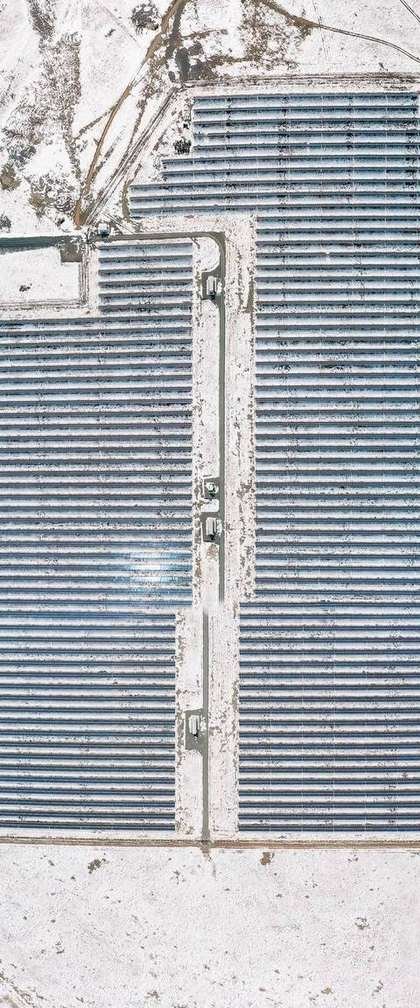
Trackers need more space. Because the array rotates, row spacing must allow the modules to swing without shading neighbours, and designers use backtracking algorithms to limit losses at low sun angles.
Practical consequences:
- Tracker layouts commonly run a lower ground coverage ratio than fixed-tilt layouts on the same land.
- Land cost and land availability therefore sit directly in the solar tracker vs fixed tilt calculation.
- On irregular, sloping or partially shaded sites, fixed tilt is easier to fit into the available polygon.
If land is cheap and plentiful, the tracker’s lower density is not a problem. If land is expensive or scarce — a rooftop, a brownfield site, a fenced industrial plot — fixed tilt usually wins on economics alone.
Point 5: Wind and structure
Trackers present a changing aerodynamic profile. Designers handle this with stow strategies: when wind speed crosses a threshold, the controller drives the array to a flat, low-profile position to reduce load. That protection depends on power, communication and a working drive — all of which must be reliable.
Fixed structures have a single, known geometry. The structural design is simpler, the wind load case is fixed, and there is nothing to stow.
In cyclone and typhoon regions, this difference matters. A fixed array designed to AS/NZS 1170.2 or an equivalent code behaves predictably; a tracker needs a documented stow procedure, backup power for the controller and a maintenance regime that keeps the drives alive.
Point 6: Operations and maintenance
Every tracker adds motors, gearboxes, controllers, sensors and cabling. The maintenance programme grows accordingly:
| Item | Fixed tilt | Single-axis tracker | | — | — | — | | Moving parts | None | Drive, bearings, linkages | | Controls | None | Controller, sensors, comms | | Typical inspection focus | Clamps, coating, grounding | Everything above plus drive alignment | | Spare parts inventory | Small | Moderate | | Skill requirement | General electrical | Electrical plus mechanical |
If a project is remote and the O&M team is small, that added complexity is a real cost. If the owner already operates tracker fleets and has local service capability, it is manageable.
Point 7: When each system wins
Choose fixed tilt when:
- The site has moderate irradiance or a high diffuse share.
- Land is expensive, constrained or irregular.
- Snow, dust storms or cyclone risk dominate the design.
- The project is small, distributed or financed on a tight budget.
- Local O&M capability is limited.
Choose single-axis tracking when:
- Direct normal irradiance is high and stable.
- Land is cheap and the site is large and flat.
- Energy value is high — strong tariffs, peak-hour premiums or storage charging.
- The owner has tracker experience and reliable service access.
- Wind risk can be managed with a documented stow strategy.
Consider a middle path when: the site is marginal. Seasonal or manually adjustable tilt structures cost far less than trackers and can recover part of the gain by moving between summer and winter angles two or four times a year. They suit commercial rooftops and smaller ground mounts where a motorised system is overkill.
A quick decision framework
Score the project on five factors, one point each:
1. Direct normal irradiance above roughly 1,800 kWh/m²/year. 2. Land cost below about 5% of project capex. 3. Energy value in the top quartile for the market. 4. Existing O&M capability with mechanical experience. 5. Site wind risk manageable with a stow strategy.
Four or five points: tracking deserves a full financial model. Two or three: compare a seasonal-tilt compromise. Zero or one: fixed tilt is almost certainly the better investment.
Whichever way the analysis falls, the mounting structure has to be designed for the actual site — the same wind, snow and corrosion data used for any roof, ground or tracker comparison. The solar tracker vs fixed tilt decision is only as good as the inputs behind it.
SSS
Is a solar tracker always better than fixed tilt?
No. Trackers add 10% to 25% yield in good conditions but cost more, need more land and require maintenance. In low-irradiance, high-wind or land-constrained projects, fixed tilt often delivers a better return.
How much more does a tracker cost?
The mounting portion of capex typically rises 15% to 30%, plus extra engineering, controls and commissioning effort.
Can fixed-tilt systems be adjusted seasonally?
Yes. Manually adjustable tilt structures are a common compromise, changing angle two to four times a year at a fraction of the cost of a tracker.