

What Are Solar Mounting Brackets Made Of? Aluminum vs Galvanized Steel vs Stainless Steel


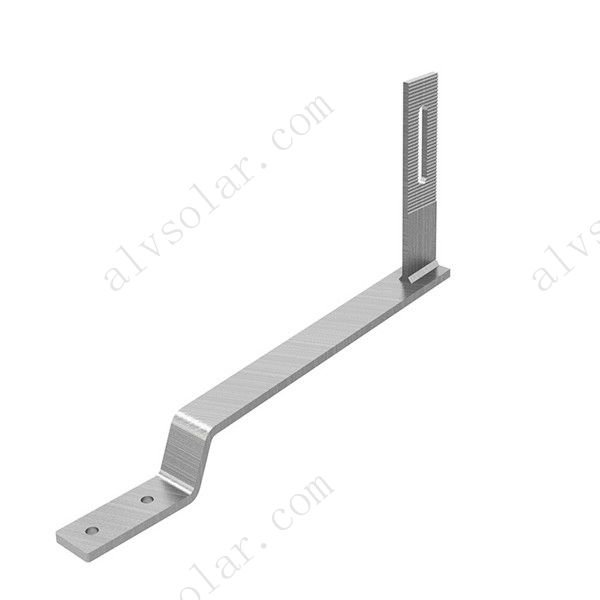
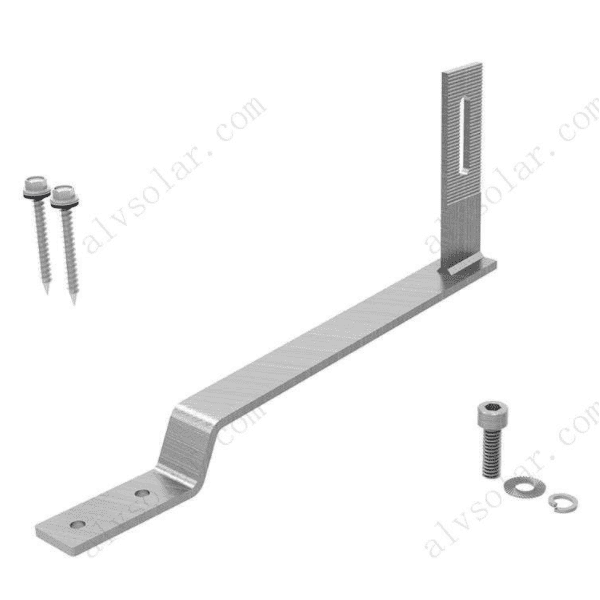
Every solar array, whether it covers a suburban roof or a utility-scale field, rests on a modest but critical set of parts: the solar mounting brackets that hold the modules in position for 25 years or more. Buyers, installers and project engineers all start with the same question — what are solar mounting brackets made of? The answer decides cost, weight, corrosion resistance and how well an array survives wind, snow and salt air. This guide compares the three mainstream materials — aluminum alloy, galvanized steel and stainless steel — plus newer zinc-aluminum-magnesium coatings, and explains how to match each one to a real project.
Why the material of a solar mounting bracket matters
A mounting bracket does more than hold a panel to a rail. It carries the array’s mechanical load, resists uplift from wind, fights corrosion for decades and, in certified systems, helps bond the modules to earth. Material choice drives every one of those jobs. A bracket that is light and rust-free in one climate can sag, corrode or fatigue in another.
The material also determines how the design is engineered. Because solar mounting brackets carry the entire array, the material they are made of sets the ceiling on performance. Aluminum lets engineers build long, thin rail extrusions that are easy to lift onto a roof. Steel delivers the stiffness needed for long ground-mount spans. Stainless steel, used mainly for bolts, nuts and coastal hardware, resists the aggressive environments that destroy cheaper fasteners.
Aluminum alloy: the default for roof and rail-based solar mounting brackets
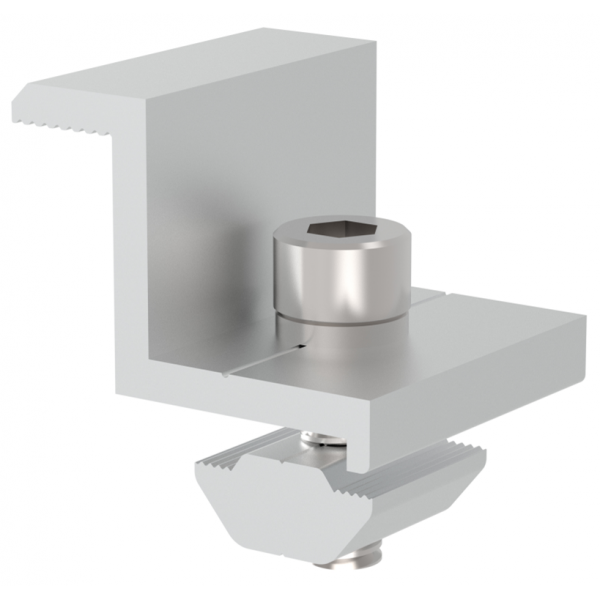
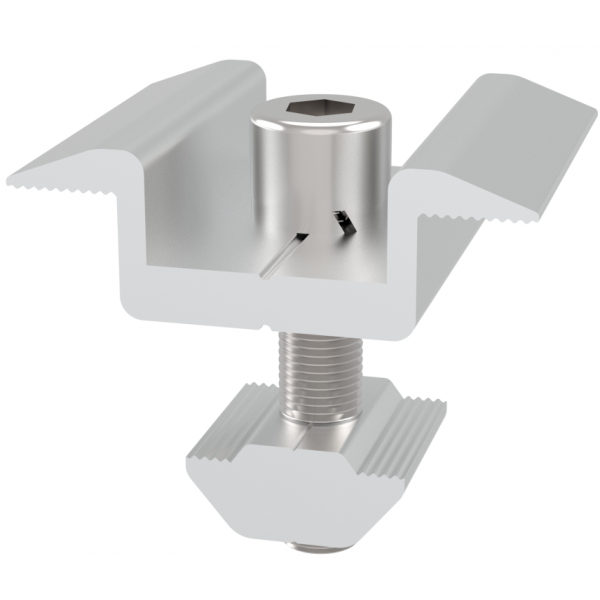
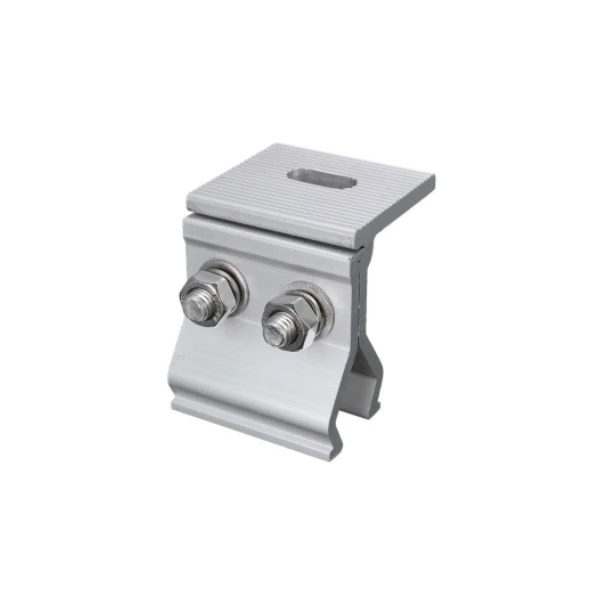
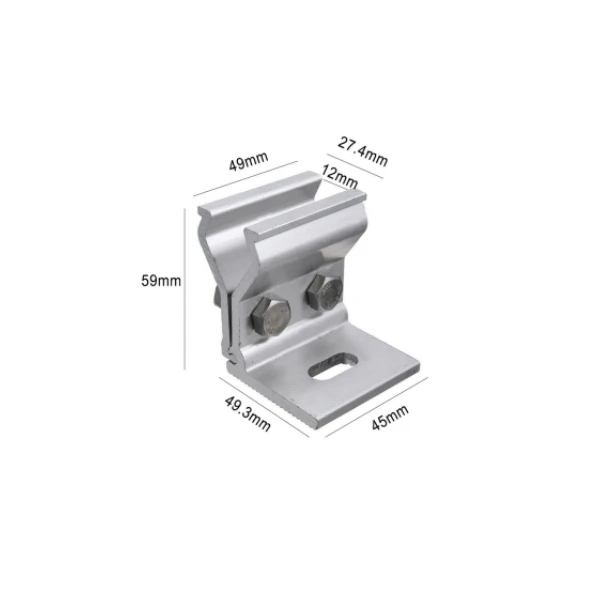
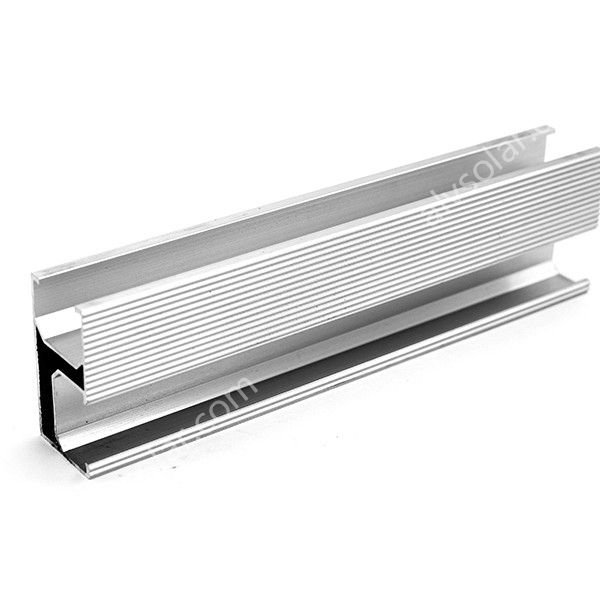
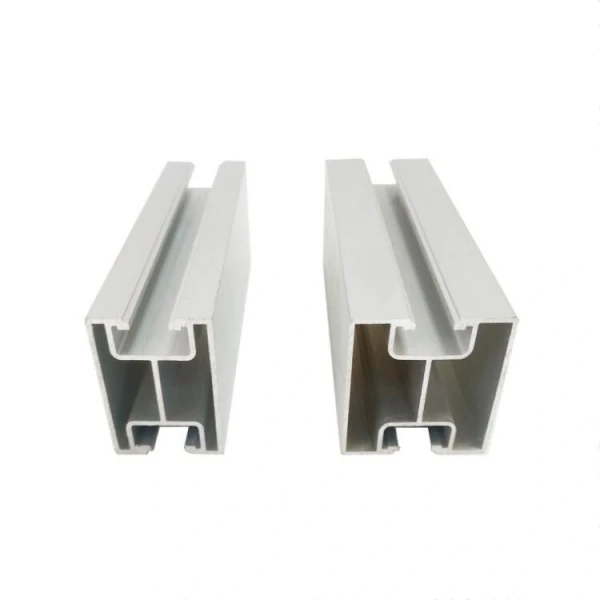
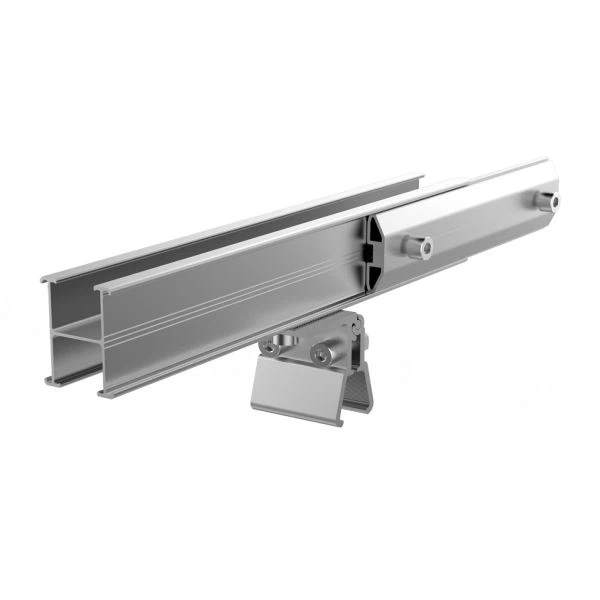
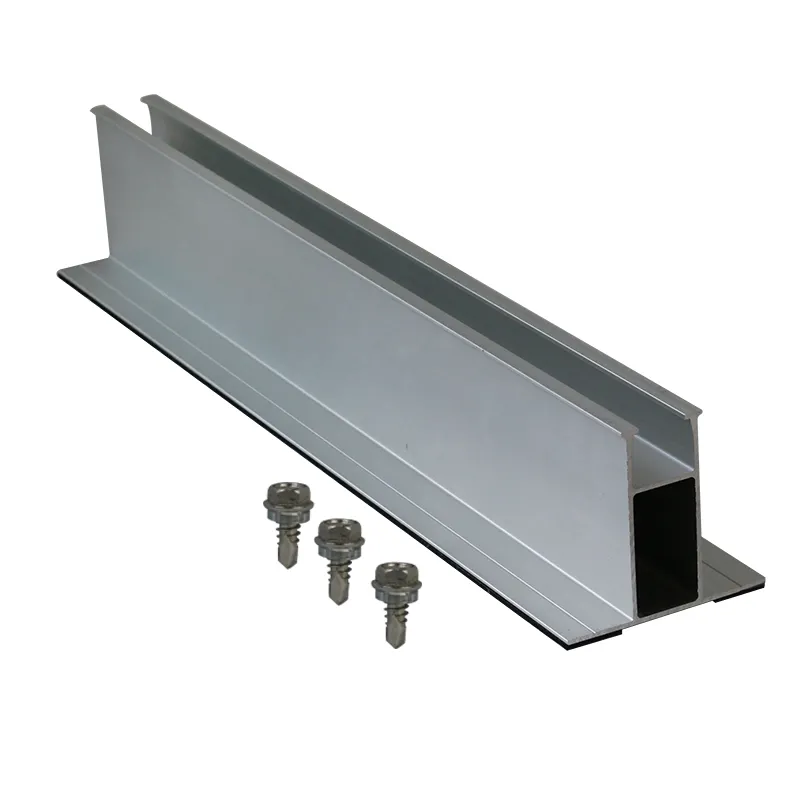
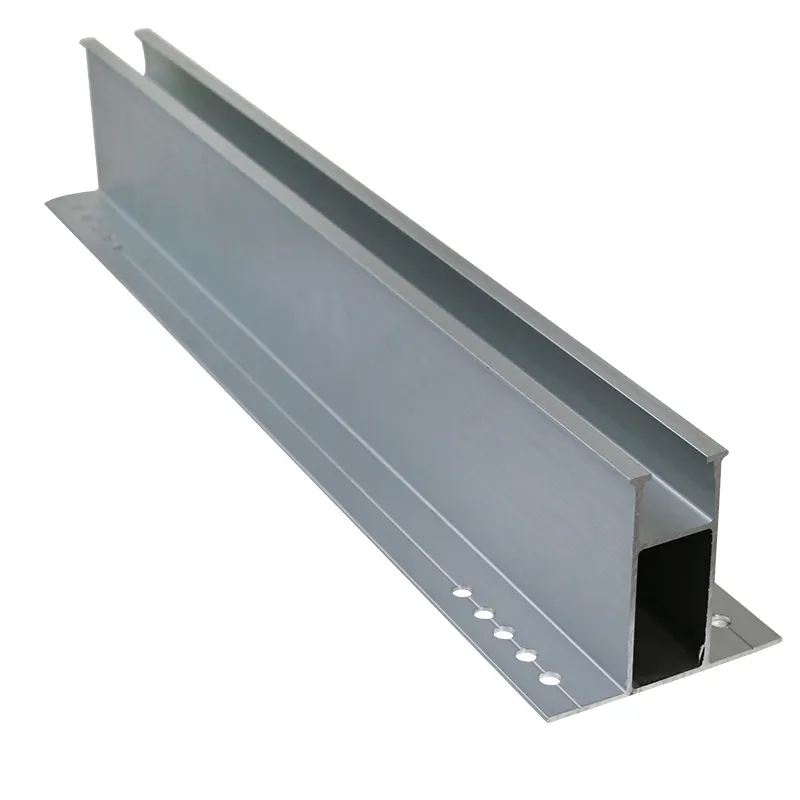
Aluminum is the most common material for rooftop solar mounting brackets and the rails they attach to. The industry standard alloys are 6063-T5 Ve 6005-T5, extruded into rails, clamp bodies, L feet and rail joiners. Aluminum weighs roughly one-third as much as steel, so installers can move long profiles on a roof without heavy lifting equipment, and the dead load on the roof structure stays low — an important factor for older or lightweight buildings.
Aluminum’s natural oxide layer makes it inherently corrosion-resistant, and a 15-micron anodized finish adds a hard, uniform surface that resists scratching and weathering. It also does not need painting and stays clean-looking on visible residential roofs. The trade-off is cost and stiffness: aluminum costs more per kilogram than steel and flexes more, so long spans need more support or thicker profiles. For roof mounts, carports and balcony systems, however, aluminum is usually the best balance of weight, durability and appearance — which is why anodized aluminum solar mounting brackets remain the first choice for most pitched-roof projects.
Galvanized steel: the workhorse for ground-mounted and utility-scale structures
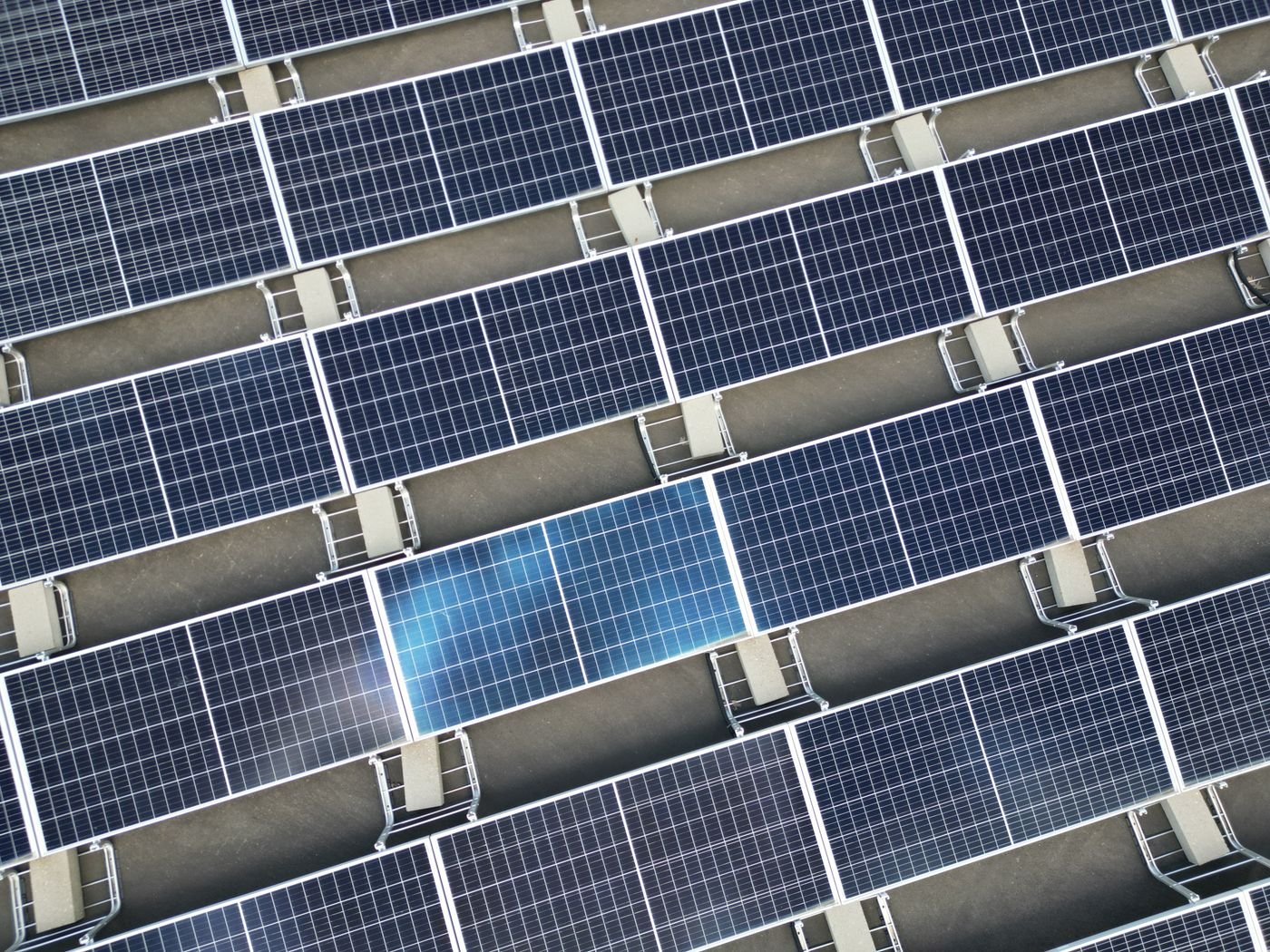
For large ground-mounted plants, agricultural arrays and long-span carports, sıcak daldırma galvanizli çelik is the standard. Steel offers far higher stiffness and load capacity than aluminum, which allows the wide post spacing and long beams that utility-scale projects need. The zinc coating, typically 65 to 85 microns thick, sacrifices itself to protect the steel underneath and delivers a service life measured in decades.
Galvanized steel is the most cost-effective choice where weight is not a constraint and the site is on land rather than a delicate roof. It is heavier to transport and install, and because zinc coating is a sacrificial layer, cut edges and drilled holes need care. The coating thickness and the quality of the galvanizing are the two variables that separate a 25-year structure from a five-year one. In practice, galvanized steel is the standard material for the solar mounting brackets used on large ground-mounted plants.
Stainless steel: the corrosion-proof choice for fasteners and coastal sites
Stainless steel rarely forms the main structure, but it is essential for bolts, nuts, washers, clamps and grounding components. Grades 304 Ve 316 are the industry workhorses. Grade 316, with its added molybdenum, resists chloride attack and is the right choice within a few kilometres of the coast or in industrial areas with aggressive air.
Stainless steel is expensive, so it is used selectively rather than throughout. The golden rule in material selection is to avoid mixing metals in ways that create galvanic corrosion: a stainless bolt against aluminum is acceptable with correct isolation, but bare steel against aluminum can accelerate corrosion at the joint. That is why reputable manufacturers publish the grades they use and pair them deliberately.
Zinc-aluminum-magnesium (ZAM) coated steel: the newer option
A newer family of coated steels uses a zinc-aluminum-magnesium coating instead of plain zinc. The magnesium content gives the coating a self-healing behaviour at scratches and cut edges, which improves corrosion resistance in high-salinity and industrial environments. ZAM-coated steel is increasingly specified for large ground-mount projects where long service life and low maintenance matter more than the lowest upfront price.
How to match material to environment
The right material follows the site. On a residential roof with normal air, solar mounting brackets in anodized aluminum with stainless fasteners are ideal. Within a few kilometres of the sea, every fastener should move to 316 stainless steel, and the aluminum finish should carry a stated coating standard and salt-spray data. In heavy snow regions, stiffness controls the design, so galvanized or ZAM-coated steel often wins for ground mounts. Where appearance and a lightweight footprint matter — carports, balconies and visible roofs — aluminum is usually the answer.
A simple checklist keeps procurement honest: confirm the alloy or steel grade, ask for material certificates, request salt-spray results for coastal jobs, verify the clamp range matches your module frame, and check that the finish is specified in microns rather than vague words like “premium”. Those checks apply whatever the application, because the wrong solar mounting brackets are expensive to replace once the array is live.
How ALV-Solar specifies bracket materials
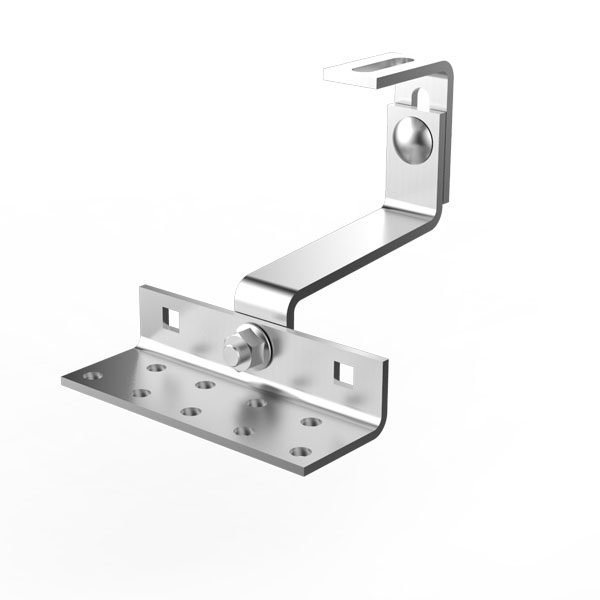
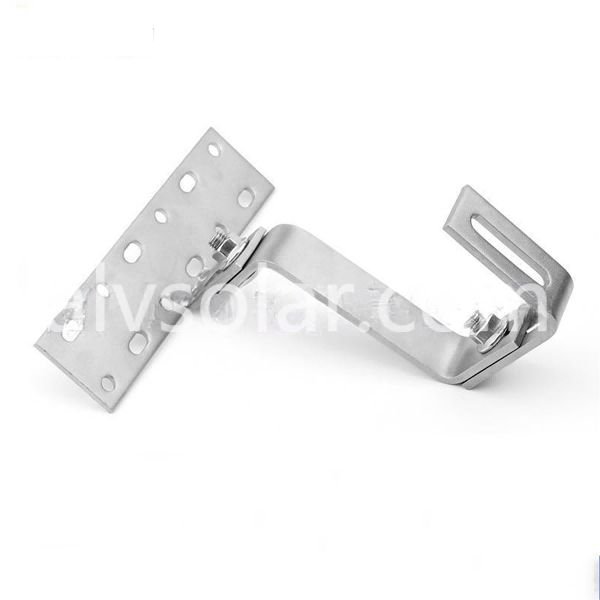
ALV-Solar builds its raylar, L feet, clamps and hooks to match each application. Roof and balcony systems use anodized aluminum extrusions with stainless hardware, while ground-mount and carport structures use hot-dip galvanized or ZAM-coated steel. Designs are engineered to recognised load codes such as AS/NZS 1170.2 Ve JIS C 8955, and the factory operates under ISO 9001 with products certified to TÜV, CE and MCS012 — details that matter when a bracket has to last as long as the warranty on the panels it carries. You can read more about the testing behind these products in our guide to certifications of solar mounting systems.
For buyers comparing suppliers, the U.S. Department of Energy’s overview of solar energy technologies is a useful reference on how balance-of-system components fit into a complete installation, and the National Renewable Energy Laboratory publishes research on module and racking durability.
SSS
Are solar mounting brackets made of aluminum or steel? Both, depending on the application. Aluminum alloy is standard for rooftop rails and clamps, while galvanized or ZAM-coated steel dominates ground-mounted and utility-scale structures. Fasteners are usually stainless steel.
Which is better, aluminum or galvanized steel brackets? Neither is universally better. Aluminum is lighter and naturally corrosion-resistant, which suits roofs and visible systems. Galvanized steel is stronger and cheaper per unit of stiffness, which suits ground mounts and long spans.
What alloy are aluminum solar mounting brackets made of? The most common grades are 6063-T5 and 6005-T5, usually finished with an anodized coating of about 15 microns.
Do solar mounting brackets rust? Anodized aluminum and stainless steel do not rust in the conventional sense. Galvanized steel can eventually corrode once its zinc coating is consumed, which is why coating thickness and site conditions matter.
Choose the right material from the start
Material selection is where a mounting system either earns its 25-year design life or quietly fails. Deciding between aluminum, galvanized steel, stainless steel and ZAM coatings should follow the site, the roof or ground structure, and the local climate — not the lowest quote. ALV-Solar supplies the right solar mounting brackets and systems for roof, ground, carport and balcony projects; contact our team to match brackets to your next project’s wind, snow and corrosion requirements.