

What Is a Solar Mounting System? A Complete Guide for Homeowners, EPCs, and Solar Developers

Letzte Aktualisierung: July 29th, 2026
Autor: Devi Huang | Internationales Vertriebsteam ALV
Devi Huang ist Teil des internationalen Vertriebsteams von ALV, einem Hersteller von Solarmontagesystemen und Aluminiumprofilen. Sie arbeitet weltweit mit Generalunternehmern, Distributoren und Projektentwicklern zusammen und unterstützt Kunden bei der Auswahl der passenden Montagelösungen unter Berücksichtigung von Projektanforderungen, lokalen Normen und Budget.
Quick Answer
A Solarmontagesystem is the structural framework that securely supports solar panels on rooftops, the ground, carports, or other structures. It keeps photovoltaic (PV) modules at the correct angle, transfers wind and snow loads safely to the building or foundation, and ensures long-term system stability. A high-quality mounting system is designed to last 25–40 years, matching or even exceeding the lifespan of modern solar panels.
Table of Contents
What Is a Solar Mounting System?
How Does a Solar Mounting System Work?
Why Is a Solar Mounting System Important?
Main Components of a Solar Mounting System
Types of Solar Mounting Systems
Common Materials Used
How to Choose the Right Mounting System
Engineering Insight from ALV
International Standards
Why Choose ALV?
Häufig gestellte Fragen
Key Takeaways
A solar mounting system securely supports and protects PV modules.
Most mounting systems are designed to last 25–40 years.
Aluminum and galvanized steel are the two most common materials.
Proper structural design is just as important as panel efficiency.
International standards such as ASCE 7, EN 1991, Und ISO 9227 help ensure safety and durability.
Choosing the right mounting system improves installation efficiency, reduces maintenance, and maximizes long-term return on investment.
What Is a Solar Mounting System?
A solar mounting system, also known as a PV mounting system oder solar racking system, is the structural support that holds photovoltaic panels securely in place. It connects the solar modules to a roof, ground foundation, carport, or other supporting structure while maintaining the correct tilt angle and orientation for maximum energy production.
Although solar panels generate electricity, the mounting system provides the structural stability that allows the entire PV system to operate safely for decades.
Laut der U.S. Department of Energy (DOE), most modern photovoltaic systems are designed to operate for 25–35 years. Therefore, the mounting system should provide equal or greater durability to protect the long-term investment.
How Does a Solar Mounting System Work?
- Brackets are fixed to the roof or foundation.
- Rails are installed.
- Solar panels are secured with clamps.
- The structure transfers wind and snow loads safely to the building.
Why Is a Solar Mounting System Important?
A solar mounting system does much more than simply hold solar panels.
Its primary functions include:
- Supporting the weight of PV modules.
- Resisting wind, snow, and seismic loads.
- Maintaining the optimal tilt angle for energy production.
- Protecting roof waterproofing and structural integrity.
- Improving installation efficiency and long-term reliability.
Without a properly engineered mounting structure, even the highest-efficiency solar panels cannot perform safely or reliably.
Main Components of a Solar Mounting System
| Component | Function |
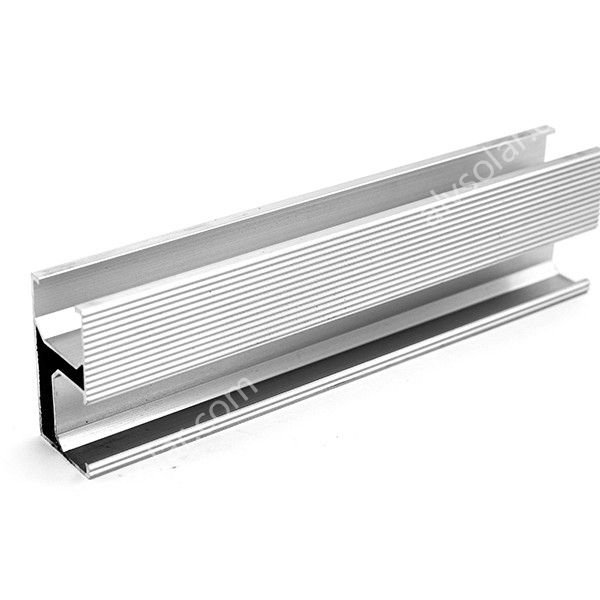
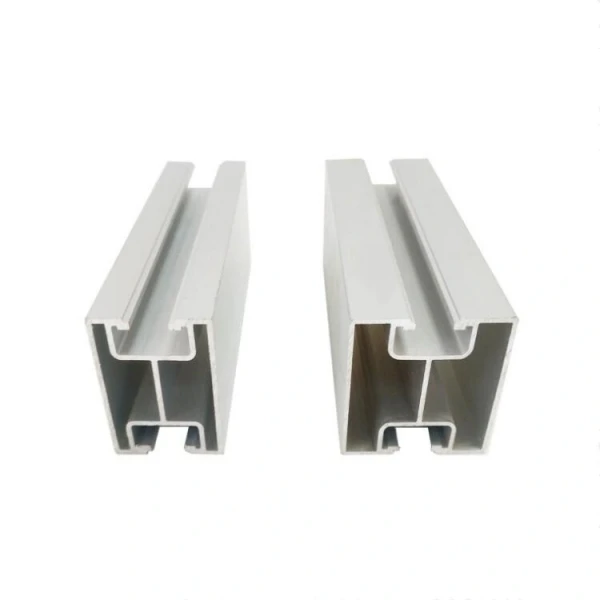
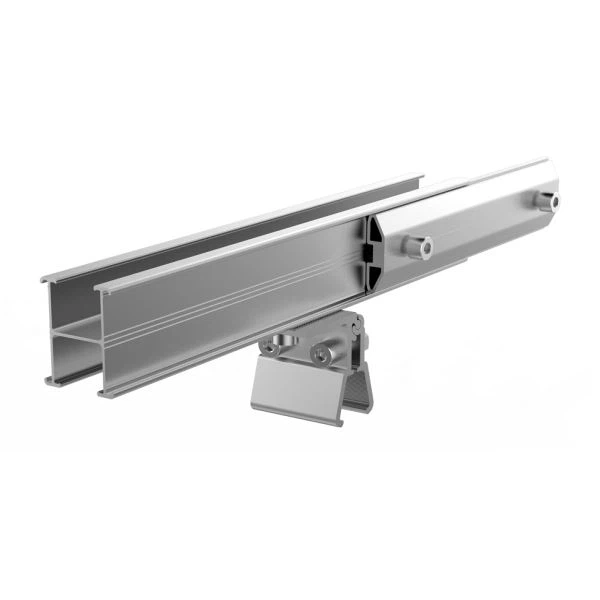
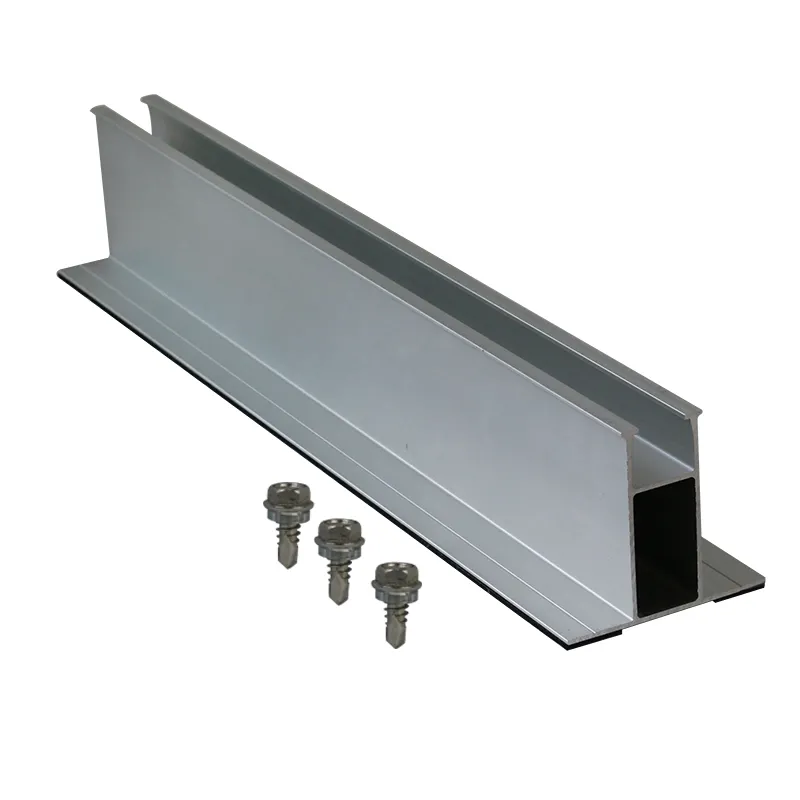
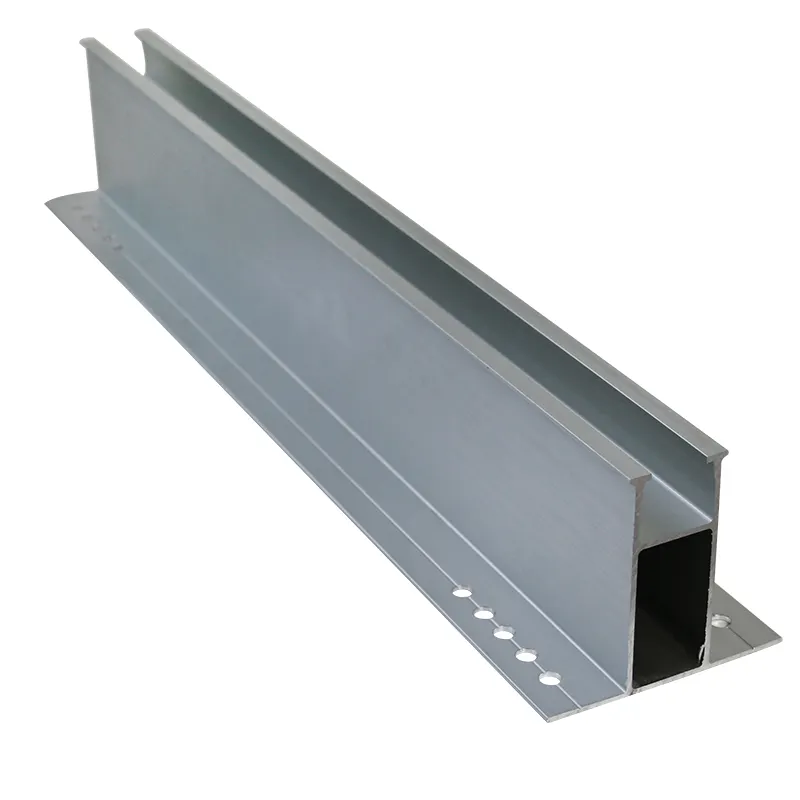
| Schienen | Support and align solar panels |
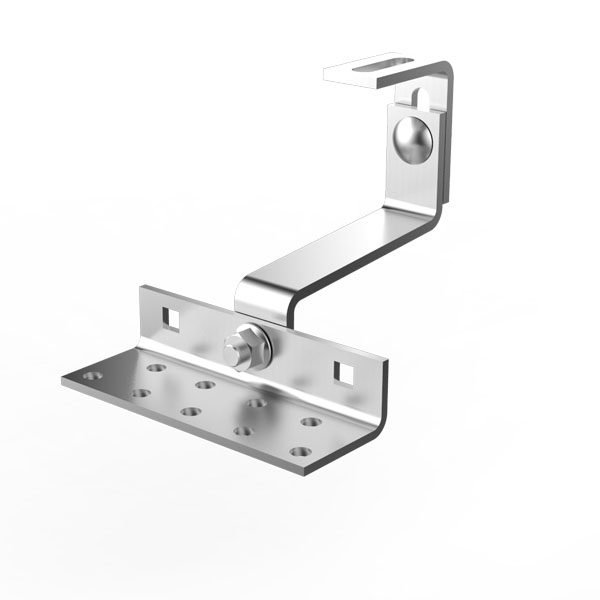
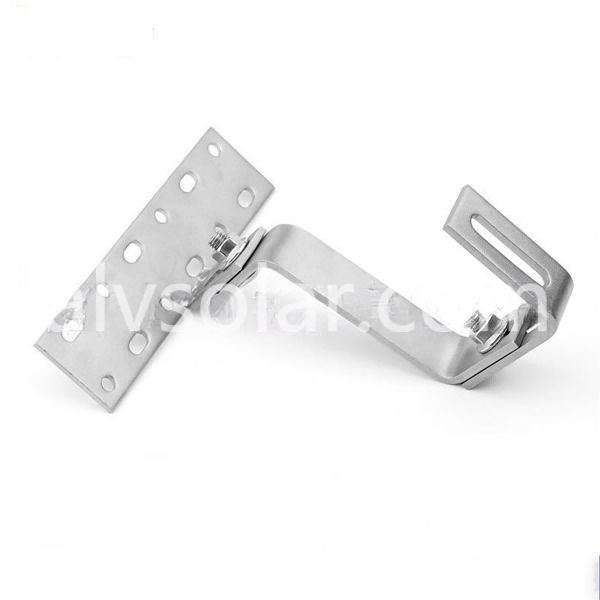
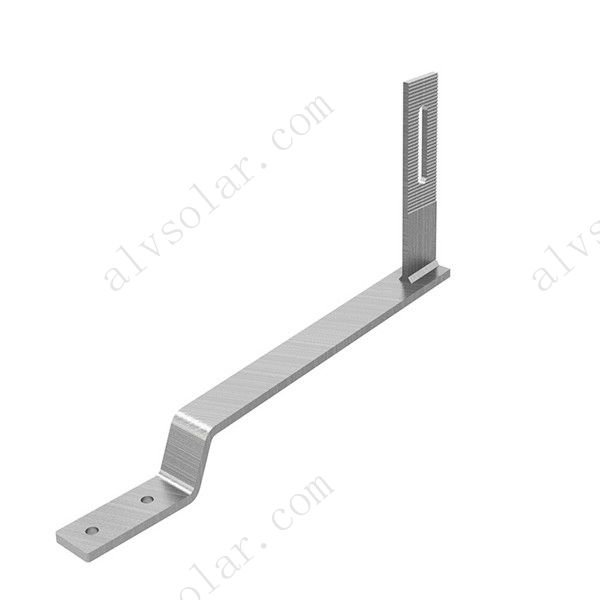
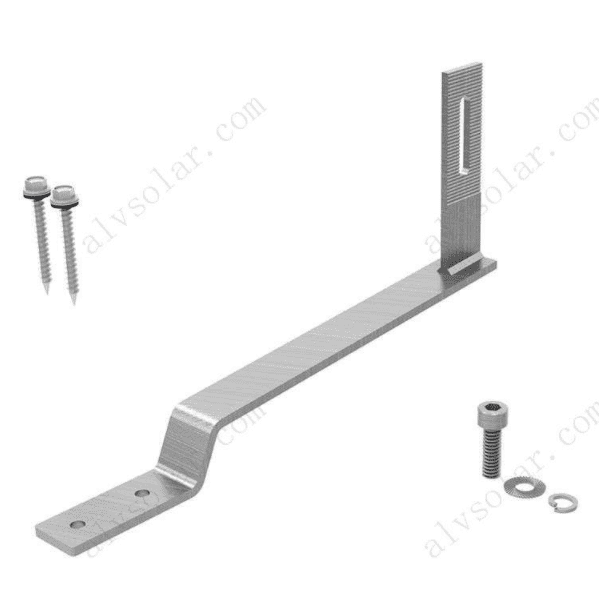
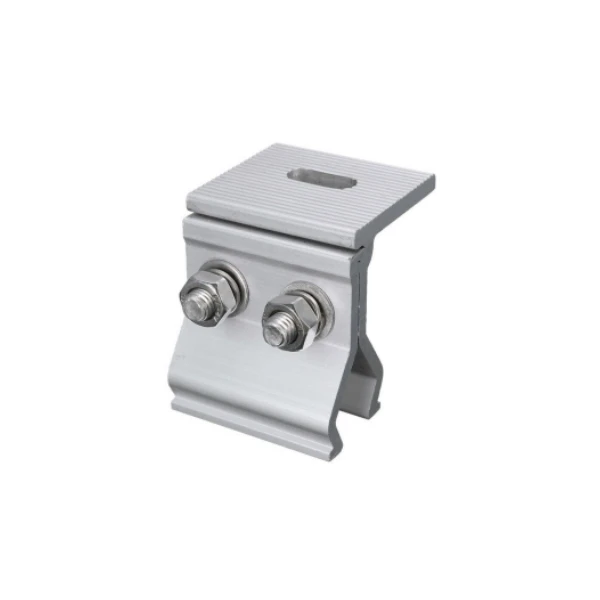
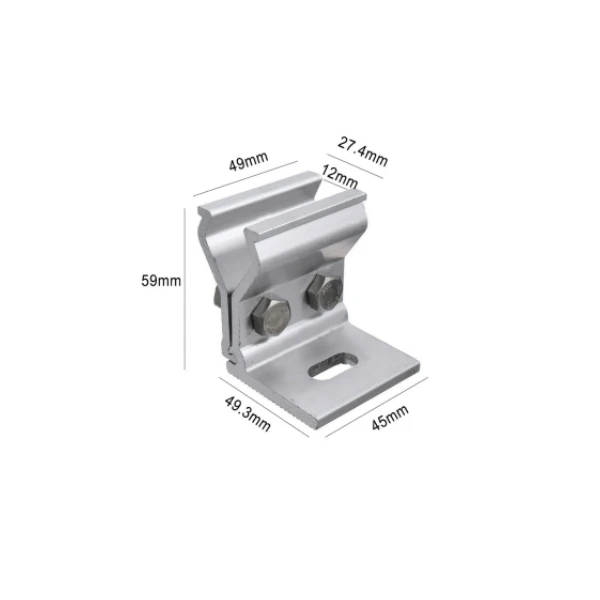
| Roof Hooks / Brackets | Connect the mounting system to the roof structure |
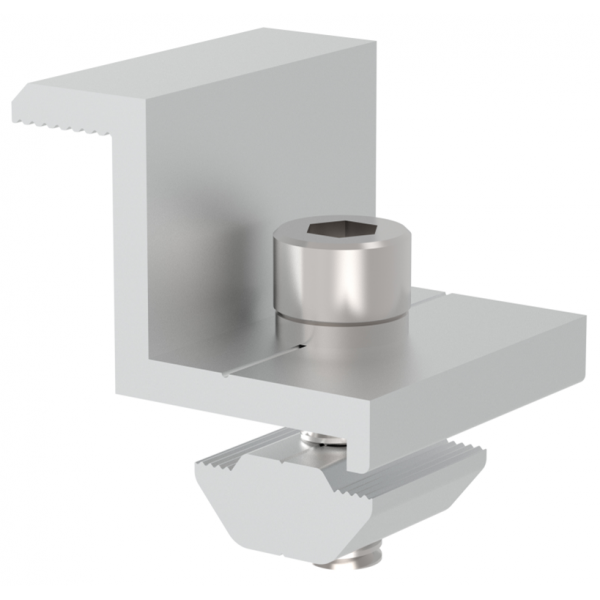
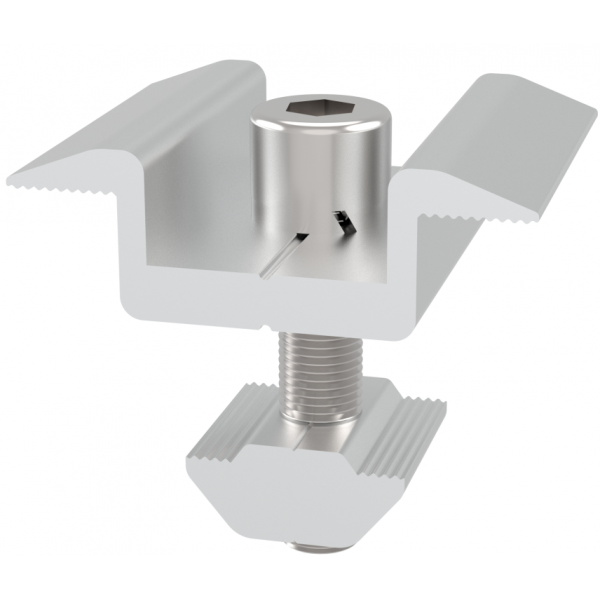
| Clamps | Secure solar modules to the rails |
| Fasteners | Connect structural components |
| Grounding Components | Improve electrical safety |
| Foundations (Ground Mounts) | Transfer loads safely into the ground |
Each component must work together to create a durable, stable, and easy-to-install solar support structure.
Types of Solar Mounting Systems
Different projects require different mounting solutions.
| Mounting Type | Typische Anwendung | Advantages |
| Dachmontage | Residential & Commercial Buildings | Lower installation cost, space-saving |
| Ground Mount | Utility-scale Solar Farms | Easy maintenance and flexible orientation |
| Solar Carport | Parking Areas | Generates electricity while providing shade |
| Agricultural (Agri-PV) | Farmland | Dual land use for farming and power generation |
| Floating Solar | Reservoirs & Lakes | Reduces water evaporation and saves land |
Bei ALV, customized mounting solutions are available for all of these applications, ensuring each project meets local environmental and structural requirements.
Common Materials Used in Solar Mounting Systems
The choice of material directly affects durability, installation efficiency, and maintenance requirements.
| Material | Advantages | Typische Lebensdauer | Best Applications |
| Aluminum Alloy (6063-T5/T6) | Lightweight, corrosion-resistant | 30–40+ years | Rooftops & Coastal Areas |
| Feuerverzinkter Stahl | High strength, cost-effective | 25–35 years | Ground-mounted Projects |
| Stainless Steel (304/316) | Ausgezeichnete Korrosionsbeständigkeit | 30–50 years | Fasteners & Coastal Environments |
High-quality aluminum offers an excellent strength-to-weight ratio, while galvanized steel provides outstanding structural strength for large-scale installations.
How to Choose the Right Solar Mounting System
The best mounting system depends on the project’s structural requirements rather than a single product type.
| Project Condition | Recommended Solution |
| Wohnhausdach | Aluminum Roof Mount |
| Gewerbedach | Aluminum or Hybrid System |
| Utility-scale Solar Farm | Galvanized Steel Ground Mount |
| Coastal Area | Aluminum + Stainless Steel Fasteners |
| Heavy Snow Region | High-strength Steel Structure |
| Agricultural PV | Elevated Agri-PV Mounting System |
Professional manufacturers evaluate roof type, module layout, wind speed, snow load, soil conditions, and local building codes before recommending a mounting solution.
Bei ALV, our engineering team performs project-specific structural calculations to ensure every mounting system delivers optimal safety, performance, and cost efficiency.
Structural Engineering Standards
A solar mounting system must safely withstand decades of environmental exposure.
Professional manufacturers typically design mounting structures according to internationally recognized standards, including:
- ASCE 7 – Minimum Design Loads and Associated Criteria for Buildings and Other Structures (United States)
- EN 1991 (Eurocode 1) – Actions on Structures (Europe)
- EN 1993 (Eurocode 3) – Entwurf von Stahlkonstruktionen
- EN 1999 (Eurocode 9) – Konstruktion von Aluminiumkonstruktionen
- AS/NZS 1170 – Tragwerksplanungsmaßnahmen (Australien & Neuseeland)
- ISO 9227 – Salzsprühtest zur Bestimmung der Korrosionsbeständigkeit
Die Einhaltung dieser Normen trägt dazu bei, die strukturelle Sicherheit, die Zuverlässigkeit des Produkts und die Langzeitbeständigkeit unter verschiedenen Klimabedingungen zu gewährleisten.
Technischer Einblick von ALV
Die Wahl zwischen Aluminium und verzinktem Stahl ist nicht allein eine Preisfrage. Jedes Projekt hat unterschiedliche statische Anforderungen, Umgebungsbedingungen und Budgetvorgaben.
Nach den Erfahrungen von ALV im Ingenieurwesen wünschen sich viele Kunden zunächst verzinkten Stahl aufgrund der geringeren Materialkosten. Nach Prüfung der Dachtragfähigkeit, des Korrosionsrisikos und der langfristigen Wartungskosten erweist sich Aluminium jedoch oft über den gesamten Projektlebenszyklus hinweg als die wirtschaftlichere Lösung – insbesondere für Wohnhäuser, Küstenregionen und Umgebungen mit hoher Luftfeuchtigkeit.
Bei großen Freiflächenanlagen ist feuerverzinkter Stahl aufgrund seiner hervorragenden Festigkeit und Kosteneffizienz häufig die bevorzugte Option. Unser Ingenieurteam führt projektspezifische Berechnungen unter Berücksichtigung der örtlichen Windgeschwindigkeit, Schneelast, Dachform und der geltenden Bauvorschriften durch, bevor es das am besten geeignete Montagesystem empfiehlt.
Branchenperspektive
Die globale Solarindustrie expandiert weiterhin rasant.
Laut der Internationale Energieagentur (IEA), Solar-PV repräsentiert mehr als 751.000 Tonnen zusätzlicher globaler Kapazität für erneuerbare Stromerzeugung im Jahr 2025Damit ist sie die am schnellsten wachsende Technologie für erneuerbare Energien weltweit.
Da PV-Anlagen voraussichtlich jahrzehntelang in Betrieb sein werden, sind langlebige Montagekonstruktionen zunehmend wichtig geworden, um die Wartungskosten zu senken und die langfristige Energieproduktion zu sichern.
Warum wählen ALV?
Die Wahl des richtigen Herstellers ist genauso wichtig wie die Wahl des richtigen Montagesystems.
ALV bietet weltweit Komplettlösungen für die Solarmontage in Wohn-, Gewerbe- und Großprojekten.
Unsere Dienstleistungen umfassen:
- Kundenspezifische Tragwerksplanung
- Wind- und Schneelastberechnungen
- Projektspezifische technische Unterstützung
- OEM- und ODM-Fertigung
- Hochwertige Montagesysteme aus Aluminium und Stahl
- Schnelle Lieferung und weltweiter technischer Support
Egal ob es sich bei Ihrem Projekt um ein Metalldach, ein Ziegeldach, ein Flachdach, einen Solarpark, einen Carport oder eine landwirtschaftliche Anlage handelt, ALV bietet Ihnen eine zuverlässige Montagelösung, die auf Ihre Anforderungen zugeschnitten ist.
Häufig gestellte Fragen
1. Welchen Zweck hat ein Solarmontagesystem?
Es bietet sicheren Halt für Solarpaneele und leitet gleichzeitig Wind-, Schnee- und andere Umwelteinflüsse auf das Gebäude oder das Fundament ab.
2. Wie lange ist die Lebensdauer eines Solarmontagesystems?
Die meisten hochwertigen Montagesysteme halten zwischen 25 und 40 Jahreabhängig von den Materialien, den Umgebungsbedingungen und dem Wartungsaufwand.
3. Welches Material ist besser, Aluminium oder Stahl?
Aluminium ist leichter und korrosionsbeständiger, während verzinkter Stahl bei großen Projekten eine höhere strukturelle Festigkeit und geringere Materialkosten bietet.
4. Kann ein Montagesystem beim Austausch von Solarmodulen wiederverwendet werden?
Ja. Wenn die Struktur in gutem Zustand bleibt und mit den neuen Modulen kompatibel ist, kann sie nach einer fachmännischen Prüfung oft wiederverwendet werden.
5. Sind für alle Projekte statische Berechnungen erforderlich?
Ja. Windlasten, Schneelasten, Dachtyp und örtliche Bauvorschriften sollten bei der Systemplanung stets berücksichtigt werden.
6. Welche Normen werden üblicherweise für Solarmontagesysteme verwendet?
Zu den gängigen Standards gehören ASCE 7, EN 1991, EN 1993, EN 1999, AS/NZS 1170, Und ISO 9227.
7. Tut ALV Bieten Sie maßgeschneiderte Montagelösungen an?
Ja. ALV bietet weltweit maßgeschneiderte Engineering-, Statik- und Montagelösungen für Dach-, Freiflächen-, Carport- und landwirtschaftliche PV-Projekte an.
Schlussbetrachtung
Ein Solarmontagesystem ist weit mehr als nur ein Tragrahmen – es bildet das strukturelle Fundament jeder Photovoltaikanlage. Die Wahl des richtigen Systems verbessert die Sicherheit, die Installationseffizienz, die Energieproduktion und die langfristige Zuverlässigkeit des Projekts.
Ob Sie eine Solaranlage auf einem Wohnhausdach oder einen Solarpark im Kraftwerksmaßstab errichten – die Wahl eines professionell konstruierten Montagesystems gewährleistet, dass Ihre Investition über Jahrzehnte zuverlässig funktioniert.
Sind Sie bereit, das richtige Solarmontagesystem zu finden?
Sie planen ein neues Solarprojekt?
Kontakt ALV Heute für maßgeschneiderte Montagelösungen, kostenlose technische Beratung, statische Berechnungen und ein wettbewerbsfähiges Angebot, das auf Ihre Projektanforderungen zugeschnitten ist.