

The Complete Guide to Solar Mounting System Selection – A Full Comparison of Roof vs. Ground Mounts

Introduction
A solar mounting system is the “invisible guardian” of any photovoltaic installation. It supports the solar panels, resists wind and snow loads, and ensures a service life of over 25 years. Choosing the wrong mounting structure can render even the best solar modules ineffective. This article provides a detailed comparison of roof mounts and ground mounts to help you make the right decision.
1. Why Is a Solar Mounting System So Important?
Many people focus their budget on solar panels and inverters while overlooking the mounting system. In reality, the mounting structure is often the most cost-sensitive part of a PV system and the most likely to present safety risks.
A qualified solar mounting system must meet the following requirements:
- Sufficient strength – to withstand local maximum wind speeds and snow loads
- Corrosion resistance – to ensure 25 years without rust or failure
- Easy installation – to reduce labor costs and installation time
- Adjustability – to suit different orientations and tilt angles
2. Roof Solar Mounts Explained
2.1 Applications
Roof mounts are suitable for residential homes, factories, and commercial buildings, making full use of unused roof space without occupying additional land.
2.2 Main Types
| Roof Type | Recommended Mount | Characteristics |
|---|---|---|
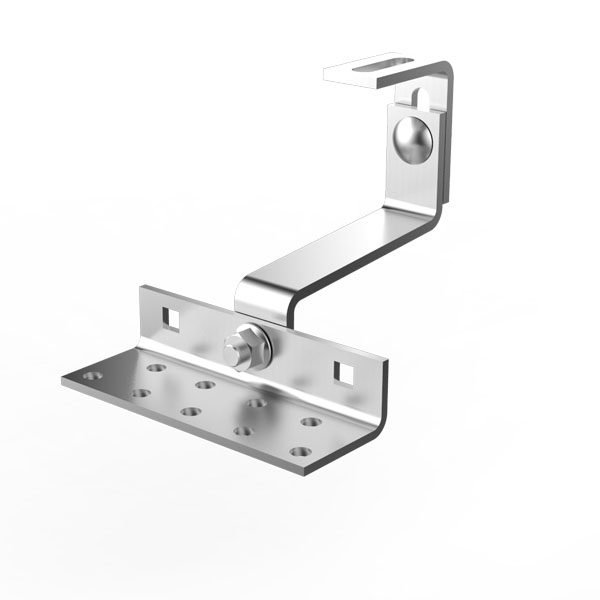
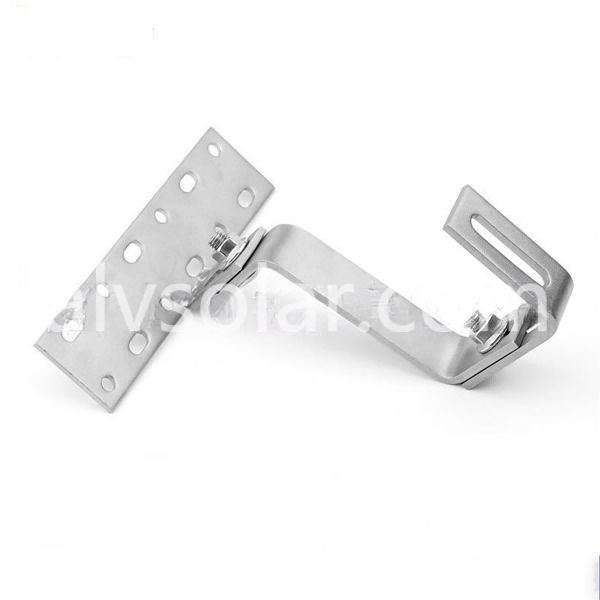
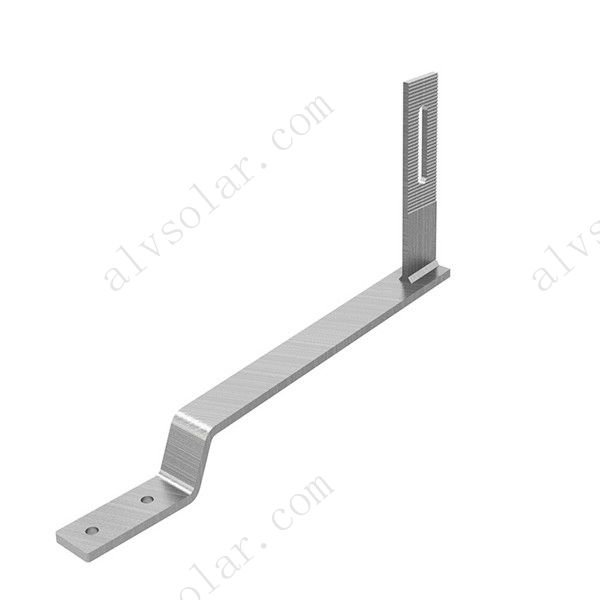
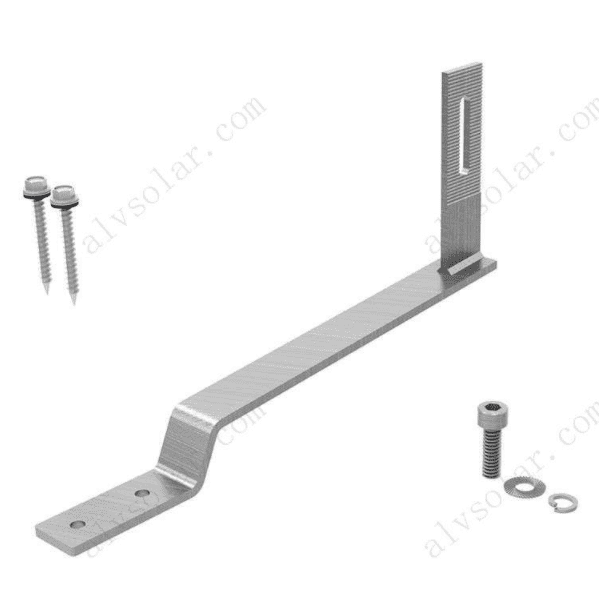
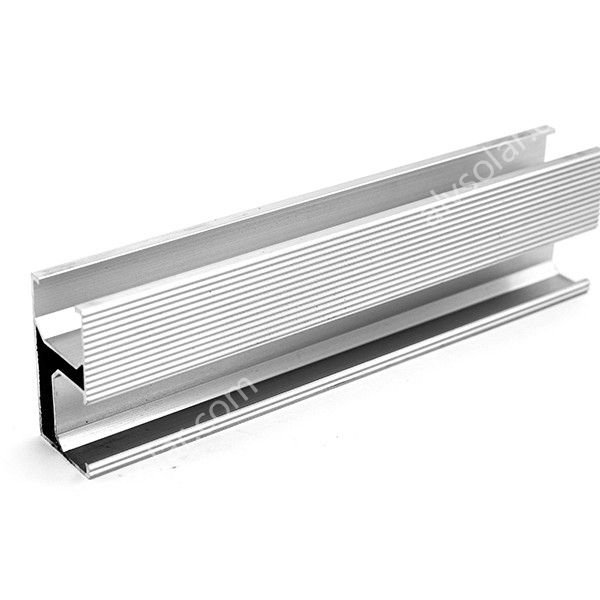
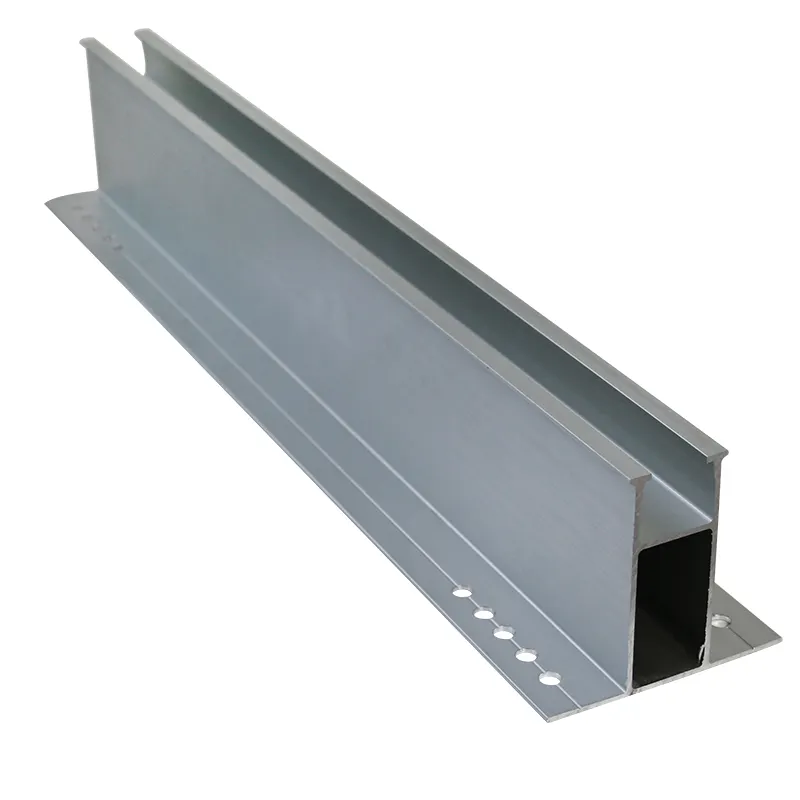
| Pitched roof (tile) | Hook-type aluminum rail | Lightweight, waterproof, adapts to various tile types |
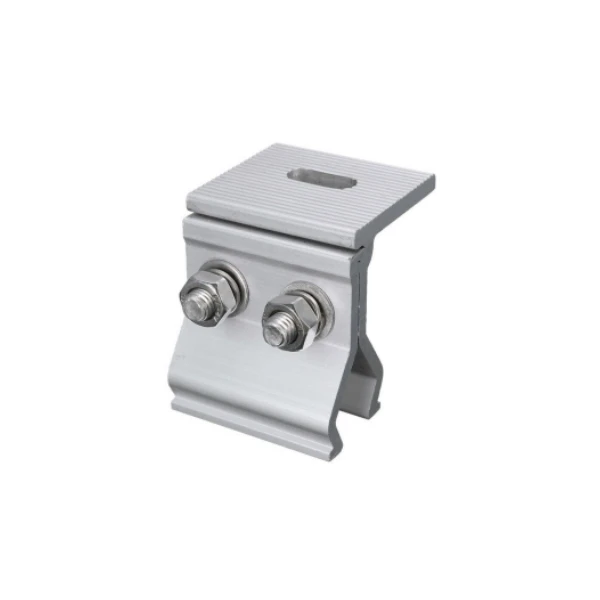
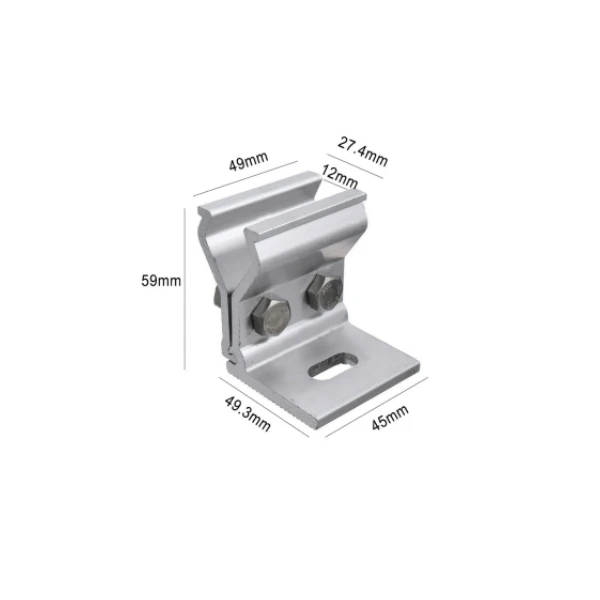
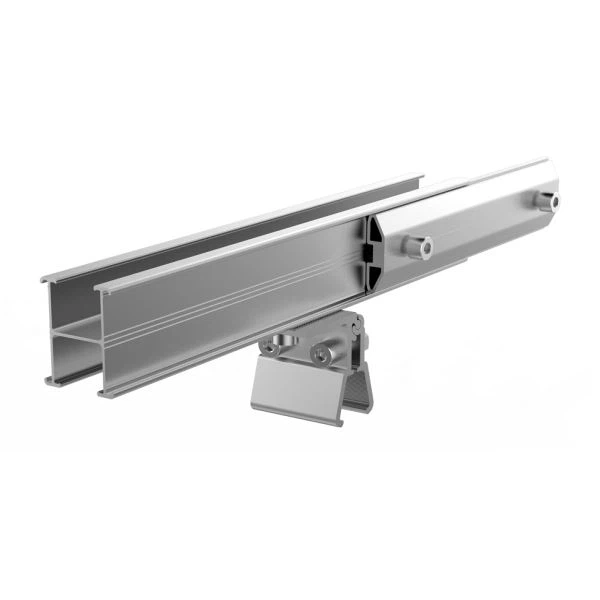
| Metal roof | Clamp-type mount | No roof penetration, good waterproofing |
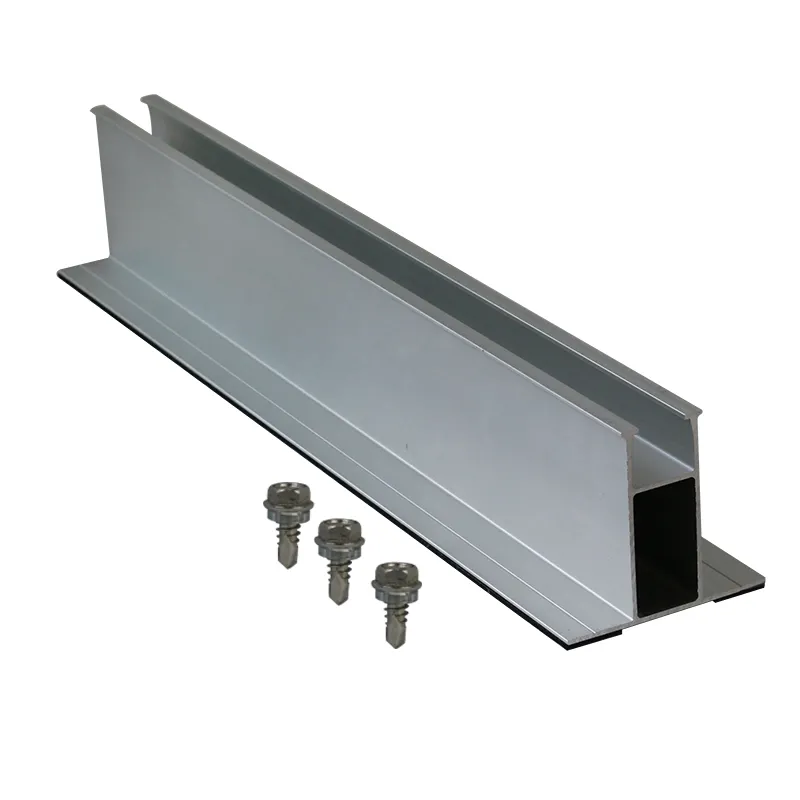
| Flat roof | Ballasted mount | No damage to waterproof membrane, adjustable tilt |
2.3 Material Choices
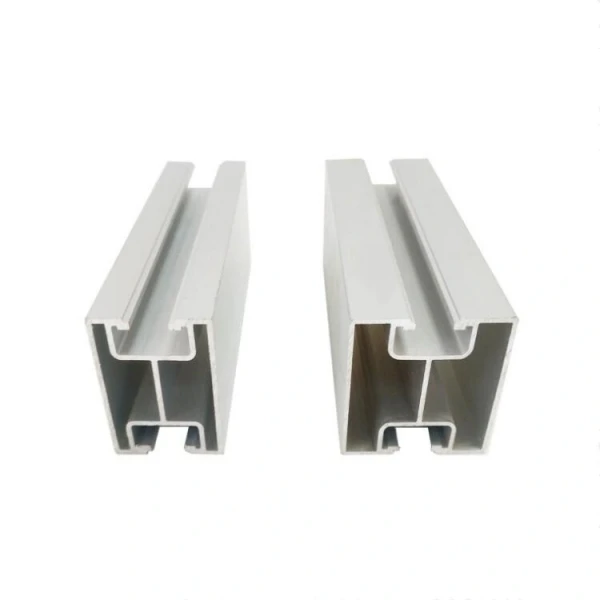
- Aluminum mounts: Lightweight, corrosion-resistant, good appearance – suitable for roofs with limited load‑bearing capacity
- Hot‑dip galvanized steel mounts: High strength, low cost – suitable for large roof projects
2.4 Installation Precautions
- Verify roof load‑bearing capacity
- Ensure proper waterproofing to avoid leaks
- Reserve maintenance walkways for later service
3. Ground Solar Mounts Explained
3.1 Applications
Ground mounts are suitable for homes with available land, farms, commercial & industrial sites, and large utility‑scale solar farms. The land should be flat and free of shading.
3.2 Main Types
| Type | Foundation Type | Приложение |
|---|---|---|
| Fixed‑tilt mount | Driven pile / concrete | Large solar farms, cost‑sensitive projects |
| Adjustable mount | Screw pile / concrete | Seasonal tilt adjustment |
| Single‑axis tracker | Driven pile | Higher energy yield |
| Dual‑axis tracker | Concrete foundation | Maximum energy yield |
3.3 Fixed Mount vs Tracker
- Fixed mount: Lower initial cost, simple maintenance – suitable for most scenarios
- Tracker: 15%–35% higher energy yield, but higher cost, greater mechanical failure risk, and more complex maintenance
3.4 Foundation Type Comparison
- Driven pile: Lowest cost, fast installation – suitable for good soil conditions
- Screw pile: No concrete, environmentally friendly, removable – suitable for agrivoltaics
- Concrete foundation: Highest strength, widely adaptable – but higher cost and longer construction time
4. Roof vs Ground – How to Choose?
| Comparison Item | Roof Mount | Ground Mount |
|---|---|---|
| Land occupation | None | Requires open land |
| Installation difficulty | Higher (work at height) | Lower (ground level) |
| Tilt optimization | Limited | Fully optimizable |
| Cleaning & maintenance | More difficult | Convenient |
| Cost per watt | approx $0.08–0.14 | approx $0.11–0.22 (incl. foundation) |
| Service life | 25 лет | 25 лет |
5. Summary & Recommendations
Choose a roof mount when:
- You have adequate roof space and the structure can support the load
- You do not want to use yard or farmland
- Your budget is relatively limited
Choose a ground mount when:
- You have open land with no shading
- You want to maximize energy yield
- You need frequent cleaning and maintenance
Whichever you choose, always select mounting products that comply with national standards (such as GB/T 13912 or equivalent local standards) and have them installed by a qualified team.